

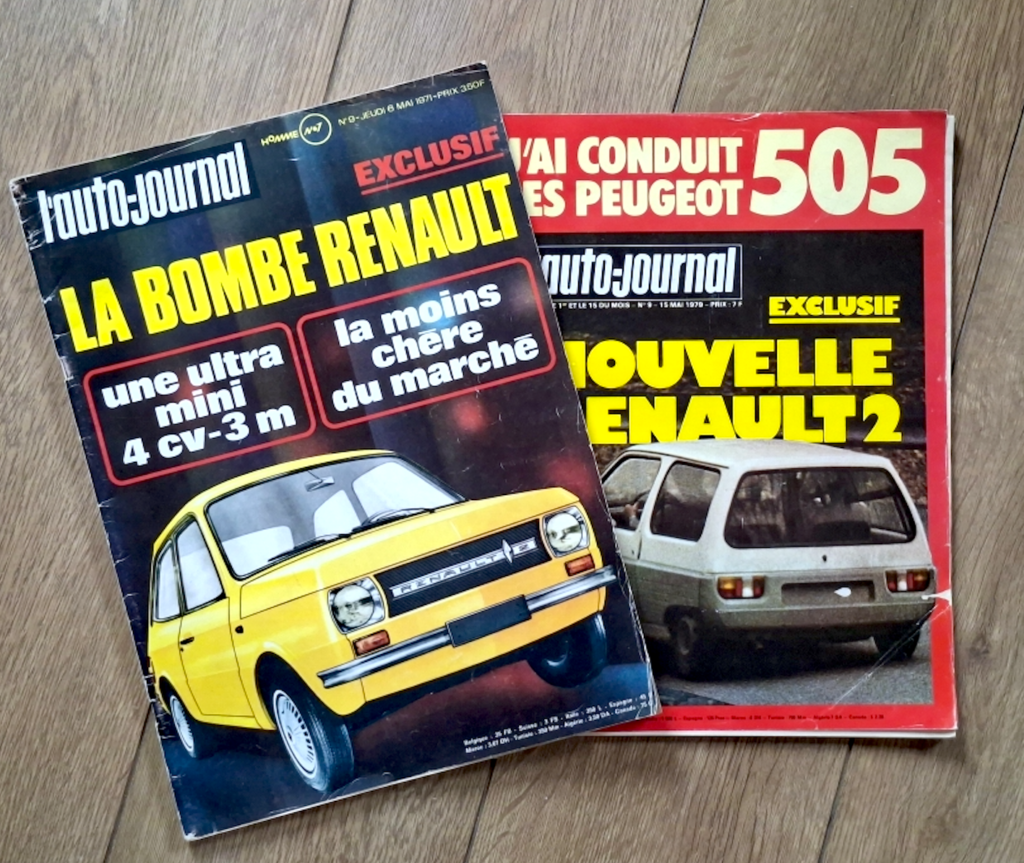
Through two issues of l’auto-journal dated 1971 and 1979, we take a behind-the-scenes look at these two scoops on the Renault 2, putting them back into context. Thanks to our archives, we can detail what was really happening behind the scenes at Renault at the very moment when specialist journalist Gilles Guérithault (see Bonus) was writing his articles. A fascinating story supported by documents from the period. And, incidentally, an insight into the difficult job of a journalist hunting for ‘scoops’!
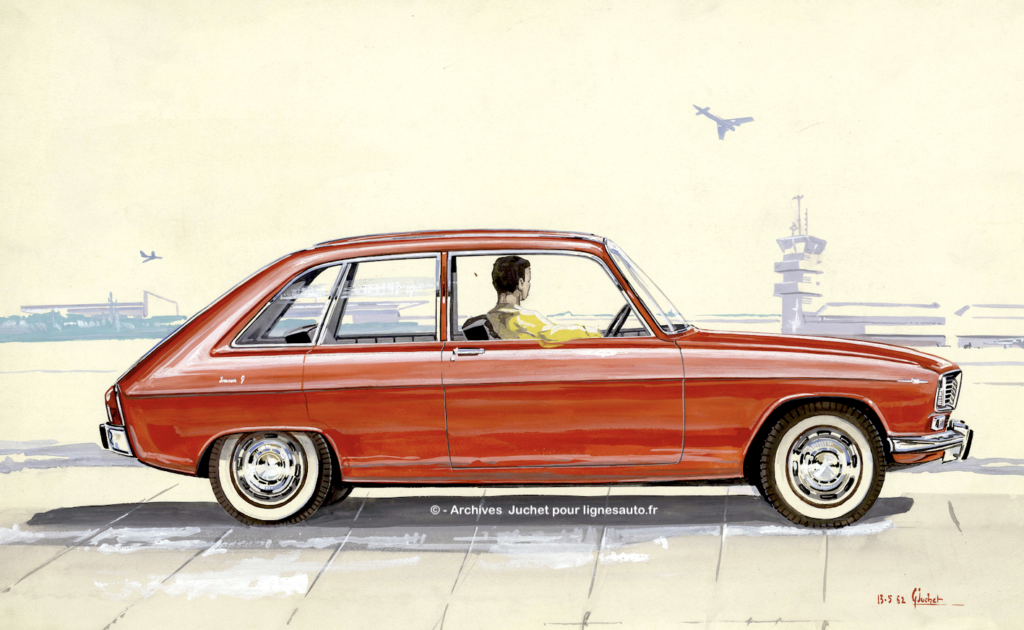
First, you have to open the 1971 Renault catalogue to appreciate this interesting little innovative R2. The range at that time included the Renault 4, the Rodeo version, the Renault 6, the Renault 8 Major, the Renault 8S, the Renault 10 Major, the Renault 12, the estate version, the sporty Gordini and the Renault 16, pictured below in a drawing by Gaston Juchet.
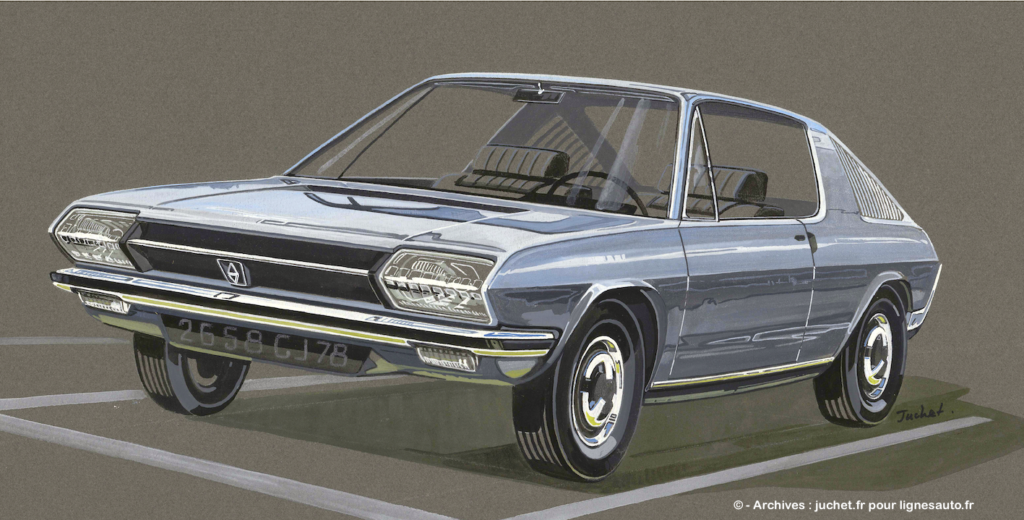
There were therefore still two rear-engine models, while the front-wheel drive models all had longitudinal engines. Only the 16 seemed to offer any real innovation in its segment, mainly in terms of architecture with its two-box shape and modular interior. Otherwise, the range felt a little outdated. But on 6 May 1971, when the magazine hit the newsstands with the R2 on the front cover, the R15/R17 duo had not yet been revealed: the two coupés would be unveiled two months later, in July. This was the first sign of a revival for the Régie. Below is a study drawing of the Renault 17 by Gaston Juchet.
However, behind the scenes at Renault, there was no mention of a small R2. The designers and engineers had almost completed their work on Project 122, which would give rise to the R5 in January 1972. Could it be that the motoring magazine had confused the R5 with the R2?
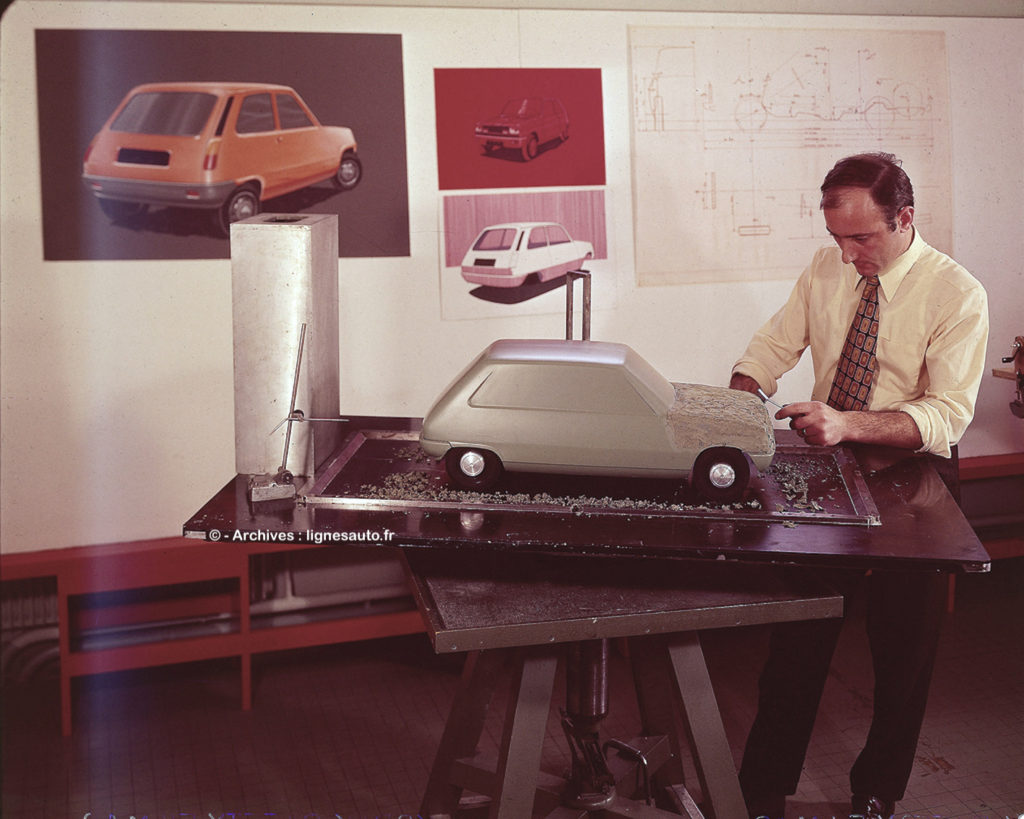
No, there is no confusion, because the R5 is indeed mentioned in Gilles Guérithault’s article, and not necessarily in glowing terms: “it is likely that this model (the R2 NDA) will only be launched after the appearance, in spring 1972, of a much less interesting R5 that Renault seems keen to promote. (…/…) The mechanical layout of the R4 has been retained. It is regrettable that Billancourt has put compromise before creativity. (…/…) We will of course return to this R5, which will precede the R2. Our readers will then be able to see the gulf between a revamped vehicle and a completely new model.“
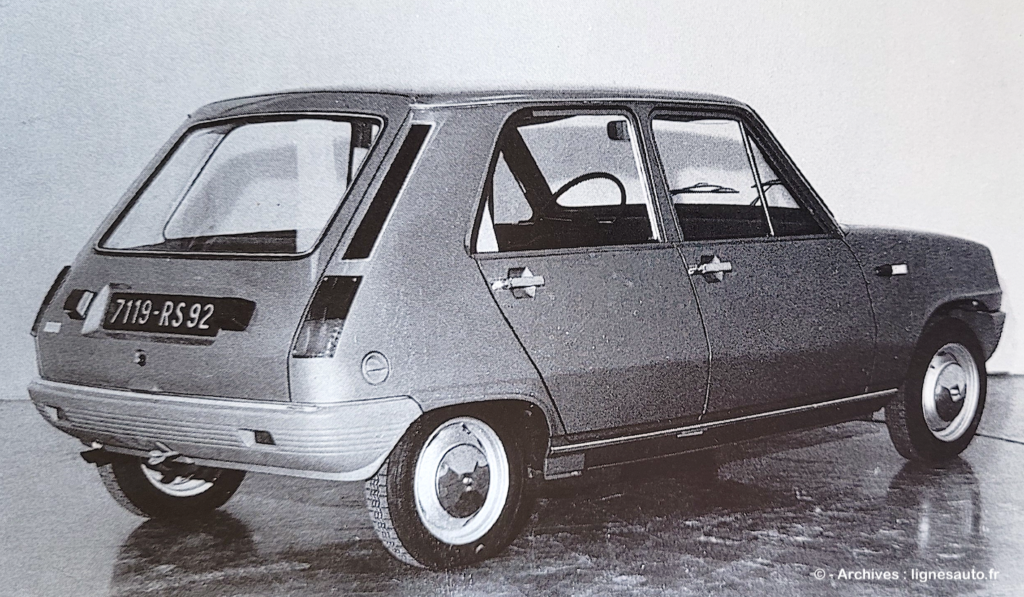
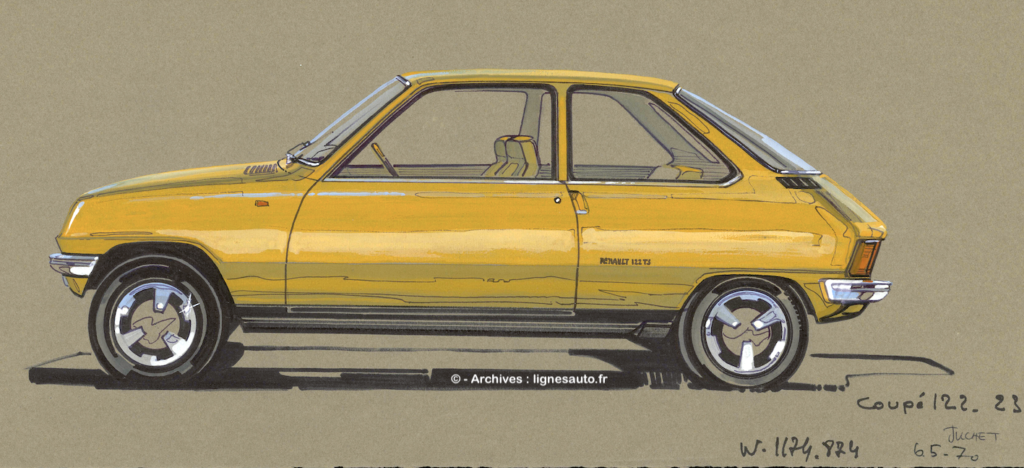
At Renault, rather than talking about a ‘small’ car, Gaston Juchet’s design team had already produced models for an ambitious programme in 1971: the Renault 14 below, which was intended to help the Renault 12 face fierce competition in the compact car segment. The 1967 Simca 1100 and the 1965 Peugeot 204 had no real competitors at Billancourt.
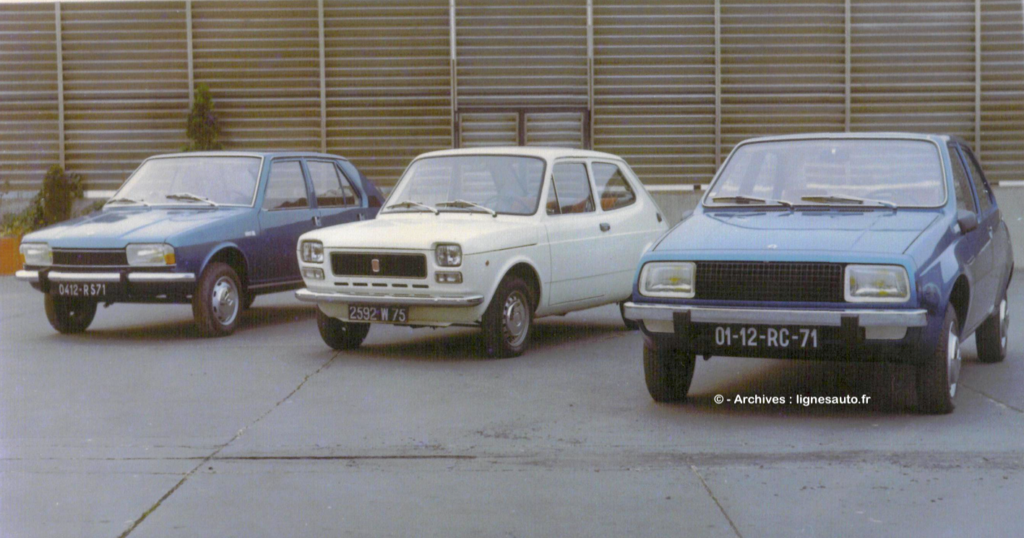
The Renault 14, which would be released in 1976, was practically frozen in terms of style in 1971, while l’auto-Journal unveiled the R2. But, of course, journalists did not know this yet. Gilles Guérithault seems rather obsessed with the Mini (see excerpt from the 1971 article below) and points out Renault’s inconsistencies: there is no model in the Renault range capable of competing with the Mini, even though the nationalised manufacturer is known precisely for its success in the small car market.
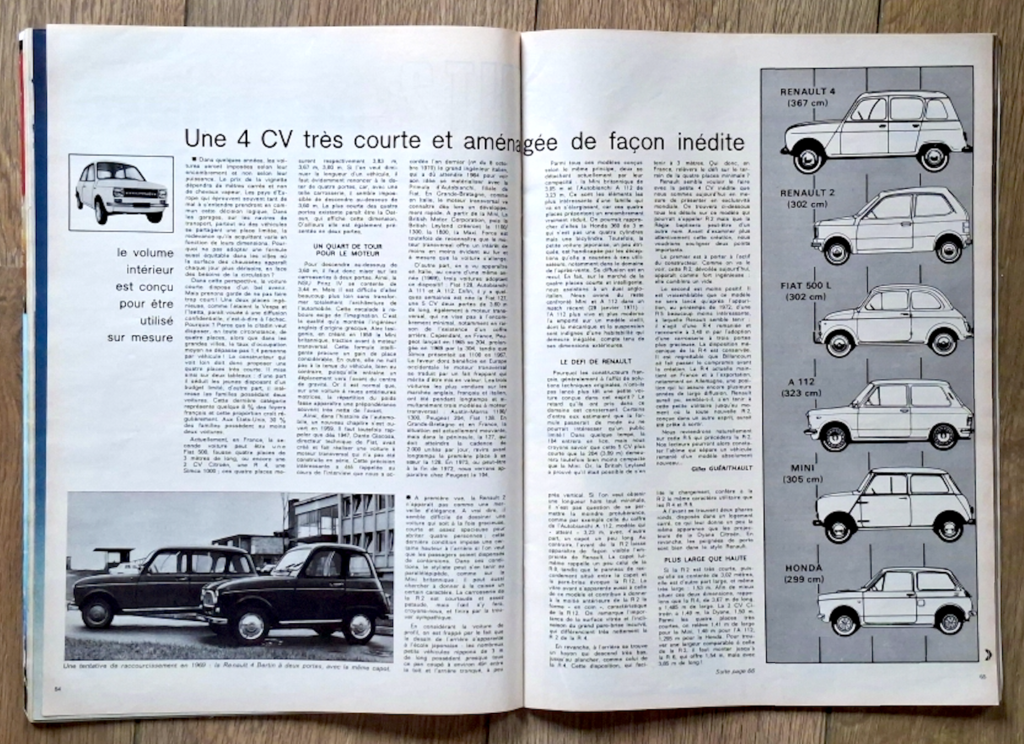
‘’Although the R2 is very short, measuring just 3.02 m, it is also wide, very wide in fact: 1.53 m,’’ explains journalist Jean Mistral in the l’auto-journal report. The latter is none other than… Gilles Guérithault, who uses this name when reporting on products! At 1.43 m wide, it is indeed wider than the R4, 2CV, Dyane and Mini, and only one centimetre narrower than the R6!
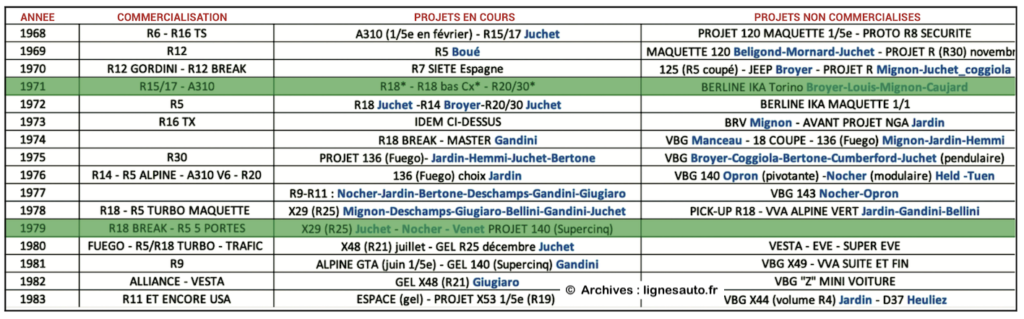
Behind the scenes, the R5, despite being criticised internally by half of the product team – mainly because it only had two doors – was the focus of everyone’s attention. And the problem with this first scoop on the R2 is that there is no trace of this project in Gaston Juchet’s personal notes, as can be seen above in the transcription of said notes.
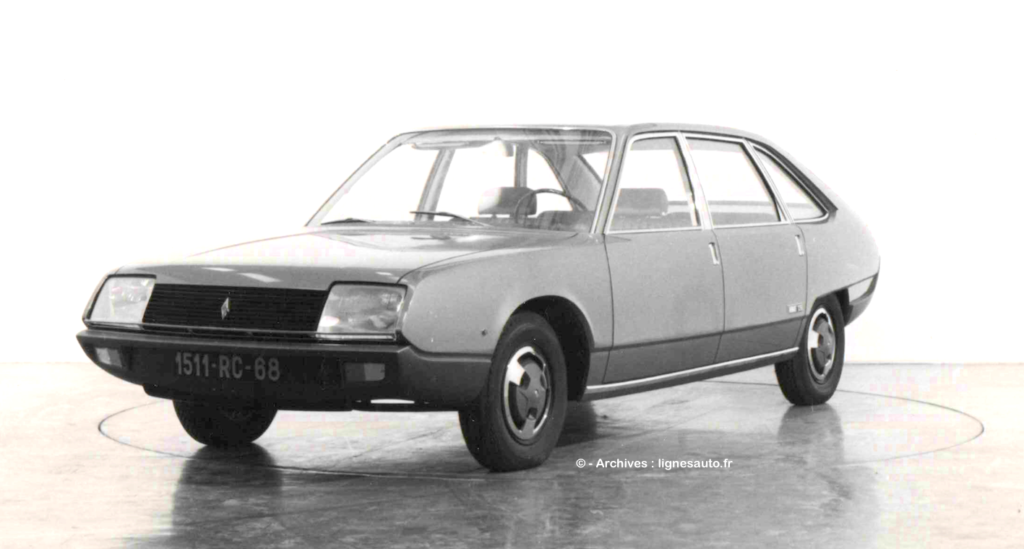
From 1968 to 1972, there was no R2 in sight. However, a number of projects under consideration never saw the light of day, notably the 120 (above), which in 1968 laid the foundations for what would become the R30 in 1975. The R5 coupé below, studied in two different forms, was also never marketed. It was during this period that the Alpine range renewal programme, the NGA, was launched, but the models also came to nothing. And there was no sign of the little R2…
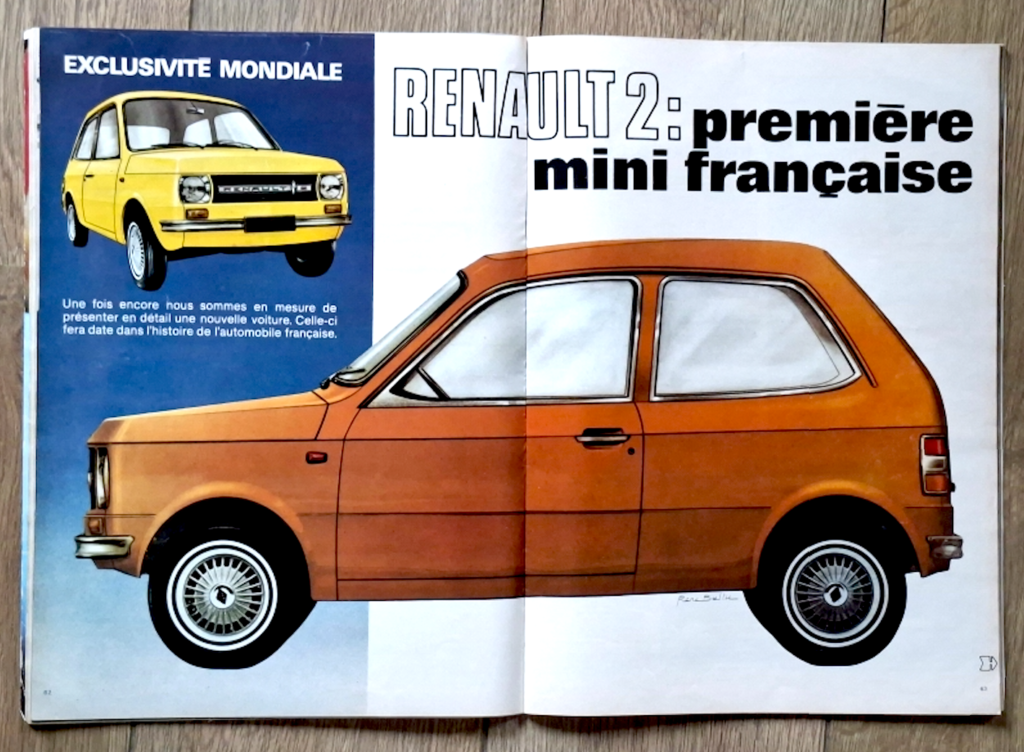
Could Gilles Guérithault have been mistaken? Knowing him, we doubt it! We must therefore look elsewhere for the origin of this article. And it is by discovering the drawings of the modularity on board the R2 in the May 1971 article that we can better understand, even if it remains a mystery. Let me explain: in May 1971, l’auto-journal published an article on the R2 with a full double-page spread on the exceptional modularity of this small car, which was ‘‘wider than it was tall.’’
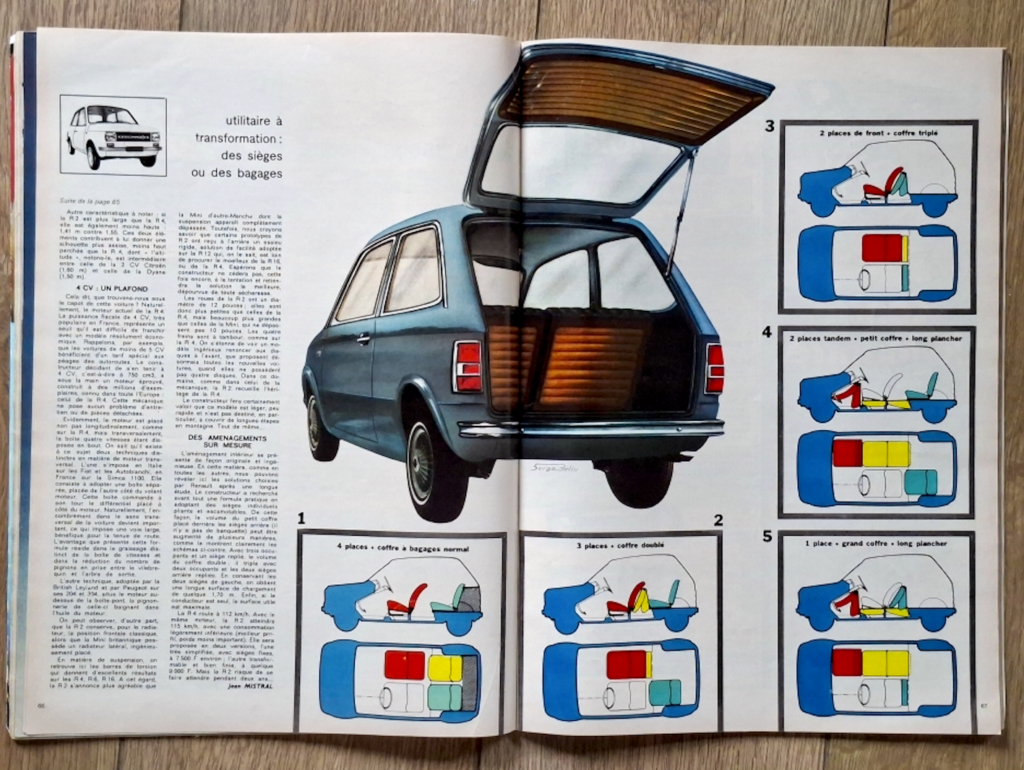
Jean Mistral, alias Gilles Guérithault, explains that “the interior design is original and ingenious.” The school drawings that accompany his words are incredible: the architecture of the Twingo is right there before our eyes! Unlike its rivals at the time, the little R2 has four independent seats with no rear bench. The two rear seats fold into the floor. The front passenger seat tilts completely forward, providing a long boot floor…
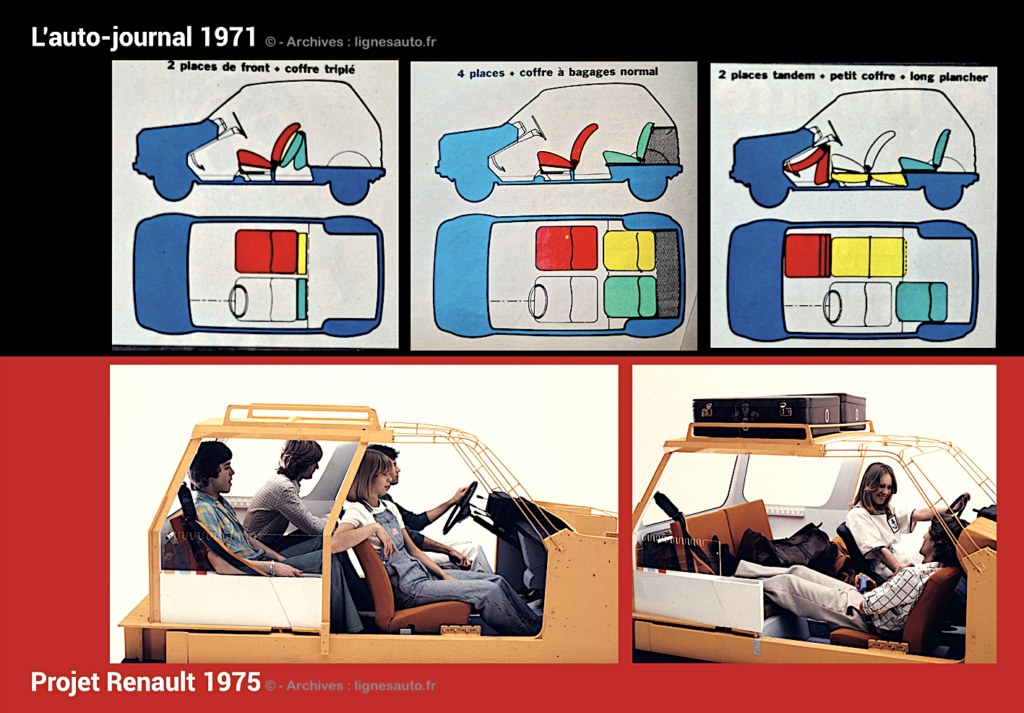
And this is where the mystery arises, because Renault worked on this architecture, which would be used in the first models of the VBG (low-end vehicle) project. So you might ask, was Gilles Guérithault very well informed? Yes, as always, but there is a major problem: the subject of the l’auto-journal dates back to 1971. However, the first modularity studies for Renault’s VBG models did not begin until June 1975, as can be seen below in the study file.
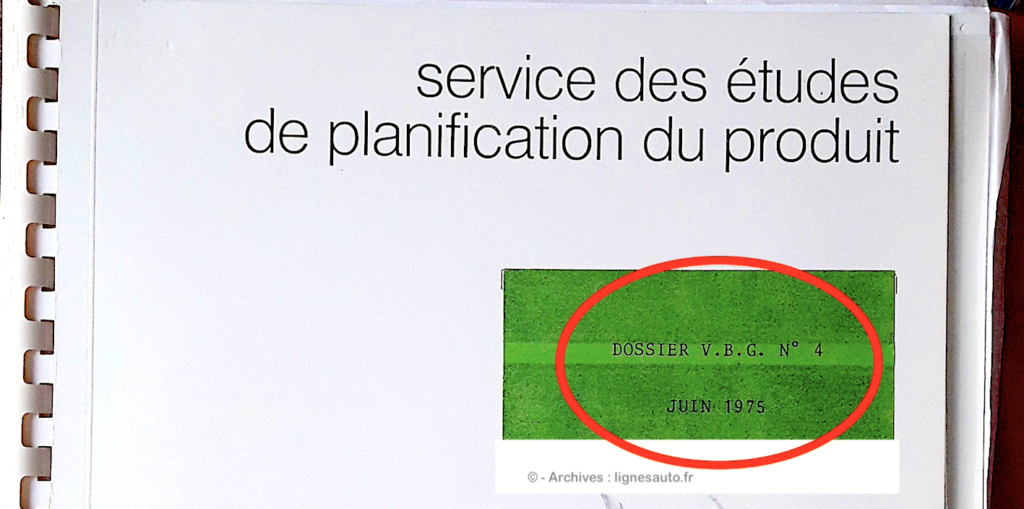
So, did Gilles Guérithault write this article to push Renault to design a smart mini with a transverse front engine and unprecedented modularity? We’ll never know… But this conclusion is a very good transition to the second topic, with a new article on the R2 published in l’auto-journal in 1979. And this time, with photos! This is the subject of the second article, which will be published shortly on this website: ‘Decoding the Renault 2 scoops – part 2 – 1979’.
BONUS : Gilles Guérithault (1918-2017)
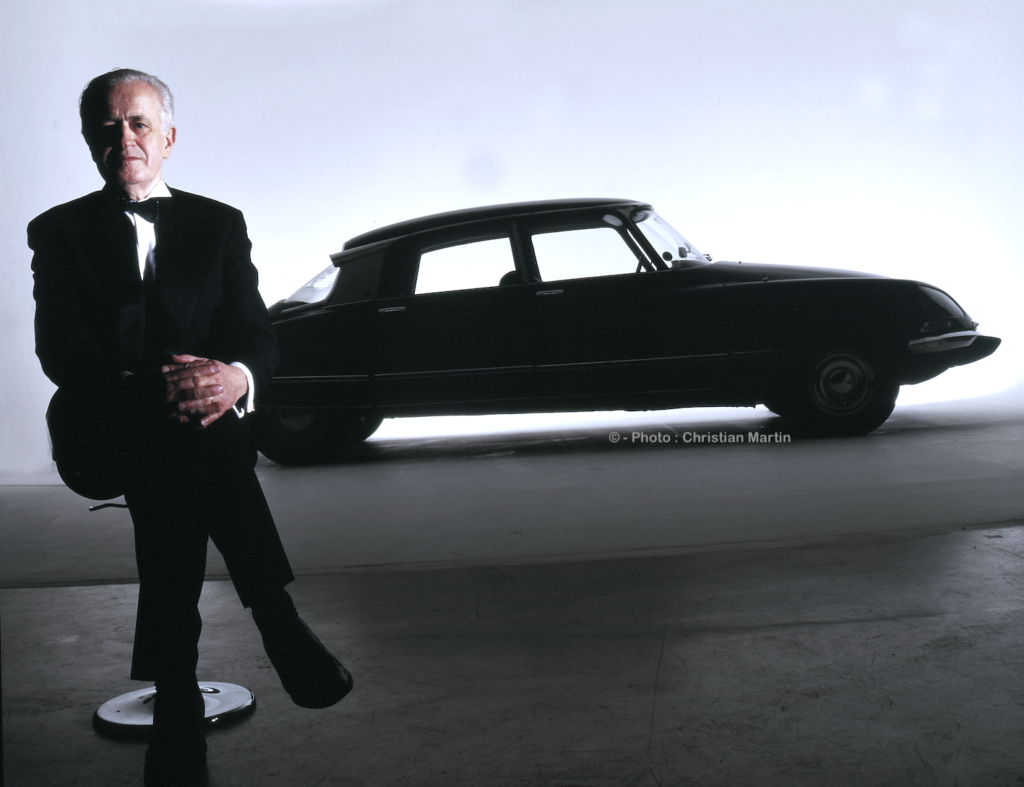
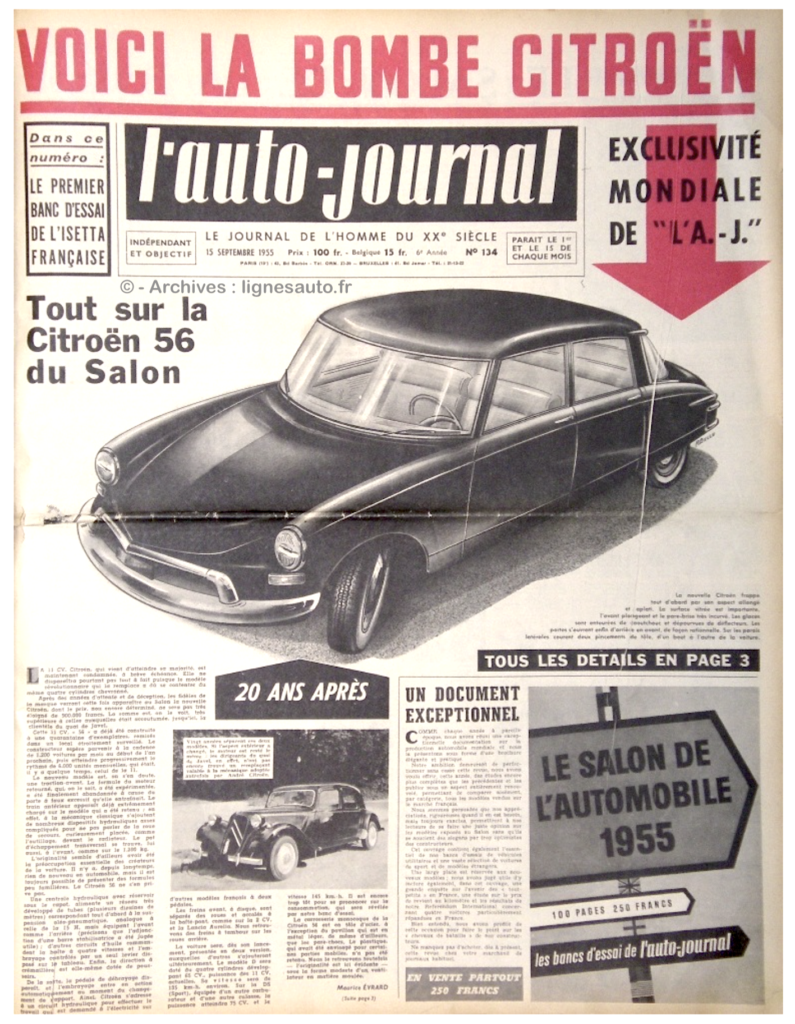
Gilles Guérithault reigned at the heart of the team that launched l’auto-journal on 15 January 1950, alongside André Costa, among others. Guérithault was the man behind the automotive scoops of the 1950s until he left l’auto-journal in the early 1990s. His pursuit of the Citroën VGD (the 1955 DS) led to a lawsuit that turned his hair white in record time. Citroën lost this long legal battle, which began even before the DS was unveiled in October 1955.
As for Gilles Guérithault, I had the privilege of working alongside him in the automotive scoops section just before he retired. I succeeded him, because you can’t replace a giant like Gilles… I remember him as a talented, epicurean, excellent journalist who interviewed the biggest names in the automotive industry. He gave me the fright of my life in 1991 when I thought he was dead, slumped in the driver’s seat of his Citroën ZX parked in the newspaper’s underground car park. He was simply sleeping after one of his many good meals. Then he would come back up to his desk, three metres from mine, to nibble on a biscuit. He would then sit down at his Japy typewriter and type with such vigour that all the ‘o’s in his texts were transformed into little holes that let the light through when he tore the pages from his typewriter. It was his way of throwing shining stars into the sky of an incomparable career.