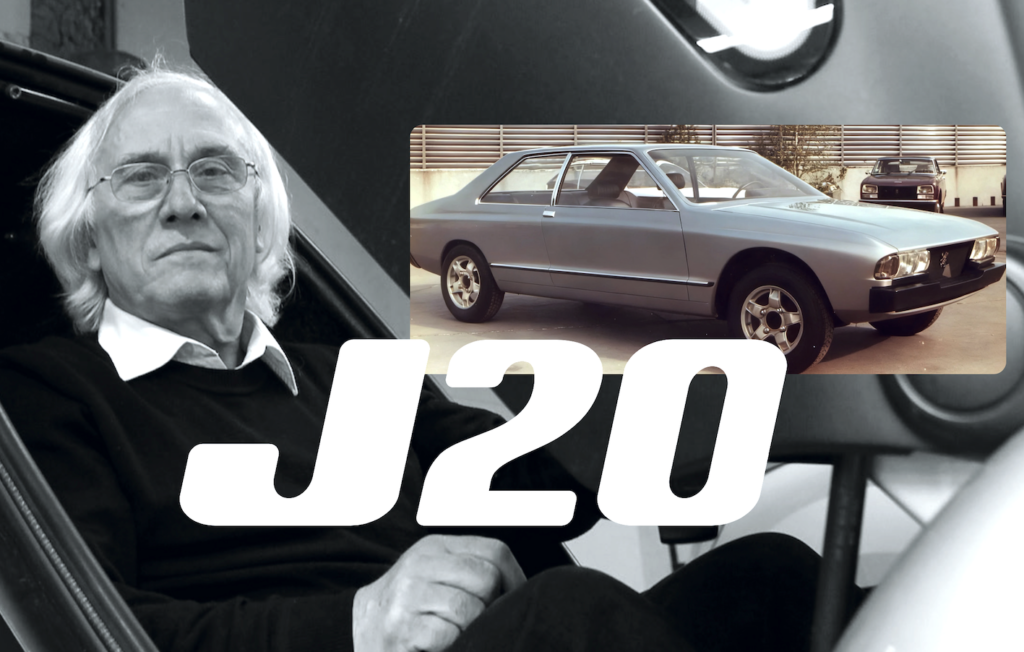

Duality is the character or state of something that is double in itself and expresses the coexistence of two elements of different natures. Duality is exactly the word that describes our feeling after discovering the Peugeot Polygon concept car. After the publication of the very first image of the concept, we wondered whether Polygon was a real manifesto of the brand’s future design, or simply a shell – a cover – allowing all the spotlight to be focused on the revolutionary new driving position of future Peugeots.
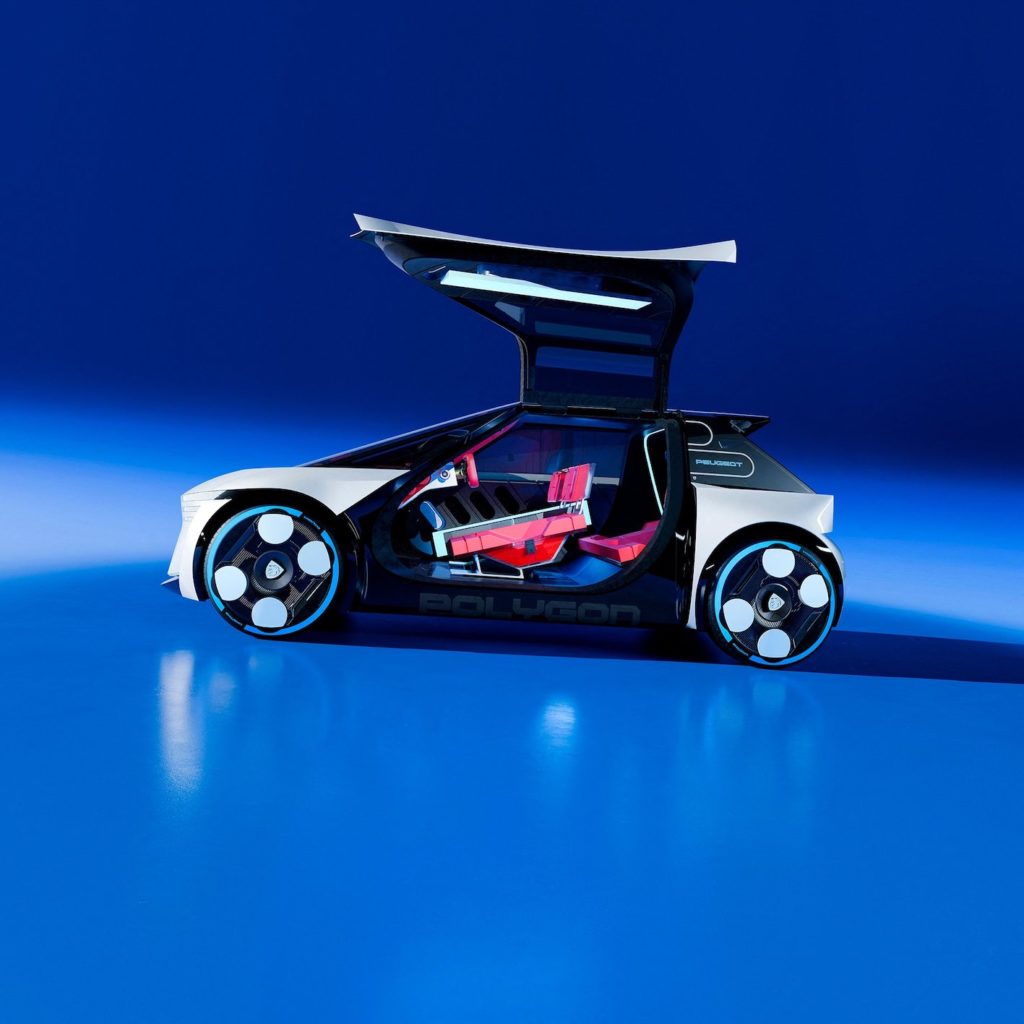
The latter option (simple cladding) seemed likely, as the shape of the Hypersquare, this ‘rectangular control module’, covers the entire concept car: the wheel rims, seats, mirrors, etc. After the manufacturer’s official presentation, the answer was revealed: Stellantis’s engineering director announced from the outset that “we knew from the start that Polygon would not just be a new concept car.”
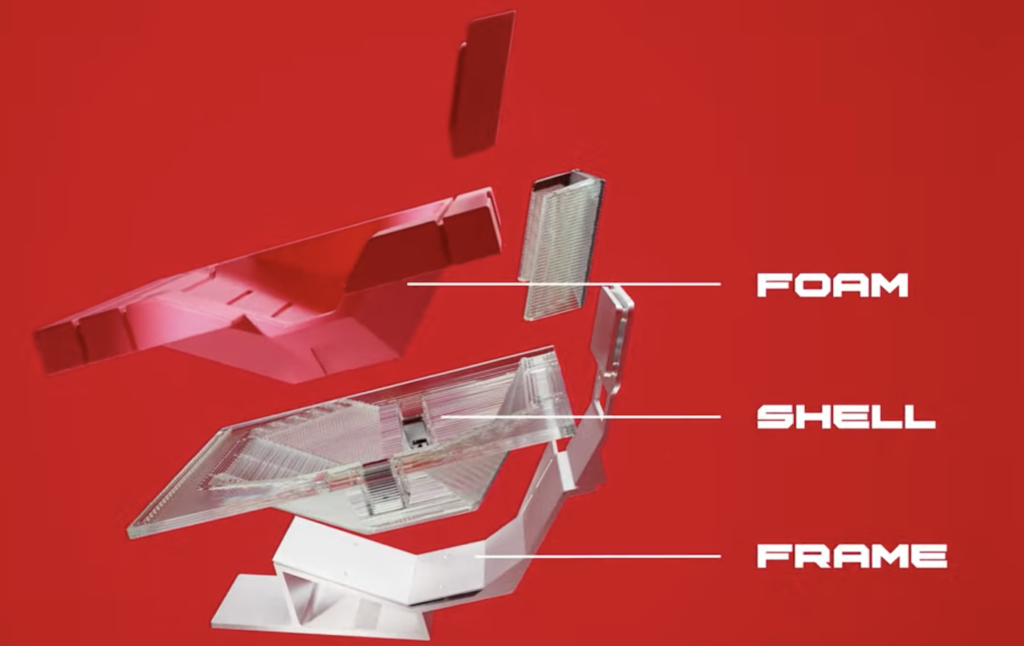
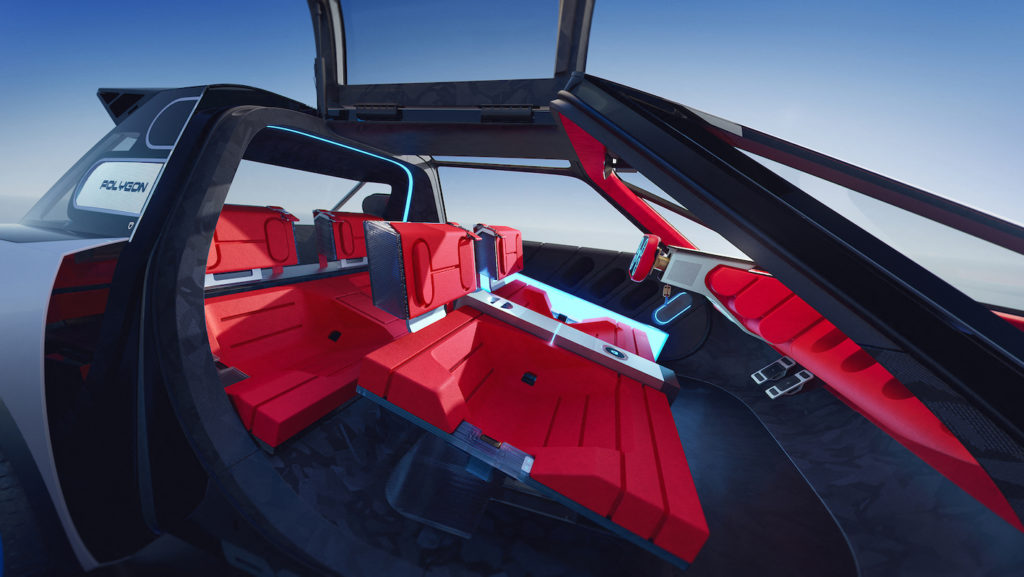
Polygon is primarily announcing the upcoming Hypersquare steering wheel and highlighting its commitment to sustainability in the manufacture of tomorrow’s cars, such as its seats, which are designed with very few parts and can be customised as desired. They “combine a 3D-printed shell with a single-piece moulded foam. This offers the freedom to create new and comfortable shapes and a clean, geometric design that traditional fabric-covered seats cannot offer.“
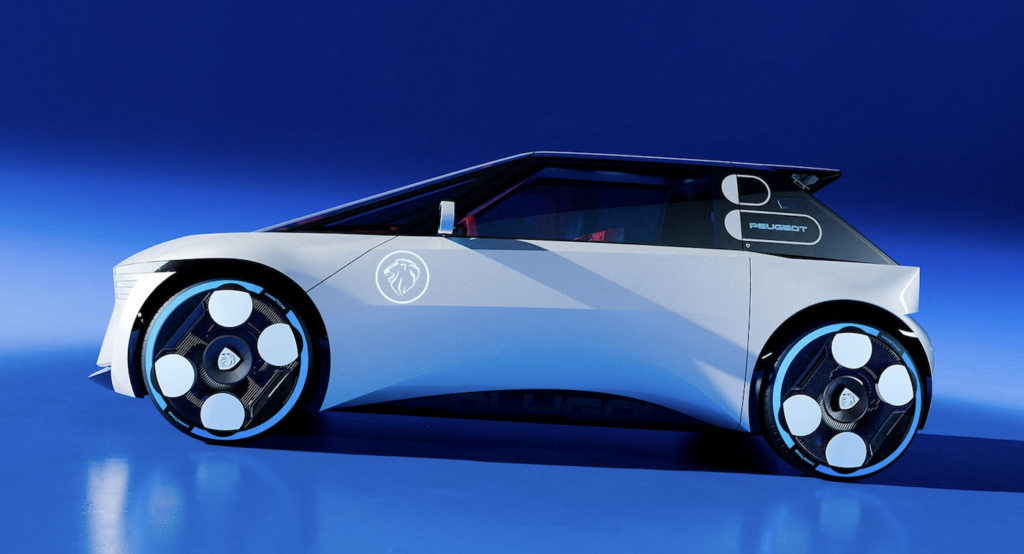
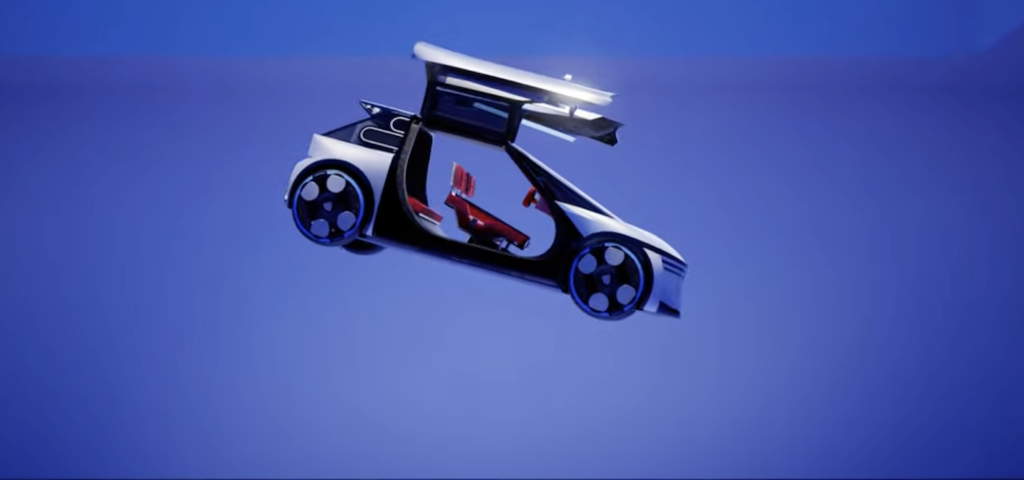
But upon discovering Polygon, few words were said about the formal language of tomorrow’s Peugeots: “The three claws of the iconic light signature have been reinvented in a horizontal treatment, emphasising the car’s solid stance on the road.” Or “it is a compact concept car (less than 4 metres long), heralding the Peugeots of tomorrow.” And finally: “beyond the new front end, Polygon heralds the overall design of the Peugeots of tomorrow: pure, simple and geometric shapes for a more feline stance than ever.“
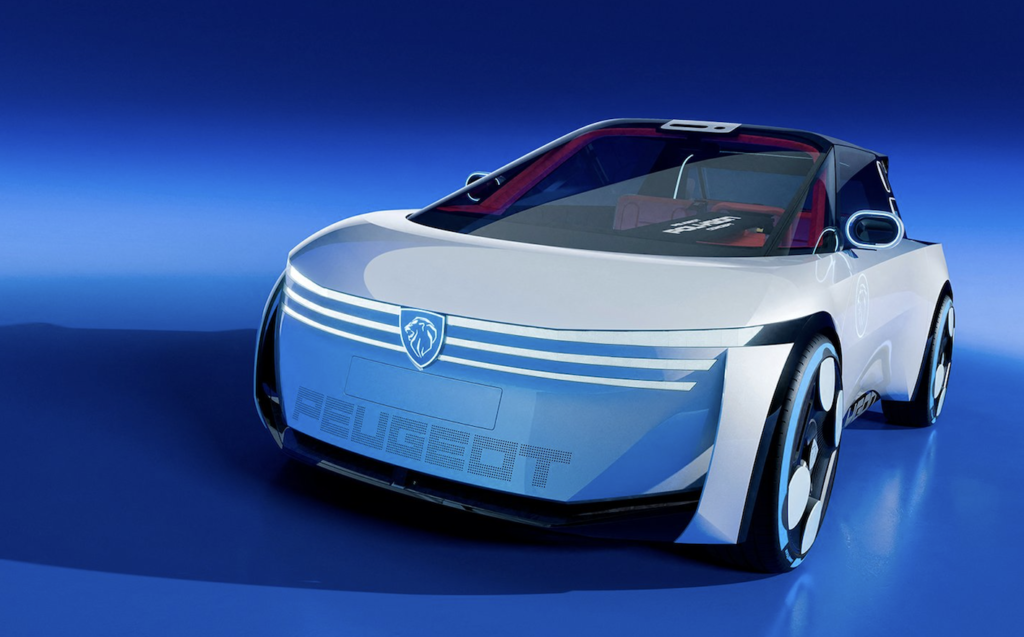
Blimey, we were expecting a real manifesto that gave a clearer preview of the design of tomorrow’s Peugeots. The manufacturer can legitimately respond that Polygon is strictly adhering to the concept car strategy of the Matthias Hossann era, when he was head of this department and even beyond, when he took over as Peugeot’s design director.

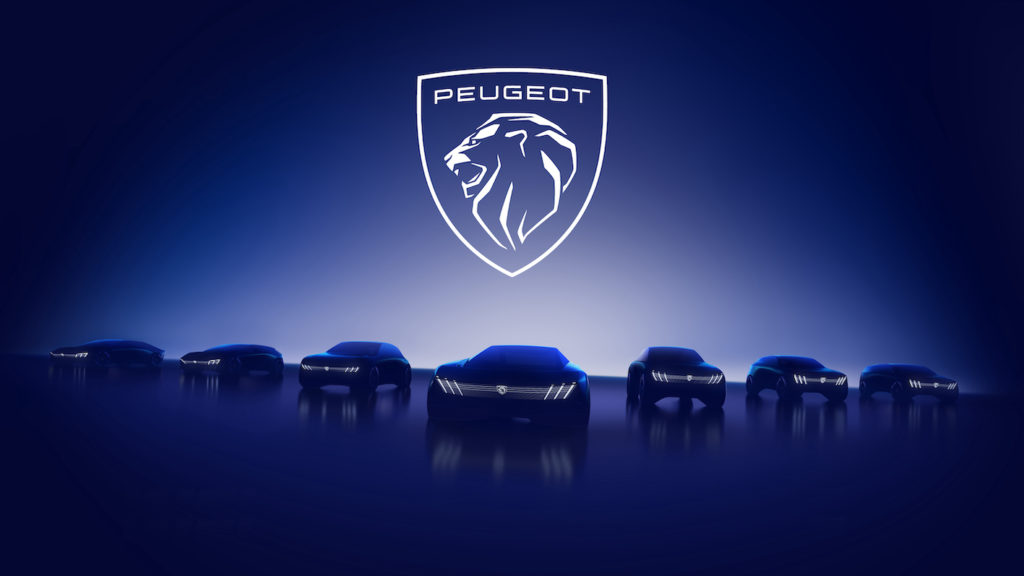
Explanations. If you look at Fractal (2015), Instinct (2017), e-Legend, which is a bit of an outlier (2018), and Inception, you will see that these concepts have only partially spread a new formal language in series. Below, the work on Inception with vertical claws seems to be swept away by Polygon’s horizontal bars…
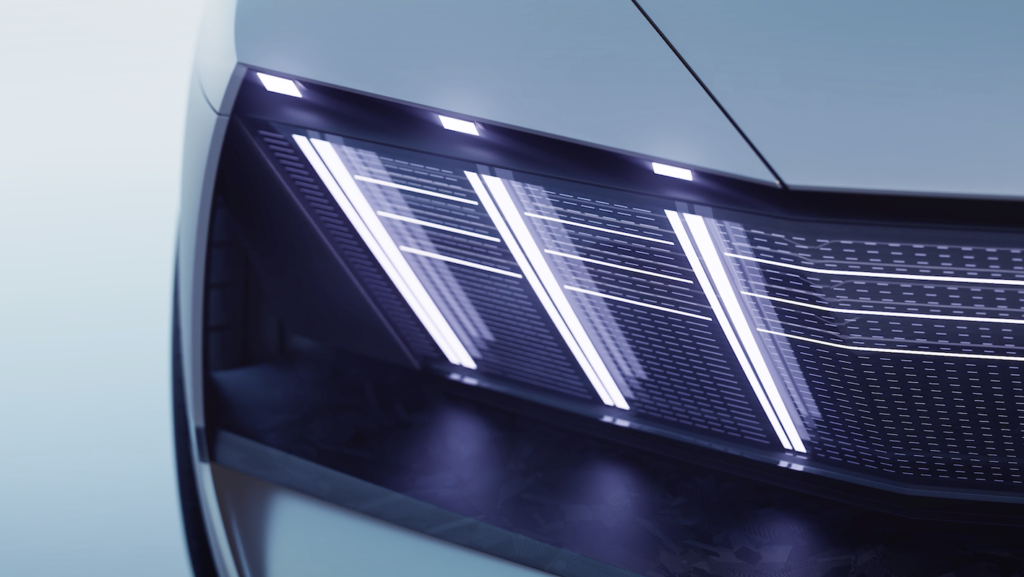
This is why it is worth revisiting our article published recently on this website (https://lignesauto.fr/?p=43258). From Fractal, we will only remember the triangular embossing seen on the 2008. From the Instinct manifesto, we will remember the almost full grille and the two claws tearing through the soft nose. As for the Inception, we don’t yet know which styling details will be retained for the future. But the Hypersquare has been cleared from this concept. Clearly, the Inception grille promised across the entire range below has been scrapped!
Polygon is also a minivan concept that seems outdated, reminiscent of the small monocoque cars of the 1990s. However, the Twingo is also reinterpreting it, and some predict that it could make a strong comeback by the end of this decade. And why not, it could be used on a Peugeot smaller than the 208, when European regulations allow such a vehicle to be designed without a number of costly regulatory constraints. There is no reason why only Citroën and Dacia should be working on this theme…
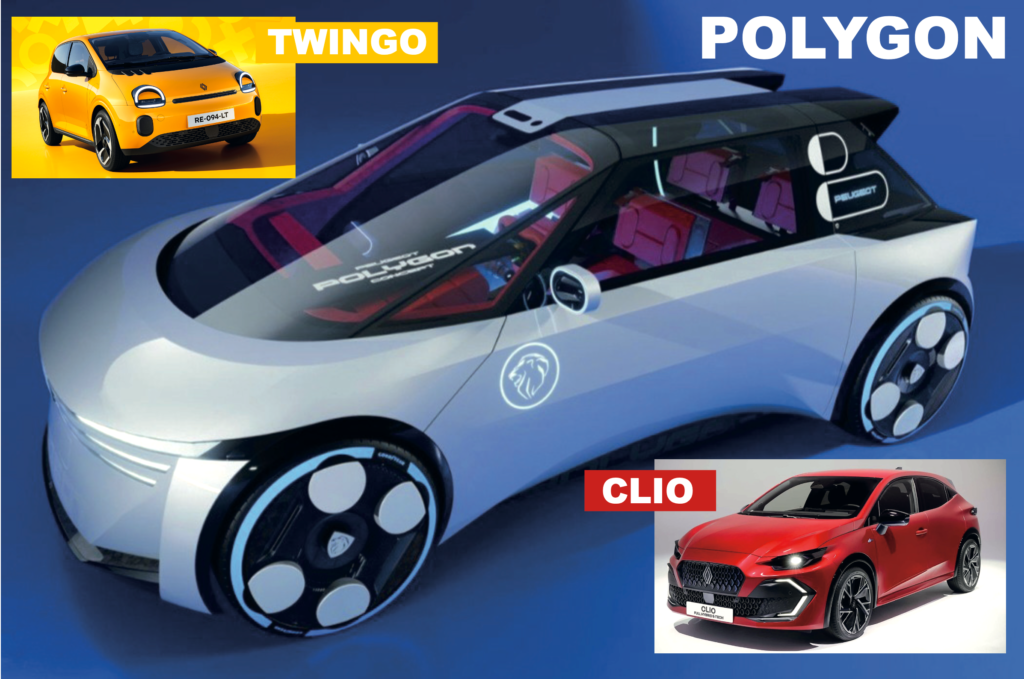
The simultaneous launch of the production Renault Twingo and the Polygon concept car does not necessarily put the latter in the spotlight. Polygon is also being unveiled at the same time as Renault is marketing its Clio (above). With the 208/2008 schedule delayed, Peugeot needs to fill the gap, and this new concept is also there for that purpose. It’s fair game. But orders for the new Clio are already being taken. And the Twingo can already be reserved with the Twingo R-Pass programme…
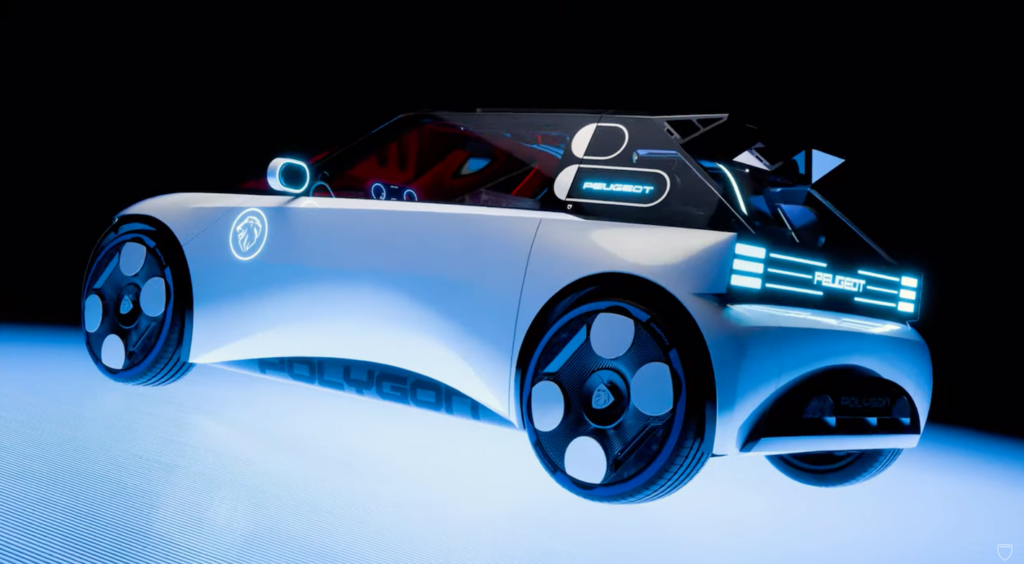
When we discovered Polygon, we recognised its connection with the 1983 205, and even with the first Welter concept car, the 1984 Quasar, even though the windscreen seems (almost) as large as that of the 1986 Proxima! But while the format is that of a ‘208 coupé’, the monocoque theme breaks with the discourse heard during the presentation of the current 208, which boasted its high, flat bonnet to accentuate its status. What is certain with Polygon is that it is “the ambassador of tomorrow’s driving pleasure“, according to Peugeot. And as such, it ultimately heralds a real revolution on board. And what a revolution!
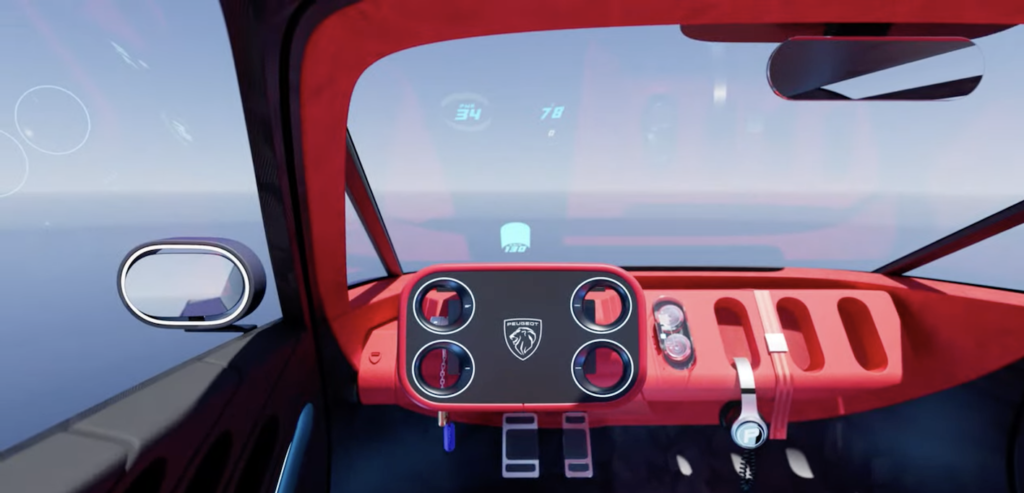
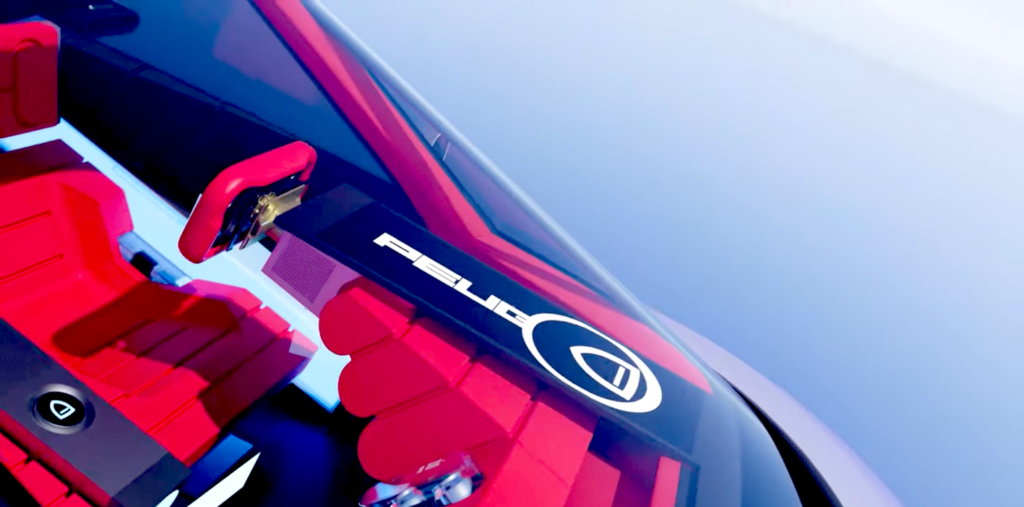
The Hypersquare has evolved from the design seen in the Inception concept. It is undoubtedly close to industrialisation. This new module is part of a revolution in the driving experience, with a limited steering angle (below) and, above all, a specific and quickly adaptable handling, according to feedback from initial customer tests. The main controls are accessible at your fingertips in four circular cells located at the four corners, while keeping your hands on the steering wheel.
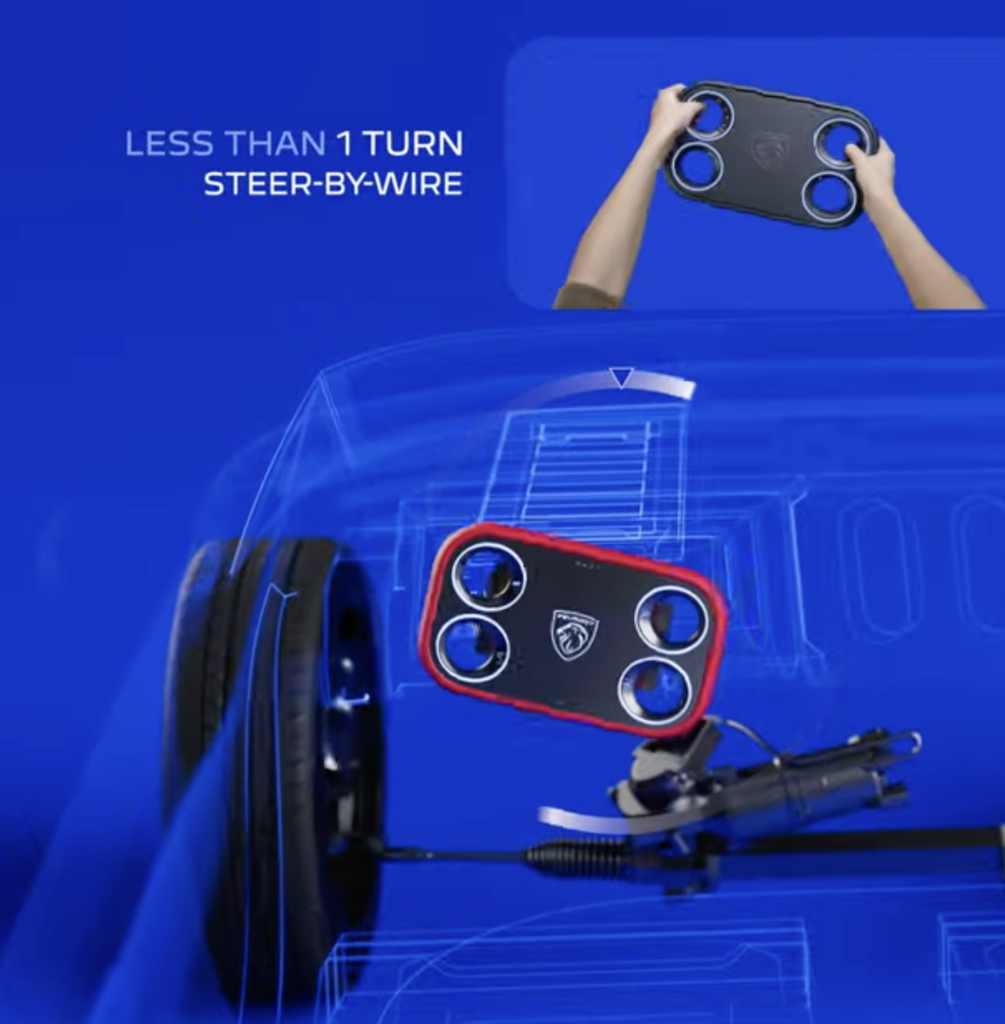
The steer-by-wire architecture, which has no mechanical connection to the steering system, opens up a world of possibilities for the design of future car interiors: more space, fewer parts and, above all, no screens, as Polygon projects all the information onto the windscreen via a Micro-LED panel located behind Hypersquare. Peugeot is not offering a vision, but the reality of a reinvented on-board experience, as the 208/2008 duo will benefit from this innovation. In 2027.
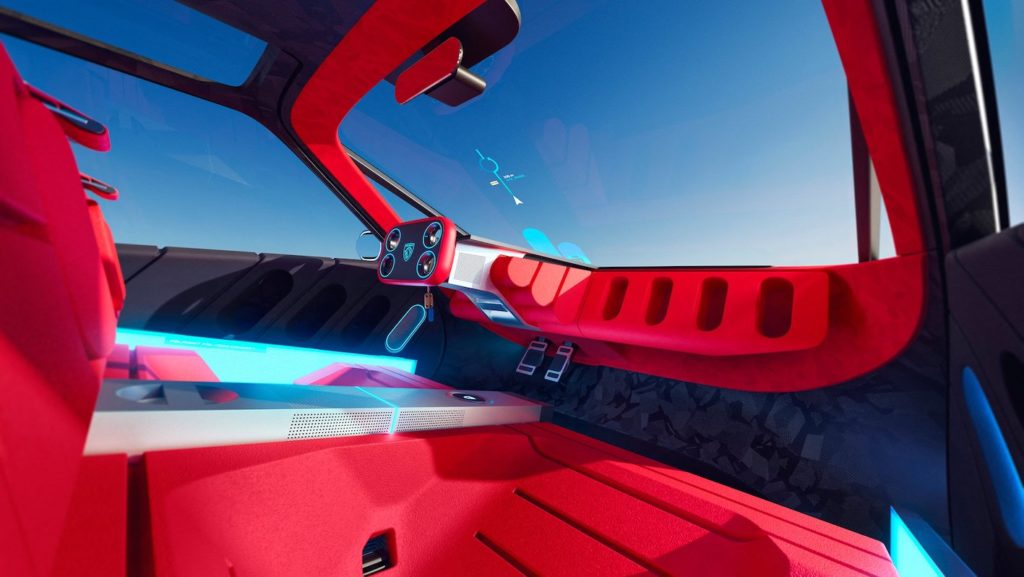
As with the Inception, the legroom for the two front occupants is enormous and free of any obstacles. “With Hypersquare and the new generation of the i-Cockpit, Polygon introduces a brand new interior design concept. The architecture has been reworked and redesigned, allowing the dashboard to be reinvented and the interior space to be freed up. This new design offers exceptional comfort for occupants.“
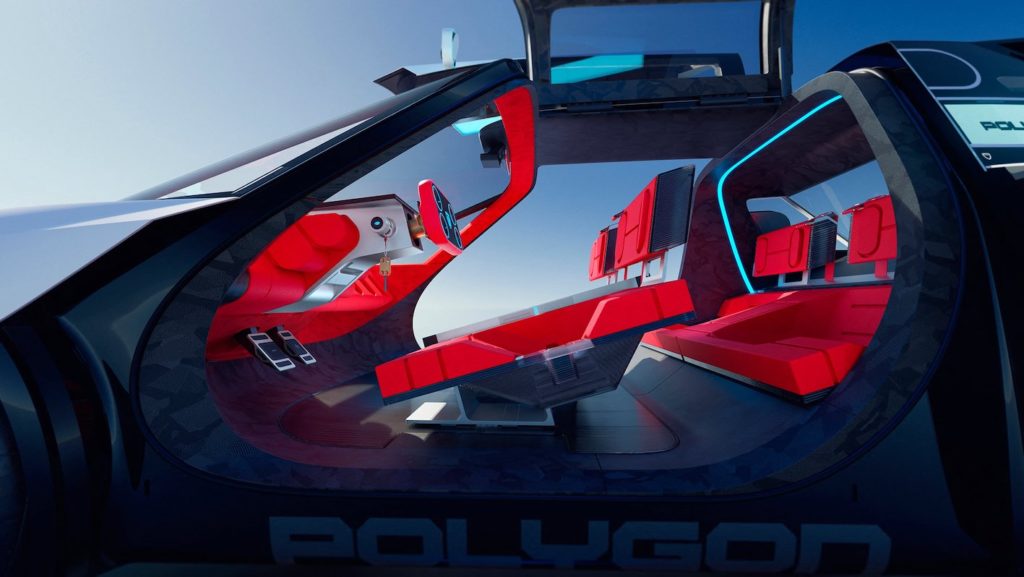
The driver’s seat and passenger seat are deliberately set back in a sporty style, in keeping with the exterior design worthy of a high-performance coupé. The driver’s ‘H’ point (located at hip level) is set back as far as possible. The entire front section under the almost monocoque body is completely unobstructed.
In conclusion, we will quote a sentence from Matthias Hossann from 2023 explaining that a concept car “is a laboratory of ideas with a projected vision of the brand that feeds the imagination, conveys a strong vision by showcasing a new design language and a new on-board experience.“
Polygon excels in the second point, offering a truly new experience on board with its revolutionary approach to driving for everyday people in the 2020s. In terms of form, the whole thing borders on caricature. The 208 and 2008 duo of 2027 will certainly prove us wrong. And we sincerely hope so!
BEHIND THE SCENES: Gilles Vidal, the little pebble in the shoe
Gilles Vidal’s return to Stellantis, announced on 25 July 2025, was welcomed by all, particularly internally, where the image of this great designer had not been tarnished by his stint with rival Renault from 2020 to 2025. Gilles Vidal returned in October as design director for Stellantis’ European brands. In short, he is more or less taking over the position of Jean-Pierre Ploué, who left the group at the start of the academic year. For Gilles, everything was looking good, as he was to report directly to Jean-Philippe Imparato, then head of everything European at Stellantis.
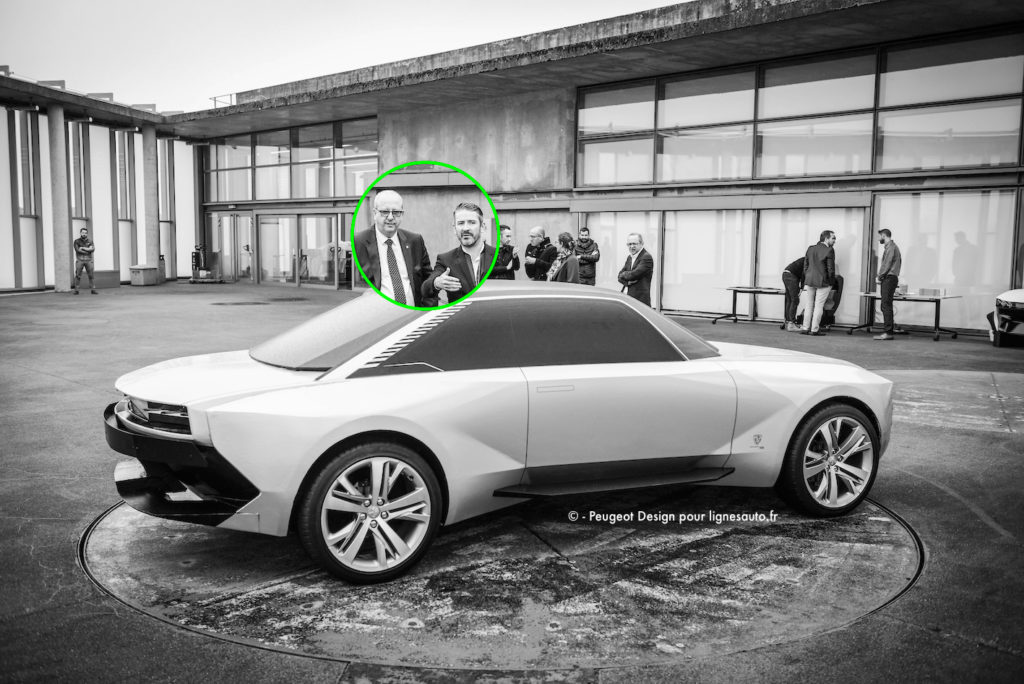
The Vidal-Imparato duo was reunited, as Gilles had previously served as the brand’s design director and Jean-Philippe as Peugeot’s director. We owe this duo some remarkable models, including the fabulous e-Legend concept car shown above. Everything was looking good until, on 8 October, six days after Vidal took up his post, Jean-Philippe Imparato was appointed head of the Maserati brand and replaced as head of the enlarged Europe region and European brands by Emanuele Cappellano. Jean-Philippe Imparato now reports to Cappellano, as does Gilles Vidal. Italy is regaining strength in the Stellantis organisational chart, to the delight of some and the dismay of others…
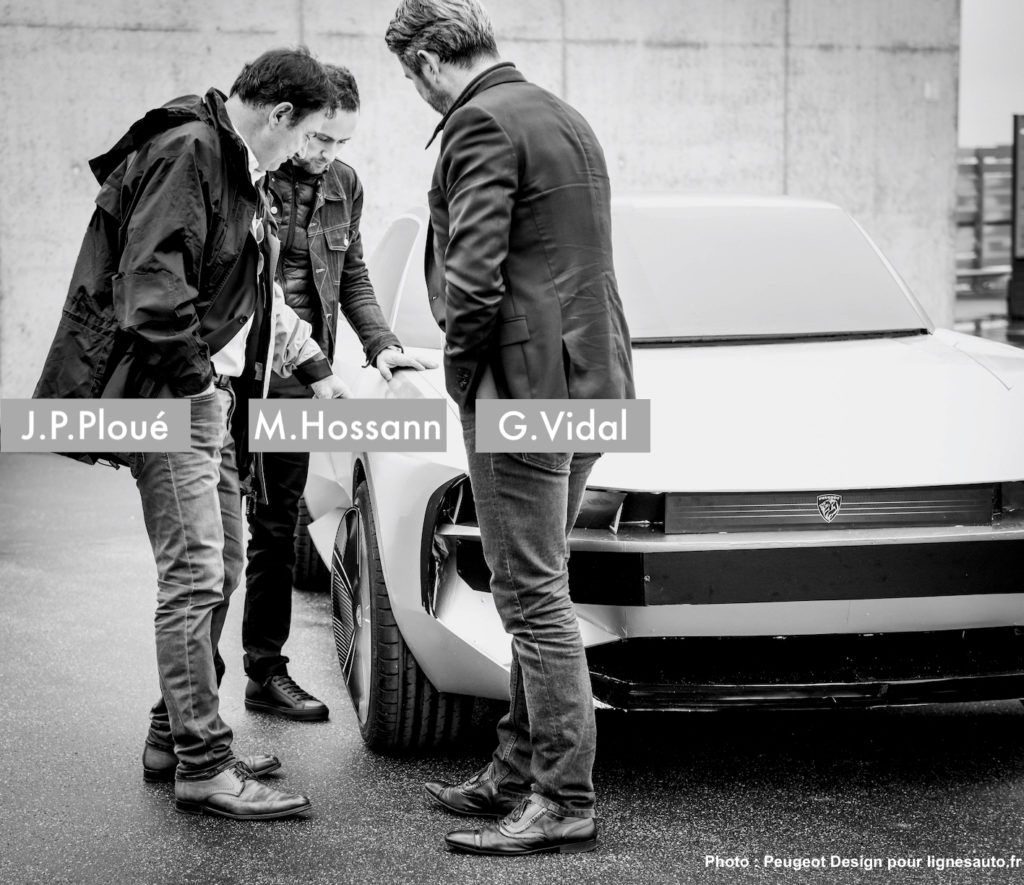
And where does Ralph Gilles fit into this organisational chart? Jean-Pierre Ploué’s former alter ego for the United States was appointed Chief Design Officer on the same day, 8 October 2025. In other words, he is now the head of global design at Stellantis. He took advantage of this announcement to appoint Scott Krugger as head of design for the American brands within the Stellantis group. Scott Krugger therefore has the same responsibilities as Gilles Vidal, but for brands across the Atlantic. The days when Jean-Pierre Ploué dealt almost directly with Carlos Tavares are definitely over…