
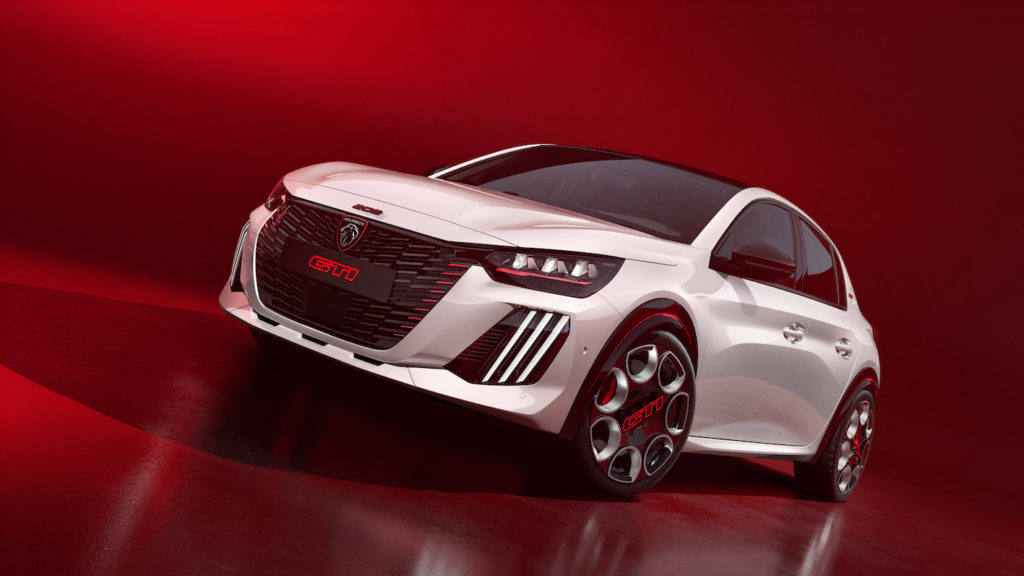
With a Peugeot stand at Retromobile 2026 filled with multiple GTIs, including the upcoming e-208 GTI below, the Sochaux-based manufacturer confirms its desire to reclaim a legitimate and unjustly abandoned territory. However, the very essence of the brand’s dynamism and sportiness does not date back to the GTI years alone. With its coupés and convertibles from the mid-1950s to the 1980s, some of which were equipped with V6 engines, Peugeot has always been a presence in this market.
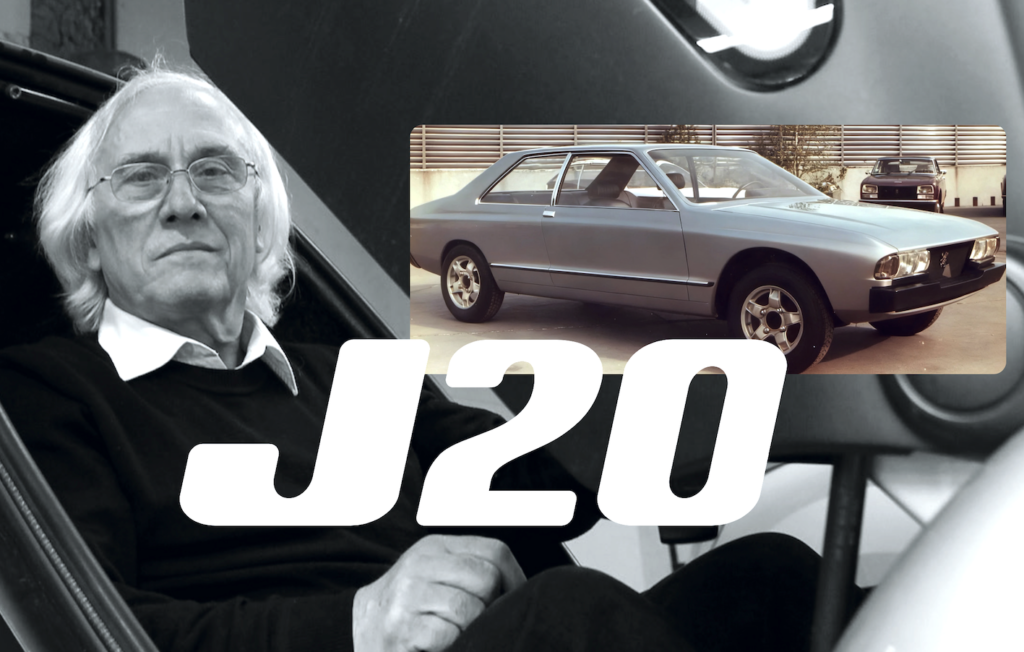
Today, in tribute to Gérard Welter, the former head of design for the brand who passed away on 31 January 2018, eight years ago, we reveal the behind-the-scenes story of a fabulous coupé that sadly never saw the light of day: the J20. This very sleek vehicle is considered to be the dynamic and sporty silhouette of Peugeot’s sprawling J programme. The latter was launched in 1969 with the aim of replacing the 404. In theory, it was to lead to the launch of the J18 saloon in 1974, with the J21 estate car to follow shortly afterwards.
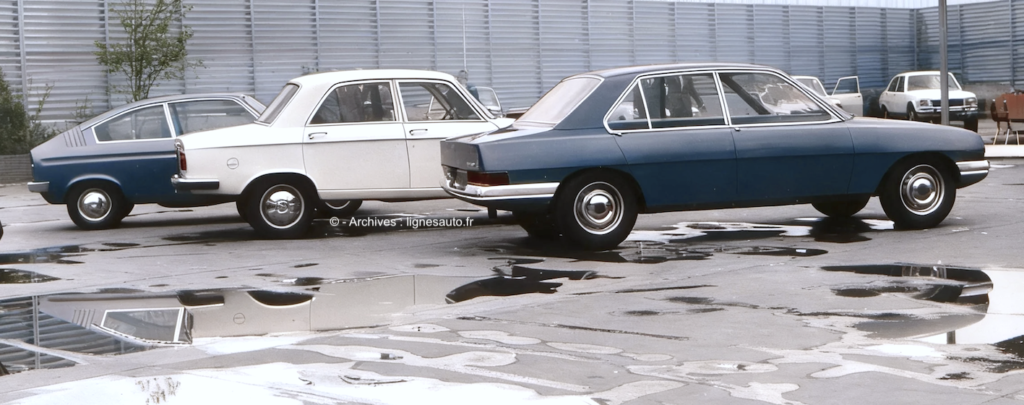
Our colleague Gilles Colboc, undoubtedly the most knowledgeable person on this project, wrote about its history in our book ‘Concept Cars and Prototypes from Peugeot’ published by Éditions BJB. Today, we take a closer look at the J20 coupé, which was originally part of this huge programme and announced for 1975, with these documents, some of which have never been published before. The J programme was ultimately abandoned and replaced by the 305 in 1977, based not on the new platforms of the J project (front-wheel drive and rear-wheel drive), but more modestly on that of the tried and tested 304.
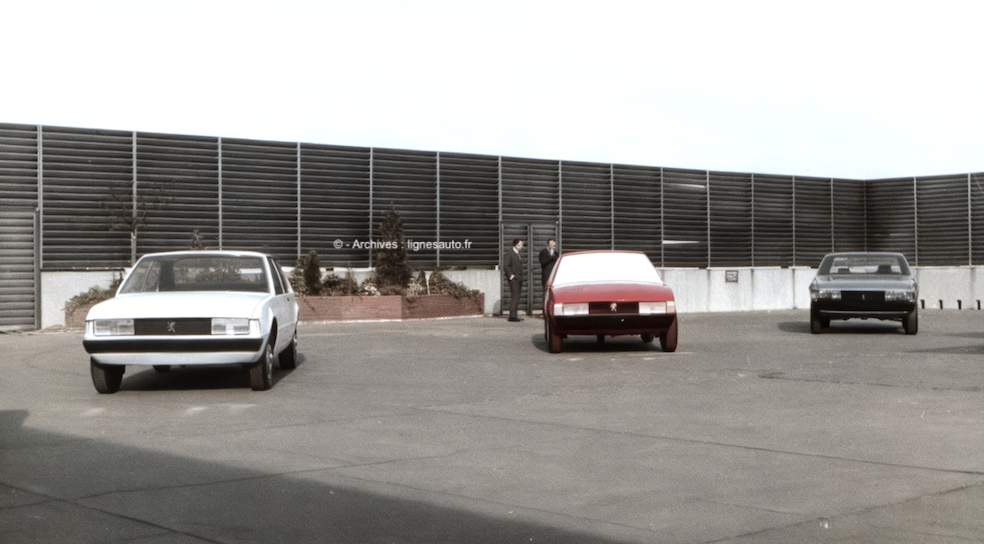
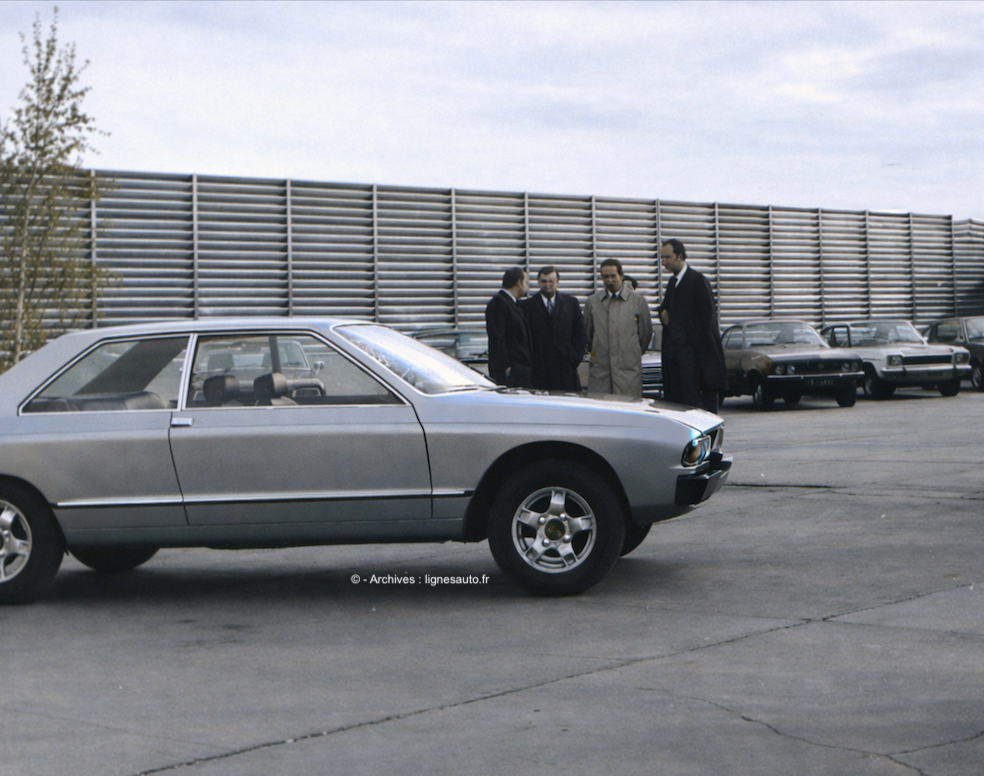
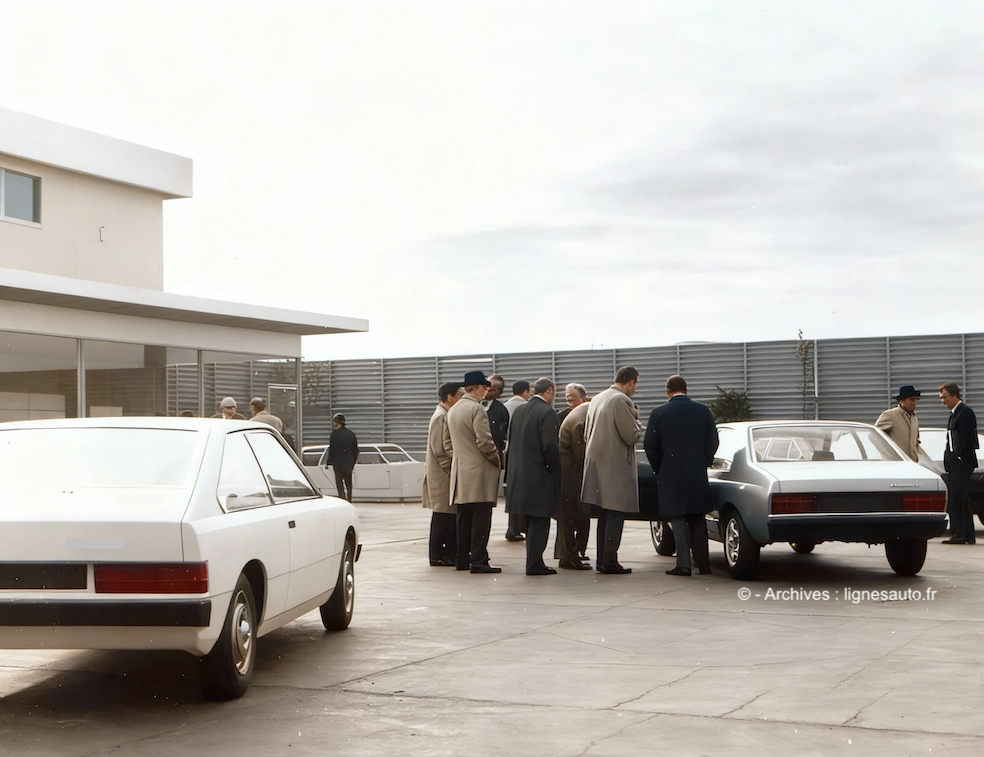
Gérard Welter, who remained faithful to Peugeot’s style for over 40 years, chose this platform from the outset to design his coupé. Or rather, his coupés, because on the day his models were presented (above), three themes were discussed. Of these three proposals, Gérard Welter pushed the idea of a large coupé to rival the Ford Capri and Renault 15-17, as suggested in an official note from Dominique Savey on the progress of the programme intended for the brand’s managers.
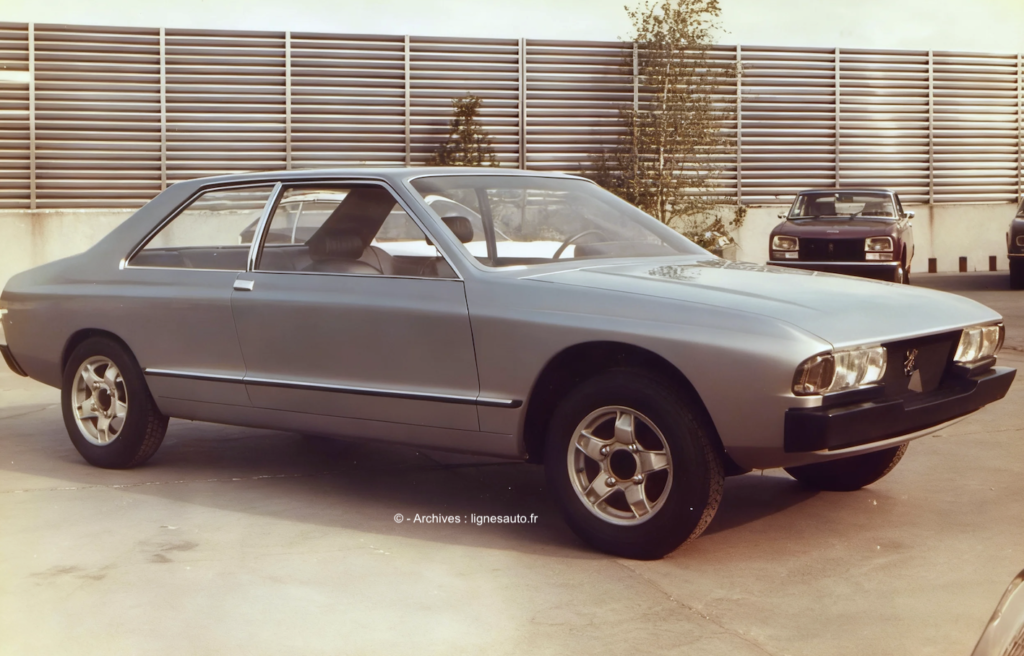
The product ‘is still hesitating between two possible designs for the Coupé J,’ explains this note from Gilles Colboc’s archives: “either a small coupé 4 m long, similar to the 304 coupé with a tailgate and folding rear seat, with a 7 or 8 hp engine. Or a large coupé measuring 4.25 m to 4.30 m in length, similar to the Capri or R15-R17, with several engines: XL5, XR, ZB-ZC. The note specifies that the large coupé ‘could generate high sales volumes’. It adds that the Ford Capri achieves sales of 300,000 units per year and that Renault ‘forecasts up to 85,000 vehicles per year for the R15-R17, which is significantly more expensive.’
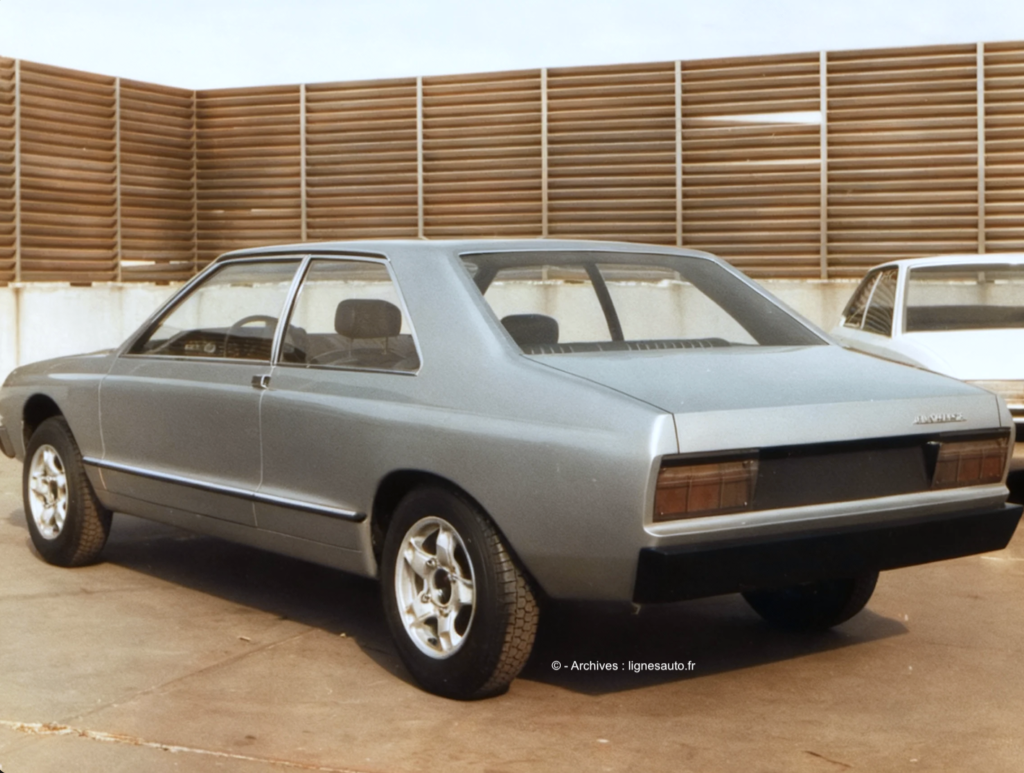
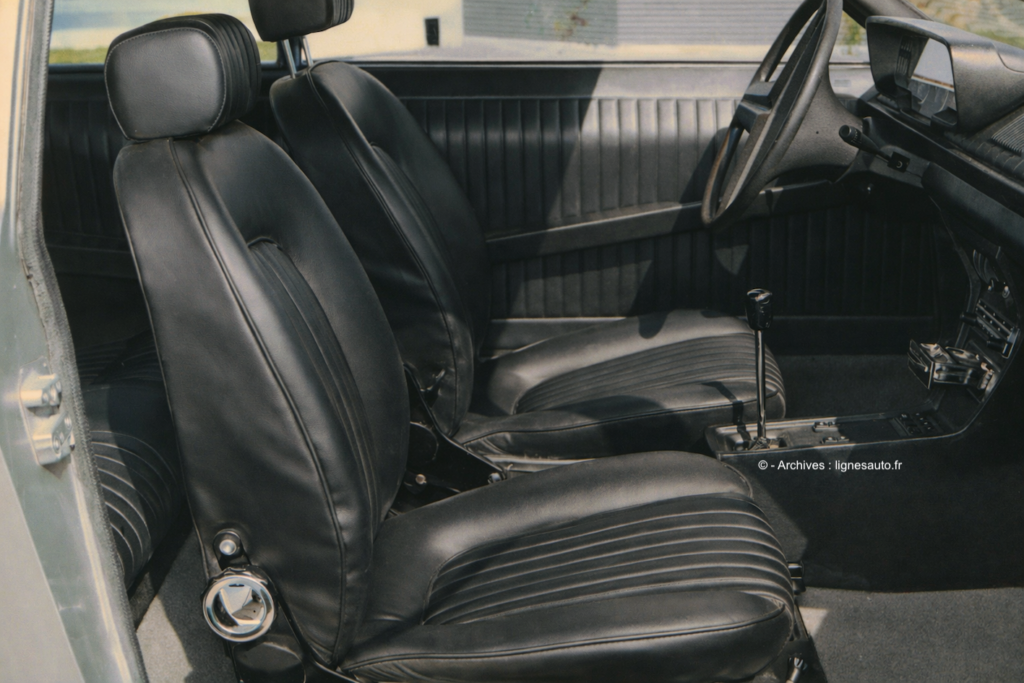
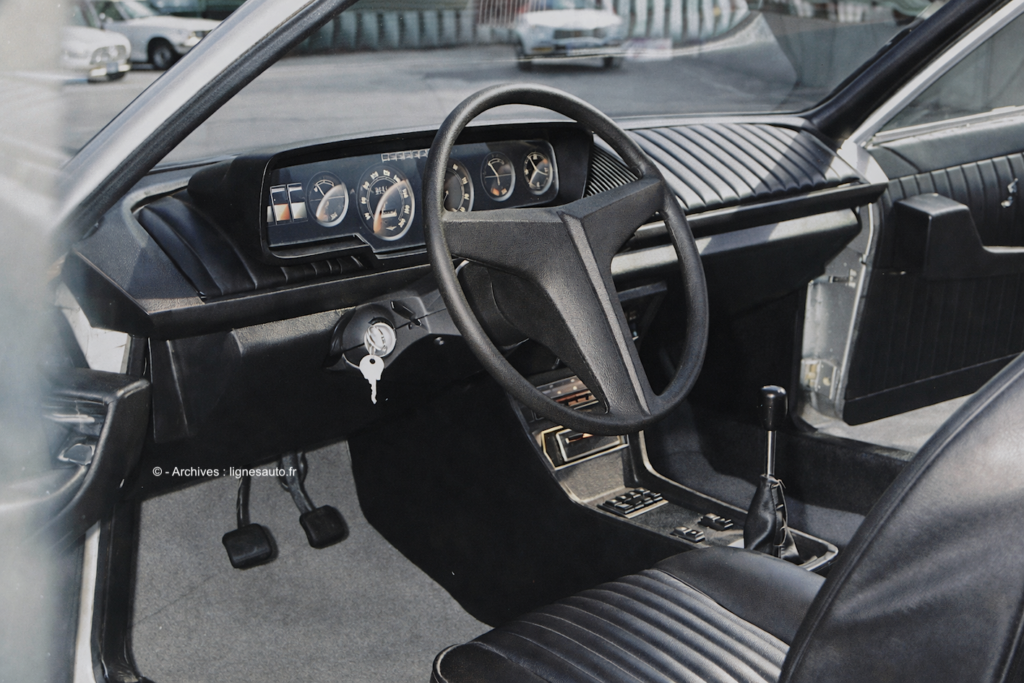
Gérard Welter has clearly chosen his side: it will be the large coupé measuring 4.25 to 4.30 metres in length shown above. This is the complete model (exterior and interior) in blue-grey on our documents, while the small coupé is red. The white proposal is clearly an intermediate proposal.
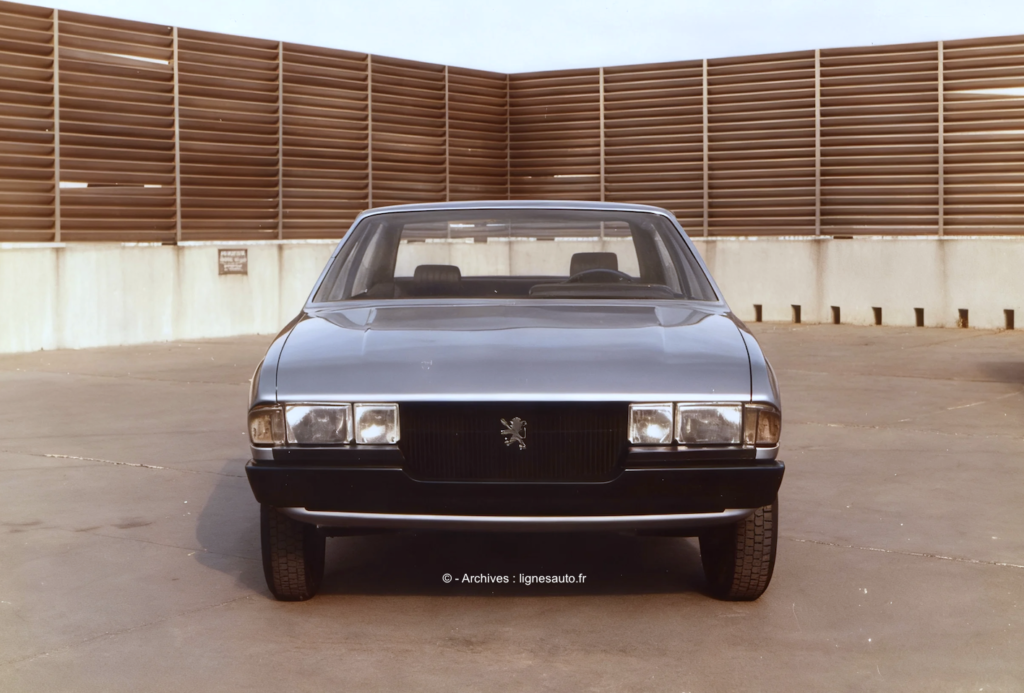
Based on the 304 platform, the Welter coupé was front-wheel drive, but nothing was set in stone at that stage, as the same memo expressed concerns about the success of such a coupé. It stated that its success would depend on “several different engine sizes and power ratings, particularly in order to establish a certain image for the model. If it could not be equipped with the Douvrin engine (the engine shared by Peugeot and Renault, designed following agreements between the two manufacturers signed in 1966), its distribution would be limited.“
In an attempt to address these uncertainties, Peugeot proposes considering “a J coupé with conventional rear-wheel drive, as this formula would offer several advantages: all the mechanical components already exist, the range of possible engine sizes goes from 1.6 to 2.0 litres, and this coupé would probably face less competition from the saloons in the range than a front-wheel drive coupé. ‘ It concluded that ’the J range, for which the choice between front-wheel drive and conventional rear-wheel drive is particularly difficult, would thus include both options but with different body styles.” It is clear that this J programme did not seem to be fully under control in the early 1970s.
And what about design? Pininfarina was very involved, of course, but mainly on the saloon derivatives of the J project. And as Gérard Welter revealed to us when we were writing our book on his double life, ‘Peugeot design – WM team at Le Mans’, Mr Boschetti, then head of research, “hired me, but although I respected him greatly, it would be fair to say that he was not someone who was a real ally in supporting our style against the Italians.” Gérard Welter had the opportunity to present his coupés to Forichon, who had replaced Boschetti as head of research.
Paul Bouvot was then Peugeot’s head of design. Gérard Welter would say that “Paul always wanted to reconcile his desire to see his team’s proposals win the approval of Peugeot’s management with a genuine respect for the Farinas. For him, they were the best Italian coachbuilders. This ambiguity would haunt him until the end. When he left Peugeot and handed over his position to me, he was intellectually worn down by this ambiguity.”
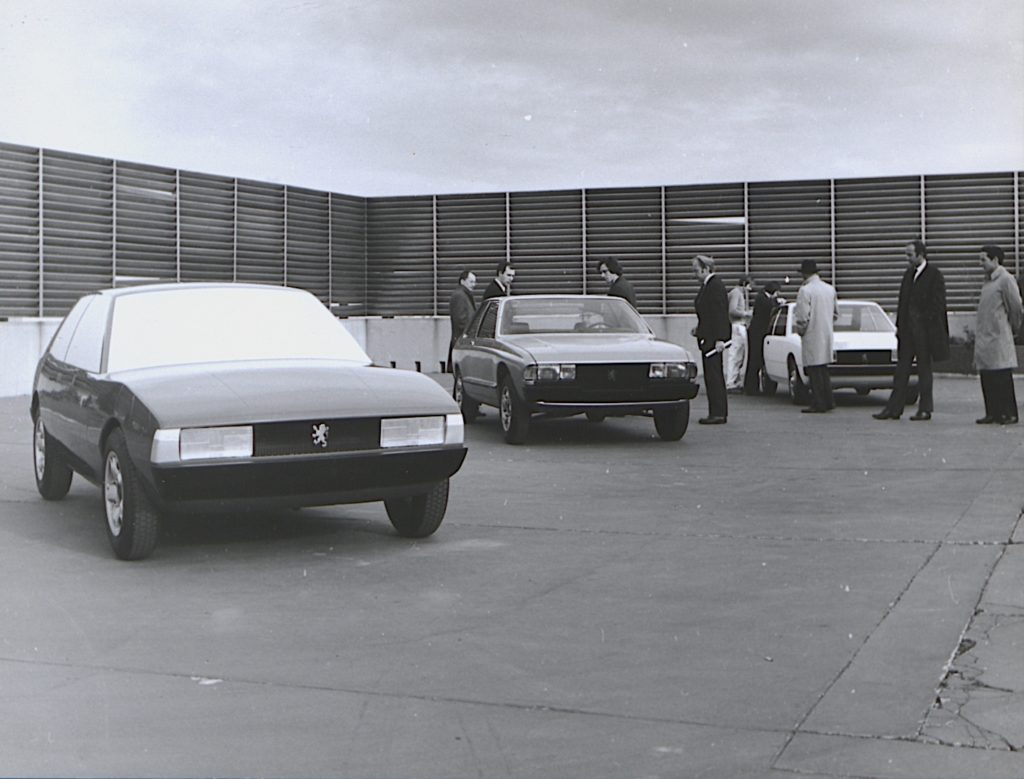
In the black and white document above, we can see François Gautier, the boss, at the wheel of Gérard Welter’s model of the J coupé. In white gabardine, with a hat on his head, is Marcel Dangauthier, Peugeot’s director of research in 1956 and then scientific advisor to PSA before his retirement in 1977, the year the 305 was unveiled. And since this project, which seemed very successful at the time, is intended to pay tribute to Gérard Welter, let us recall these words about his creation. ‘A coupé allows us to dream. The senior management analysed and appreciated it, but the J project was halted, leading to its demise. The 305 was released and we stopped all further development.’
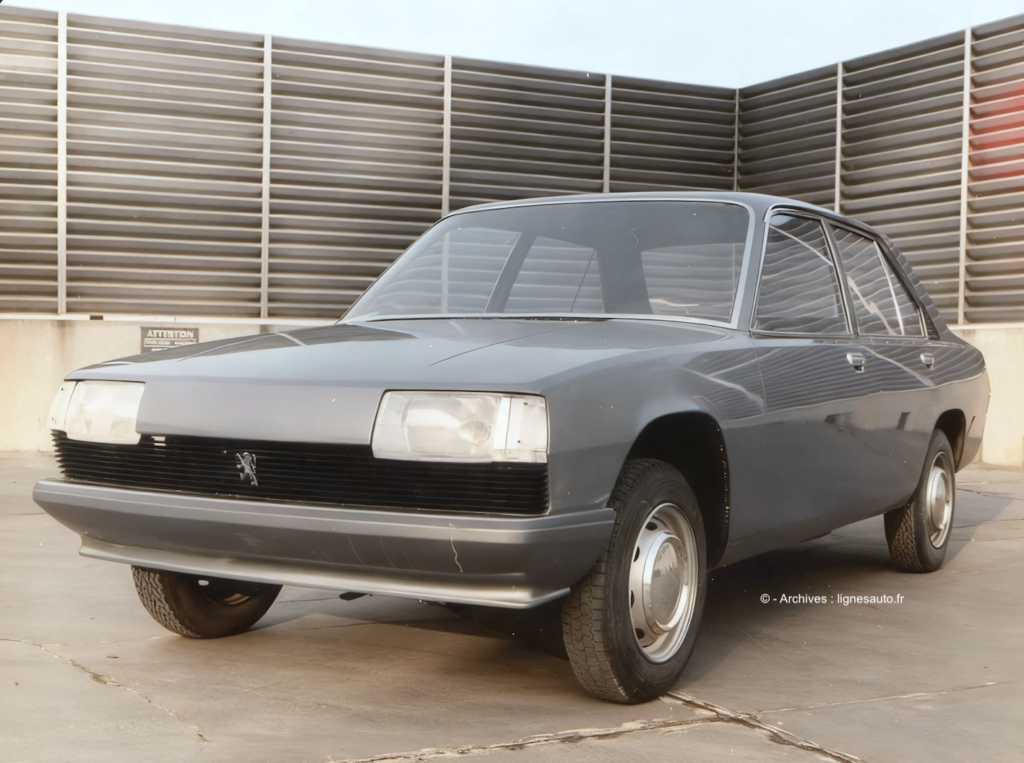
As for the saloon car at the heart of this major J programme, Gérard Welter tells us that “it was a Pininfarina design that was chosen, with a very new and unusual style compared to what we were doing. Of course, at Peugeot Design, we worked on this project, but it was at a time when Francis Rougé came to power and had had enough of this endless study! Francis Rougé, who originally negotiated the agreements with Renault alongside François Beullac, died suddenly in 1976, before the arrival of the 305.
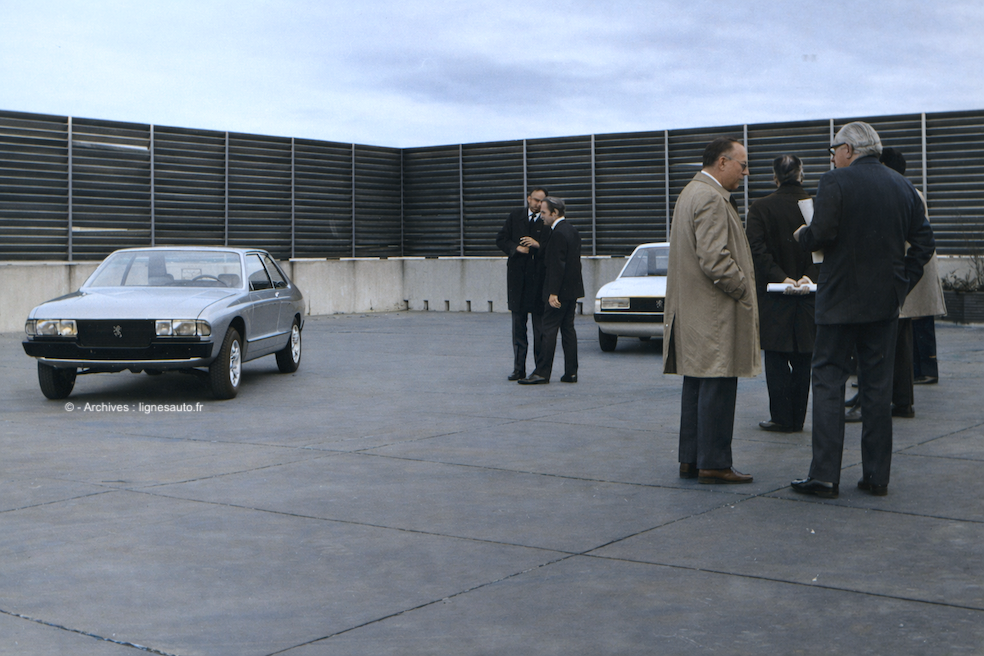
Gérard Welter has one last word to say about his coupé. “We built it from scratch based on the technical specifications of the 304. But it could easily have been part of the J family if it had ever seen the light of day. The styling of this coupé is very sophisticated, with sides sculpted in the shape of a Coca-Cola bottle, a grille with headlights similar to those on the 504 coupé (and the future 604…) and very simple air intakes. It was very modern for its time, a small model that unfortunately never made it past the prototype stage. Any regrets? Not for the brand, which produced more than 1,310,000 Peugeot 305 saloons, which succeeded the J programme…