

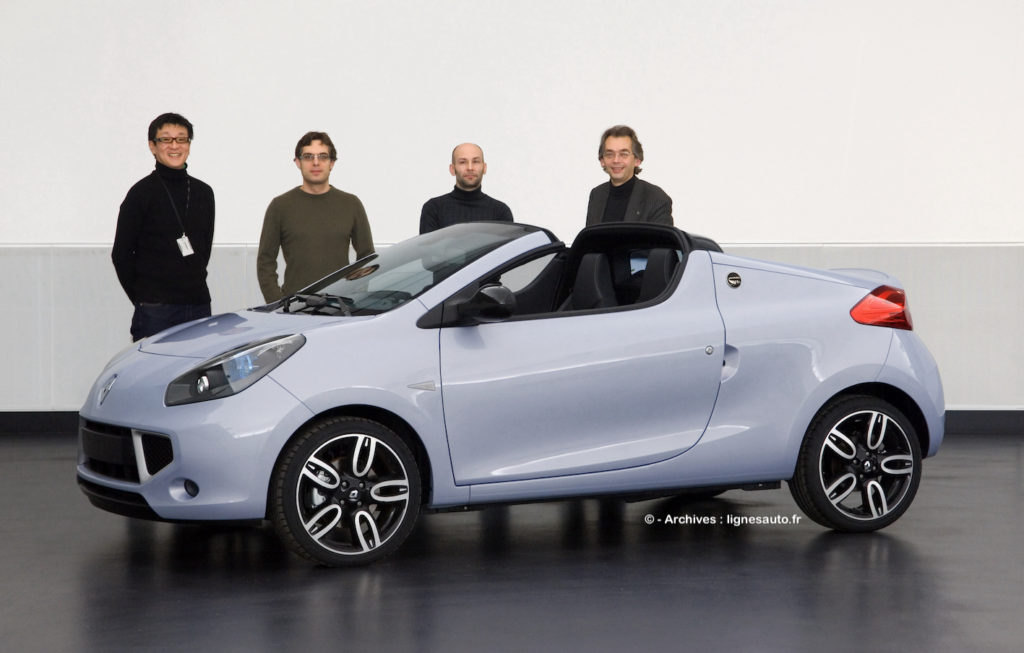
On paper, it’s the stuff of dreams: a two-seater Renault roadster that shares the concept of its ‘rotating’ convertible roof with… the Ferrari Superamerica! Even the product developers are rubbing their hands with glee, as this original little Renault is based on the Twingo platform, with carry-over features that will lower development and production costs.
It is precisely because it drew too heavily on the Twingo II that the Renault Wind – because that is what we are talking about here – was not a success. Added to this is a market that has not lived up to expectations and in which, alongside Renault, Ford with its StreetKa and Opel with its Tigra TwinTop have also failed.
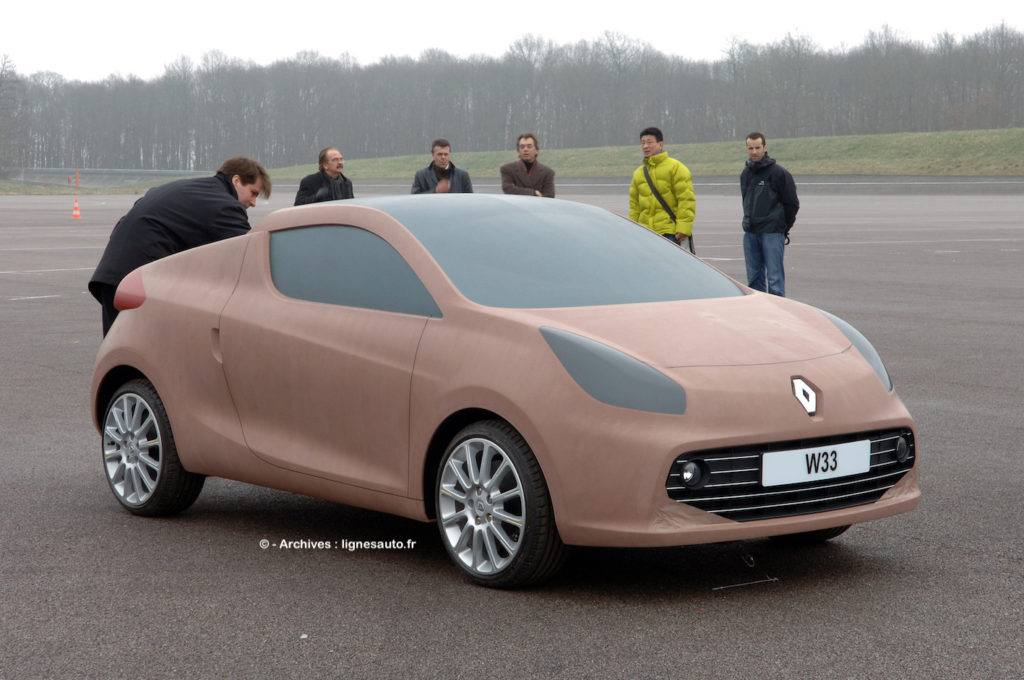
As always, it’s difficult to judge the facts without stepping into a time machine. The ticket isn’t very expensive, because all you have to do is go back 15 years, when the Renault Wind was launched. Of course, you’ve chosen the full-option ticket, so you get extra time to land in the mid-2000s, when the W33 programme was launched.
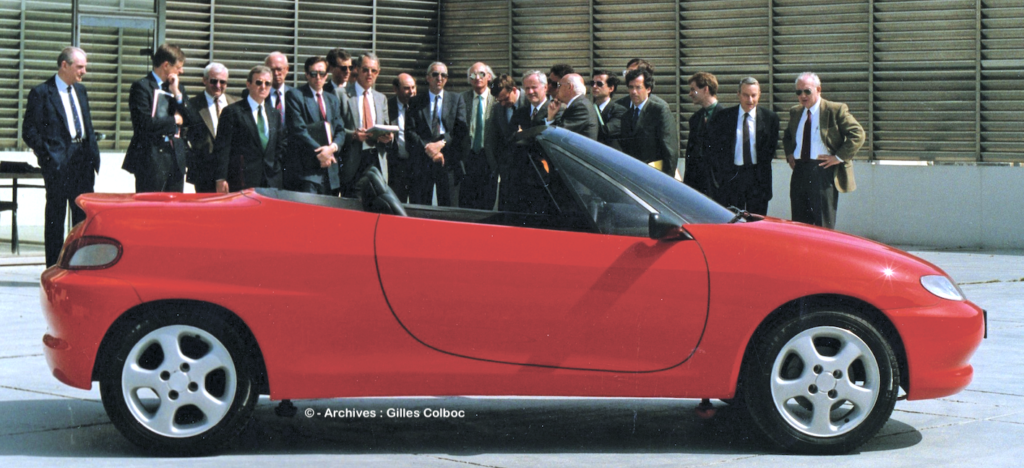
It has been barely five years since the Peugeot 206 CC star burst onto a virtually non-existent market (convertibles in the B segment) and created a pleasant surprise with its retractable roof designed by Heuliez. The project had been in the pipeline at the Deux-Sèvres-based coachbuilder for several years. Heuliez also produced a model of a spider based on the Peugeot 106 below in 1991, but it never went into series production.
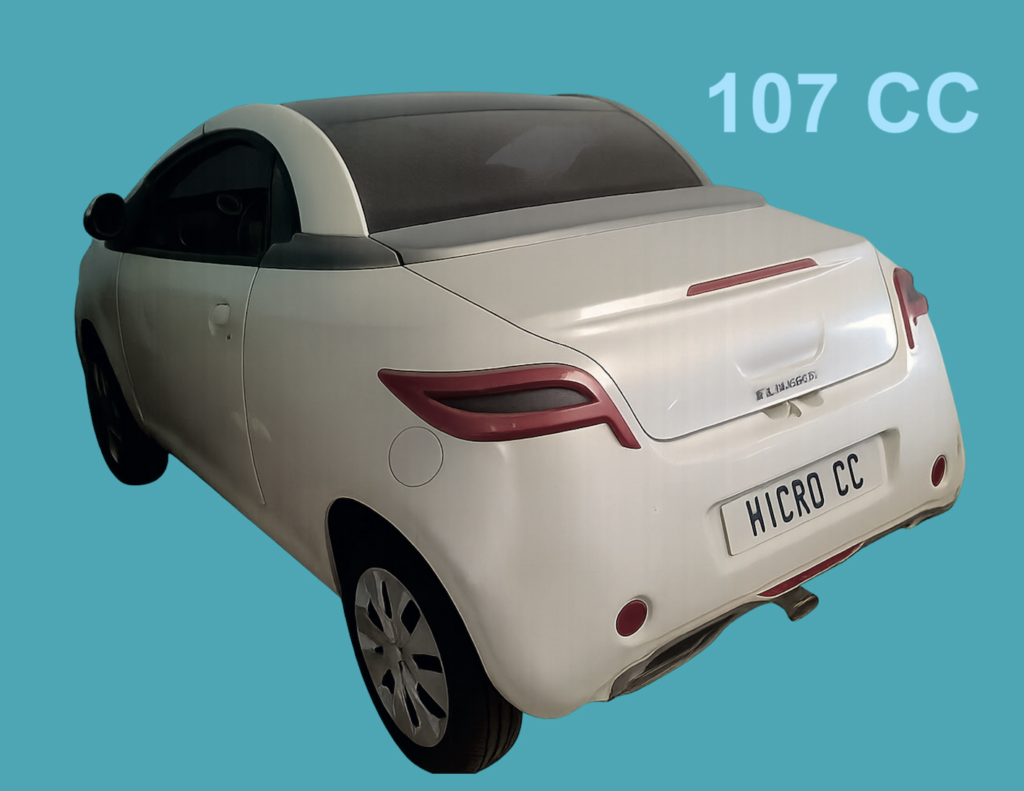
However, once the 206 CC was launched in 2000 – around five years before the start of the W33 project – Peugeot multiplied this concept ad nauseam, with the 207 CC, 307 CC and 308 CC, not to mention the ‘mini CC’ programme based on the small Peugeot 107. This project was ultimately abandoned.
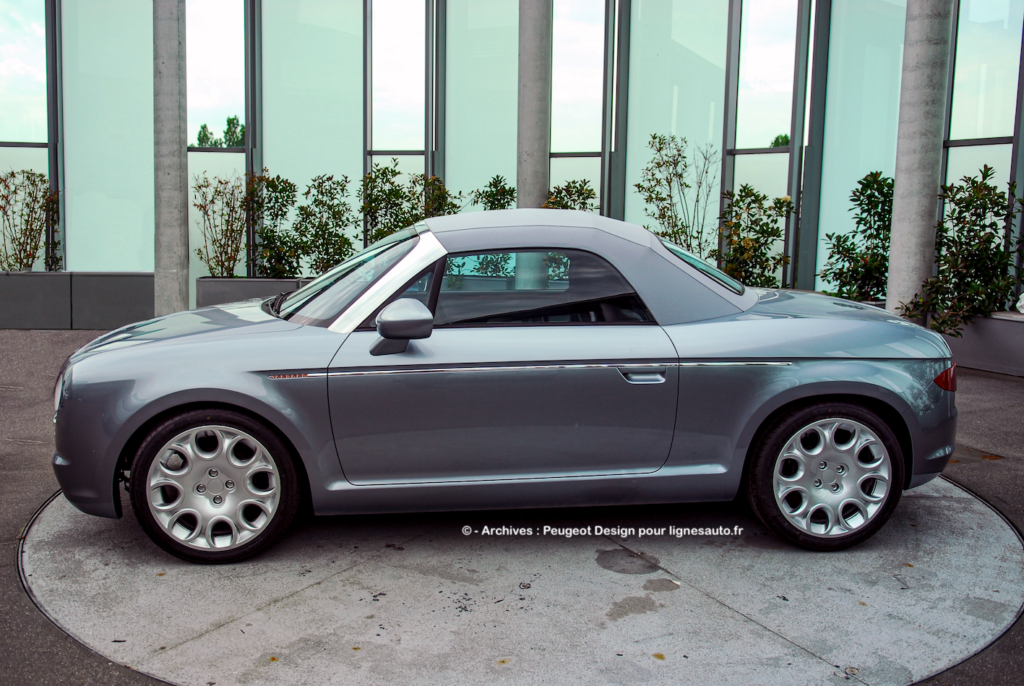
In 2008, Peugeot design passed from Gérard Welter to Jérôme Gallix, who, well ahead of Renault, attempted to play on positive nostalgia and reincarnate the spirit of the 204 Cabriolet. This project, which was part of the UD (Urban Distinctive) programme, never went into production, despite the attractive work shown below by designer Samuel Guinefoleau.
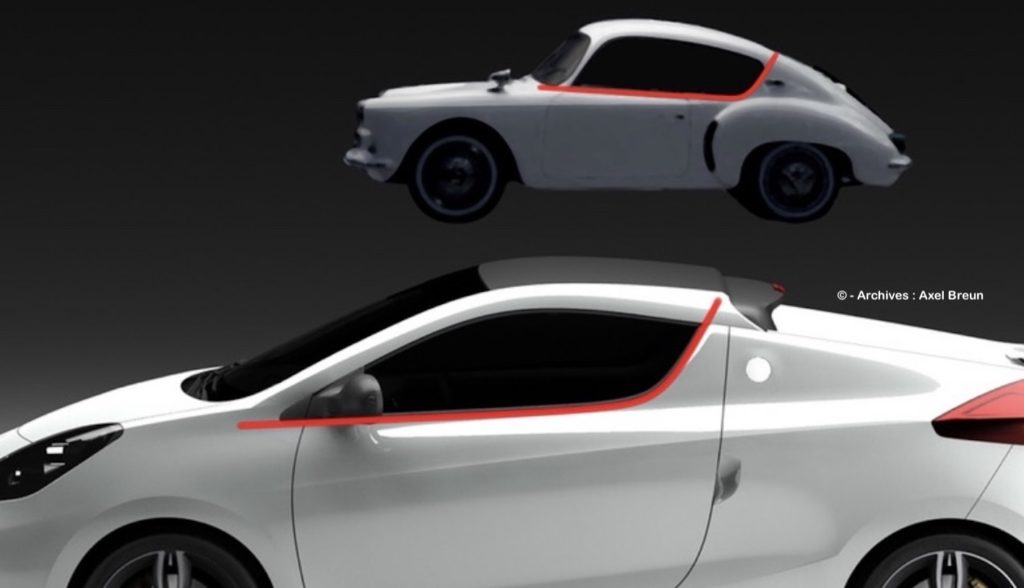
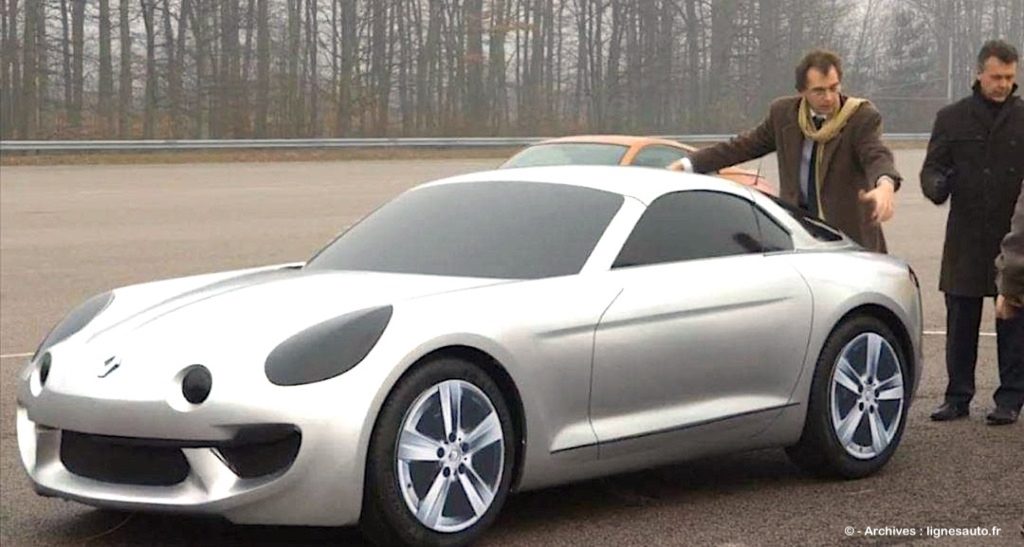
In this context, the W33 programme for the future Renault Wind seems entirely credible, especially since Axel Breun, who heads the eight-person team working on the project, is attempting to link it to the history of Alpine. He has revealed his initial aesthetic intentions with a design reminiscent of the profile of the small Alpine A106 below.
The aim is to soften the blow by working in parallel on the W19 project to revive the Berlinette (based on a Nissan front-engined model, not yet the 2017 Berlinette…) and explaining that the future Wind is a little sister to this future Renault/Nissan model. In short, the programme was launched, and who better to talk about it than Axel Breun? We asked him about this famous W33 programme.
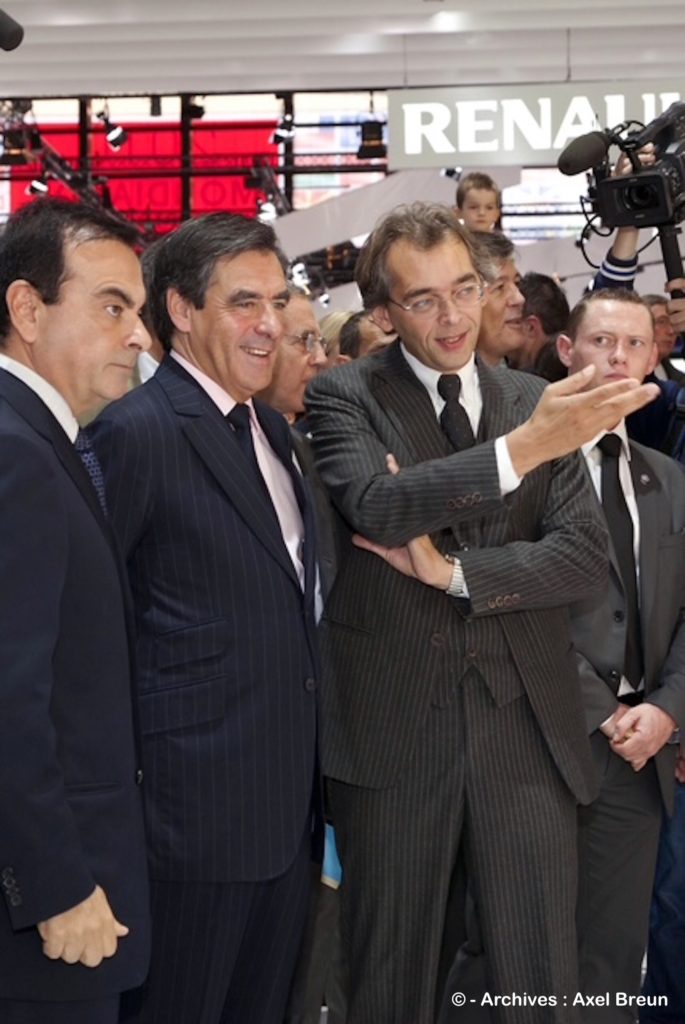
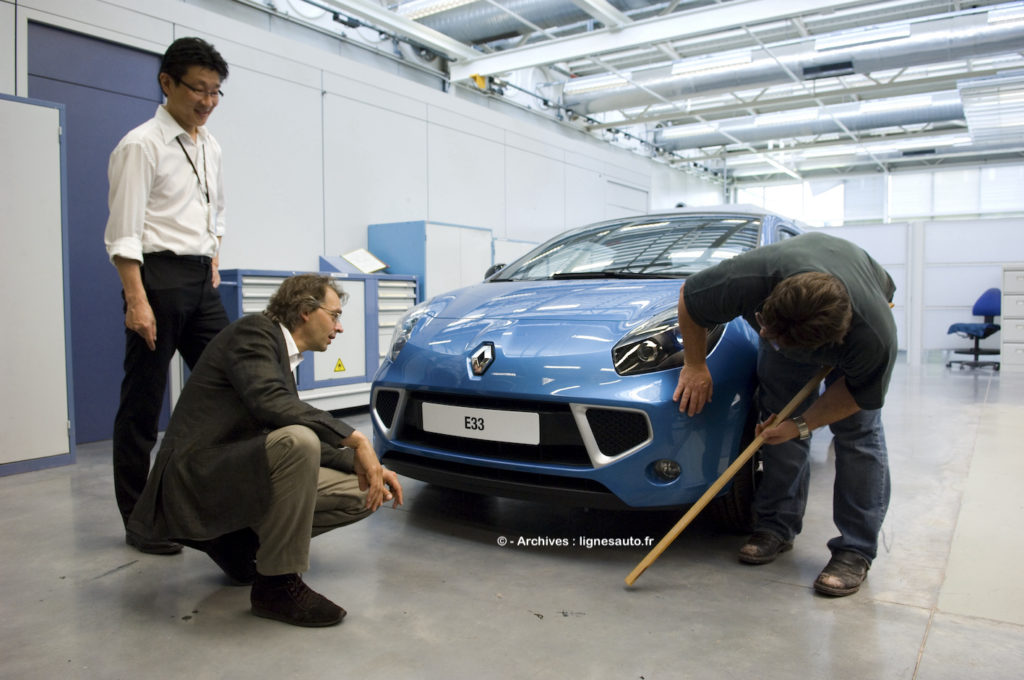
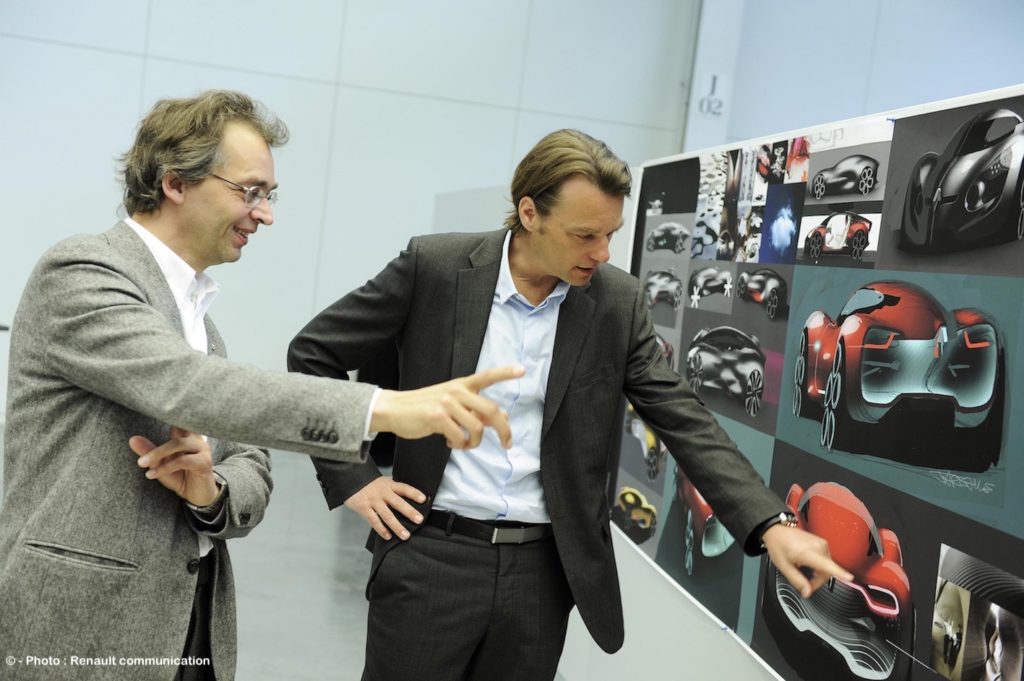
The story is all the more interesting because it coincides with the arrival at the helm of Renault of Carlos Ghosn, pictured above left… Ghosn began his review in the design studio with a bang, as Axel tells us. All this while the Renault Sport Technology team was presenting the new boss with the model of the W16 project, a sporty 2+2 with a raised mid-engine, and it didn’t go very well!
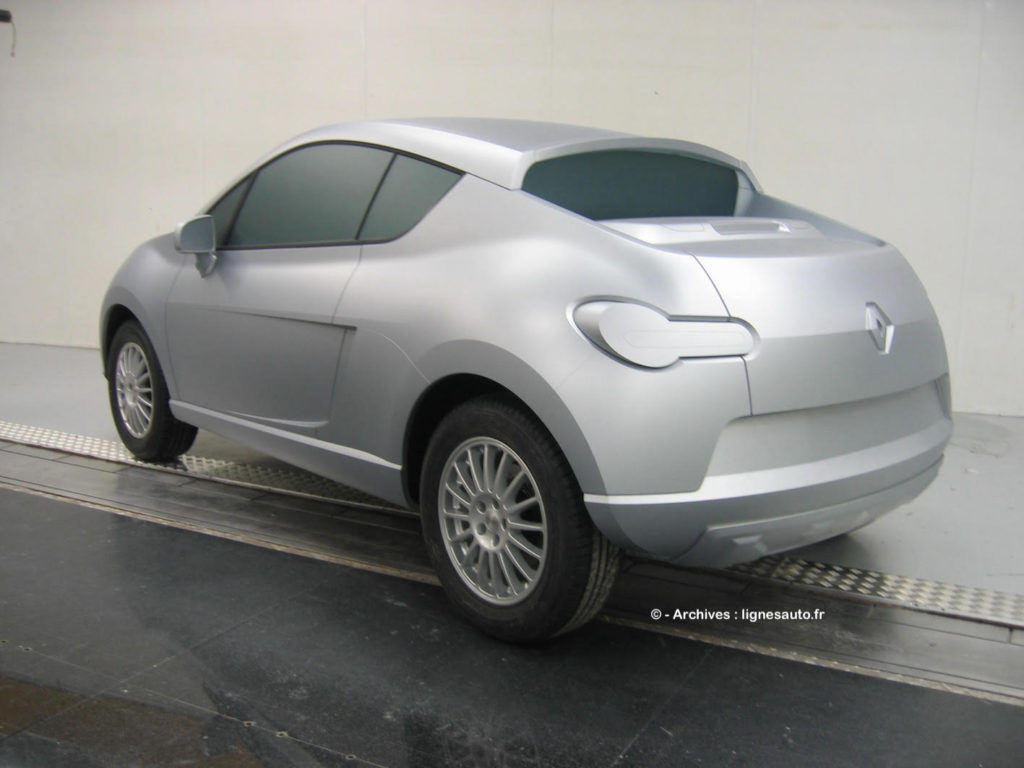
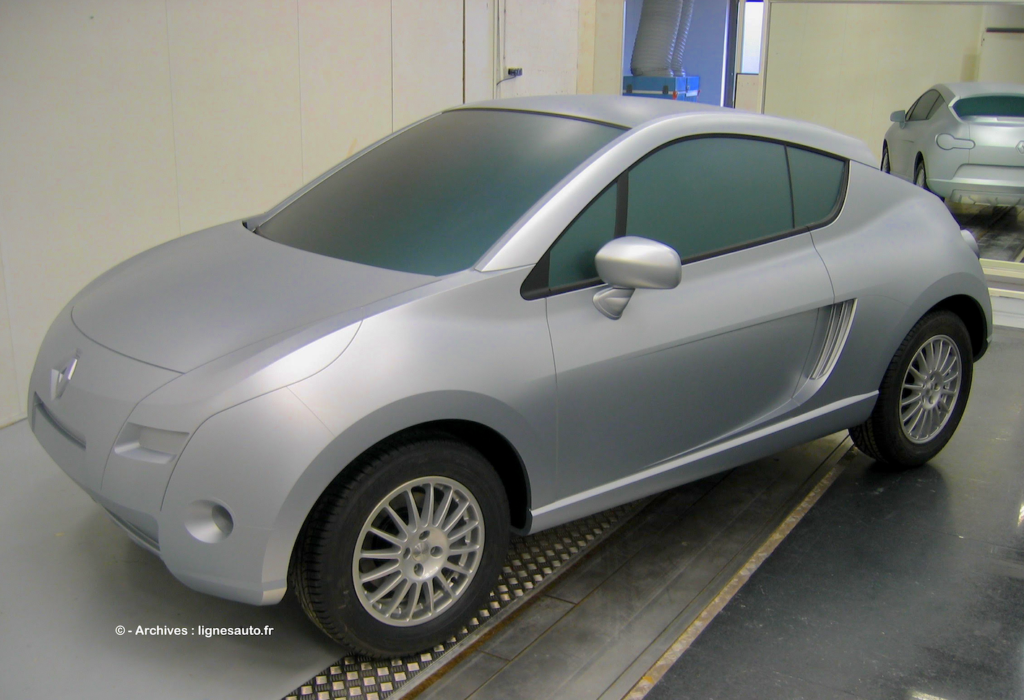
“That was when I was appointed design director for Renault Sport, and the first project I inherited was the W16 (above and below), originally designed by Antony Villain (now design director for the Alpine brand). We had just milled a model at Ital Design, which had set up a small modelling studio in the hills above Buc, not far from the Technocentre in Guyancourt. It was the first project we showed to Carlos Ghosn, and he rejected it immediately!“
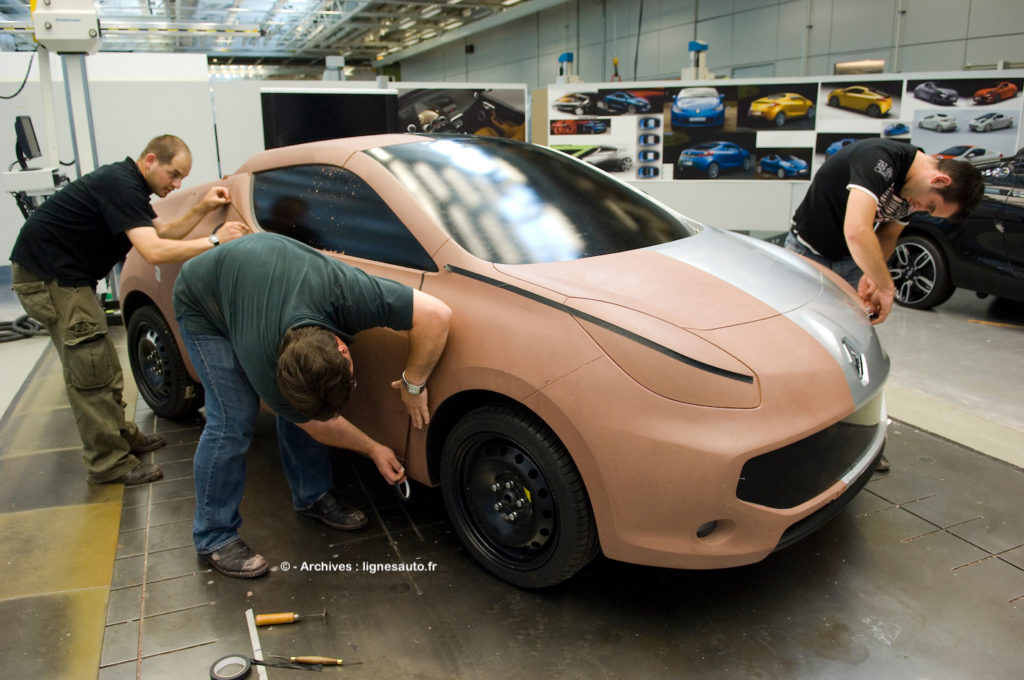
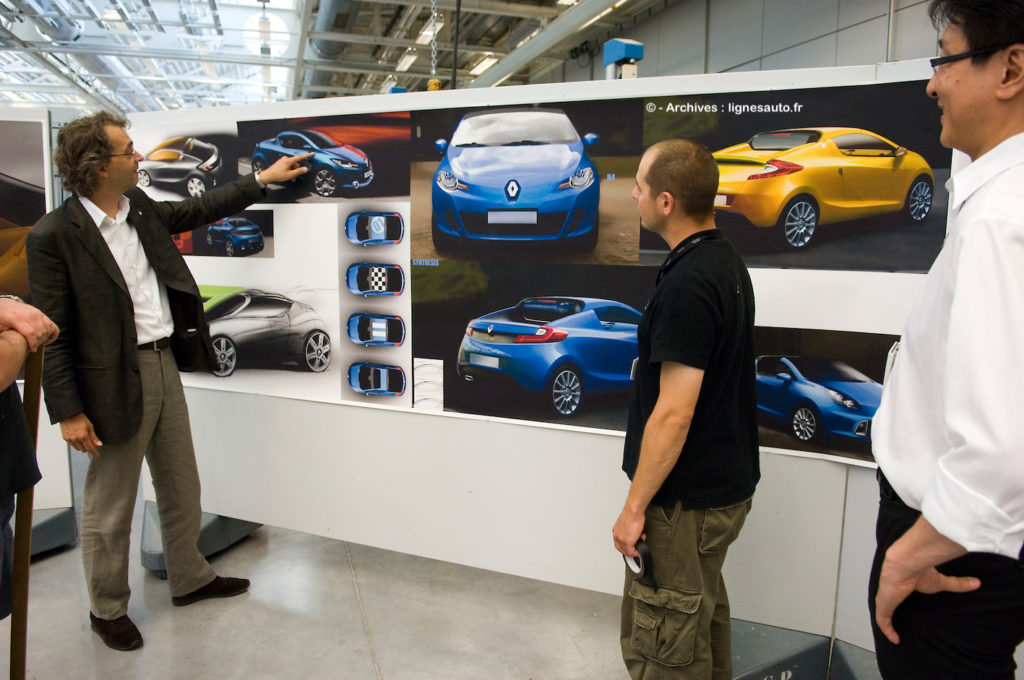
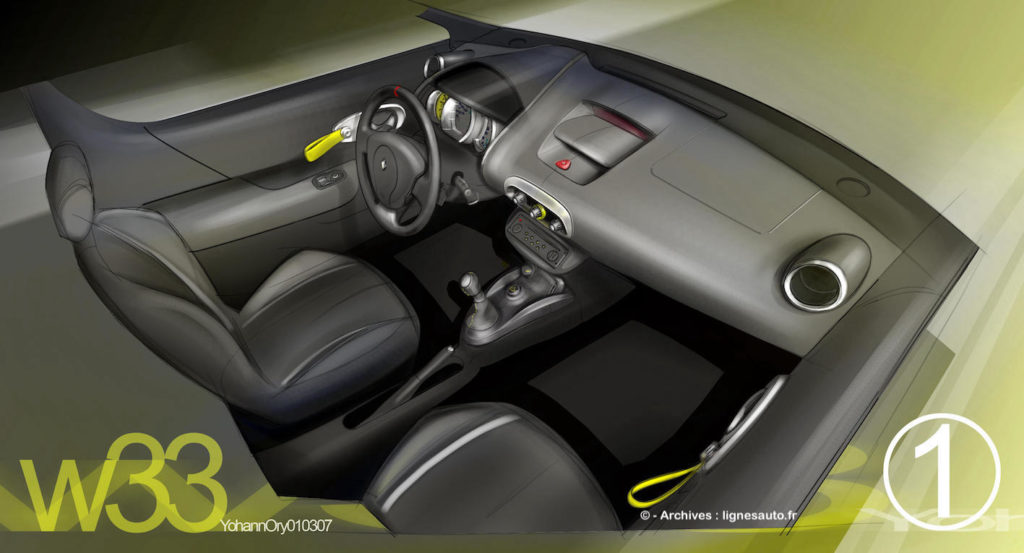
The collaboration between Carlos Ghosn and the design teams couldn’t have got off to a worse start! “It was very frustrating for the Renault Sport team… We had two other major projects in the pipeline at the RST design unit based at the Guyancourt design centre: the W19 for the potential new Berlinette and the famous W33 for the Twingo roadster. For the latter, there were originally two models: the one by Félix Kilbertus below with a canvas roof, and the one by Yas Suzuki with a rotating roof. The latter had an interior designed by Yohann Ory.“
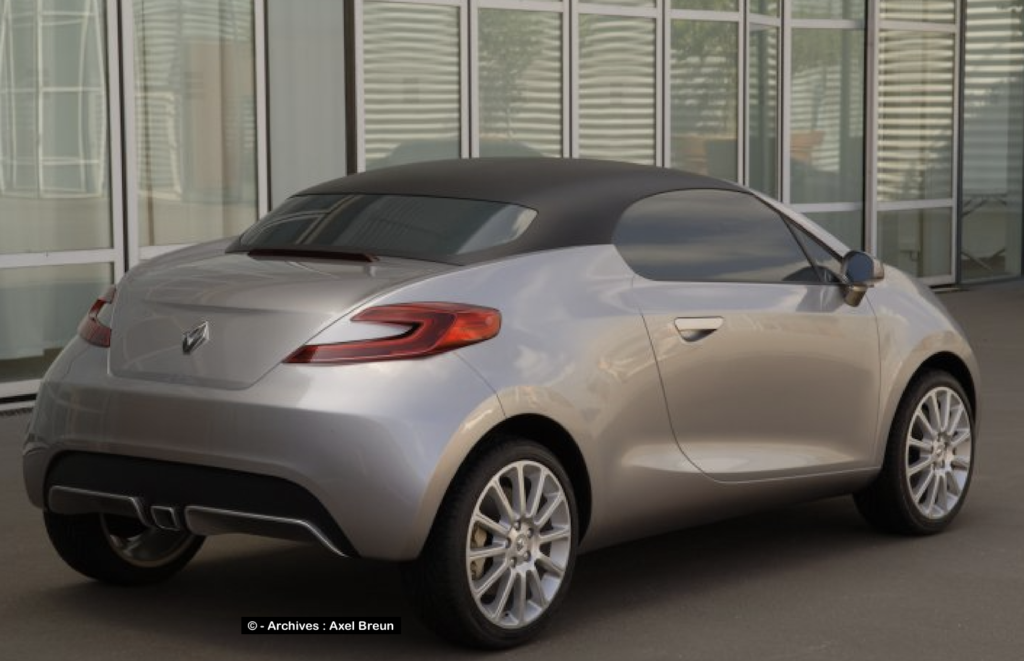
“These two models, produced in Courbevoie by D3, remained in competition before the rotating roof was finally chosen over the canvas hood. I convinced Patrick le Quément that this roof was in keeping with the innovative concepts that were in line with Renault’s image at the time. Patrick le Quément had his doubts, because Félix Kilbertus’ model was very well proportioned, whereas with the rotating roof, Yas Suzuki’s model inevitably had a slightly bulkier rear end. We hesitated, but Patrick le Quément finally approved the rotating roof proposal.“
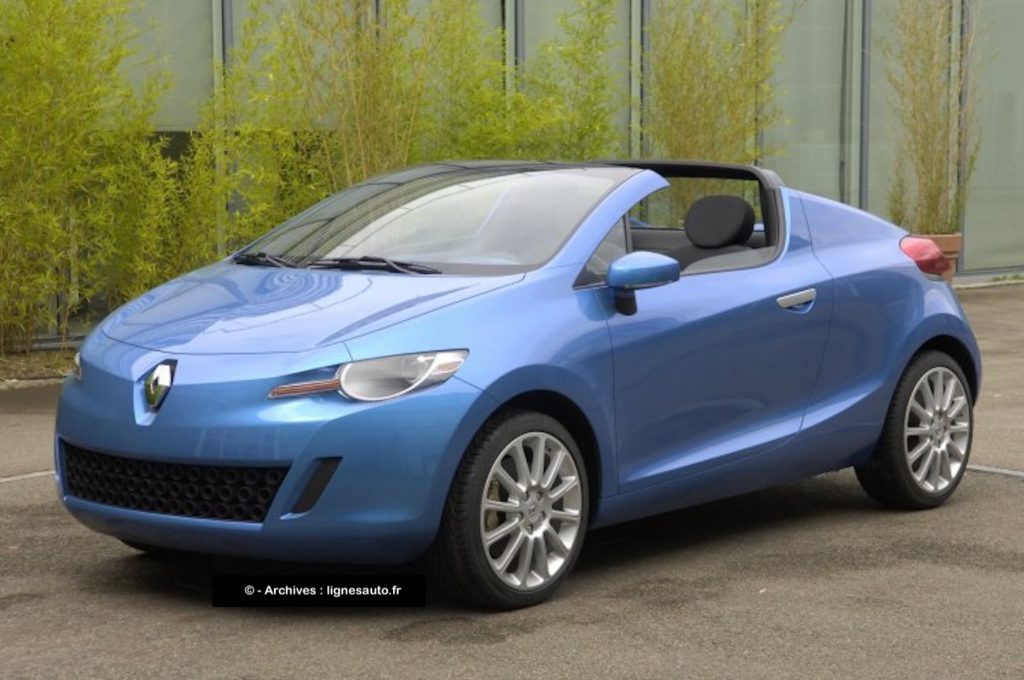
Patrick le Quément and Thierry Métroz then asked for changes to be made to this model, which was nevertheless highly appreciated by Axel Breun, Yas Suzuki and Fabio Filippini, in order to modify its slightly sensual, even feline, appearance. And therefore a little too Peugeot! It was replaced by the second orange model, also designed by Yas Suzuki with Axel Breun. It still featured the beautifully designed interior by Yohann Ory shown below. Ory, then a young versatile designer, even sketched some exterior styling proposals during the design selection process. These already included a few sketches with vertical headlights!
The second mock-up of the W33 project below features headlights that are almost vertical, “giving it the more masculine look that Patrick and Thierry wanted,” says Axel. This Wind, registered as “2007 DP 07” and built a few months after the blue version, was the only one present at the contract milestone meeting where the decision to go into production was to be made in the presence of Carlos Ghosn. Once again, things were not going to be very clear…
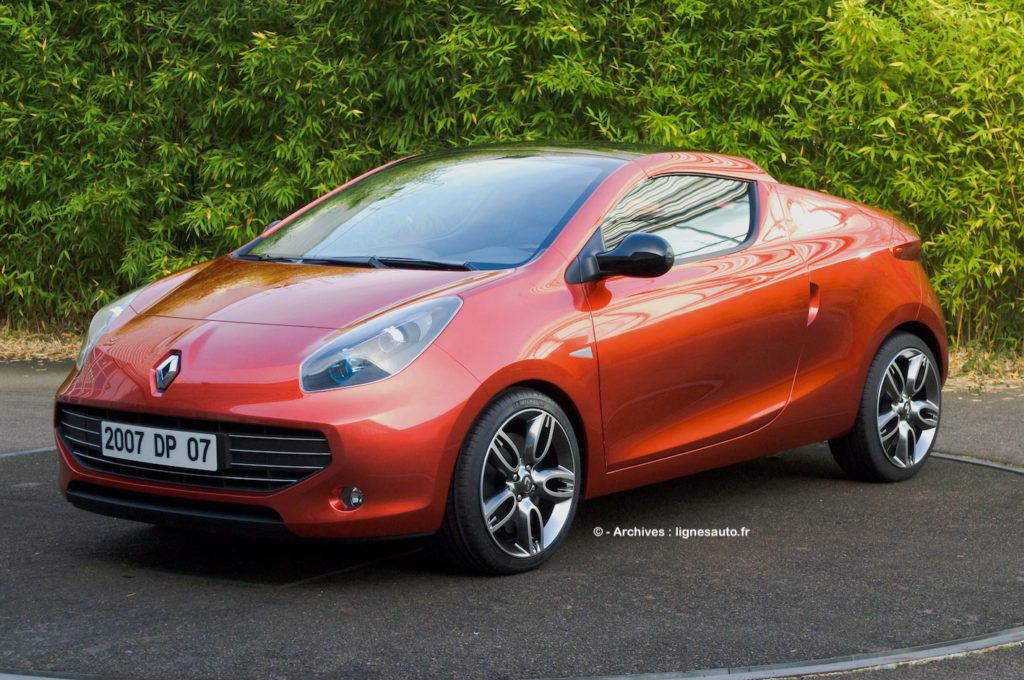
“We saw Carlos Ghosn several times in the design department because the front of the model underwent numerous modifications. I remember that during one of the many modifications, when the design was being finalised, I presented the orange model to Carlos Ghosn, who looked rather grim… Ghosn listened to me, and at one point, he looked me straight in the eye and said, “Yes, I’m listening to you, but that’s not it yet.” Even though the model was practically ready for production. I juggled things around a bit and saved the day after a few changes! But it was a moment of intense pressure!“
This pressure was all the greater given that, at the same time, the W19 programme for the future Berlinette, designed on a Nissan front-engined platform, was under consideration. Was the Wind’s W33 programme validated by the product or was it carried out outside the product plan, as a side project? “No, it was a real programme requested by Patrick Pelata. Everyone was enthusiastic, especially the programme director, Jacques Prost. But we couldn’t put the Alpine logo on it, because in the context of the time, it was practically forbidden to even mention the word!“
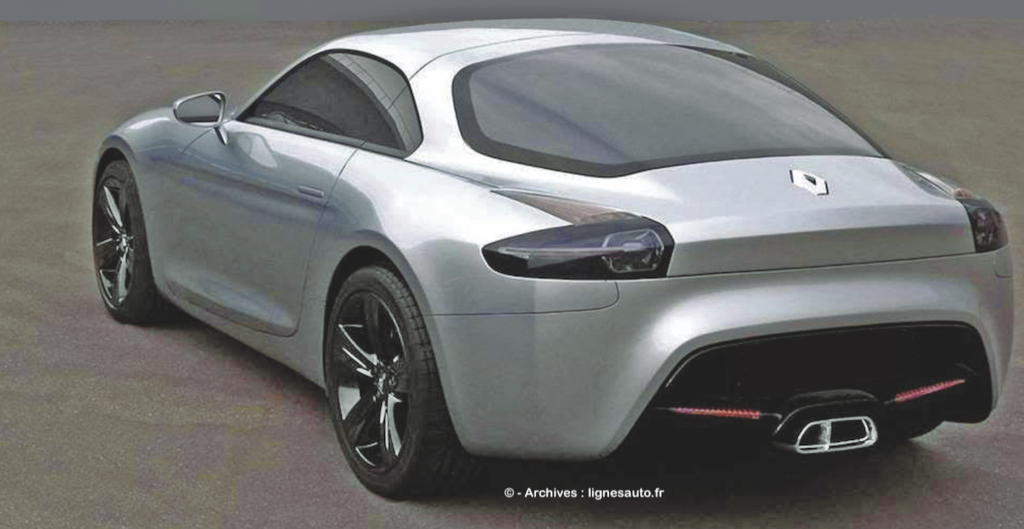
“Rémi Deconinck, the product manager, was against it, and within the company we were careful not to talk too much about Alpine (this was the mid-2000s and everything would change less than ten years later, NDA). There were a few issues with the W19 programme (Alpine/Nissan) designed at the same time as the W33 (Wind) because when I presented the model, I had to say the word “Alpine” more than 100 times, and Patrick Le Quément kindly pointed this out to me! In the end, the Wind (W33) was less controversial than the Nissan-based Berlinette (W19). The latter was still supported because it also concerned Nissan in the Alliance.“
While the W33 became the Wind in the real commercial world, the W19 Berlinetta project was put on hold. ”It was conceived at Nissan as a small Z, below the 350. That was our problem, because on the W19, we wanted to shorten the front bonnet despite the presence of the engine, whereas at Nissan, they wanted the opposite: a long bonnet!’’
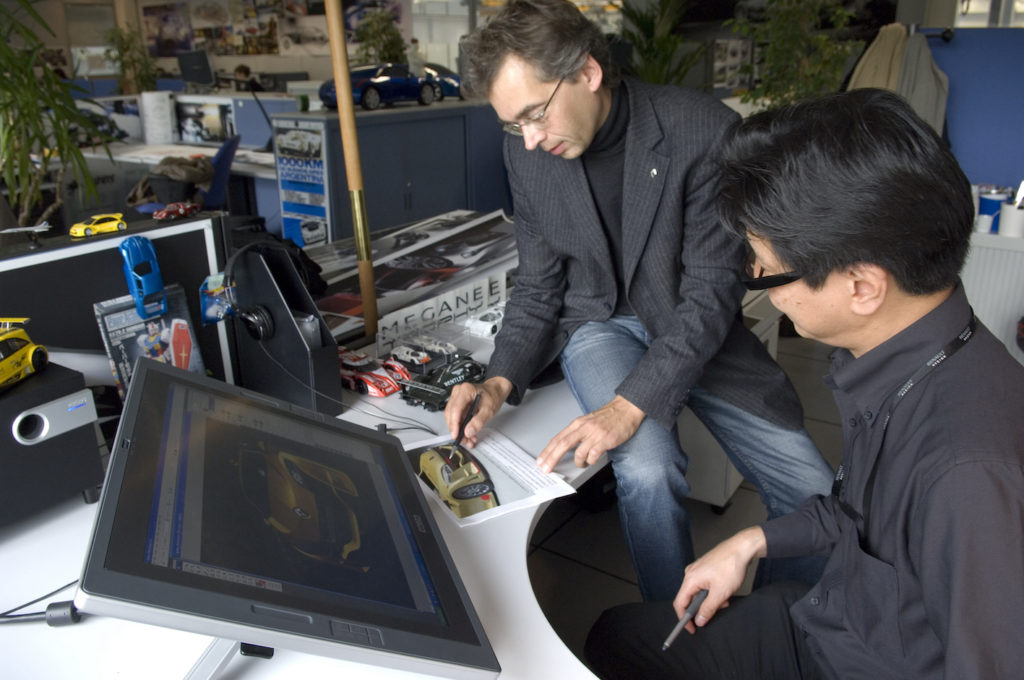
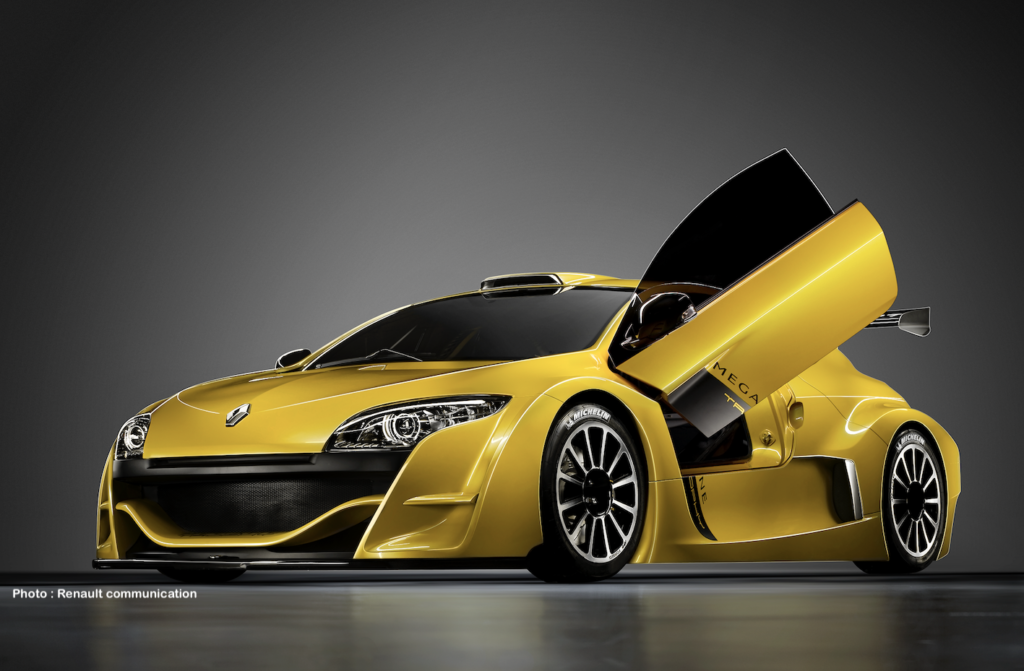
With this project shelved, Renault Sport Technologie’s design team had plenty to do with the RS derivatives of the Renault range and the competition versions. It will be remembered that the Mégane Trophy V6 below arrived on the tracks in 2005 as part of the World Series by Renault. At the same time as work began on the Wind!
After the Renault W19 ‘Alpine’ was scrapped, the Renault Wind was launched in 2010. Axel Breun tracked its performance on the market, where it ultimately sold just over 14,000 units, compared with nearly 370,000 Peugeot 206 CCs! Like the Ford StreetKa and Opel Twin Top, it was a failure. The commercial launch took place as Renault’s design management changed with the arrival of Laurens van den Acker in 2009, pictured below right. Shortly afterwards, Axel Breun took over responsibility for the concept car design team after leaving his position at RST. He thus followed the first concept cars of Laurens van den Acker’s famous ‘daisy’ strategy. The first petal of this family strategy (love, leisure, work, etc.) was the 2010 DeZir, which bore a striking resemblance to the Alpine! Definitely.
And it wasn’t entirely by chance. Behind the scenes, the Renault Sport team was working on a roadster version of the DeZir concept for series production: the Z1 project shown below. This also got quite far, with two technical architectures being studied (both 100% electric) and several models being produced. But once again, nothing came of it.
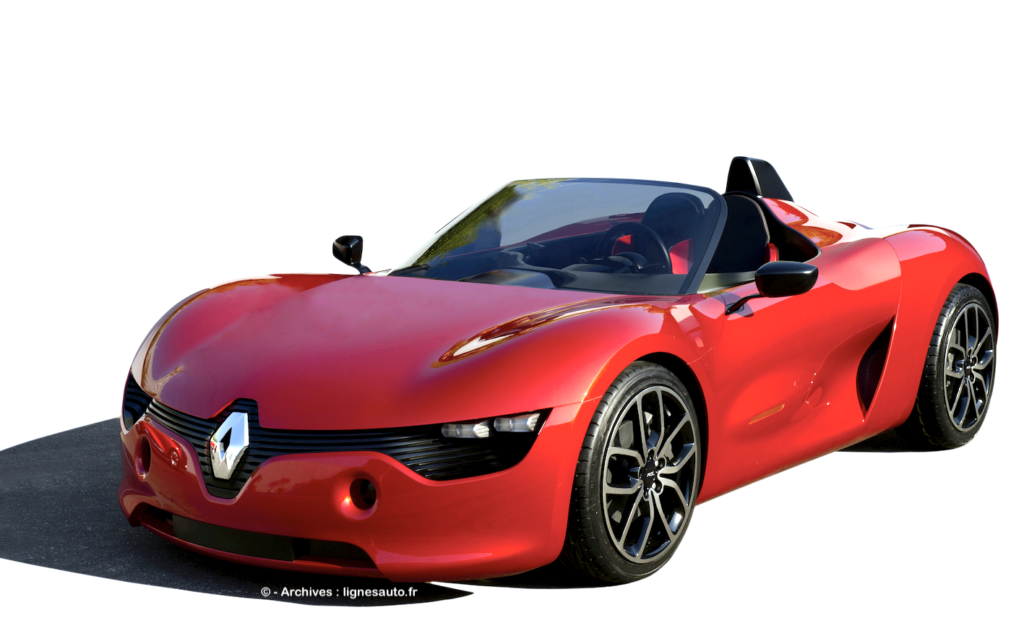
It must be very frustrating for the designers and engineers working on these stillborn projects. But without them, these wonderful stories would never have been told! And just like in American films, there was a happy ending after all: the ‘real’ rebirth of the Alpine Berlinette finally arrived in 2017. Exactly ten years after the W19 project, which owed it a little, a lot, passionately… But there was no descendant of the Wind. And that came as no surprise.
Bonus #1: the Wind V6 centre motor!
Axel Breun is tireless! During the development of the W33, he designed an RS version with a mid-engine. His logic was simple: the platform was not that different from that of the Clio, and the V6 version (two generations) had been made possible on the latter. So why not a Wind V6?
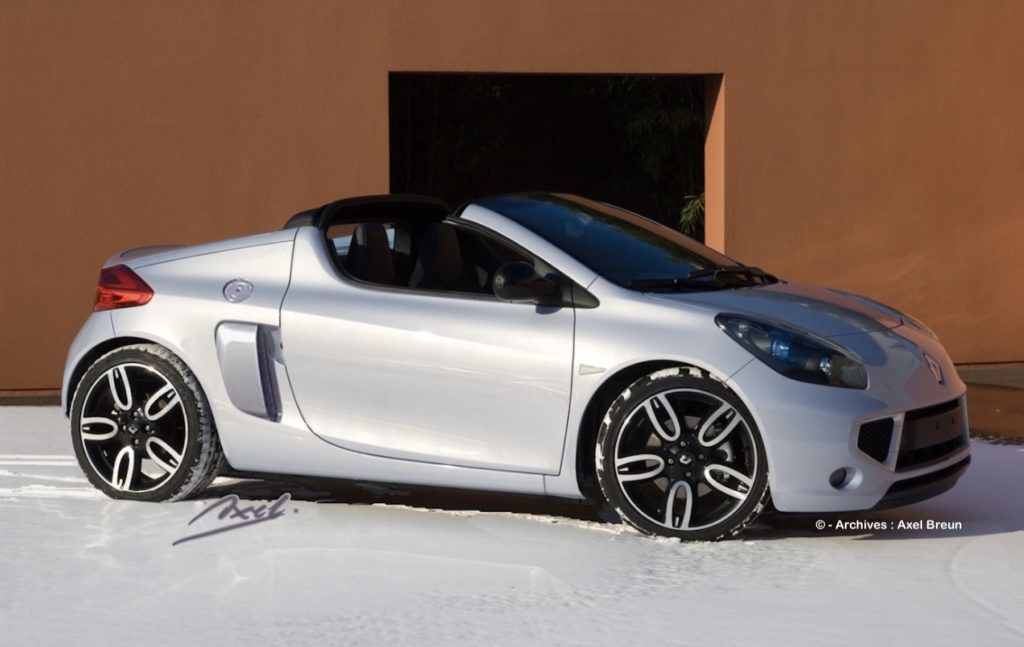
Especially since Axel Breun was the designer of both generations of the Clio V6. “This Wind V6 was a fantasy of mine. But technically, the Wind and the Clio shared virtually the same platform, so it was realistic to imagine a mid-engined version… It was really off the books. And then you have to remember that the Clio V6 left some bad memories. Overall, the two Clio V6s were a commercial failure, and that left its mark on Renault Sport…”
Bonus #2: the 2004 Wind concept car
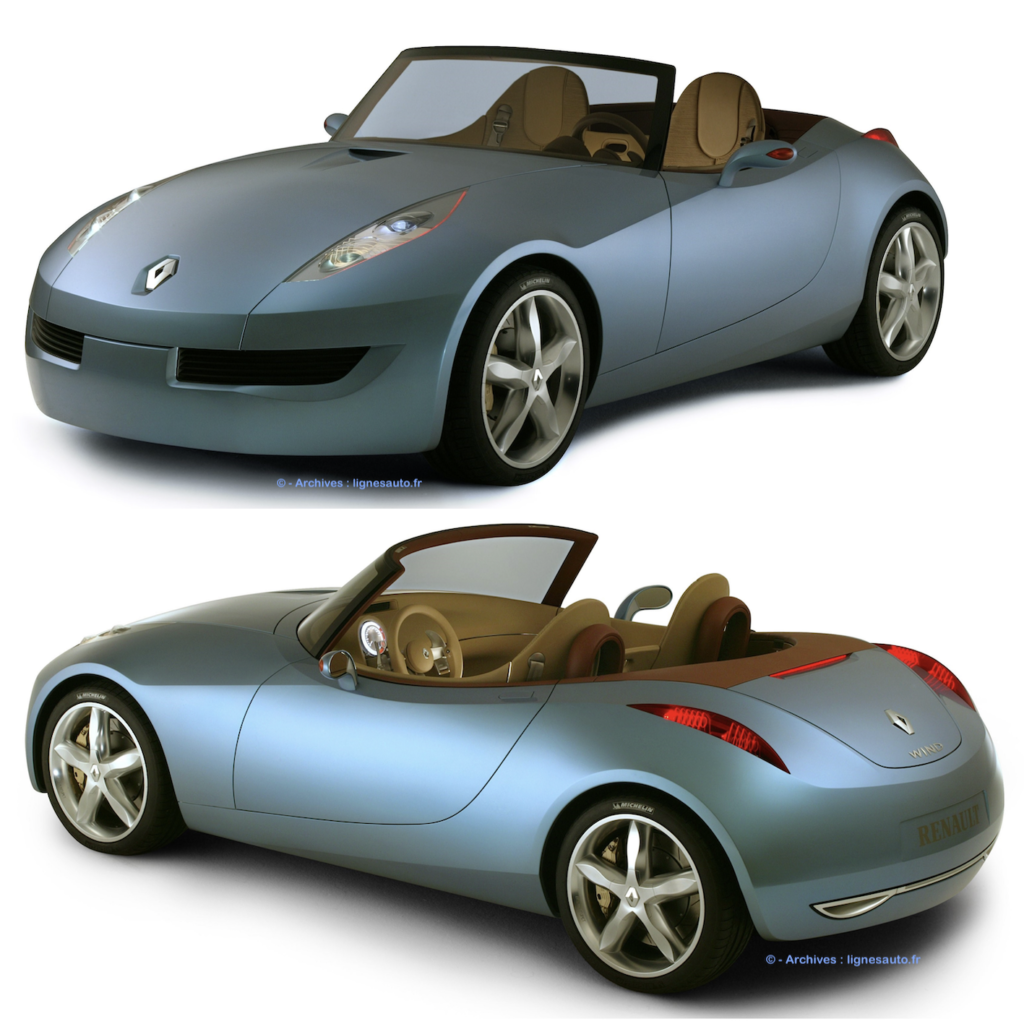
When the Wind concept car appeared at the 2004 Geneva Motor Show, Renault was coming off a fairly successful start to the 2000s: the Laguna II saloon in 2001, the high-end Espace IV MPV in 2002 and the Scénic II compact MPV in 2003. The same was true for the series. In terms of concept cars, the harvest was also very rich with the Koleos SUV in 2000, the Talisman GT coupé in 2001, the small Ellypse saloon in 2002 and the Be Bop duo in 2003. However, when the Z15 project – which would give rise to the Wind concept car in 2004 – was launched, a painful scar remained: the abandonment of the Z11 programme, another reincarnation of the Berlinette (read the test drive here: https://lignesauto.fr/?p=38961). It is clear that if the Z11 project had seen the light of day, Wind would not have existed, as Quément himself confirmed: “I think there is a lot of truth in that statement, yes… Alpine’s revival in the early 2000s didn’t work out. It wasn’t for lack of trying! Clearly, the company had no plans to relaunch the brand at that time.”
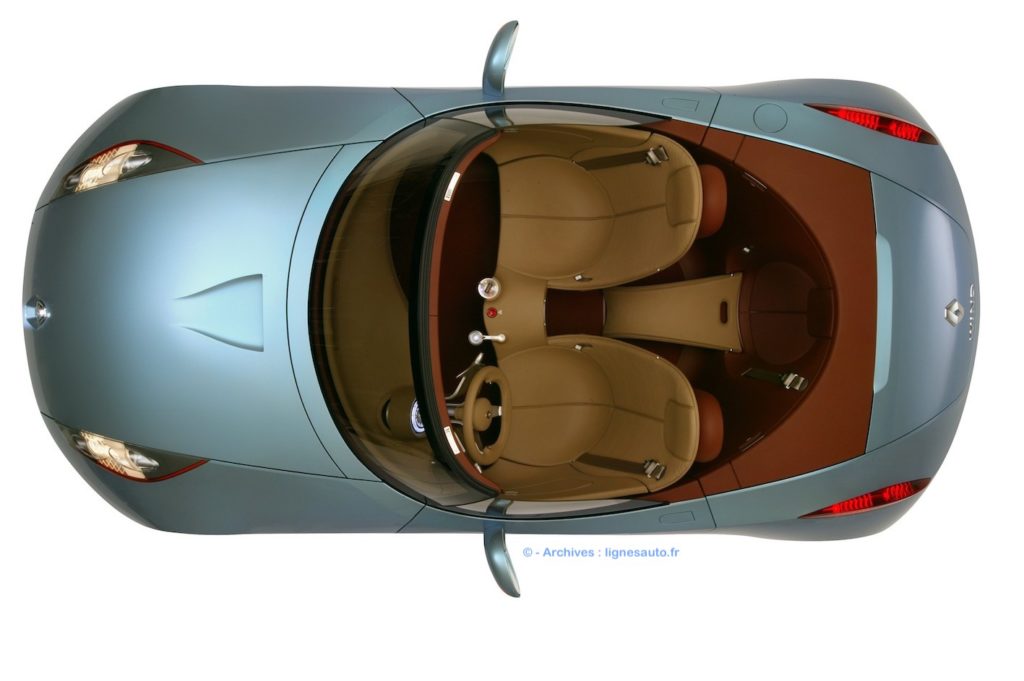
“Knowing that the Z11 project was behind us,” continues Patrick le Quément, “we still wanted a car that we imagined would be just what Renault needed. For us, the idea was to be able to design a small, affordable roadster that seemed so in line with the need to go beyond the purely functional vehicle and create something that would inspire real passion! “ The design of this small, easily adaptable vehicle was created by Erde Tungaa, who went on to design the first generation of the Dacia Duster and was heavily involved in the 2018 model. Inside, Stéphane Janin’s touch is evident, expressing the Touch Design concept applied to a compact, leather-trimmed interior. Stéphane was able to count on Catherine Joly for the colours and materials, with the exterior colour ‘aqua-marine.’
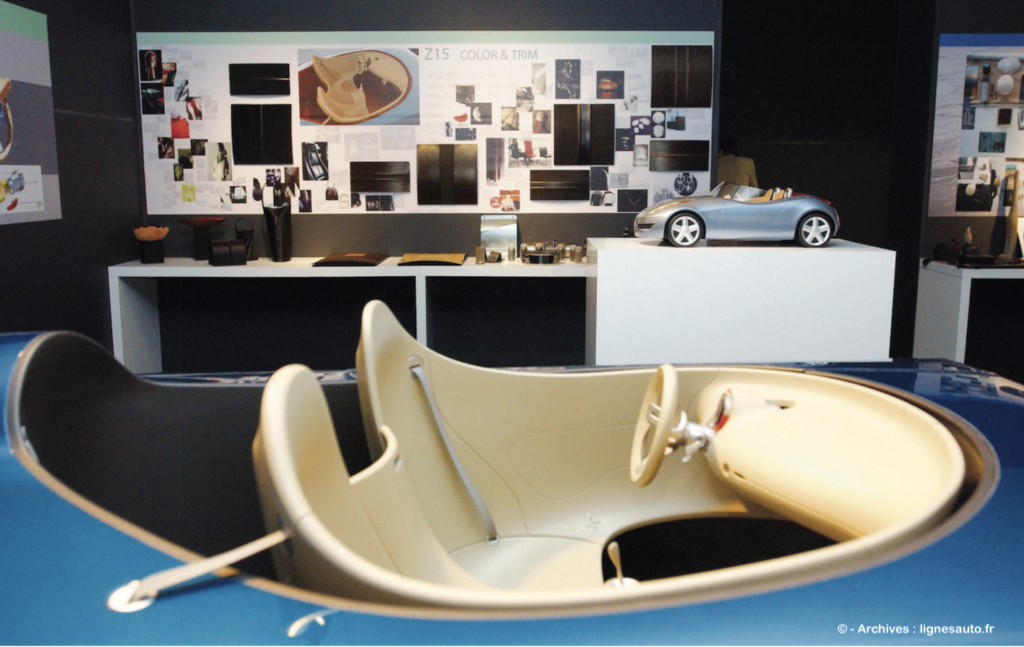
Six years after its presentation, the Wind concept car will lend its name to a retractable-top convertible based on the Twingo II. Axel loved the 2004 Wind concept, but when it came to putting it into production, he concluded that “I dreamed of a small sports car like the Alpine A106. Compact, lightweight and innovative with a retractable roof. The project came up against some very restrictive specifications that required us to use the front end and windscreen frame from the Twingo II. We had designed a car with a lower bonnet and a more sloping windscreen, and it was technically feasible, but unfortunately it was over budget…”
Bonus #3: Wind, the name that causes controversy
While the undisputed star of small roadsters remains the Mazda Miata, launched in 1989, the little Renault was no slouch in terms of handling, which Axel Breun describes as “very good and really fun. Renault Sport had done a great job again, and I still remember the test sessions at Aubevoie” (Renault’s test track). And if the Wind hadn’t been called Wind, would that have changed history?
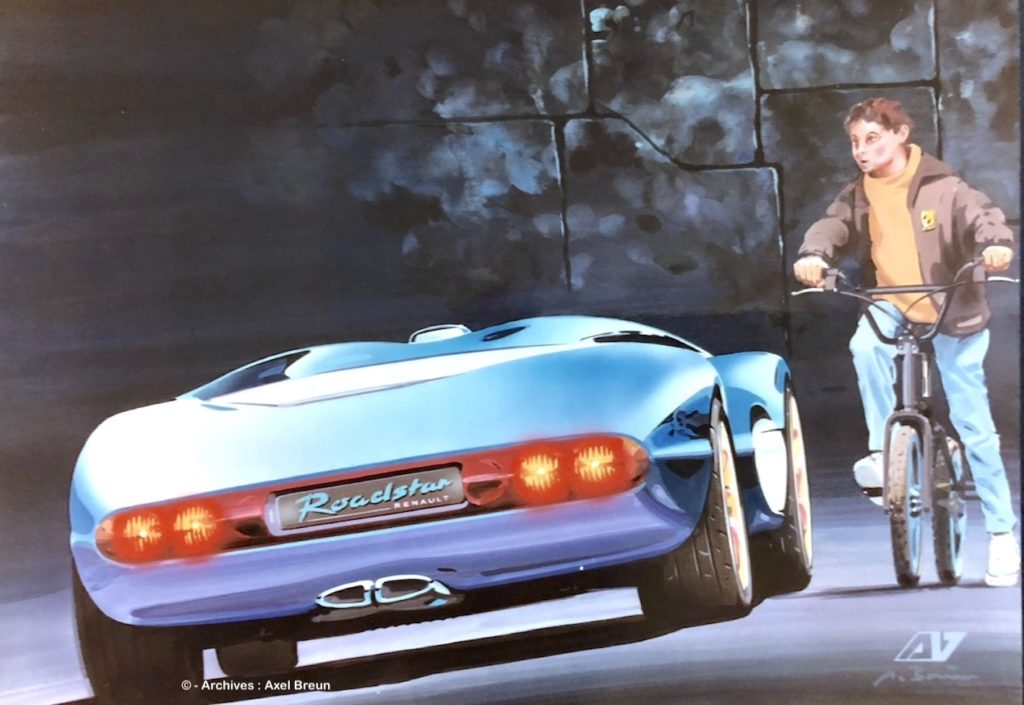
Probably not, but Axel regrets that the name of the 2004 concept car was chosen. “Yes, it’s a real shame that we chose the name of this concept designed by Erde Tungaa (exterior) and Stéphane Janin (interior), because it should have gone into production as it was. It was the Miata’s competitor!” Axel went even further by suggesting the name RoadStar, which he had come up with in 1990 for the Renault Laguna roadster concept car, above, designed by Jean-Pierre Ploué.
The author would like to thank Axel Breun and Patrick le Quément for their assistance.
