

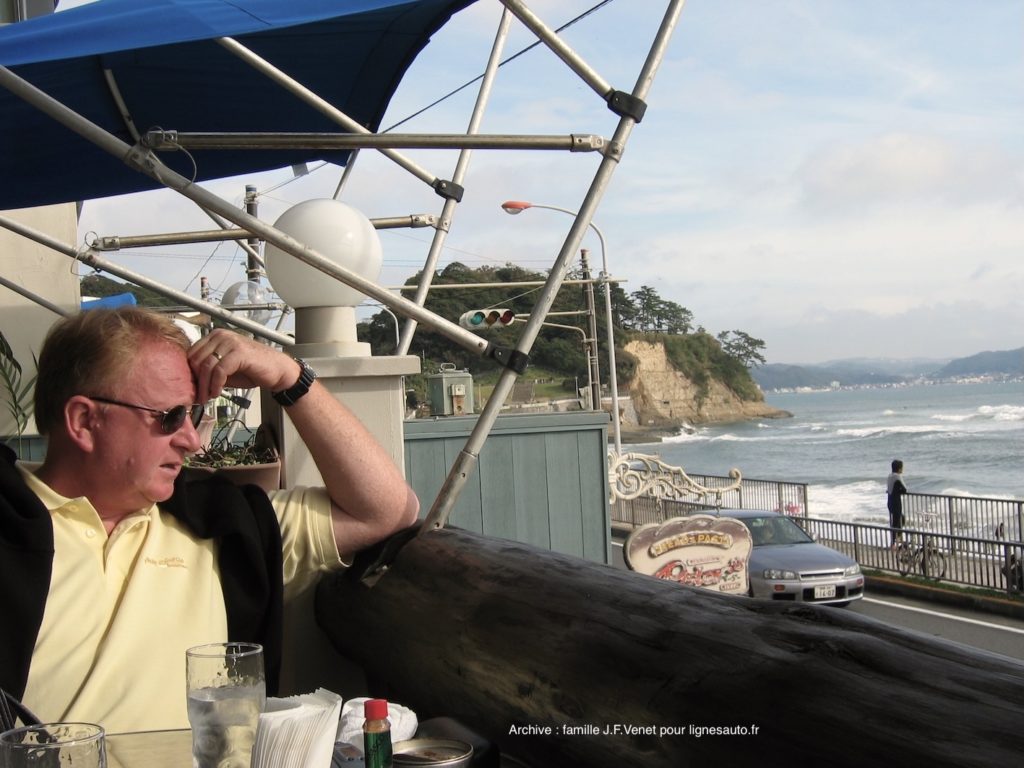
Jean-François Venet (1946–2015) was one of those great French designers whose modesty was matched only by his talent. Now that Renault’s design department has been led since January by a new director—Alexandre Malval, also French—and has been joined by Romain Gauvin as head of Advanced Design, we thought it was time to pay tribute to Jean-François Venet: he, too, was once in charge of concept cars at Renault during the golden age of Patrick le Quément. This tribute, a little over ten years after his passing, extends beyond the realm of automotive design alone. Let’s go back in time, once again…
That morning, Jean-François Venet left his home in Vauhallan early, as usual. “He was the first to turn on the lights in the morning and the last to turn them off at night,” recalls his daughter Céline. In his car, there were no design documents or sketches of future Renault models. That day, the designer was loading… bales of straw! Upon arriving in Boulogne at the Renault design offices, Jean-François joined his prank-playing buddies to turn Jean-Paul Manceau’s office (head of commercial vehicle styling) into a chicken coop: live chickens took up residence there, while eggs were smashed on the furniture and straw was scattered across the floor! We really knew how to let loose back then at Renault Design!
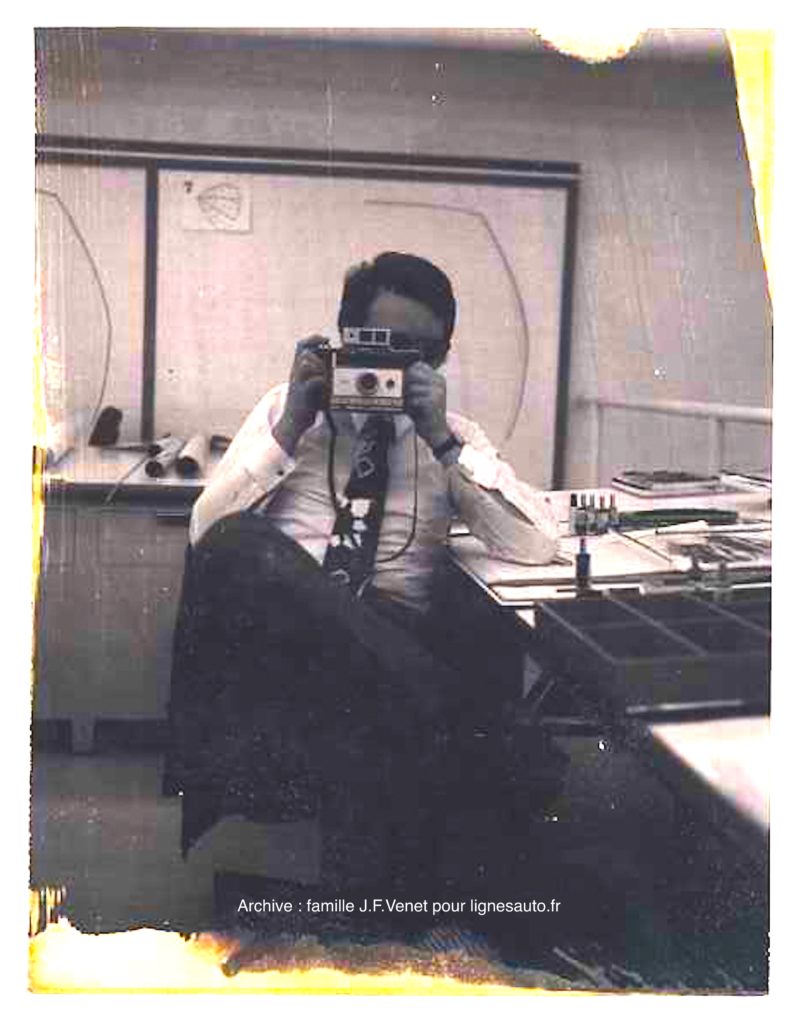
Céline confirms that they didn’t hesitate to pull off some huge pranks back then: “I remember they turned one of their colleagues’ offices into a not-so-welcoming place by salvaging squat toilets from the abandoned factory on Île Seguin. ” Imagine the look on the guy’s face when he walked in and found that! Retirement parties were also celebrated in a big way. When Jean-François retired in 2006, his office was turned into a golf green—a passion shared by the whole family.
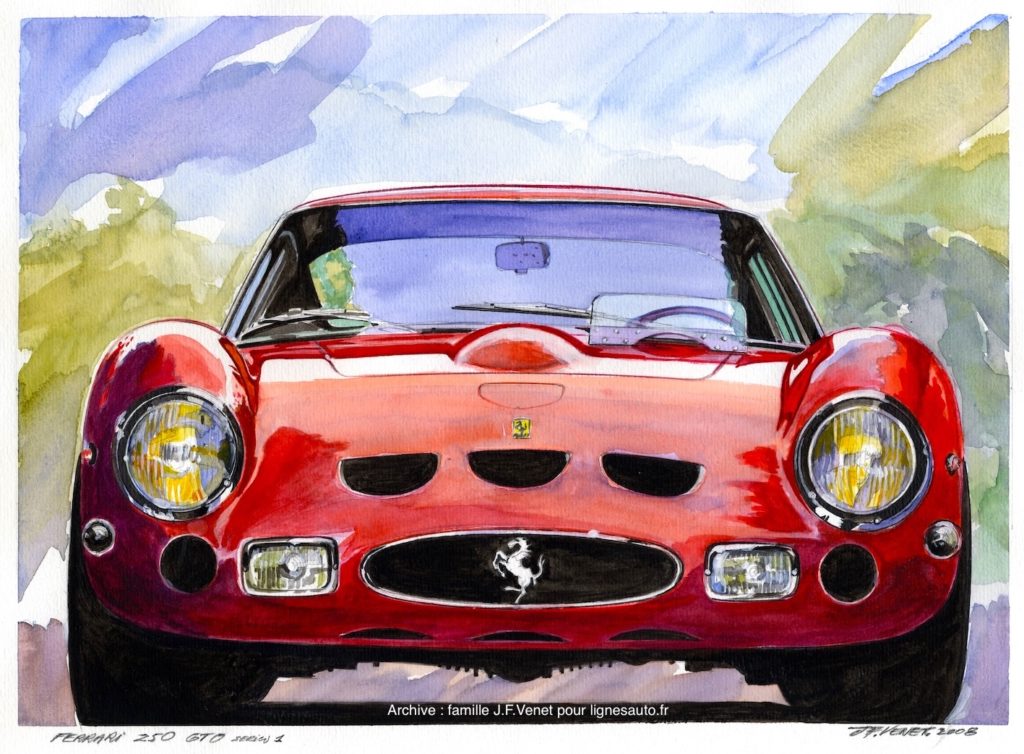
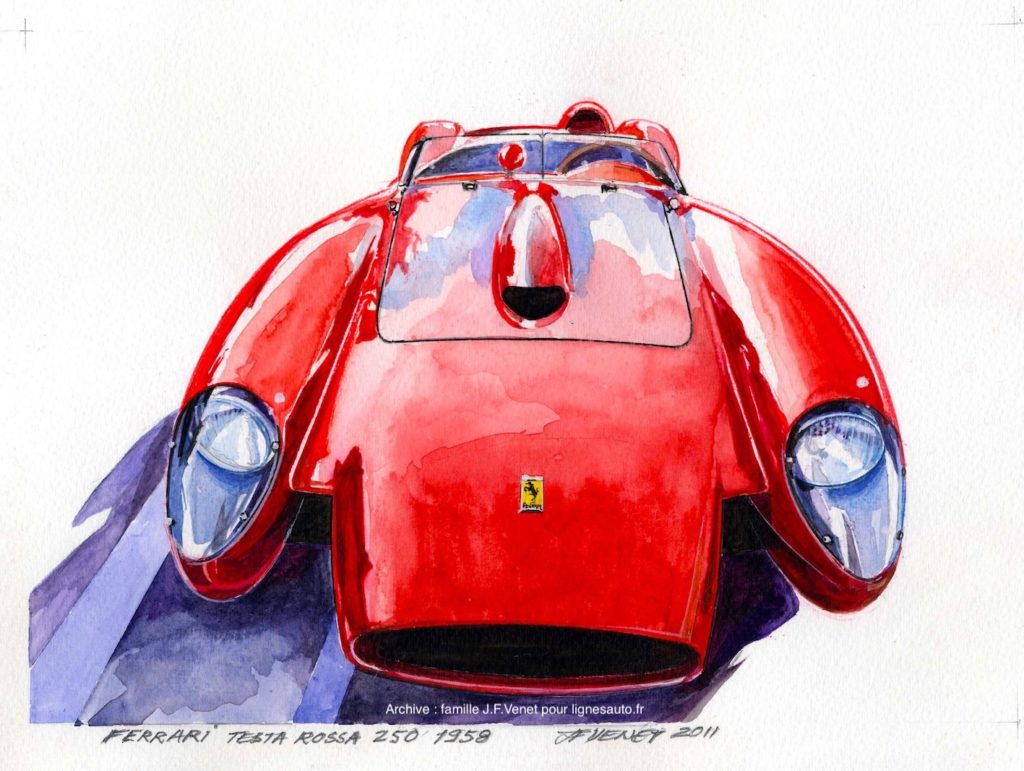
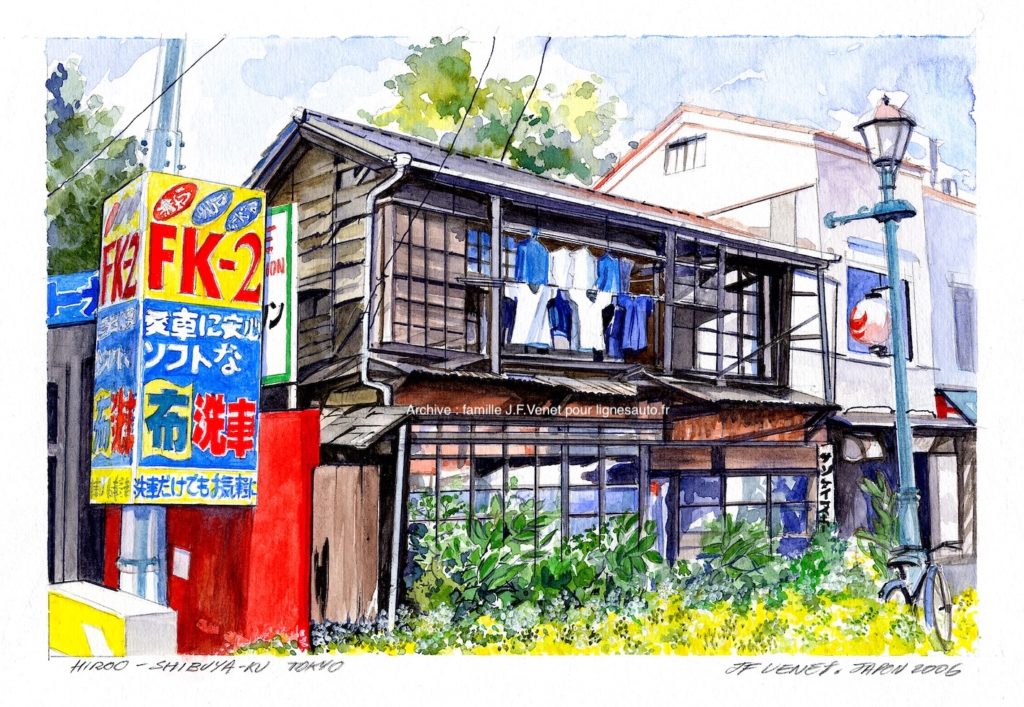
Martine, Jean-François’s wife, recalls, “Even though he had no regrets about leaving, it wasn’t easy for him because he was so dedicated to his work! So he took advantage of his retirement to return to his first love. He took up drawing again, especially watercolors. He was so consumed by his passion that even at home when there was construction work going on, he’d go talk to the workers and steer the conversation toward cars. Even with the mail carriers—everyone! Sure, there were good sides to it, but for a wife, it wasn’t easy every day!” Jean-François Venet had two deep-seated passions. Cars, of course, but we mustn’t forget his classical training in fine arts. His watercolors (above) are based on very specific themes. Cars, notably featuring unique greeting cards personalized for each recipient (“he would start drawing each one two months in advance,” recalls Céline); Morocco, a favorite of the Venet couple; and Japan (below), where his daughter Céline and Frédéric Duvernier would spend three years at Nissan Design.
Let’s also mention his passion for cats, which he’ll take the time to sketch during his retirement! And then there’s HIS Citroën Traction below, a car that Martine gave him when the couple had just returned to France after starting their careers in Germany. “In 1976, I had a colleague at Air France who owned a Traction in which he’d gotten married. When I heard he was selling it, I mentioned it to Jean-François. It was in impeccable condition, and I gave it to him, telling him that this gift was just the start of a collection, and that we’d have to move up in class next! But he never wanted to part with it! ”
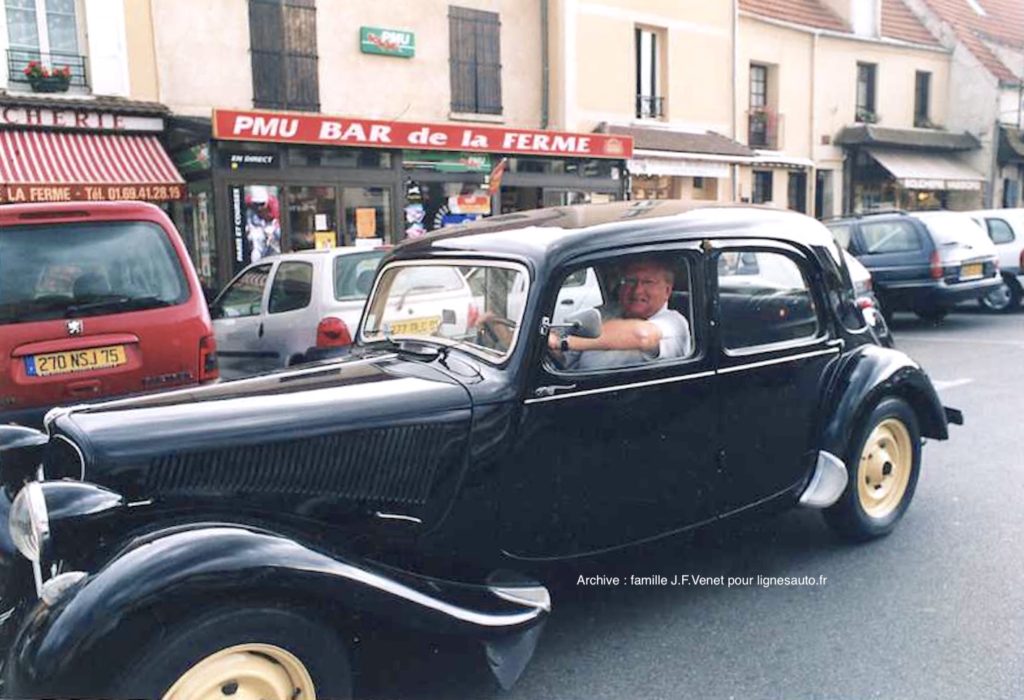
On December 6, 2020—more than five years ago at the time of our visit—the Traction was still there, clean and without a single scratch, just as Jean-François had kept it. You almost expect to see him behind the wheel and hear the Citroën’s “rotisserie” engine start up with a cough for a drive through the streets of Vauhallan… Unable to live out his passion through a collection—something his wife had encouraged him to pursue—Jean-François would live it a hundredfold in the design offices he would frequent throughout his career.
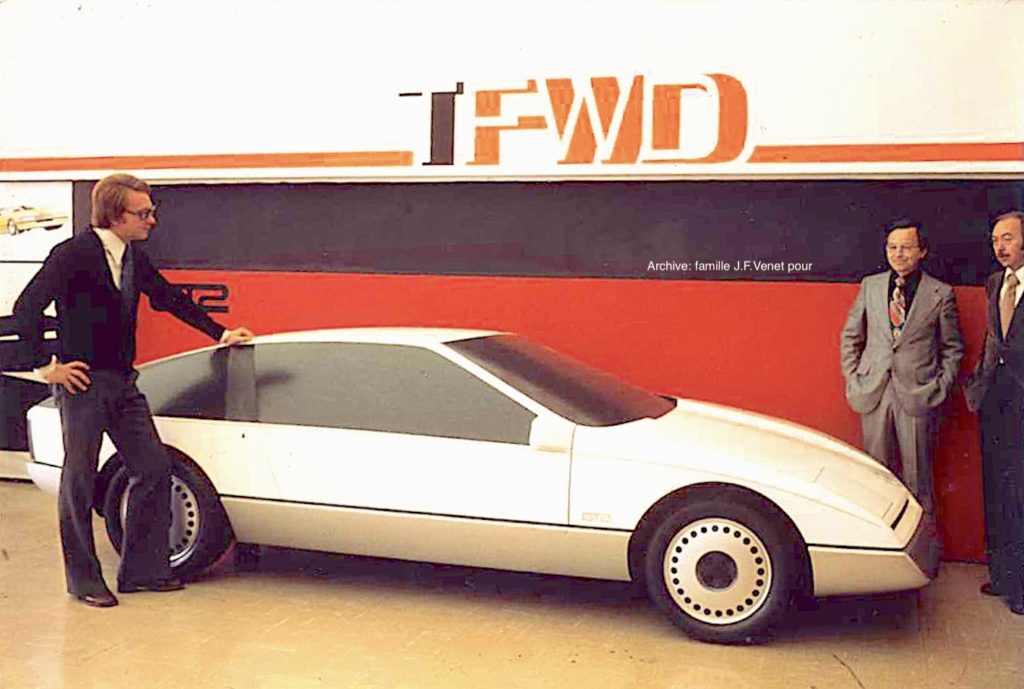
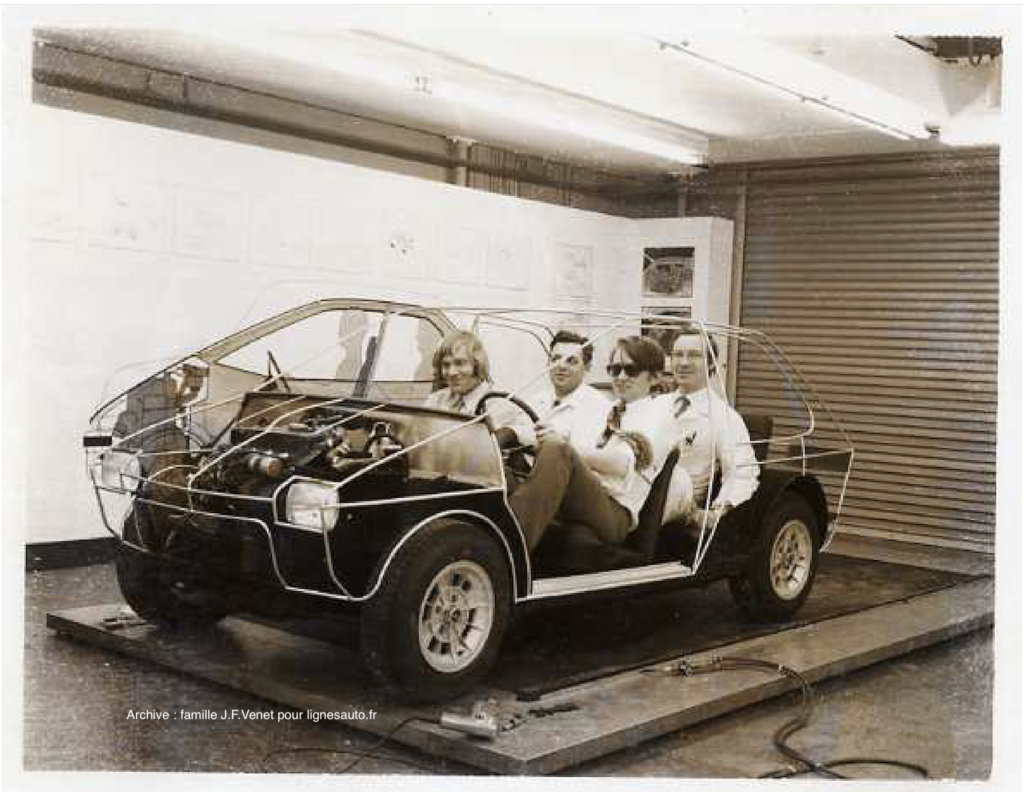
In 1969, he first joined Opel’s design department in Rüsselsheim, spending some time in the United States under the direction of Bill Mitchell. He had the good fortune to work in the “Corvette Studio.” In Europe, he is known for his work on the 1973 Opel GT/2 concept, but Jean-François also worked on the Senator and the fourth-generation Kadett. It was at that point that he attempted a return to France, as Martine reveals: “We were in Germany, and right after his work on the Opel GT/2, he had an opportunity to join Citroën. But that was just before Robert Opron stepped down as head of design at the French brand…”
It was only a matter of time—not before he joined Citroën, but before he reunited with Robert Opron, who hired him at Renault in 1977. From Rueil-Malmaison, where he worked on the Supercinq, R25—with his marvelous Rafale project—and established the link between Renault and AMC, all the way to the 2005 Radiance concept truck, he remained loyal to the automaker, with the high point of his prolific career coming between 1988 and 1995 when he led the team behind the first concept cars of the Le Quément era.
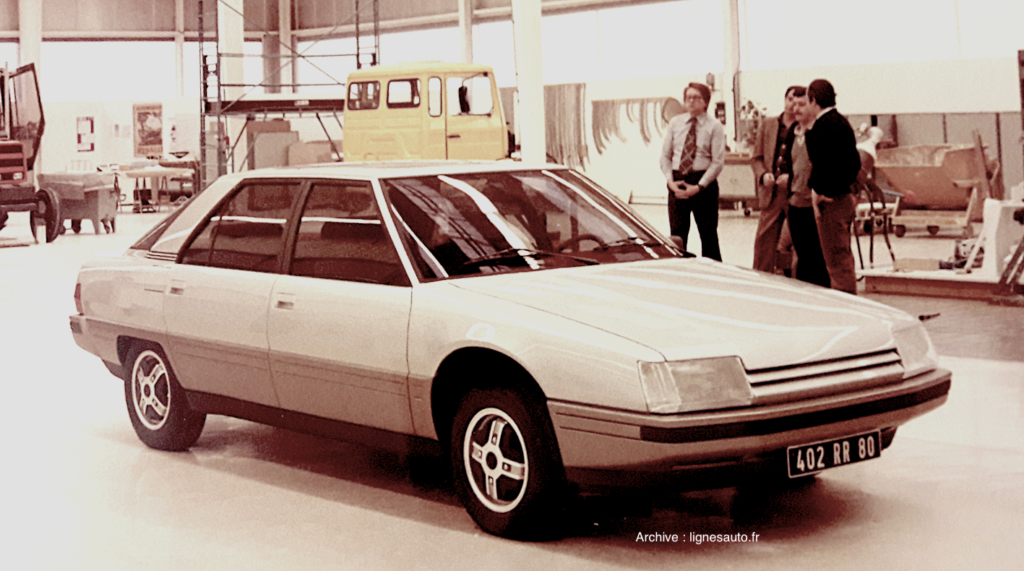
Early in his career at Renault, he worked alongside bosses as different as Robert Opron and Gaston Juchet. But a fantastic partnership would soon form with his friend Michel Jardin. Michel was a man of few words, discreet, reserved, and talented. “You could sense a real camaraderie between them,” recalls Martine Venet. “The two complemented each other and held each other in high regard. In fact, they were two passionate people, not careerists. There was a sincere friendship between them, without any ulterior motives.”
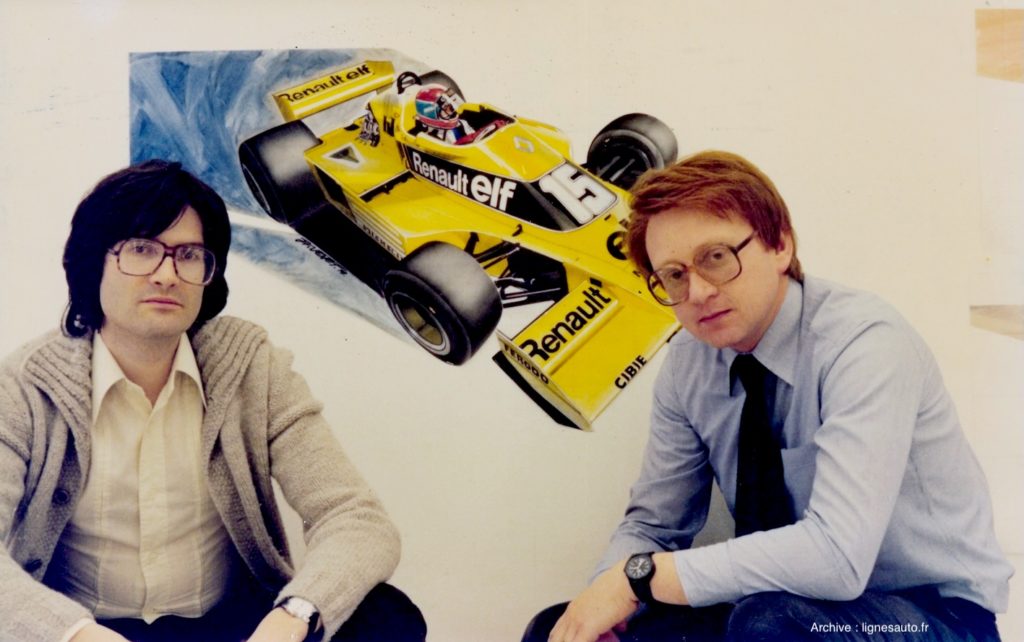
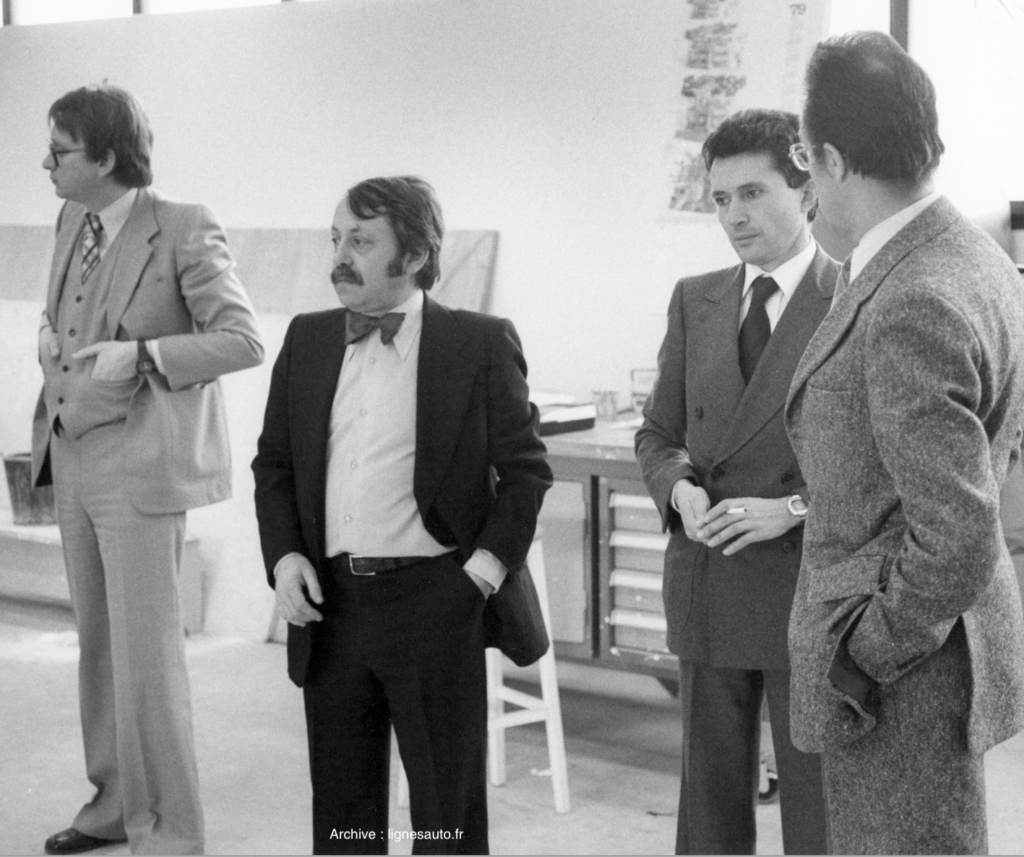
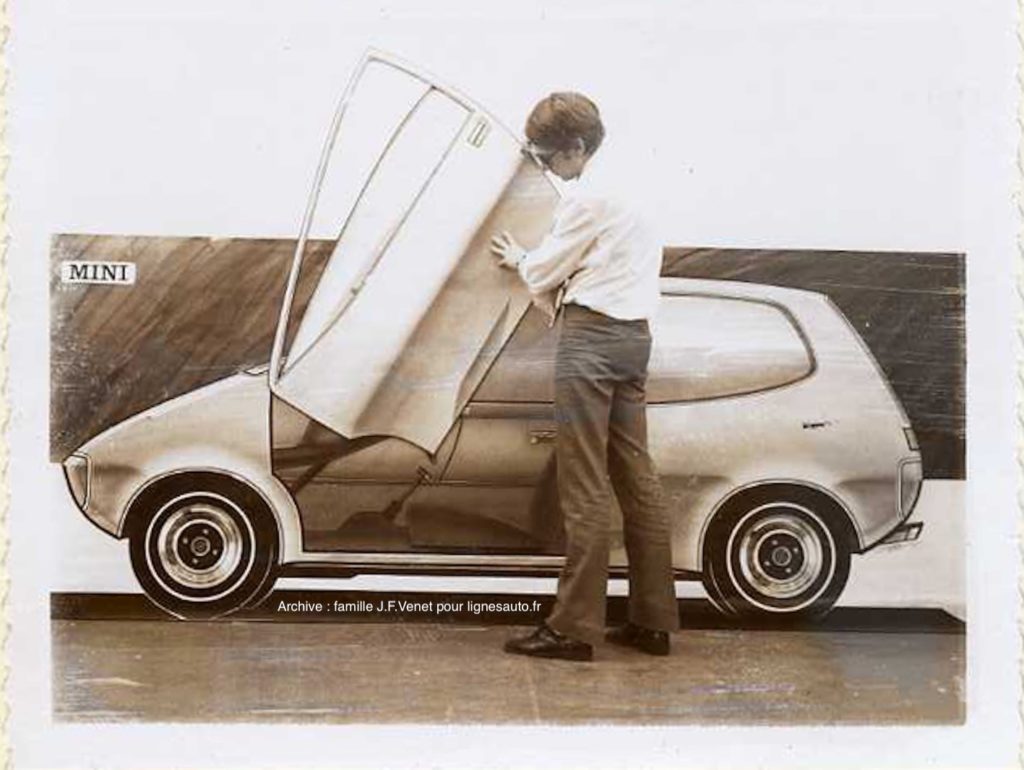
When this article was written in 2020, Michel Jardin (pictured above left with Jean-François) sent us the following message: “Jean-François Venet was a true giant of automotive design for whom I have immense admiration. From the moment he joined Renault in 1977, I was impressed by his creative and graphic talents. He applied and elevated design methods drawn from his experiences in the General Motors studios.” Below is the Mini designed by Jean-François’s team during his time at General Motors.
“His personal vision ensured that his projects were always outstanding and well-received. He was at once compassionate, generous, sensitive, and modest, qualities that made him particularly endearing to everyone. His leadership of young designers was universally recognized. He mentored many of today’s talented designers. On a personal level, he was also a great watercolorist… I had the privilege of spending time with him privately with the same pleasure. We knew each other for over 30 years, and I feel I have lost my most talented and dearest friend…“
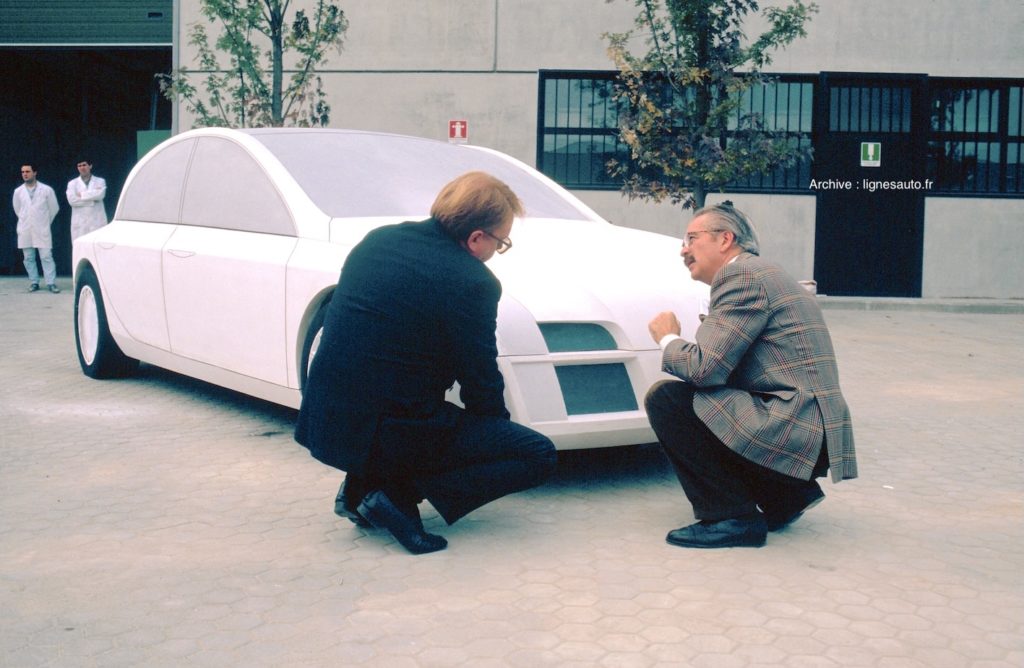
In 1996, and for just two years, Patrick le Quément — who, in addition to heading up Renault’s design department, also took charge of quality control — asked Jean-François to take over the interior design studio. Martine remembers perfectly the evening her husband came home: “It was a real chore for him, and even a shock after his eight years working on concept cars. He came home completely disheartened because, for him, interiors just didn’t have the same appeal as exteriors.”
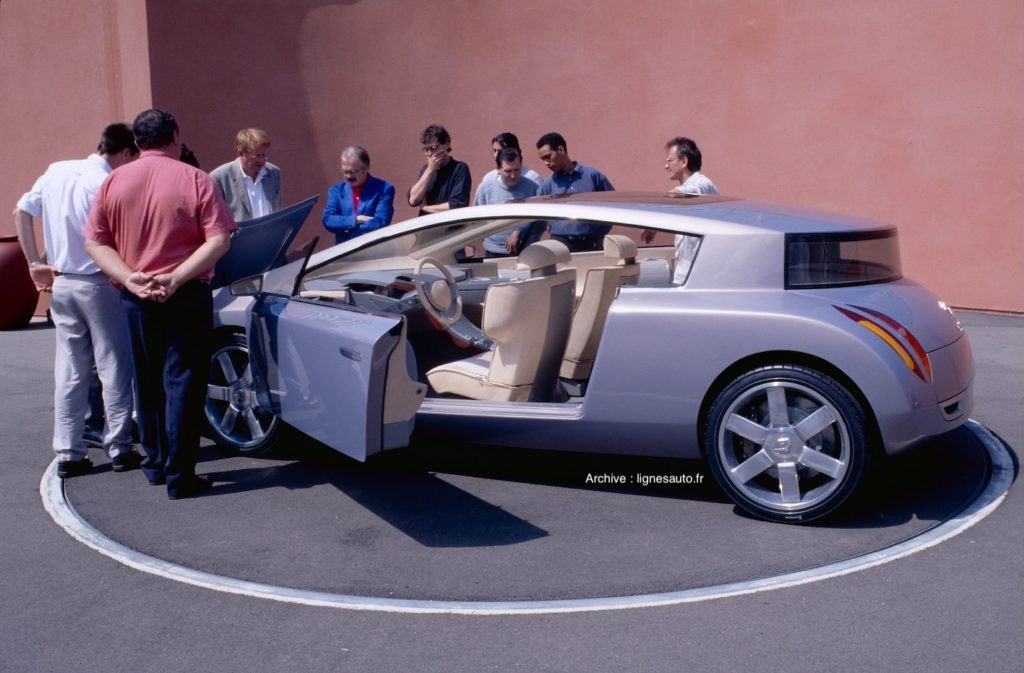
But it was with the same talent as a designer and manager that Jean-François breathed new life into this department, ably assisted by seasoned designers, foremost among them Fabio Filippini: “He was a delightful person, with a natural gift for communication and tremendous warmth. Working alongside him was an honor for me (and for many other young designers at the time).“ Patrick le Quément told us that ”Chuck Jordan, one of the legendary Vice Presidents of Design and a worthy heir to Harley Earl, spoke of Jean-François with great affection and respect.“
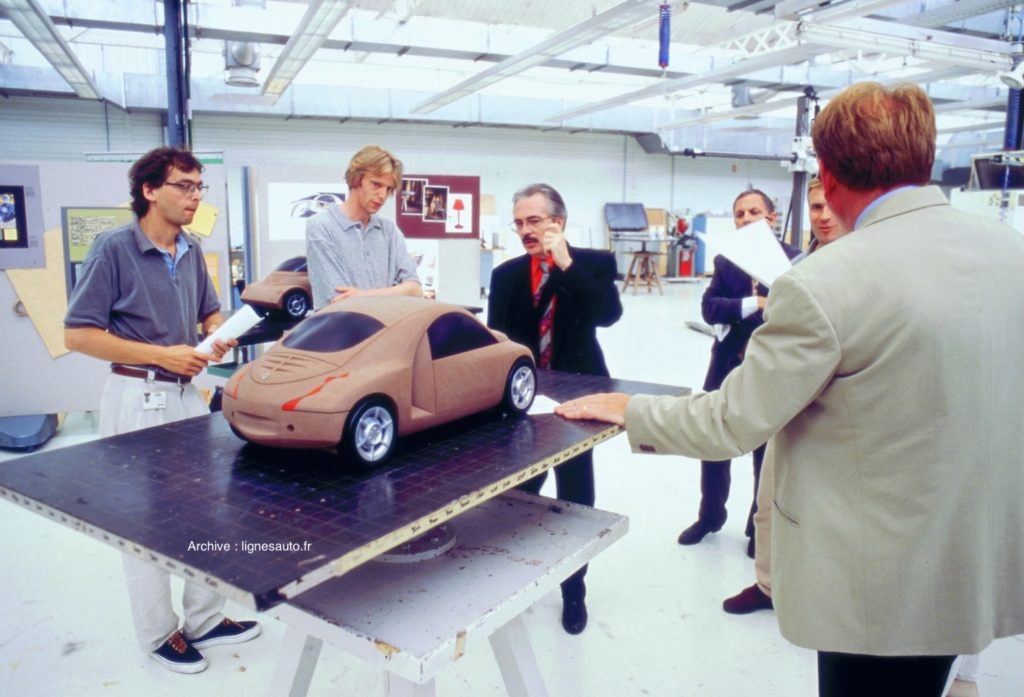
“The studio led by Jean-François was a veritable breeding ground for talent, many of whom went on to become leading figures in contemporary automotive design. That was precisely Jean-François’s greatest strength, beyond his natural talent as a designer and his keen sense of proportion: he could immediately recognize talent in young people and help them flourish. More than a boss, he was a friend, with whom there was a deep sense of camaraderie. In 1996, when he was appointed Head of Interior Design, he insisted that I follow him to Rueil. I have fond memories of the journey I took with him… “
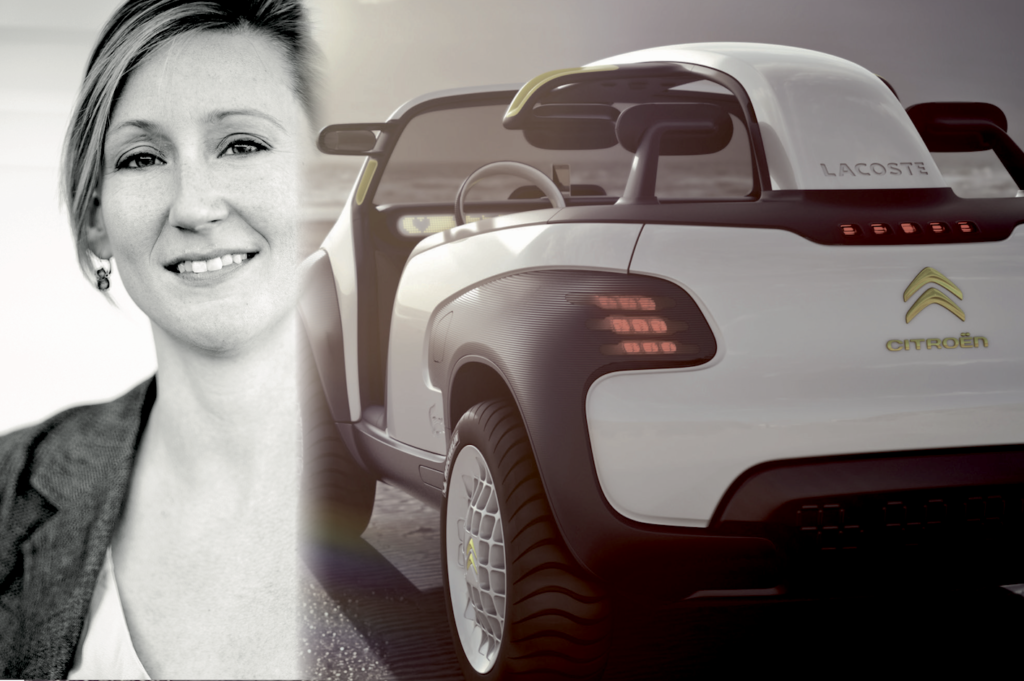
Martine Venet confirms, “He loved passing on his knowledge; he was an excellent teacher.” While Jean-François was undoubtedly disappointed that his daughter Céline (pictured above with her Lacoste concept car) couldn’t join Renault’s design team — despite an excellent internship at the Renault studio in Barcelona with Thierry Métroz — he was able to put that regret behind him when he saw how far Céline had come. Because being the “daughter of a designer” isn’t easy! “It was hard to accept that I couldn’t join Renault,” Céline confides.
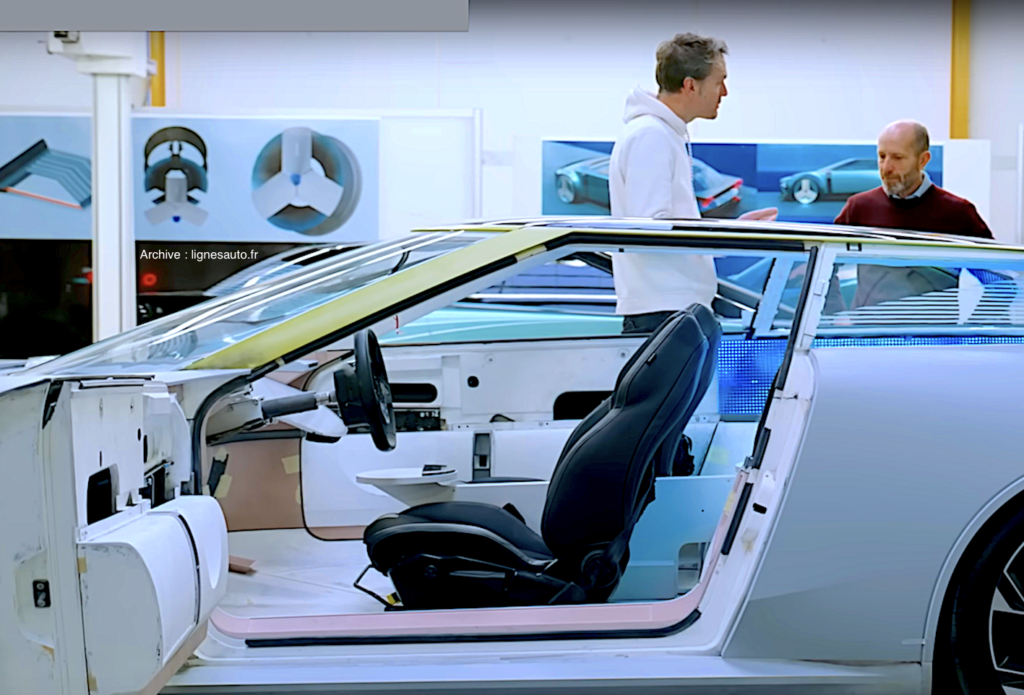
“I was told to go prove myself elsewhere, even though at PSA, HR had apparently blocked my application because my father was still working at Renault! After my internship in Barcelona, I found another one at Seat, and since my prospects in France were limited, I left with Frédéric Duvernier (above) for Japan, to work at Nissan. And there, no one made the connection between my father and me! ” Today, the Venet name continues to thrive in a design studio, with Céline and Frédéric at Stellantis. And for the future, at Renault this time, the legacy left by Jean-François Venet still permeates every wall of the design studios. Even if the teams have obviously changed. And perhaps there are fewer chickens and straw there today…
Jean-François Venet (1946–2015)
–1969: Joined Opel AG’s design department in Rüsselsheim under the leadership of Jordan, Holls, and Haga.
–1969–1971: Designed the Kadett and Manta, followed by the Ascona.
-1973: Assistant Chief Designer in Advanced Design. Exterior design of the Senator and Kadett Series 4
-Exterior designer of the Opel GT-2 concept car for the 1974 Frankfurt Motor Show.
-1977: Joined Renault Design under the direction of Gaston Juchet and Robert Opron (Supercinq, Renault 25, Renault 21, Premier, design of the Fuego dashboard, Vesta prototype)
-1984: Head of Design Studio B under the direction of Jacques Nocher in Nanterre (Safrane, Twingo, Laguna 1)
-1988: Head of Advanced Design under Patrick le Quément (concepts: Mégane, Laguna, Scénic, Racoon, Argos, Initiale, Fiftie)
-1995: Interior Design, managing a team of 60 people.
-2000: Head of Mack Trucks Design, Renault Sport Technology, and, until 2003, Dacia Design (W16 Project, Clio RST, Logan, Magnum, Radiance, Premium, Middium)
-2005: Left Renault.
Text excerpted in part from the LIGNES/auto #02 Winter 2020–2021 booklet.
