The development of a new product follows a fixed schedule across all manufacturers: the brand’s decision to introduce a new model into its future range, or a model refresh; followed by design, engineering and the digital design phase to integrate the product into the factory. Each stage is time-consuming, but this is becoming less and less the case. In the 1980s, it still took more than five years to take a new product from the initial design to mass production. Then, in the 1990s, the constant aim was to shorten development times because, here as elsewhere, time is money.
Working methods have changed, but that is not all: digital tools have enabled a dramatic acceleration, once their use was mastered from the 1970s onwards and then through new software in the 1990s. Then came shared platforms, carry-over, the integration of modules into the design process, and so on. More recently, collaboration with Chinese subcontractors, with manufacturers’ operational staff sent on site, has further reduced lead times (see Renault with the Twingo). Internally, however, it is primarily the methodology that has adapted to these various changes.
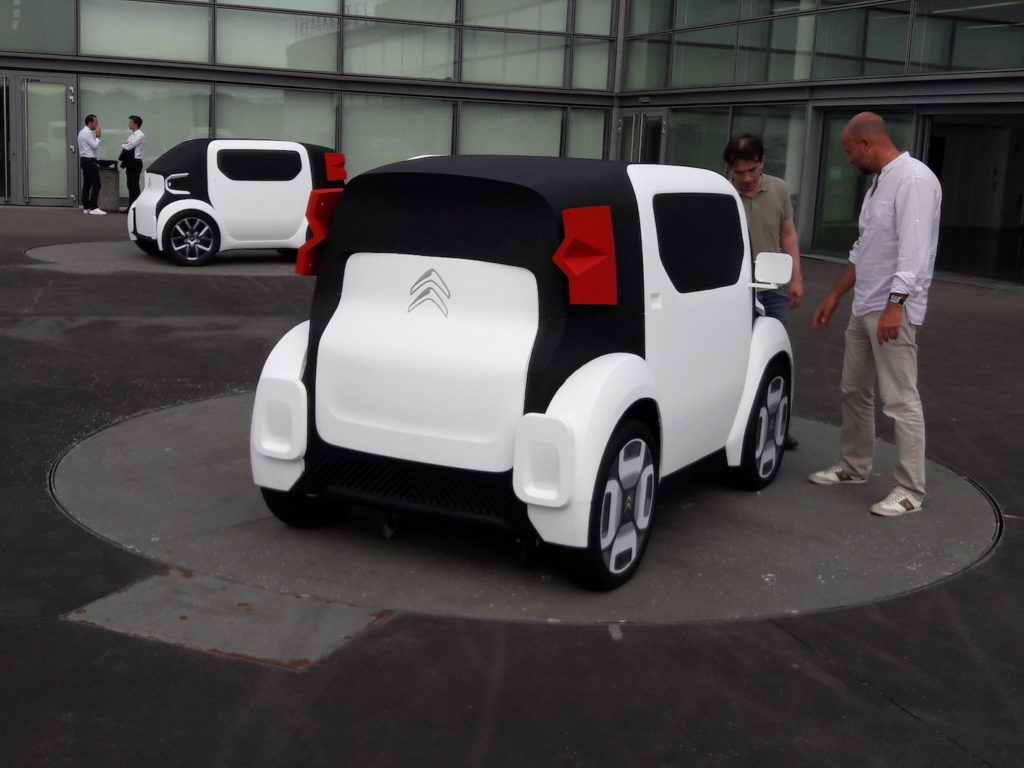
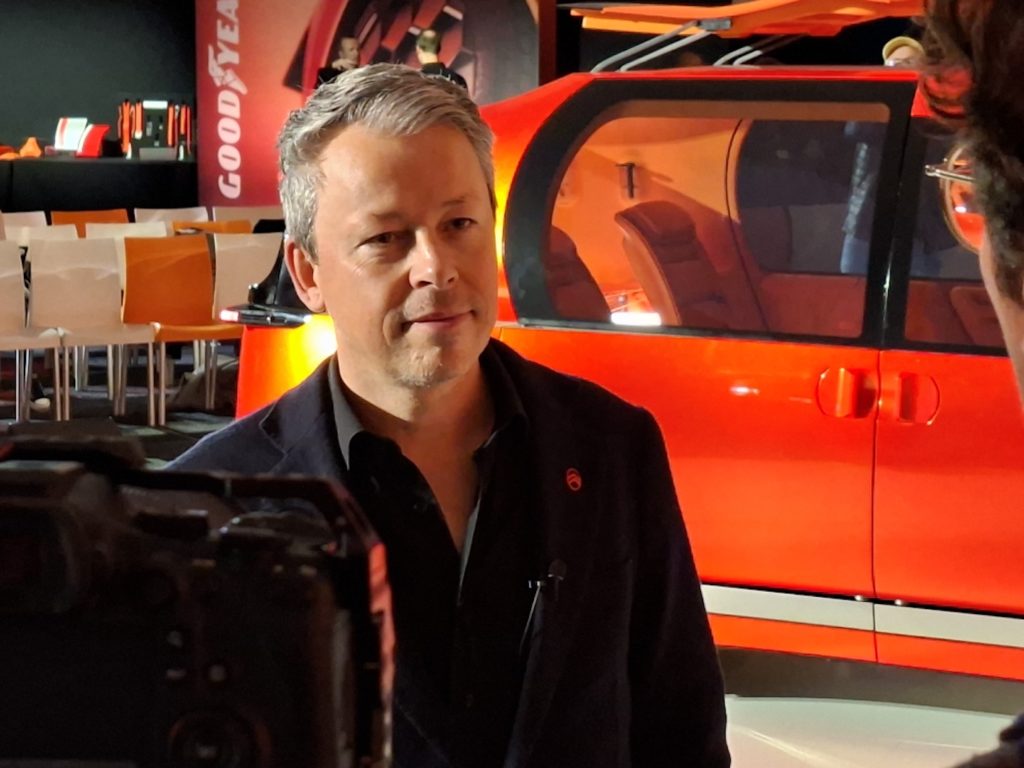
Nowadays, it takes less than three years to get from the starting line to the product’s arrival at the factory. Of course, the calculation varies from one manufacturer to another, as it all depends on when the starting gun is fired. This is generally considered to be after the project’s advanced design, i.e. from the moment the product is approved in the plan and the teams dedicated to its development are formed. But what exactly is advanced design ? Who is responsible for it? Is it the designated designers? Is it the brand or the group to which it belongs? Pierre Leclercq, Citroën’s head of design, was kind enough to shed some light on the matter.
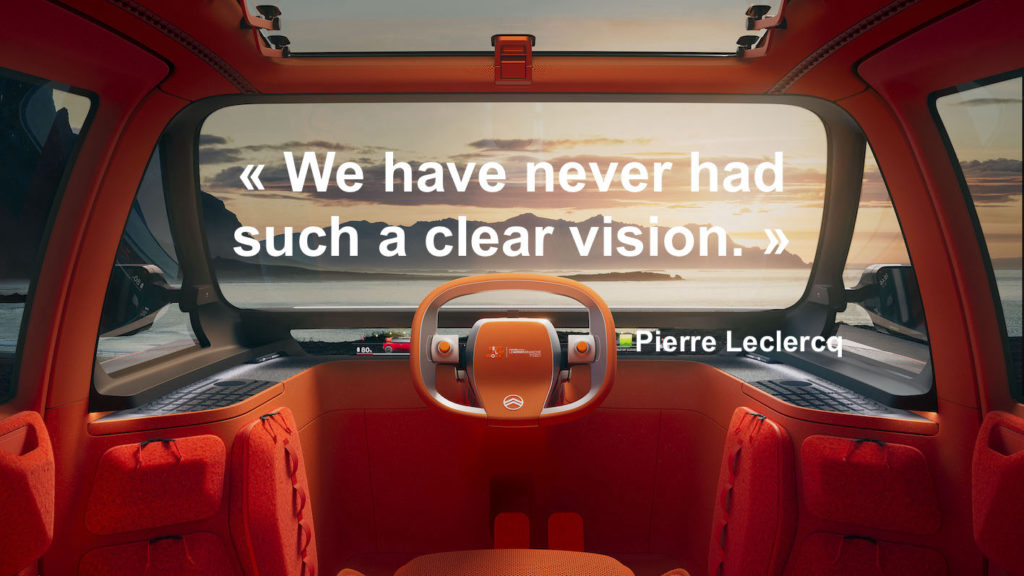
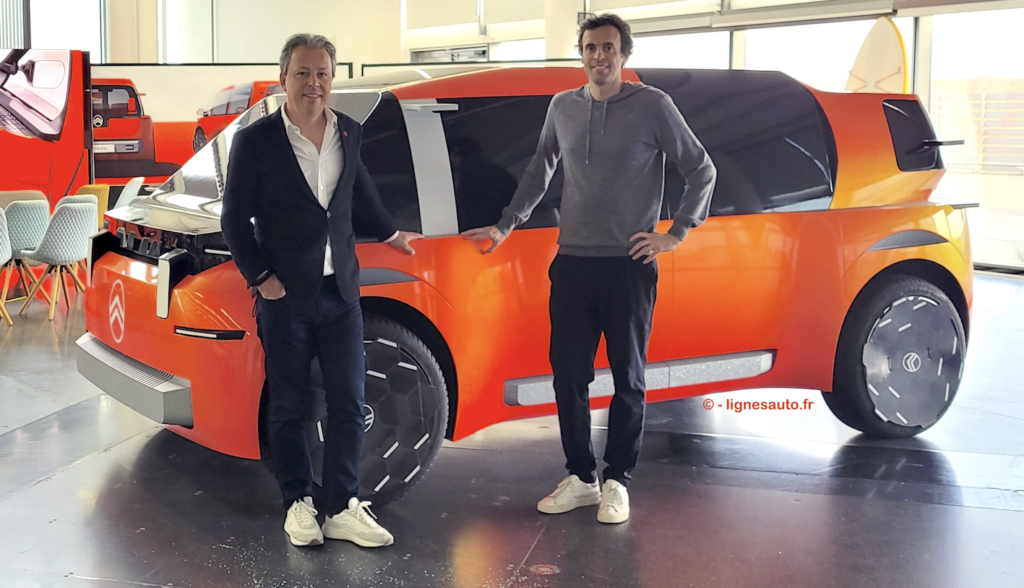
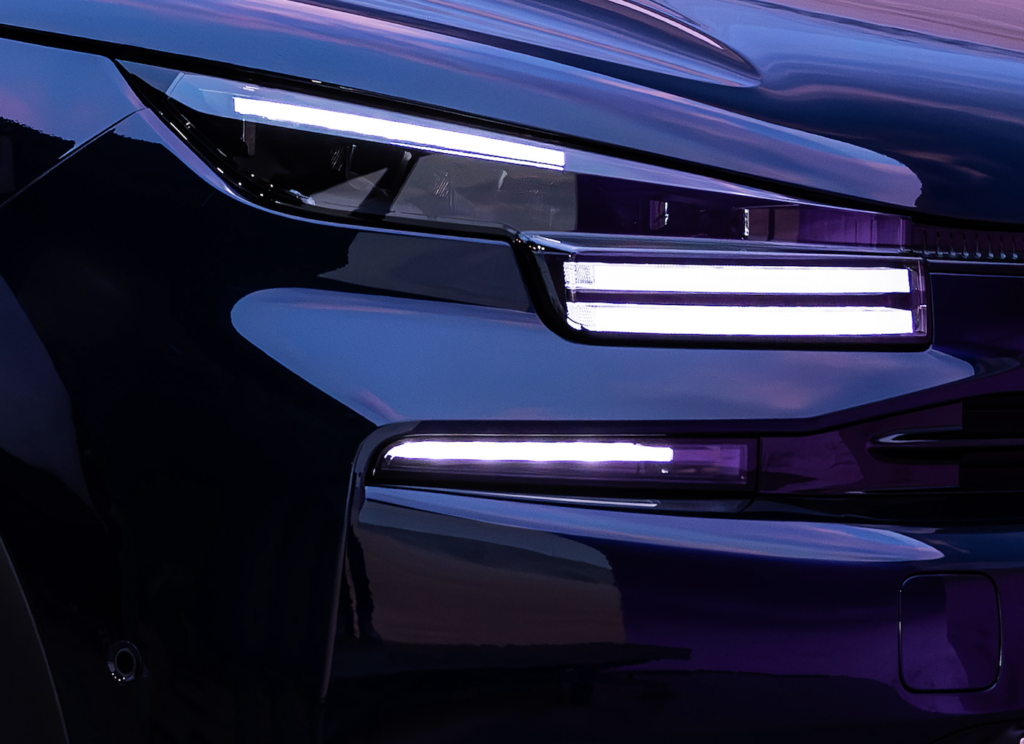
In the recent history of Citroën concepts, Elo seems like a logical follow-up to Oli (2022).
Yes, and that’s intentional. It’s a genuine design strategy. It’s important for us to have a common thread, and Elo can be seen as Oli’s little sister. It represents the continuity of our values and a clear commitment to offering a different approach.
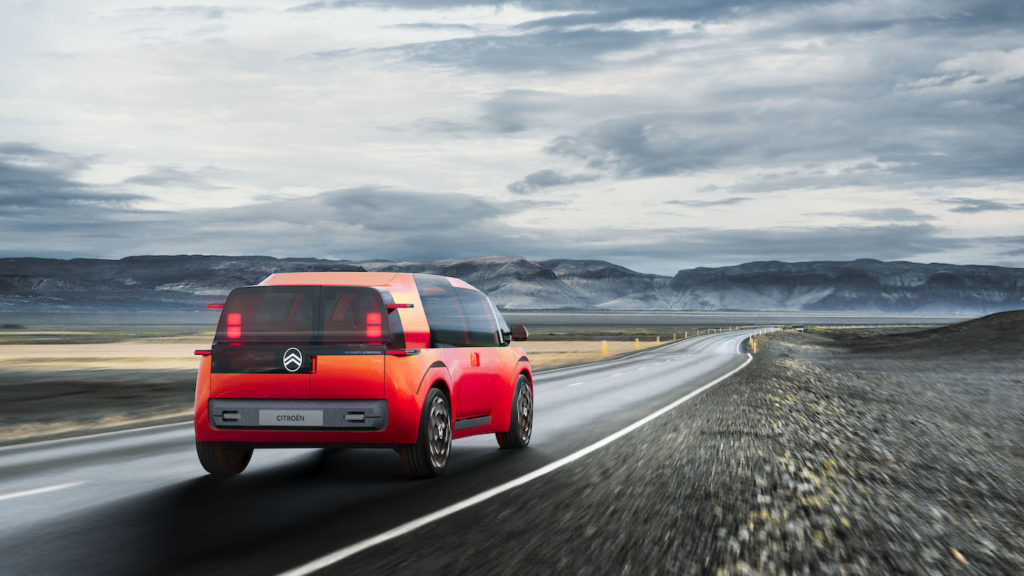
Your latest concept car, the Elo, actually drives. That’s becoming a rarity in this product category. Was the idea of a vehicle that actually drives something you had in mind from the very start?
Ensuring the vehicle is fully functional and ergonomic is simply a priority, because I want our concept cars to drive, and that’s the case with Elo. In fact, on that note, I’d point out that the previous Oli concept has clocked up 4,000 km! It’s important to me; I don’t want to produce a mere exercise in style. It will be an incredible experience for you to drive it. For Oli, I even asked the designers to fit air conditioning because, for me, the driving experience is the most important thing today, and even in a concept car, it’s essential that whoever drives it comes away with a smile on their face. It’s an experience designed to win people over…
When you launched this concept car, did you take into account what would become, at European level, the ME1 category for a potential small car free from certain constraints, similar to what Dacia achieved with the Hipster?
No, because we made the decision to design the Elo well before that, about two years ago. We have a brand that will be celebrating its 107th anniversary this year and which has its own history and values, and our own strategy.
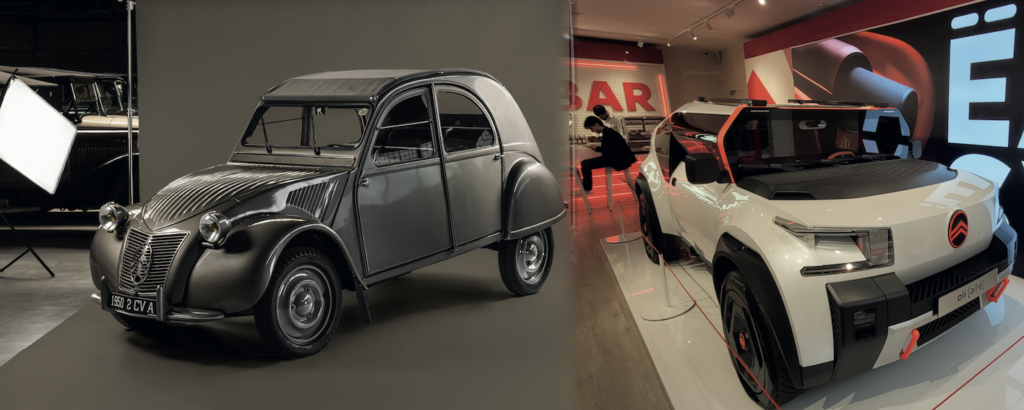
The small car that European manufacturers are missing – and which Europe might allow you to design – is a legitimate prospect at Citroën… is the design studio already working on it?
When the design team works on ten projects, perhaps only five actually see the light of day. Our role is to drive ideas forward, and what matters most is having a clear vision of where we want to take the brand. So, on the day you get the go-ahead for a new product, not only must we be ready here in design, but we must also present the concept almost immediately.
Can afvanced design help to reduce design lead times?
We have a project in our studios that aims to be the fastest in the group in terms of design. And we knew where to go thanks to advanced design. Because if you haven’t explored all the possibilities beforehand, and when you enter the management process with the engineers or even the sales team, and you’re told that the design doesn’t fit, it simply won’t work.
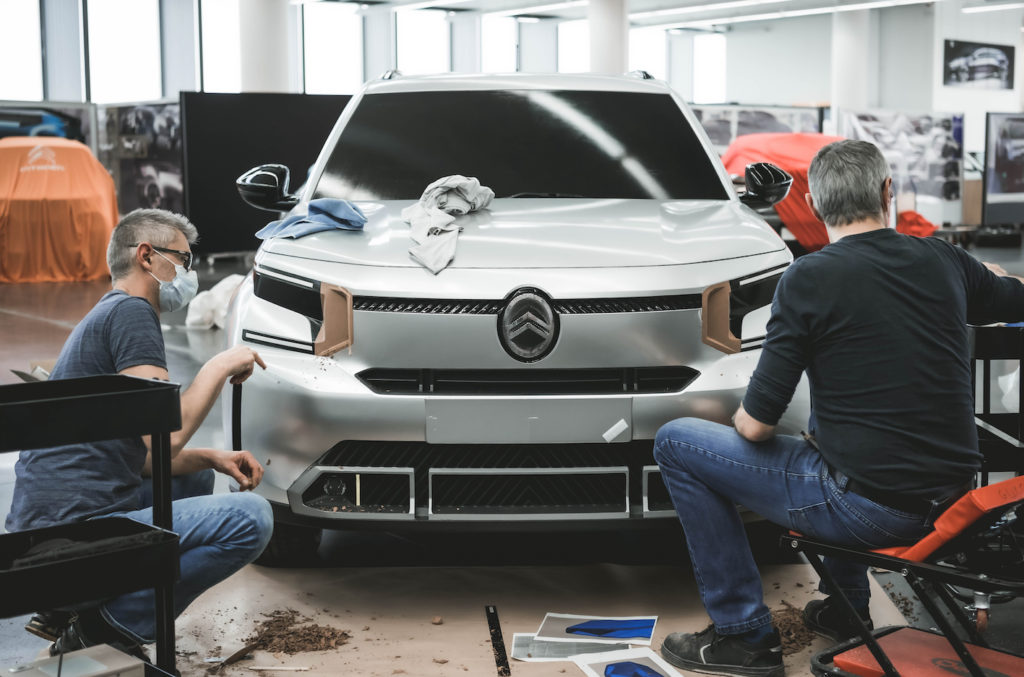
When the advanced design comes, it’s not just about style. Do you already take technical challenges and manufacturing constraints into account?
Yes, there is a dedicated concept development department at Stellantis led by Bertrand Dantec. We also have some brilliant people in design who ensure projects move forward quickly and positively because they can draw their own conclusions: Pierre Sabas, Bertrand Rapatel, Sylvain Henry, Jérémy Lebonnois, Antoine Gaillot, and efficient digital modellers such as Giani Piccoli, Lubin Wolf and many others. With this whole team, we can take a project in the early stages very far. And as I don’t want to focus solely on styling, the whole team pushes forward, and if a key issue needs changing, we challenge the engineering team right from the early stages, yes.
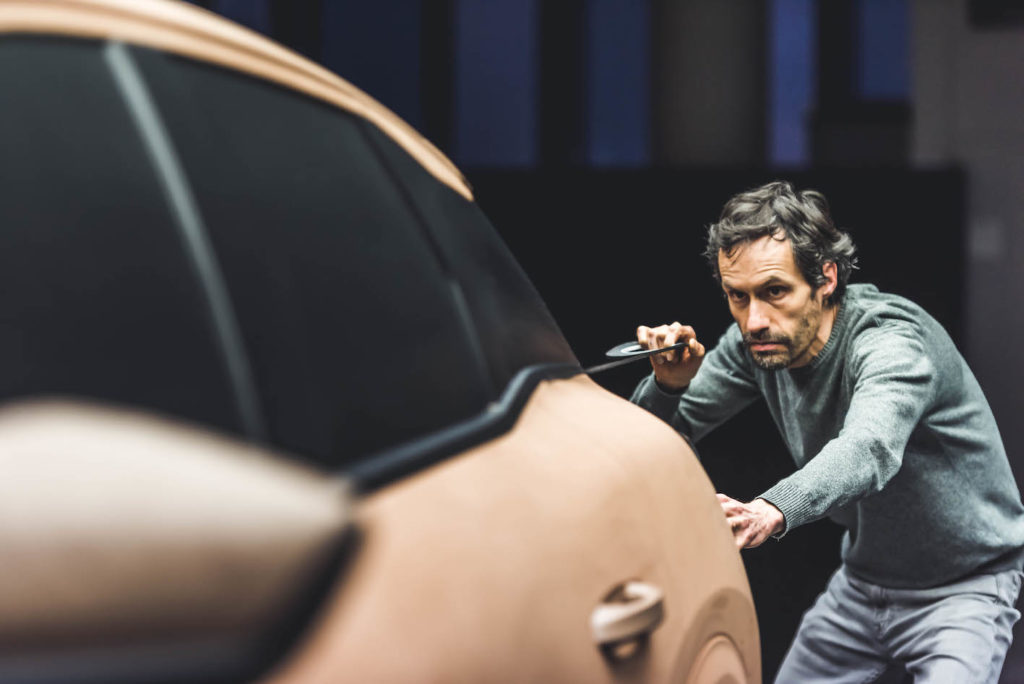
In the early development phase, are the designers the same as for the projects, or are they dedicated to this phase?
The designers are the same, and this is also something we’re building up with Bertrand Dantec and the engineering team: we all work together in the same early development space. I send my Citroën designers to Bertrand, where they’ll be working on the design at the heart of his department. That’s the best way to work. I wouldn’t want any designers other than those from Citroën to be working on our advanced design.
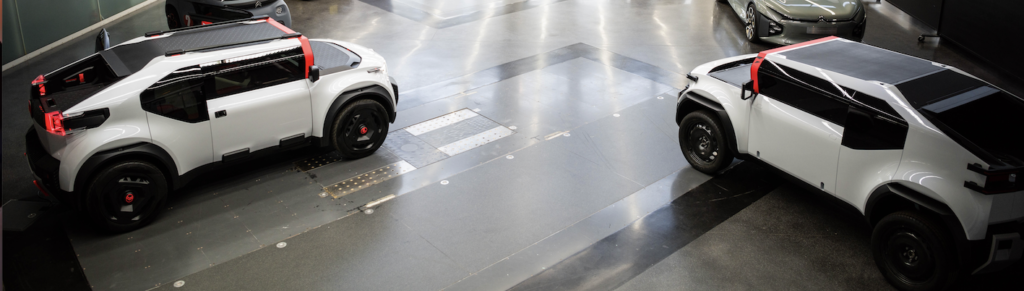
At this very early stage of the design process, do you work on full-scale models?
Yes, it’s possible to mill foam – it’s quick. We also produce some excellent semi-hollow models… But the extent to which we’re ahead of the schedule varies. For example, you might have a clear understanding of the project very early on, as in the case of a product refresh. In that case, you’ll already have a solid engineering schedule in place, or even a project manager. But we also have plenty of in-house design ideas that we pursue outside the usual planning process. These ideas are discussed with the brand and with Gilles Vidal. These models allow us to gain a lot of insight, to carry out tests and create a vision, as well as potentially winning over the rest of the company.
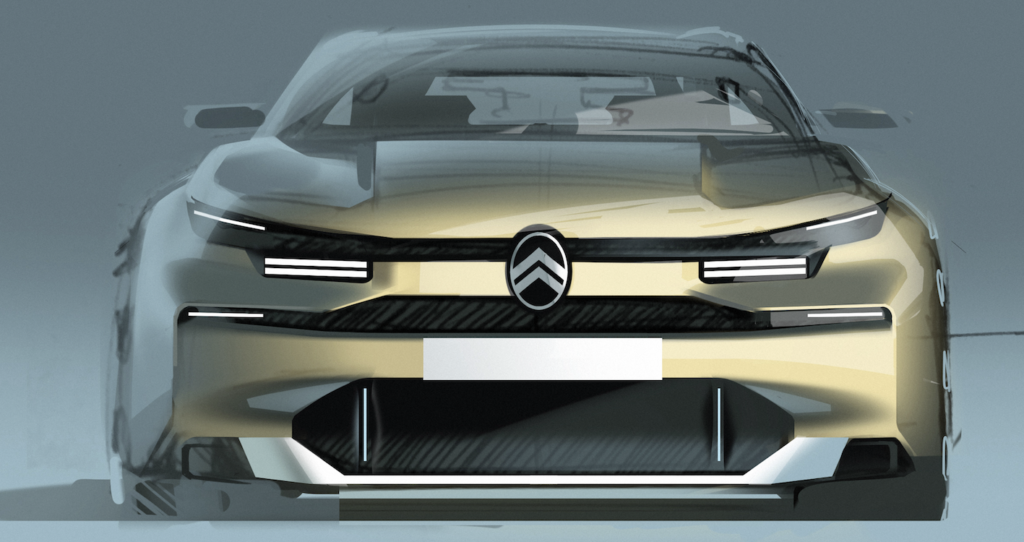
Does Citroën’s CEO, Xavier Chardon, take a keen interest in design?
Yes, we obviously work closely with Xavier and the product teams on all these projects. We hold regular meetings with marketing and sales as well. Today, we really have the opportunity to launch a new product or a new design. There’s a good vibe within the group, with some people focusing on practical matters like investments and return on investment, and others speaking from the heart. Put simply, it’s not all about Excel!
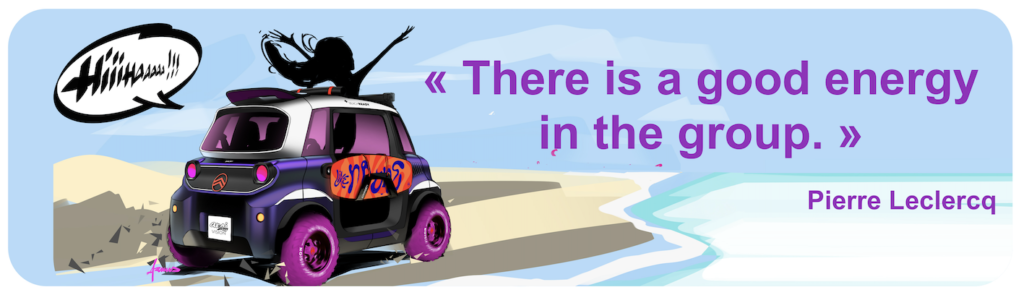
The advanced design is necessary, but does it still cut down on lead times today?
Everything is getting shorter; that’s where we, in terms of visionary mock-ups, don’t wait for the project to get underway before thinking about the future. By the time we’re told, ‘OK, you can start’, we already have digital or physical prototypes to present. We mustn’t, under any circumstances, reach a point where we have to launch a project without having anything up our sleeves! We’re the ones driving these super-fast processes. We plan ahead because in design, you have to take a step left and another to the right to go straight ahead, so you have to anticipate this process as best you can. We’ve never had such a clear vision of what the brand needed to achieve; we’re making things happen and driving the project schedule forward.
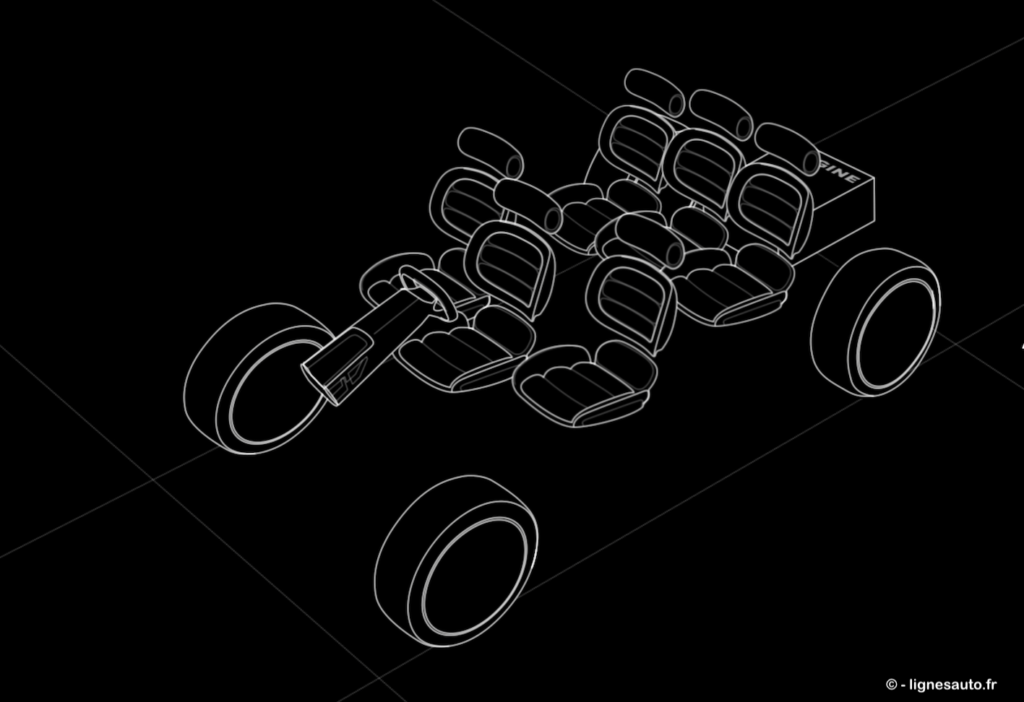
Things are moving so fast, particularly with AI, that one can imagine we might soon be able to do without the advanced design…
We use AI a lot, but not for that purpose. We mustn’t forget that artificial intelligence tools will make suggestions based on existing elements. The strength of the advanced design approach lies in enabling the brand, the company and the design team to understand a project’s full potential.
Now, at the start of 2026, how many programmes do you have at the preliminary design stage?
I can’t answer that question as it’s phrased, because within the studio we have different stages of development: advanced design, other studies not based on a project request, and projects moving from advanced design to the design phase… In my role, the most important thing is to provide a vision that aligns with the brand’s values, so that when we need to move quickly on a project to bring it into the product pipeline, we can proceed swiftly and efficiently because we’ll have already laid the groundwork.
Merci à Pierre Leclecrq et aux équipes de communication de la marque.