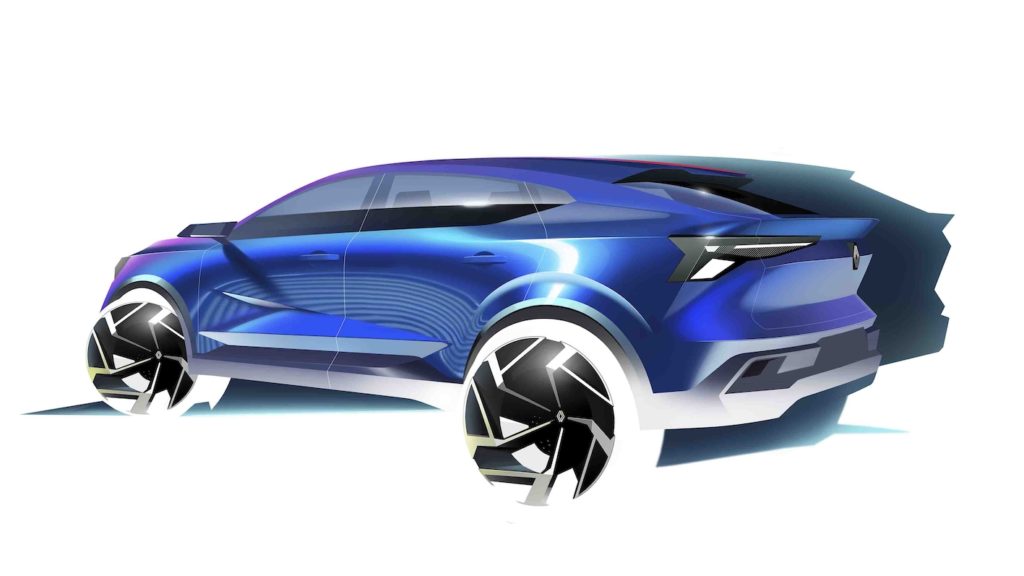
Launched in 2024 – the year it even became the presidential car for the 14 July parade – the Renault Rafale was unveiled… at Le Bourget, the birthplace of part of French aviation history. The reason? Its name is derived from an aircraft, the famous Caudron-Renault Rafale.
In the 1920s, Renault developed engines not only for its cars, but also for trains and aeroplanes. In 1933, driven by his passion for aviation, Louis Renault bought Caudron to create the company Caudron-Renault, and a year later, the Rafale was born with the aim of competing in the market. To mark the launch of the Rafale model in 2024, 90 years after the birth of the eponymous aircraft, Renault recalls that ‘the work of Marcel Riffard, the engineer who designed the Caudron-Renault Rafale aircraft, also influenced the design of the Nervasport and the Étoile filante.’
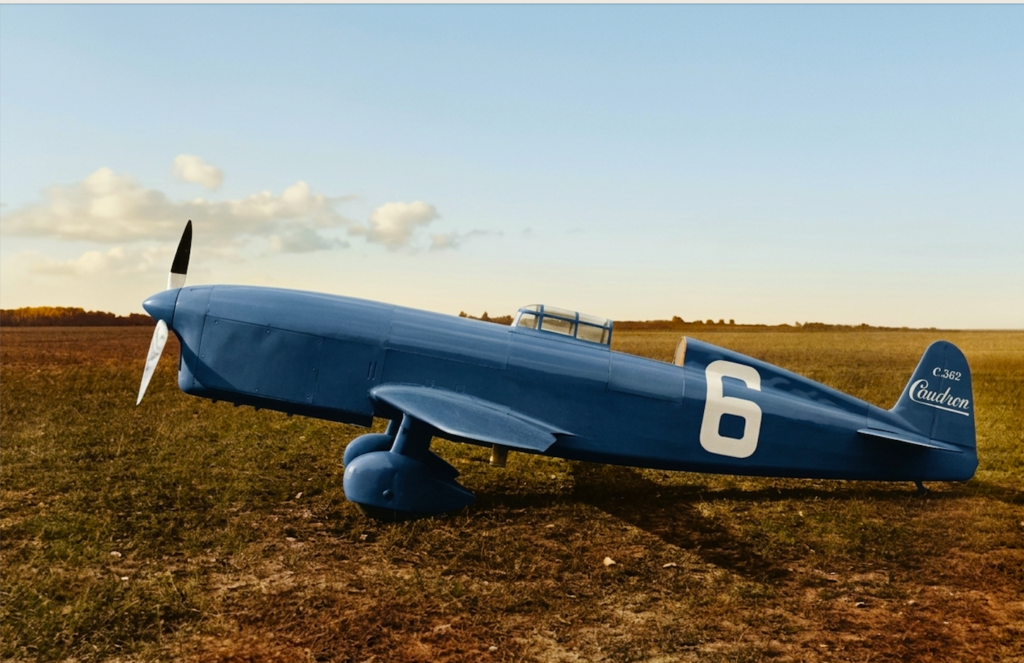
‘Rafale’ is therefore a fitting name for a model that sits at the top of the French manufacturer’s range. But this name is not new for a Renault car. Two projects have adopted it: one was merely a sketch, whilst the other resulted in two full-scale models.
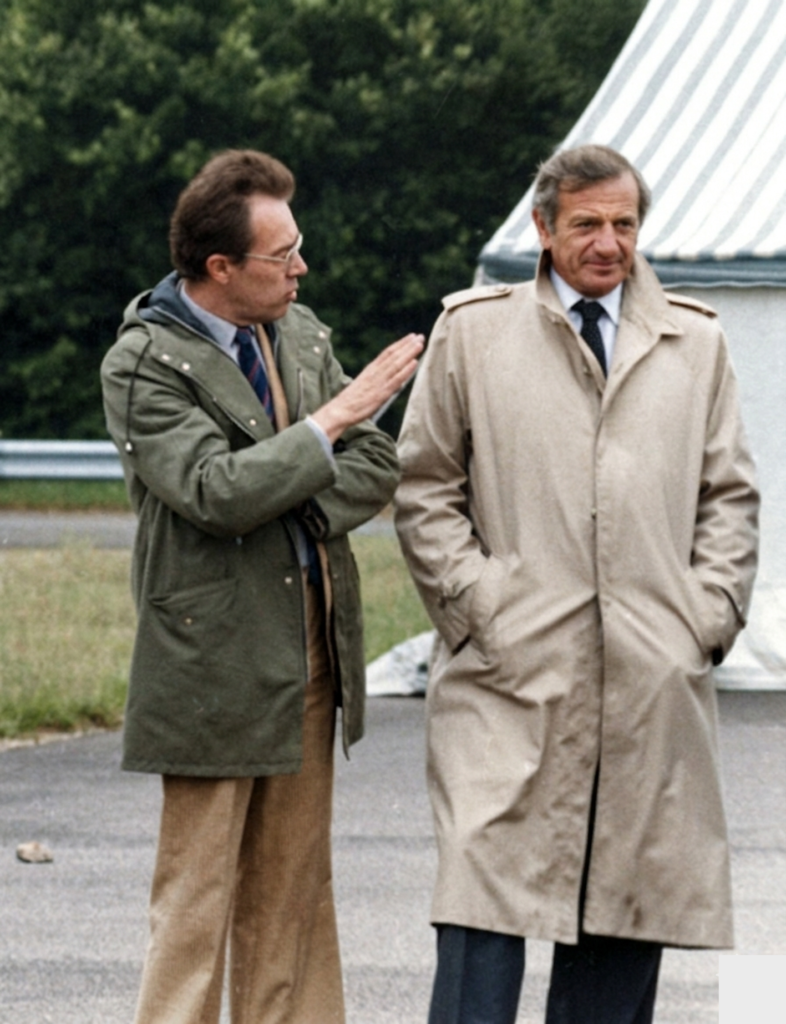
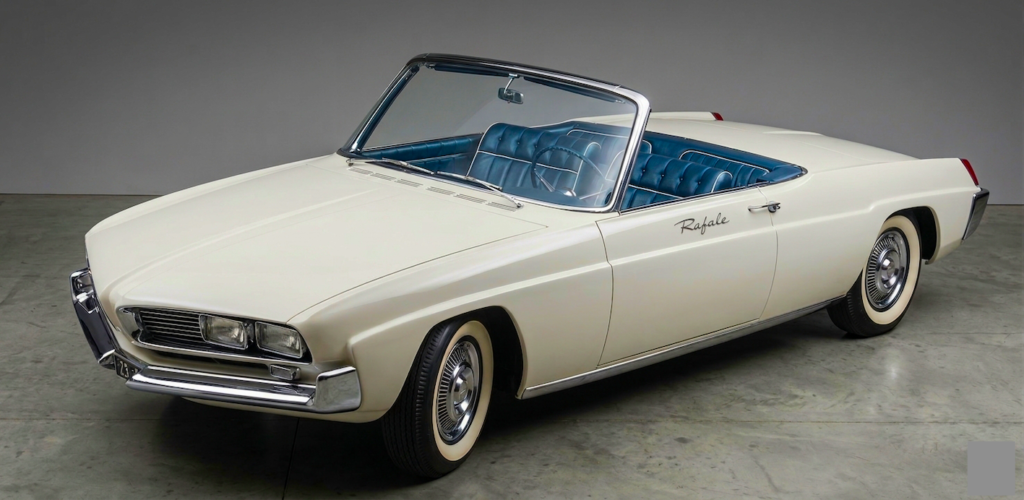
Let’s start with the most unusual: the Renault Rafale Cabriolet, designed by Gaston Juchet in 1962. Pictured above is Juchet on the left, alongside Renault’s boss in the early 1980s: Bernard Hanon. Gaston Juchet, head of design at Renault until Patrick le Quément took over in late 1987, designed three particularly landmark Renaults: the 1965 Renault 16, the 1971 Renault 15/17 duo and the 1984 Renault 25. Three iconic models spanning three different decades. This speaks volumes about the talent of this man (1930–2007), who was able to adapt his designs to societal changes for over a quarter of a century.
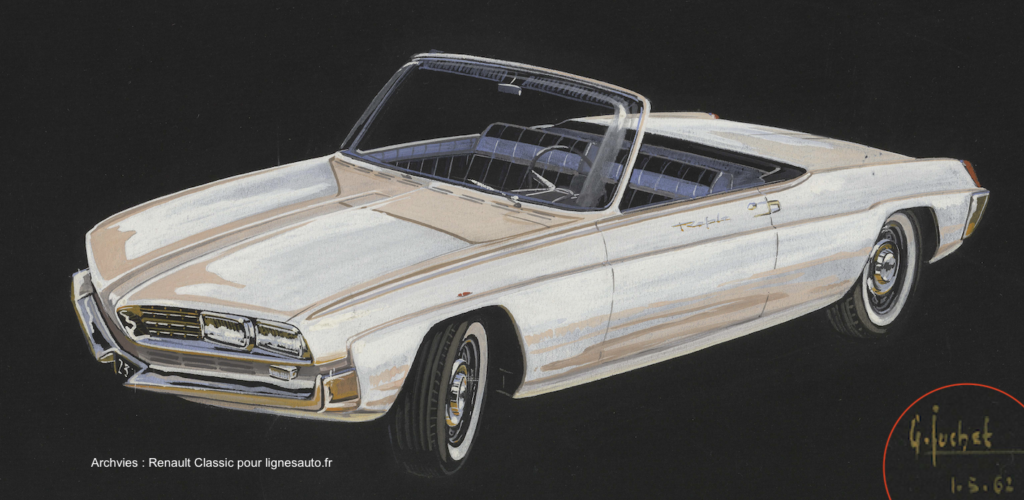
It was on 1 May 1962 that Renault’s head of design signed off on the second sketch of a convertible based on the Renault 16 concept studies. The May sketch, no doubt produced in Gaston Juchet’s small studio in the attic of the family home (1 May, Labour Day, though clearly not for everyone…), had been preceded in April 1962 by an initial green sketch of a Renault 16 convertible without the ‘Rafale’ name visible.
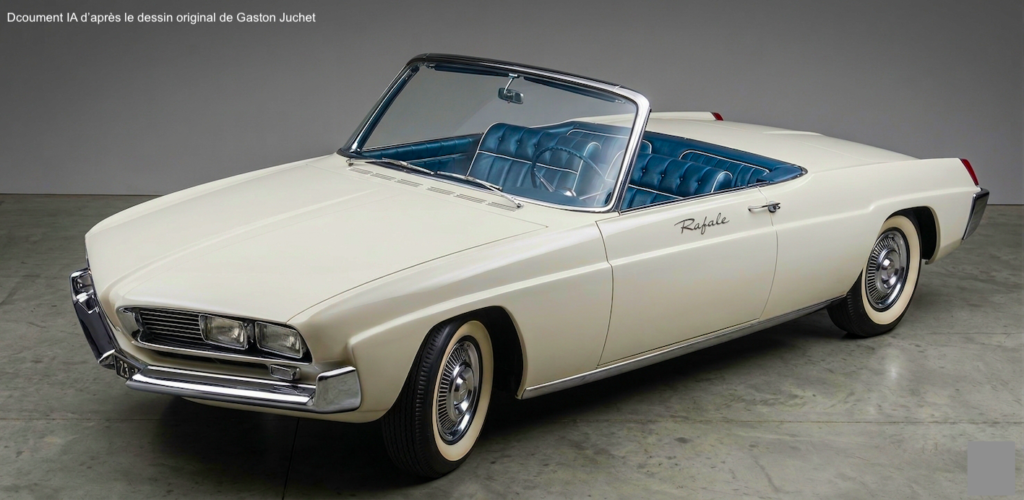
The design from May 1962, meanwhile, features the word ‘Rafale’ from the Caudron-Renault aircraft on its door (below). This makes sense in more ways than one. You will understand that this convertible was designed to allow four passengers to drive with the wind in their hair. But the other reason, far more personal and compelling, stems from Gaston Juchet’s passion for aviation.
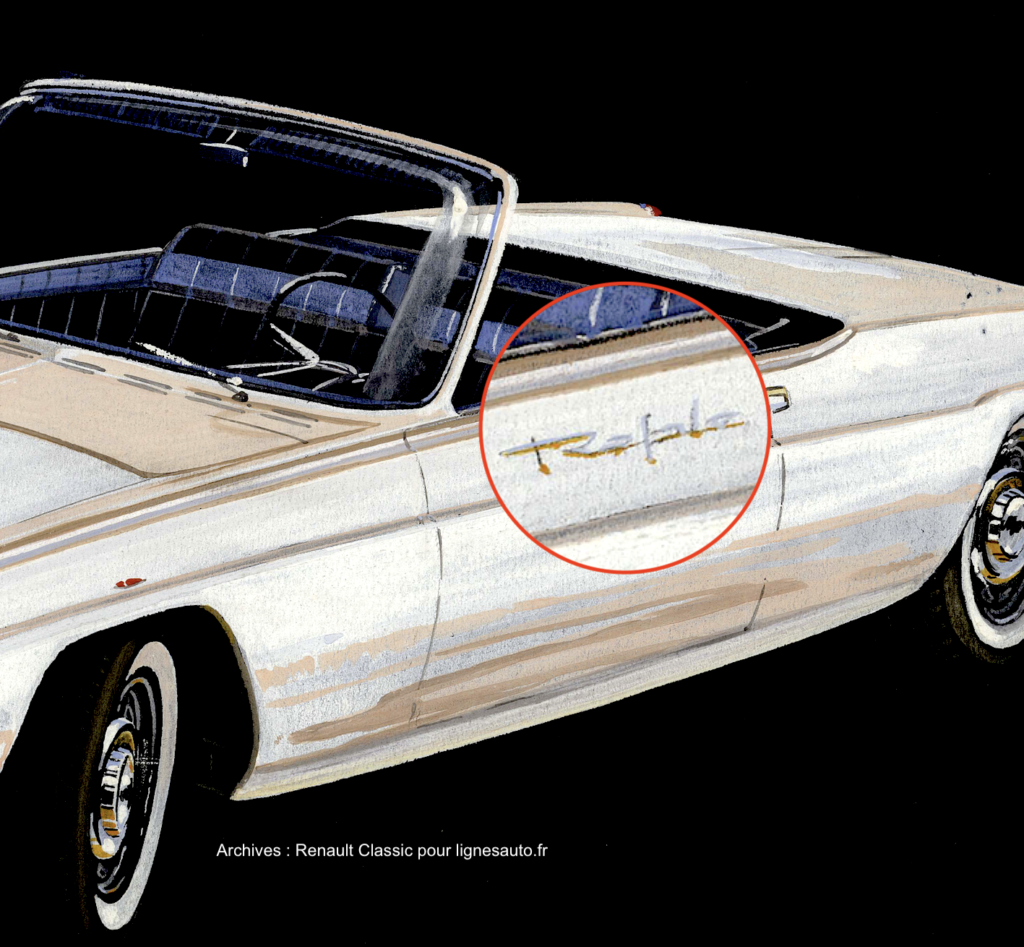
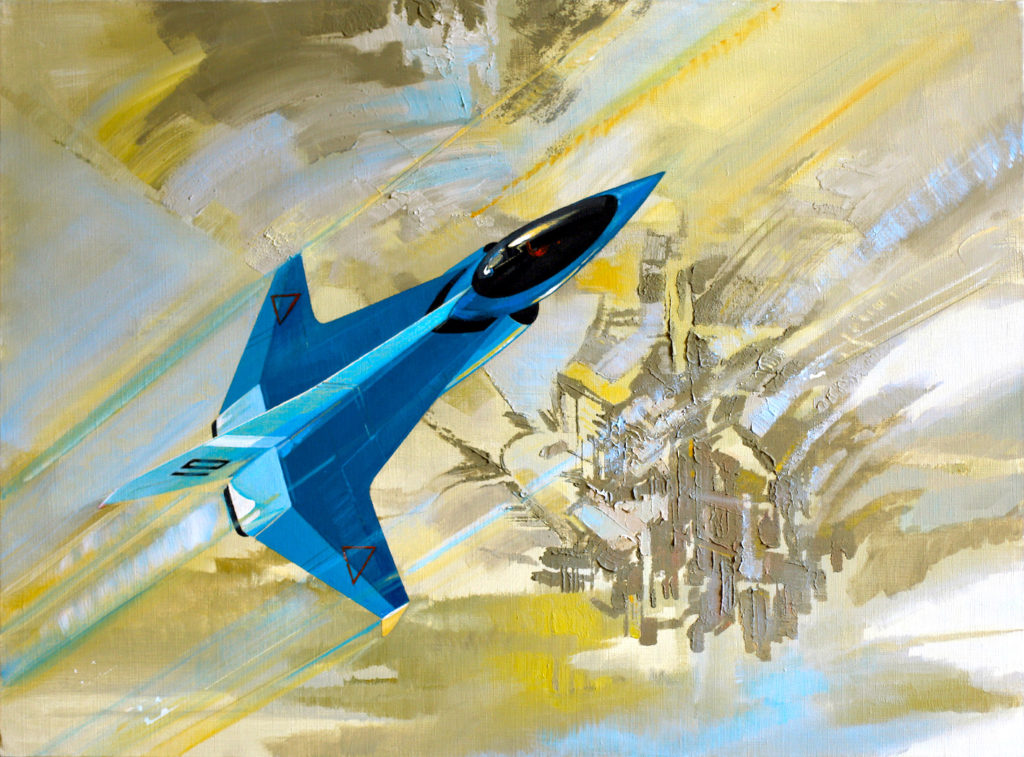
For his 2+2-seater convertible concept, which stemmed from his work on the Renault 16 he had just designed, Gaston Juchet used the name ‘Rafale’, as seen above. As an aviation enthusiast, he was perfectly justified in doing so! From the very start of his career, even before he set foot in the design studio, Gaston Juchet created aeroplanes, modern architecture, hyperrealistic portraits and abstract paintings, showcasing his many talents.
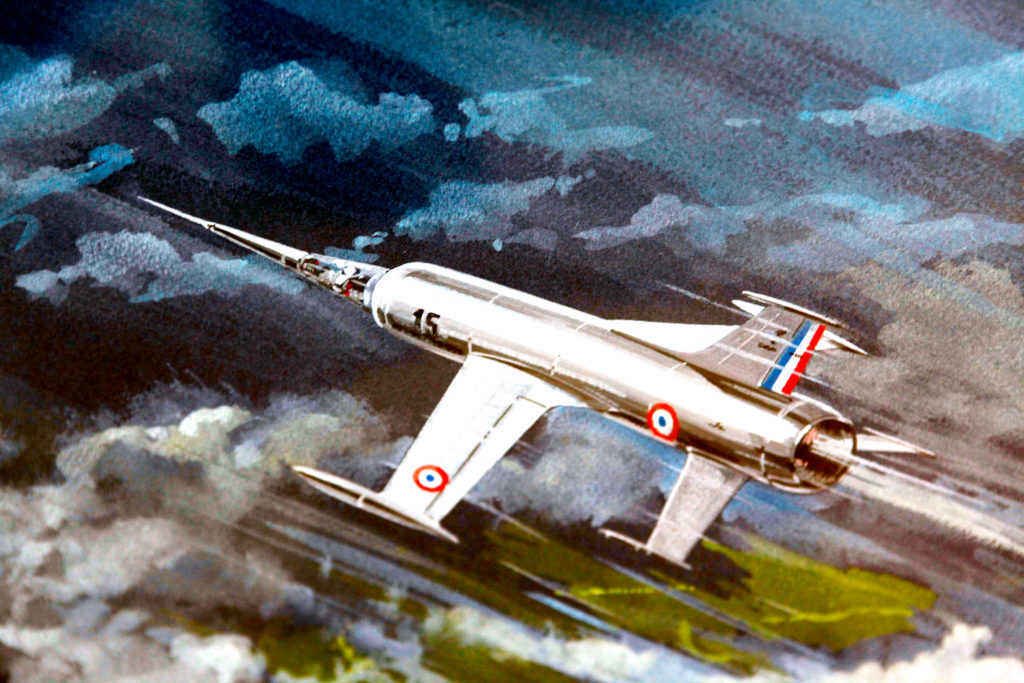
Among its many designs, we have chosen that of the French aircraft manufacturer Leduc: the 022 prototype with its mind-boggling design. The pilot sat in a fully transparent cockpit which, as it slid shut, enclosed him within this composite-material capsule. Behind the pilot was a 2,800 hp turbojet engine designed to enable the aircraft to approach Mach 2. A speed the aircraft would never reach. Leduc’s prototype 022-01 is on display at the Air and Space Museum in Le Bourget.
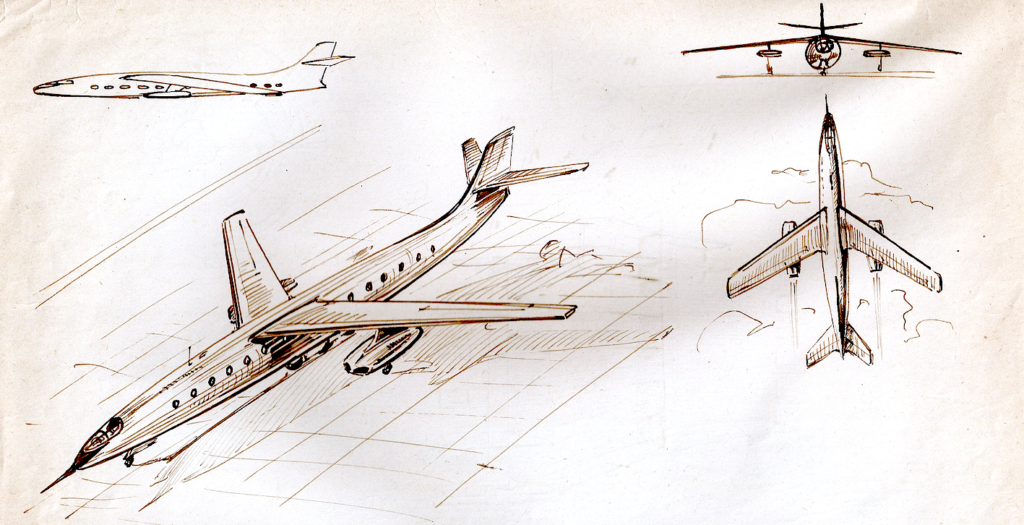
Aircraft were a great passion of Gaston Juchet’s from a very young age, as his son Jean-Michel recounts: “At the weekend, we would go to Civry to visit our grandparents, a little over 100 km from the western suburbs of Paris where we lived. Civry is close to the 279th Châteaudun Air Base (1934–2014). It was here that my father, Gaston, at the age of 14, witnessed the liberation of the village in August 1944.” Later, Gaston Juchet almost naturally turned to studying engineering, specialising in aviation mechanics but also, and above all, in aerodynamics.
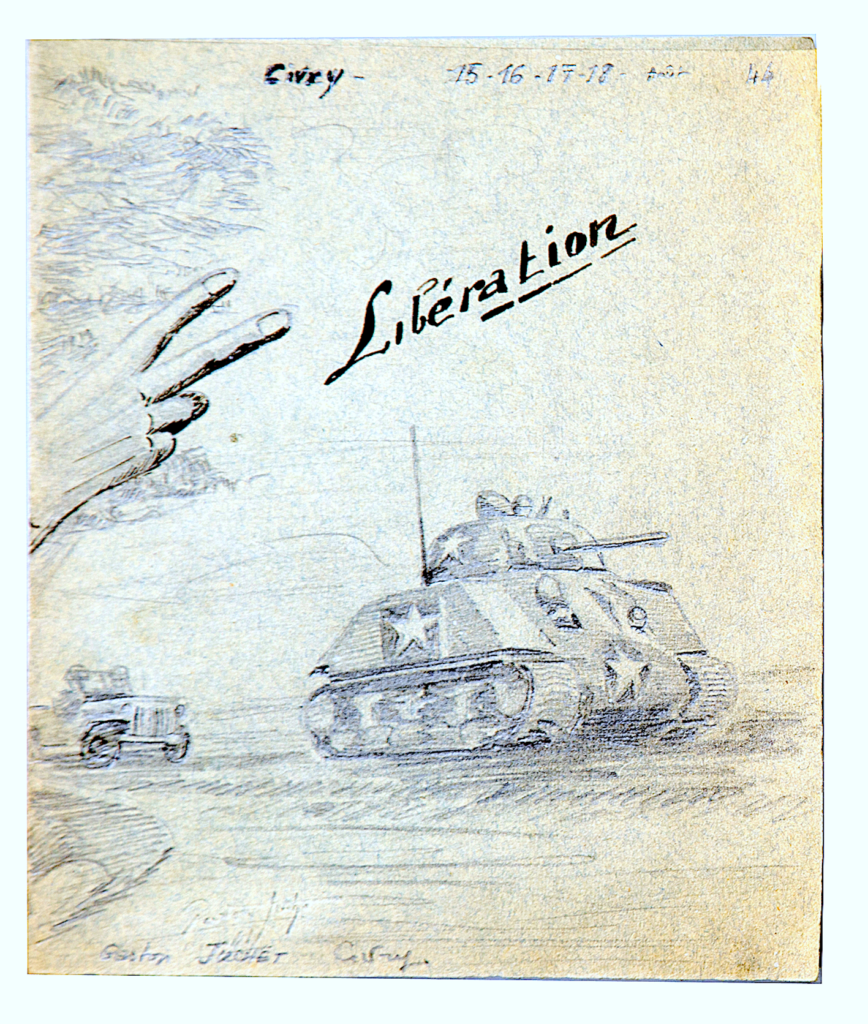
With a background in aerodynamic engineering, Gaston Juchet joined Régie Renault in 1958, before moving to the design department in the early 1960s. Jean-Michel Juchet recalls, “after Fernand Picard left the design department, Yves Georges and Claude Prost-Dame showed a particular interest in design and its development.” Gaston Juchet arrived in a department that he significantly overhauled until the late 1980s.
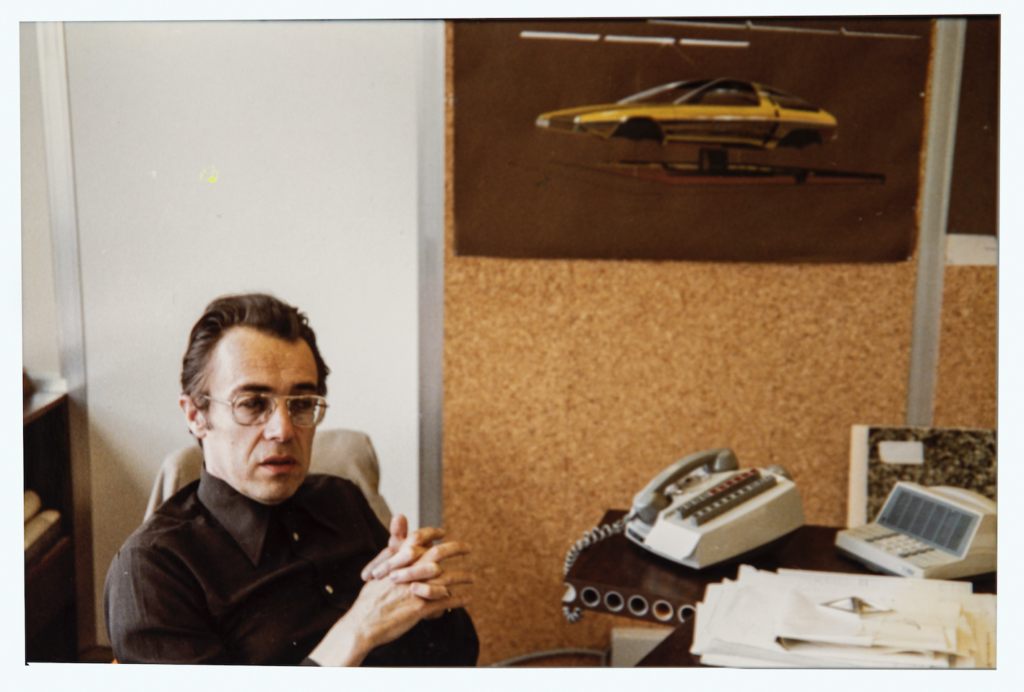
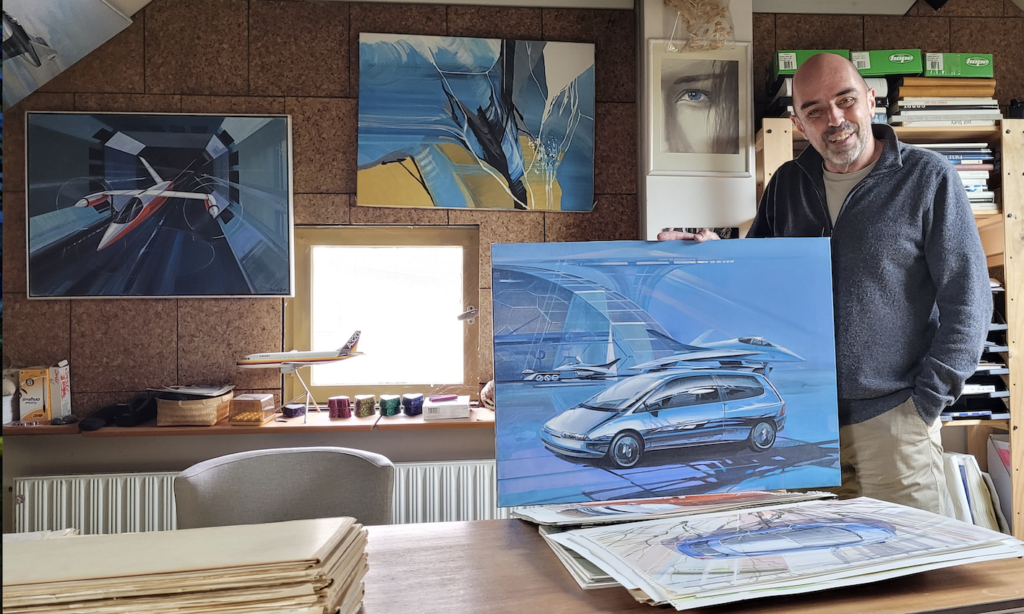
Below, we are welcomed by Jean-Michel Juchet, the eldest son of Gaston Juchet and brother to Henry, Laurent and Alain, in the great designer’s studio, in the attic of the family home. Behind the armchair where Renault’s head of design would sit when he came to work in his small private studio, there is a notable collection of paintings and model aeroplanes.
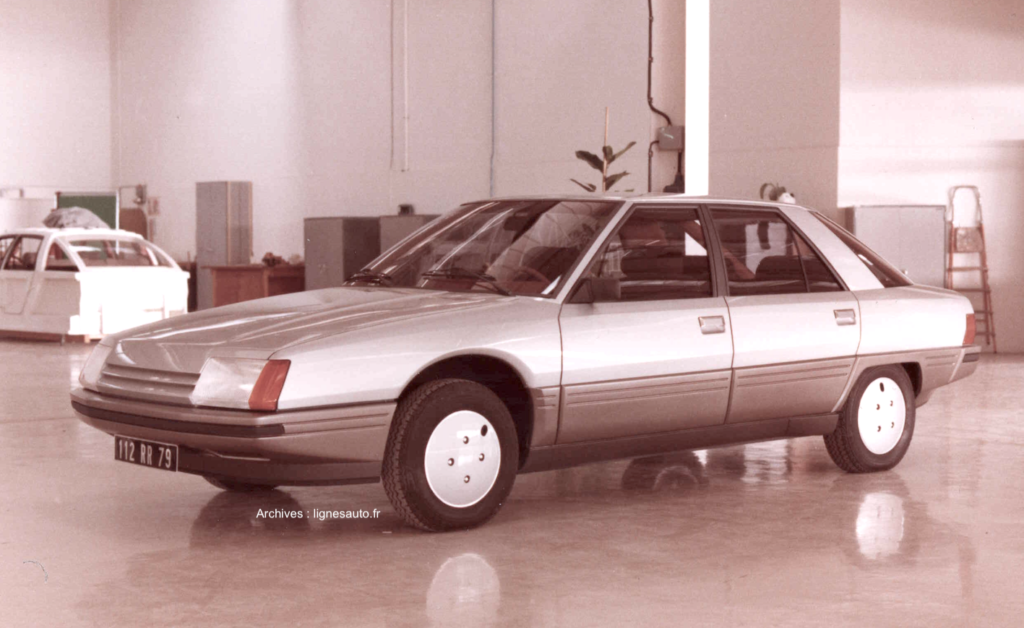
But Gaston Juchet was not the only one to revive the name ‘Rafale’ for a Renault car. During the development of the X29 project, which would give rise to the Renault 25 in 1984, the designer Jean-François Venet (below), who had joined Renault’s design team in 1977, proposed an aerodynamic model known internally as the Rafale. This model would remain in contention right up until the final design decision, competing directly with that of… Gaston Juchet.
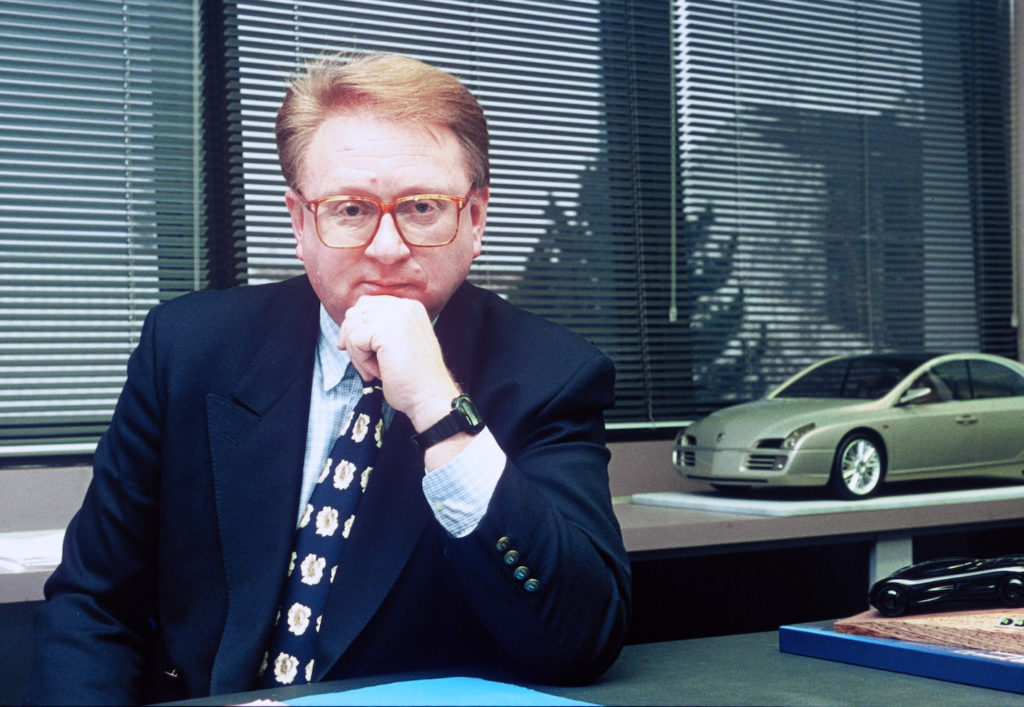
In the end, it was Gaston Juchet’s proposal that became the Renault 25, following a long period of constant changes to the specifications, which even affected the car’s dimensions just a few months before production began! Jean-François Venet’s model, shown below, did not go unheeded and influenced the numerous aerodynamic studies carried out by Renault’s various design studios.