Patrick le Quément had been in charge of design at Renault for a few months when, in October 1988, he compiled an album published by Automobilia in Italy. It features around forty old models photographed in black and white, some of which are of mediocre quality. It must be said that some of these images date back to the 1960s. We decided to select 12 of these extraordinary Renaults and chose to make them easier to understand by digitising them, whilst of course preserving the original document to remain faithful to the designers’ creations.
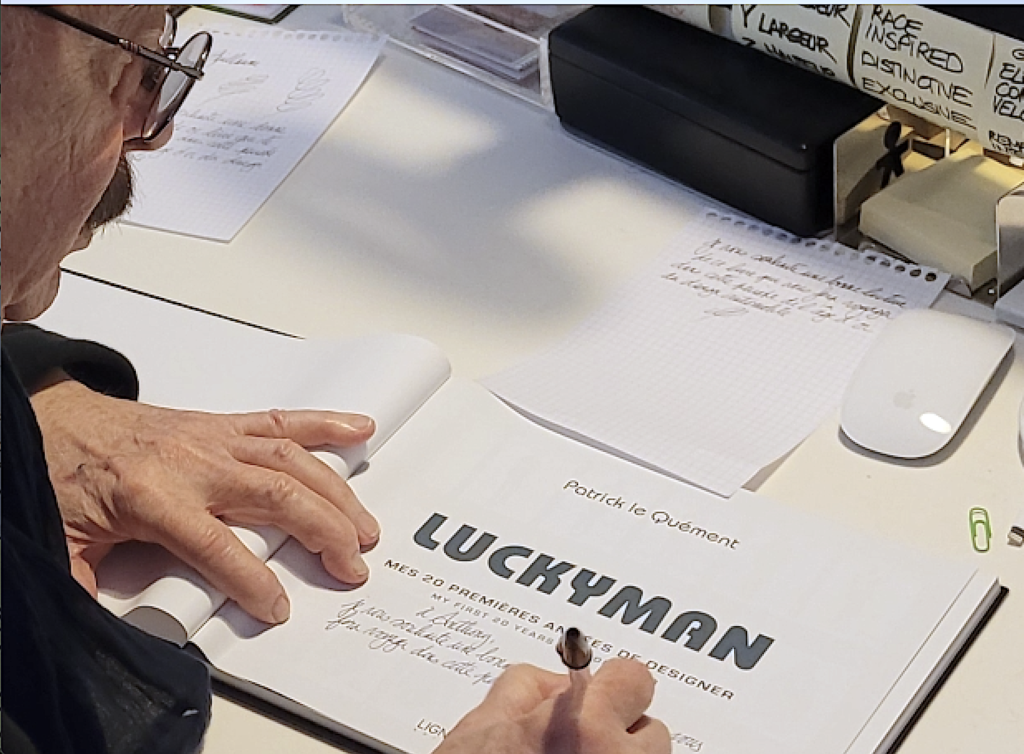
Patrick le Quément (pictured below at a book-signing for his book ‘Luckyman’) imagines that “readers of this feature will have the same reactions as I did when I first discovered forty studies unearthed from the archives of Renault’s Design Department: surprise, even disbelief, amusement, and emotion.” An emotion we shall share with you as we begin this first part with six surprising models.
Before we begin, it is worth noting that this short black-and-white feature was put together just as Renault was unveiling its high-tech saloon concept car – the Mégane – at the Paris Motor Show. At the show, it went head-to-head with its two French rivals, the Citroën Activa and the Peugeot Oxia, showcasing the intense creativity of the three French design studios.
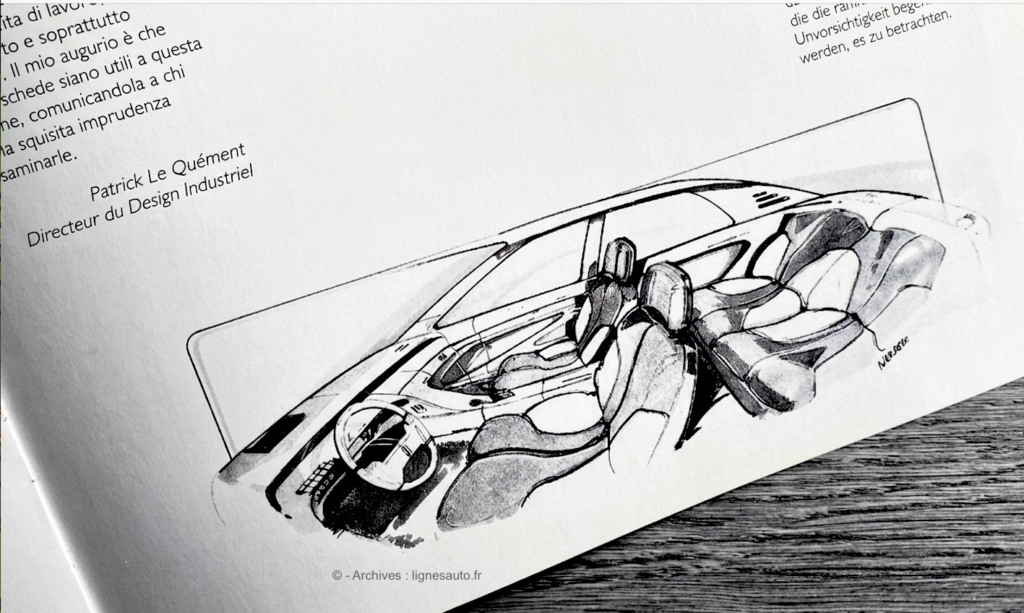
Le Quément writes in this collection that “everyone remembers what Renault was like in the 1930s: a manufacturer of prestigious grand tourers and the embodiment of a tradition of elegance and quality. (…/…) It is for this reason that this feature concludes with a completely new model: the Mégane. It brings the feature to a close chronologically, but it also marks the birth of a new Renault at the confluence of the two traditions just mentioned.“
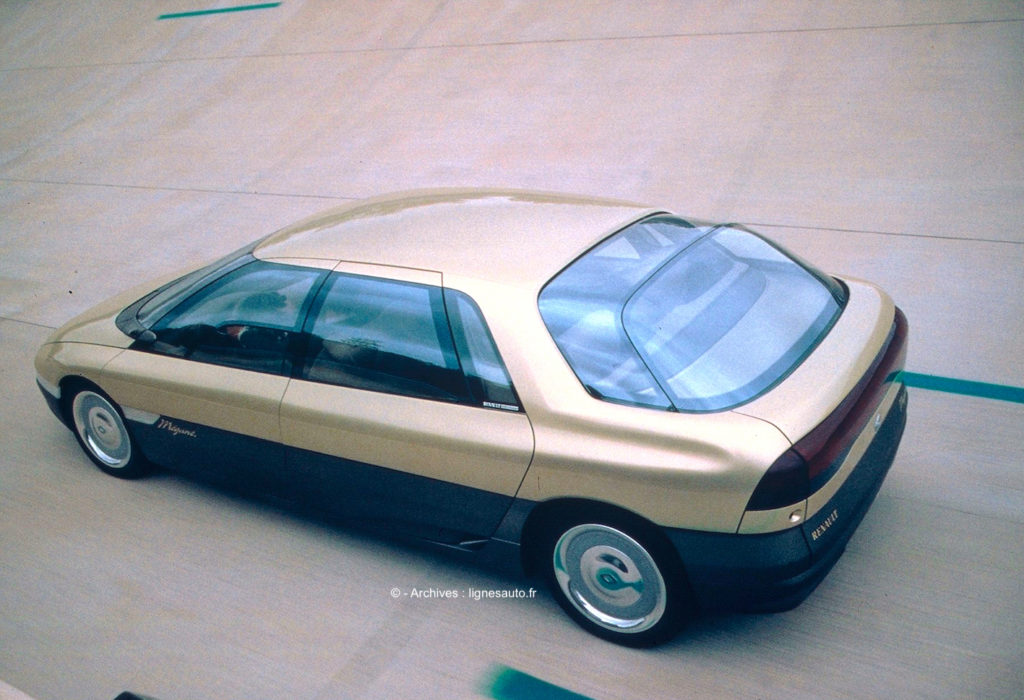
For the record, the newly arrived Patrick le Quément is not the one behind this concept, which, incidentally, he does not particularly care for. He is more focused on a future centred on strong concepts and equally striking design. He has just sent a letter to Raymond Levy, the boss of Renault, in which he expresses his desire to create, in the short term, concept cars for a roadster (the 1990 Laguna) and a compact MPV (the 1991 Scénic). These would prove to be landmark models, marking the true beginning of a new era for Renault design. But let’s return to our first six models from this fascinating booklet. And to begin with, let’s go back 65 years…
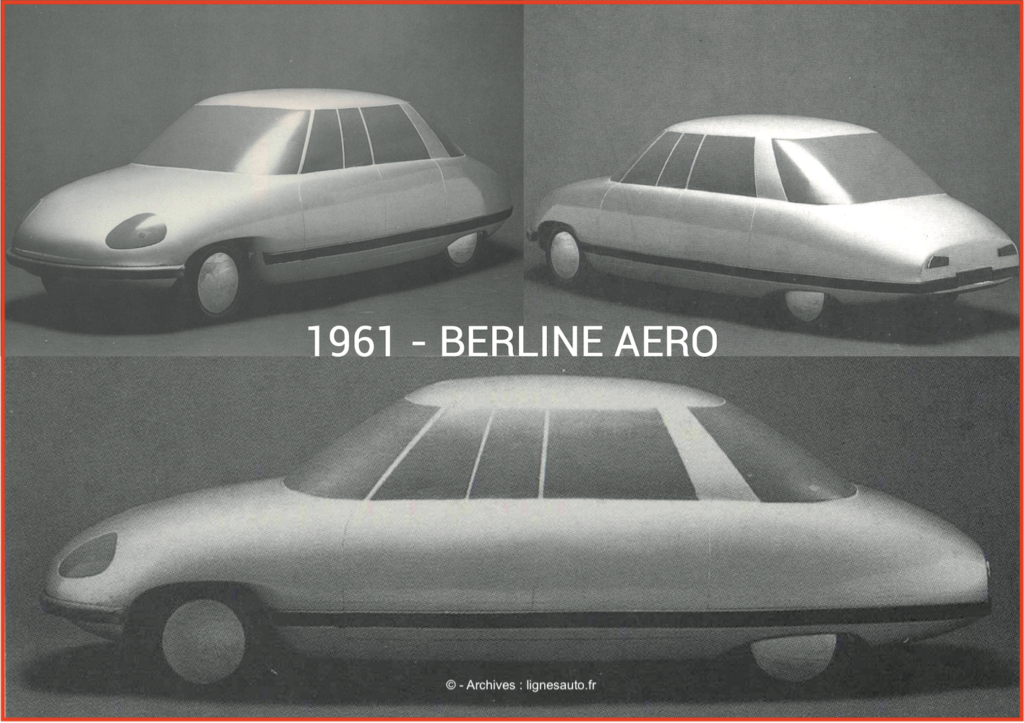
A model of a saloon simply called the ‘Berline Aero’ was being sculpted whilst Gaston Juchet, Renault’s head of design, was working on “his” Renault 16, which was due to go on sale in 1965. But Juchet found time to work with Louis Luc on this Berline Aero, which touched on a field in which his training had made him an expert: aerodynamics. Meanwhile, in 1961, Renault had just unveiled its Renault 4, its first front-wheel-drive saloon, which Pierre Bercot, head of Citroën, would come to detest, judging it to be a copy of his 2CV!
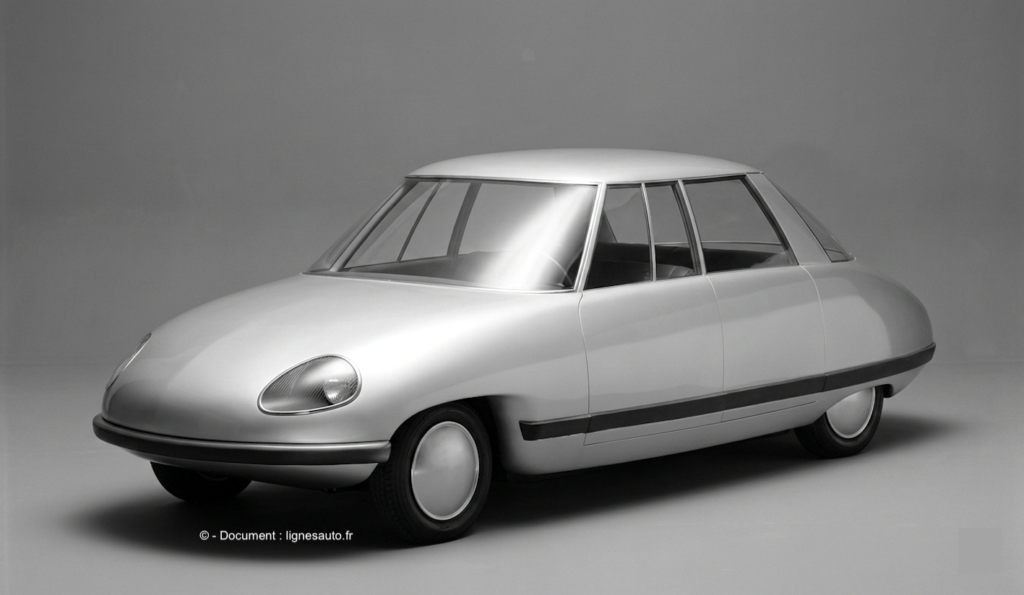
And whilst this small scale model is taking shape, the Renault 8 hasn’t even been unveiled yet. All this is intended to pay tribute to the elegance of this car, whose wheel arches and windscreen in particular – not to mention its bulbous shape – draw on the engineering knowledge of the time. And contrary to what its size might suggest, this car is designed to be fitted with a 2.0-litre engine.
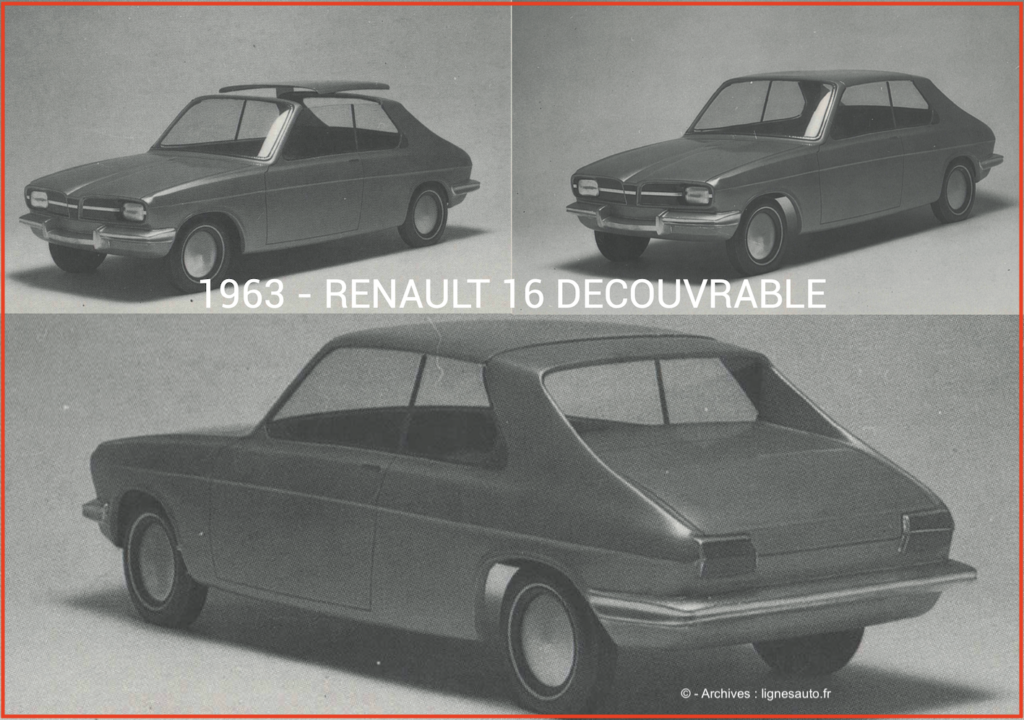
As can be seen above, in 1963 the Renault 16 was certainly not yet on the market, but several body variants had already been conceived. Notably, this ‘Targa’ concept based on a two-door Renault 16.
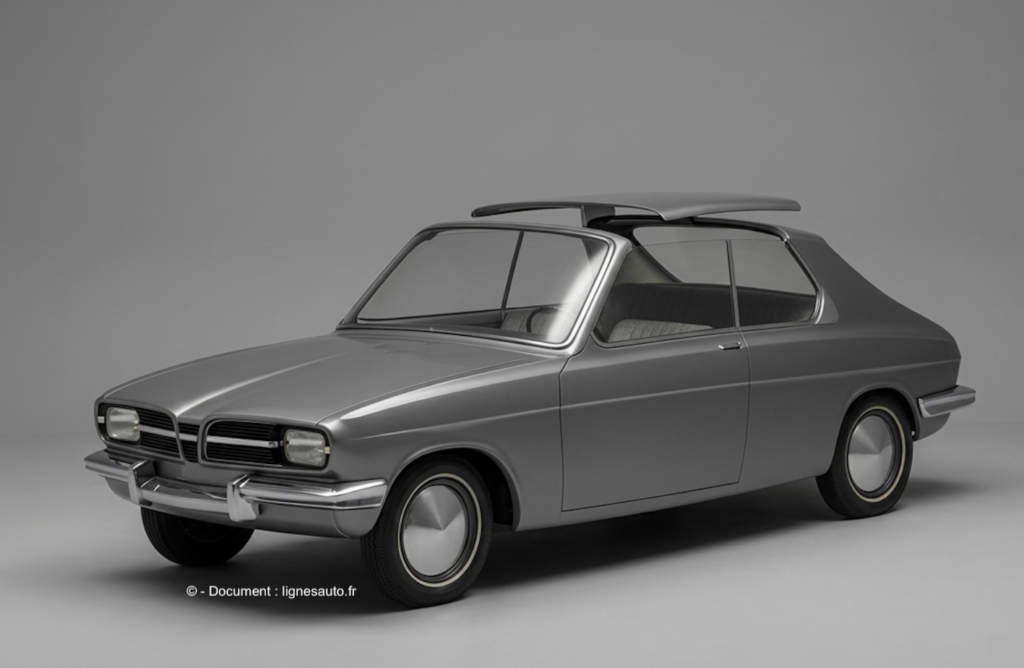
We owe this project to Michel Belligond, the designer of the Alpine A310, whose talent you can see in action here: https://lignesauto.fr/?p=10564 . What makes this two-door Renault 16 unique is that it does away with the tailgate and features a fully removable roof. Added to this is the absence of a B-pillar, creating a feeling similar to that experienced in a convertible.
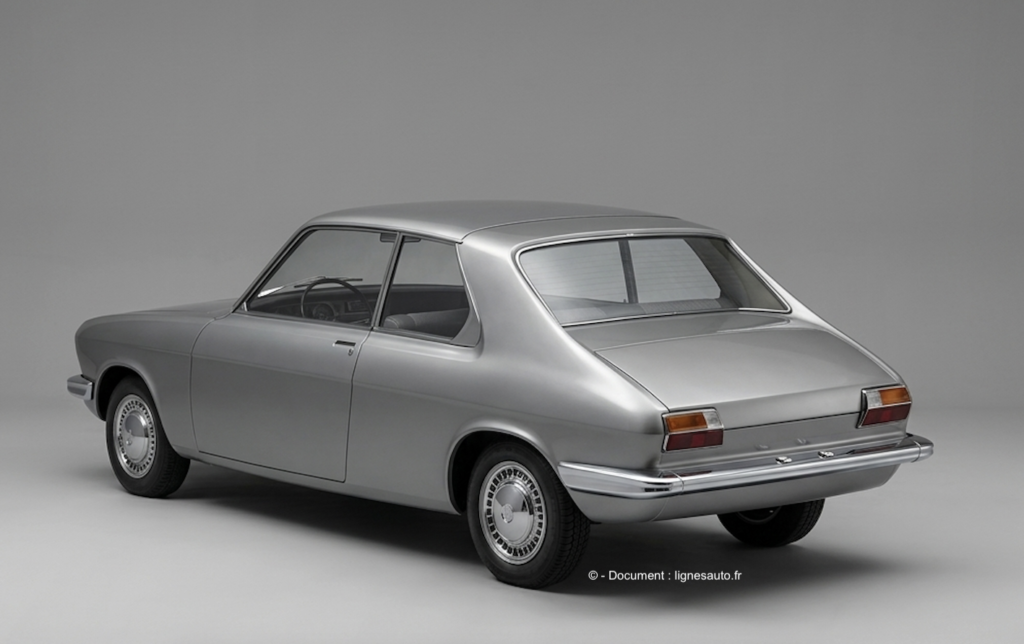
With its large roll bar, the Renault 16 “Targa” did not neglect an area in which Renault would become increasingly involved: safety. The BRV safety prototype would be unveiled ten years later. Like the estate and coupé versions of the Renault designed by Gaston Juchet, this open-top model would never progress beyond the concept stage.
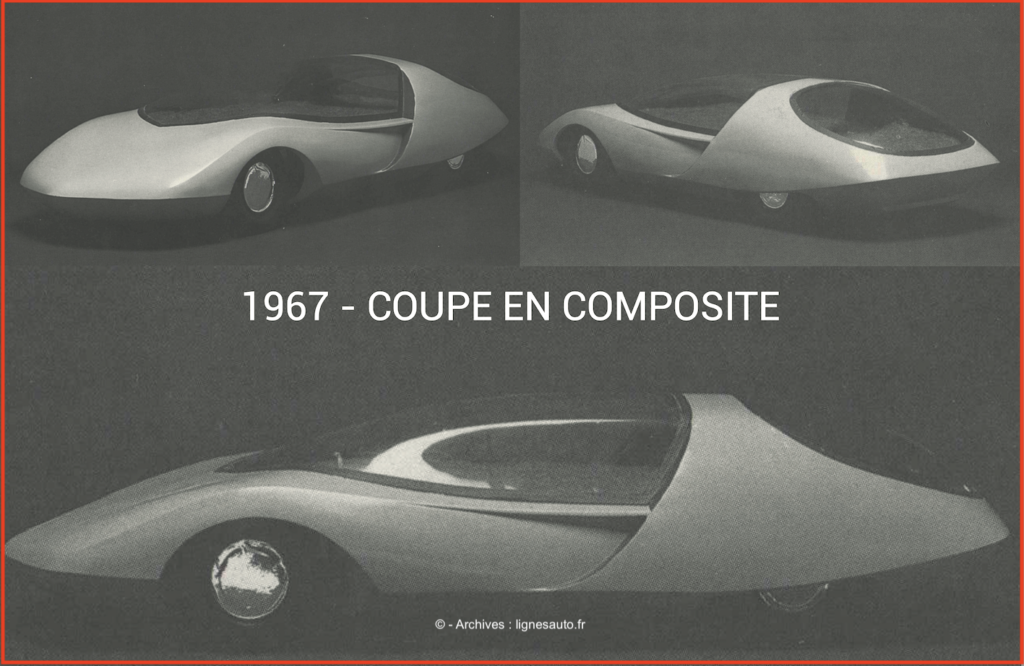
In 1967, several projects were on the desk of head of design Gaston Juchet: a large saloon designed in collaboration with Peugeot; the launch of a coupé and a convertible based on the Renault 12, which was still in the production phase; and the more long-term project for the 1972 R5. Other programmes were halted outright, such as the “RAG” for a Renault Alpine Gordini coupé. This did not prevent Renault’s small team of designers – barely a dozen in number – from branching out into new areas of design.
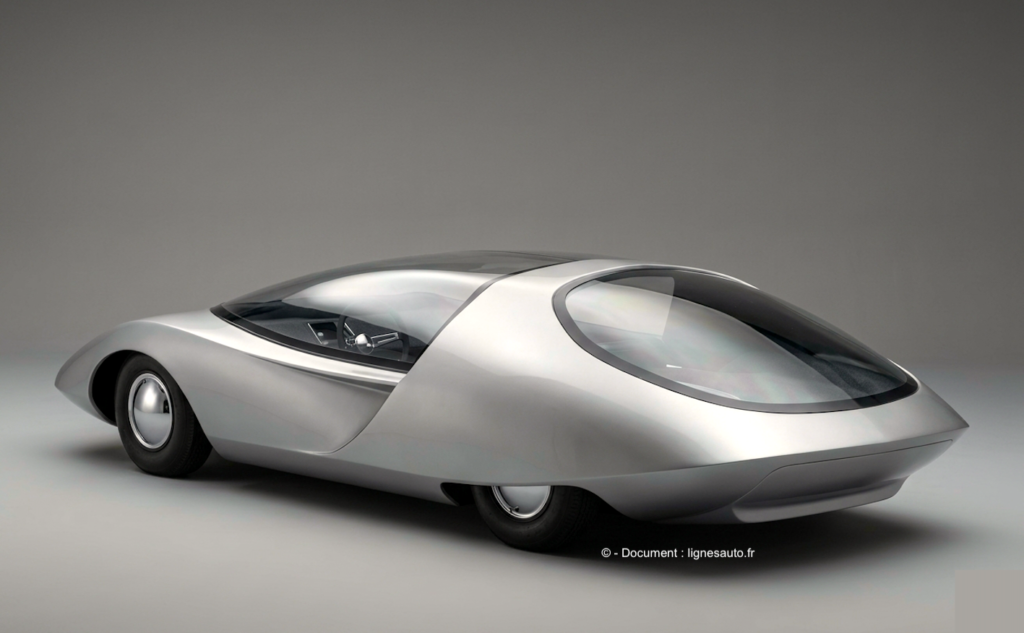
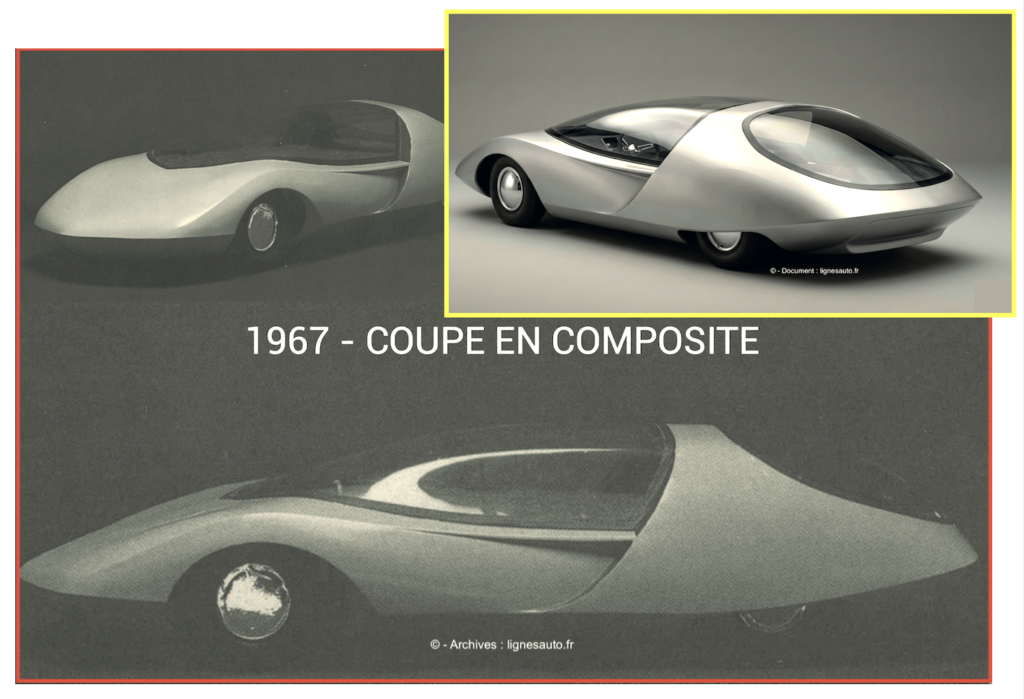
This is the case with this ‘sports coupé’ designed by Louis Luc, which, according to the catalogue, ‘anticipates the future with a very tapered front end and a body made of composite materials.’ This free-form study was not followed by a full-scale model. Yet, against the backdrop of the 1960s, it stands out as a beacon of modernism. In 1967, mankind was still two years away from setting foot on the moon.
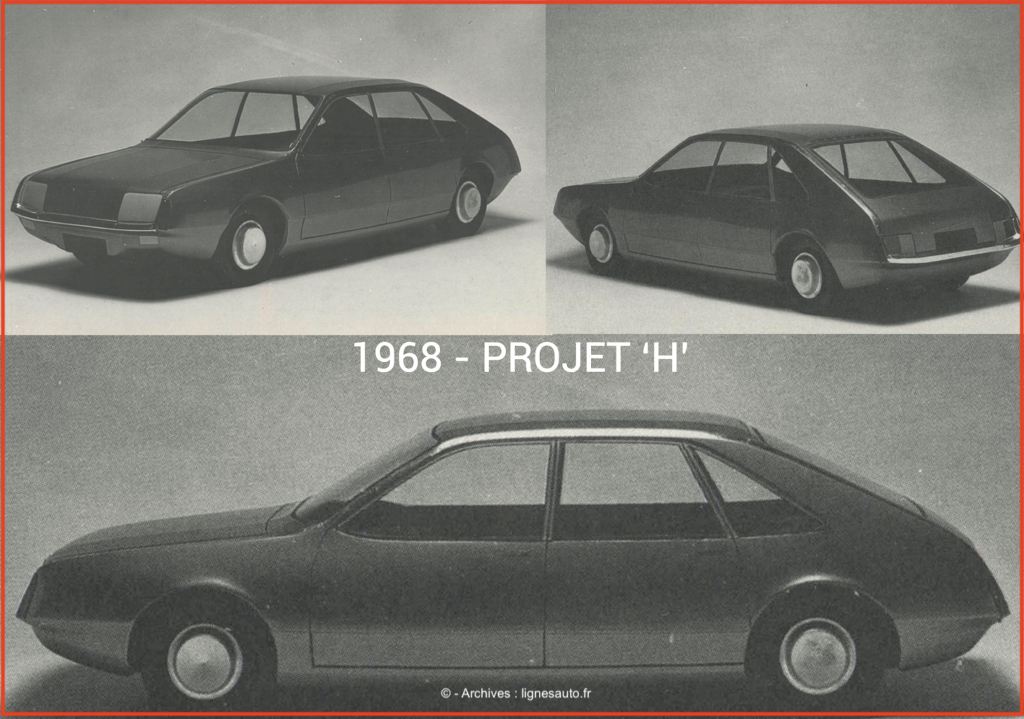
In his accompanying text to the models in this collection, Patrick le Quément explains that “Renault was a magnificent name in the 1930s, a close relative of the greatest names in the luxury industry; one need only place it in that era, when France reigned supreme over the arts and fashion throughout the world, to begin to pronounce it differently, to savour it like a fine vintage. A legacy that must never be forgotten.” So the late 1960s marked the brand’s return to the luxury market.
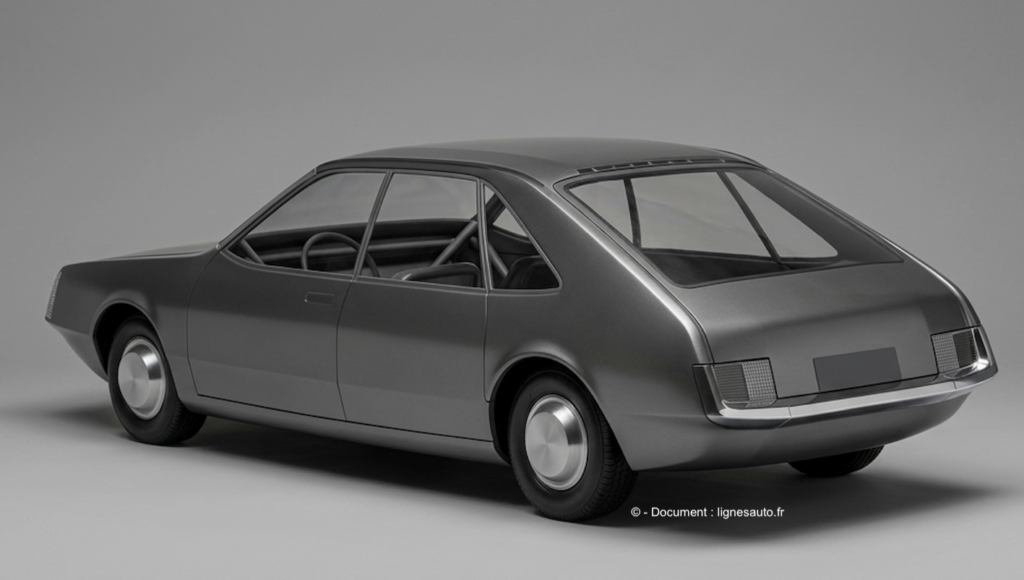
The H project, carried out in collaboration with Peugeot following agreements signed in 1966, was intended to restore the French car industry to its former glory. Peugeot, for its part, commissioned the Italian firm Pininfarina to design the H. Renault set its own team to work, including Robert Broyer (model shown above), who had just completed the Renault 12, due to go on sale in 1969.
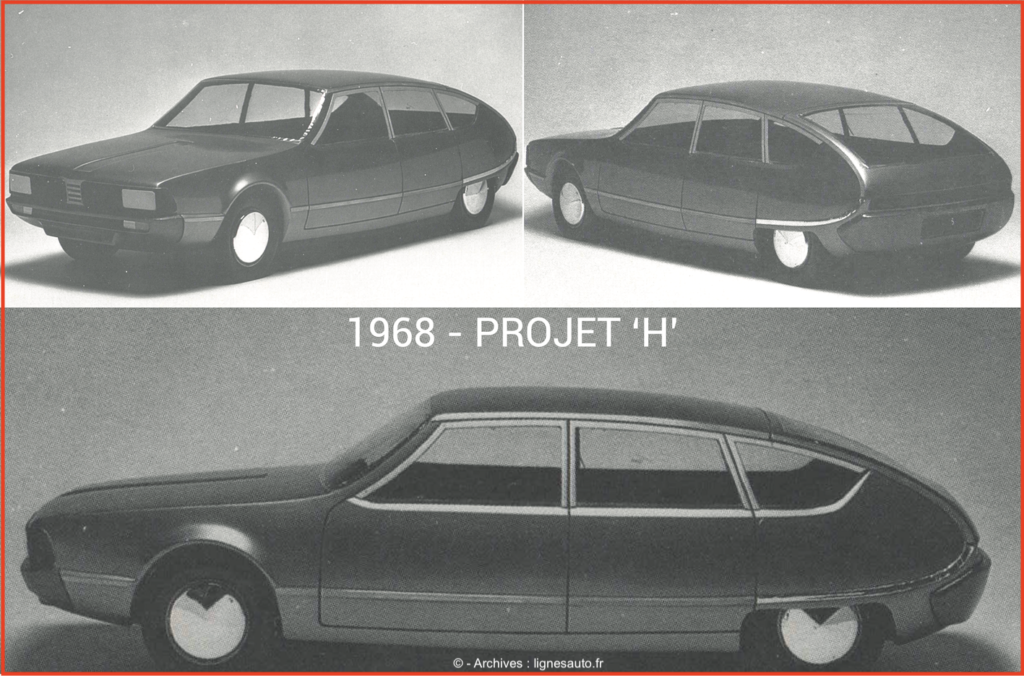
But this programme for a new large Renault saloon did not overlook its functional aspects, as Patrick le Quément emphasised in 1988: “Renault design is also about the belief that the same functionalist approach can be applied to the mid-range and then the high-end markets, and a rather heroic effort in this direction, from the bottom up through aborted programmes and commercial semi-failures. This relentless struggle was accompanied by a quest for quality, culminating in the first major success: the Renault 25 (1984).” But long before the R25, the H project gave rise to several variants, including this saloon version.
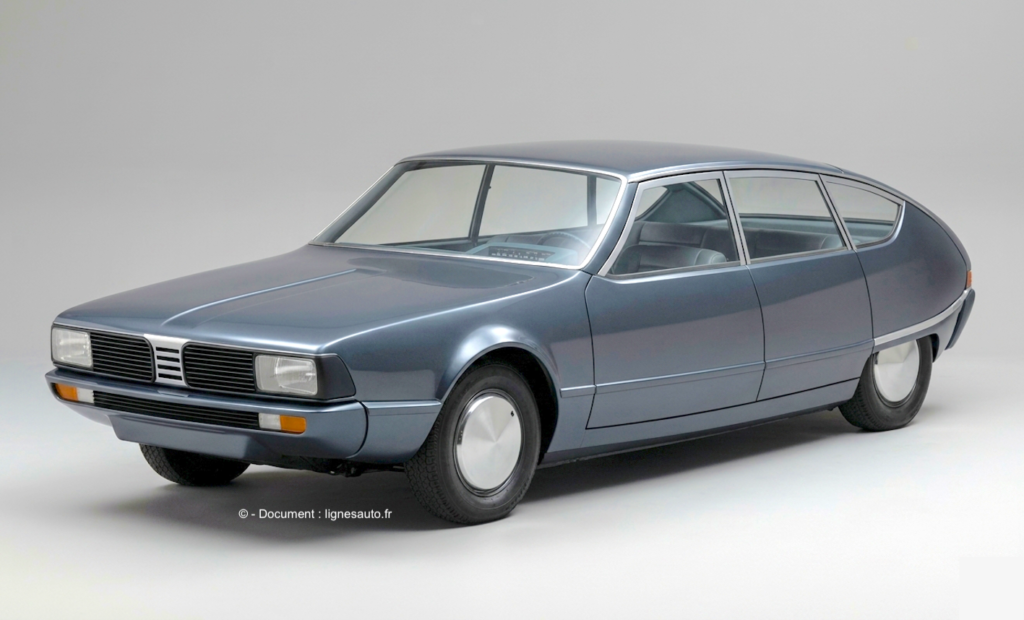
The H programme was overseen at Renault by designers Juchet, Mornard and Beligond. A distinctive feature of this variant, apart from its rear hatch, is the choice of a roof without a rain gutter, similar to that of the Renault 16. However, here it employs a technique that makes it far more aesthetically pleasing without its prominent ‘ears’. It was rumoured much later that this technique was similar to the one Flaminio Bertoni was due to use for his mid-range Citroën “Project F” saloon in 1967. The project was abandoned, just like the H at Peugeot and Renault.
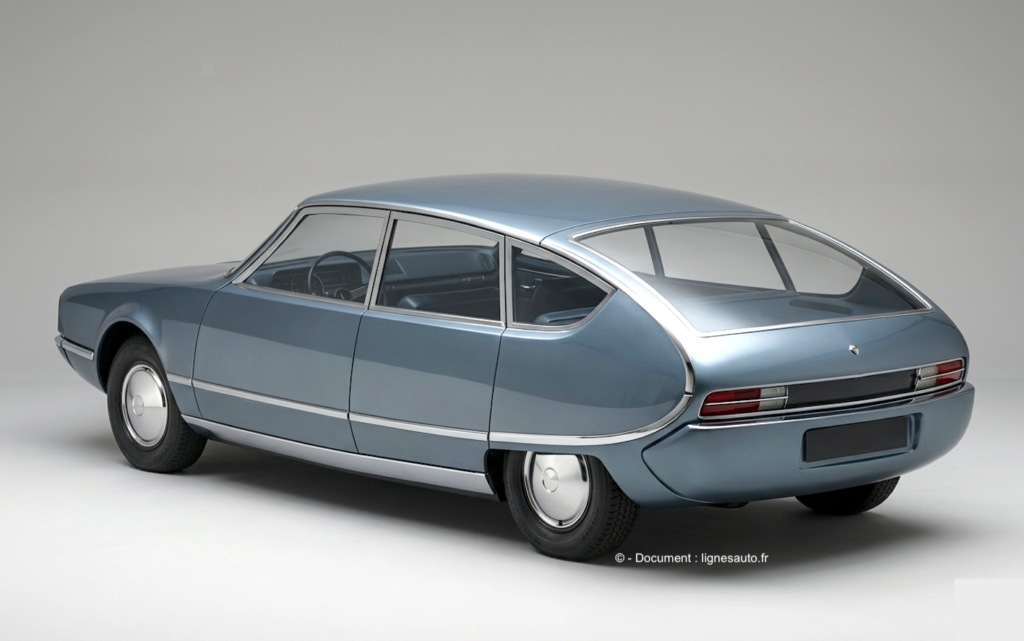
At Renault in 1968, there was more going on behind the scenes with these abandoned projects than with mass-produced models. It is worth noting, however, the arrival of the Renault 6 in the range which, much like the Citroën Dyane in relation to the 2CV, was intended to succeed the iconic Renault 4. The Renault 6 and the Dyane would be discontinued before the models they were meant to replace. In 1968, behind the walls of the design studio, the Renault 15/17 project was effectively shelved.
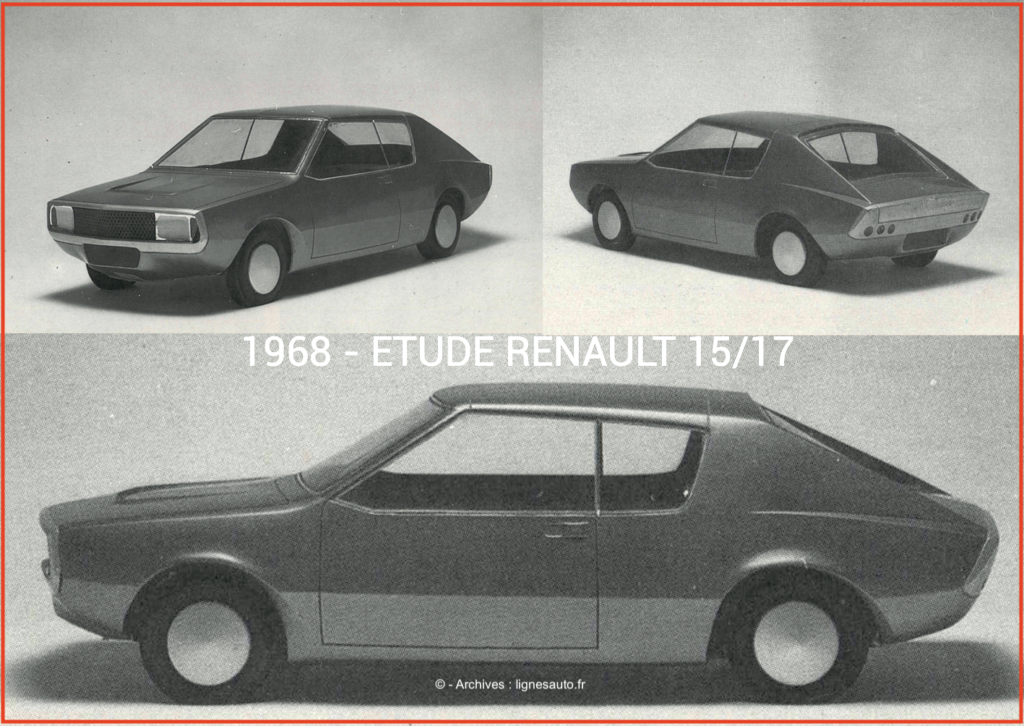
The model above is, however, dated ‘1968’. Fair enough, but it looks rather compact, with a high ride height, and doesn’t quite match the proportions of the Renault 15 designed by the head of design, Gaston Juchet. However, we can see the grille ring at the front, which serves as a bumper, as shown below.
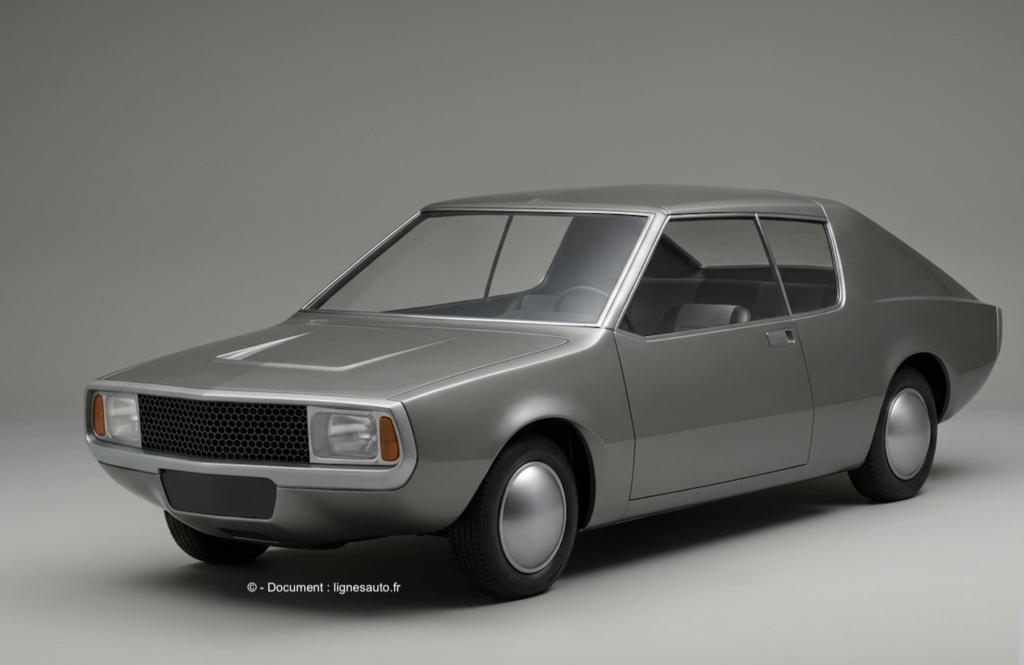
This ring-shaped design was later adopted by Robert Broyer three years later when he designed his Renault 14. Whilst this particular design was not selected, Broyer’s overall styling theme for the 14 was. Below, we have taken the digitalisation a step further by requesting a colour similar to that of the Renault 17 Restomod concept car designed by Ora Ïto and presented in 2024 at the Chantilly Concours d’Élégance.
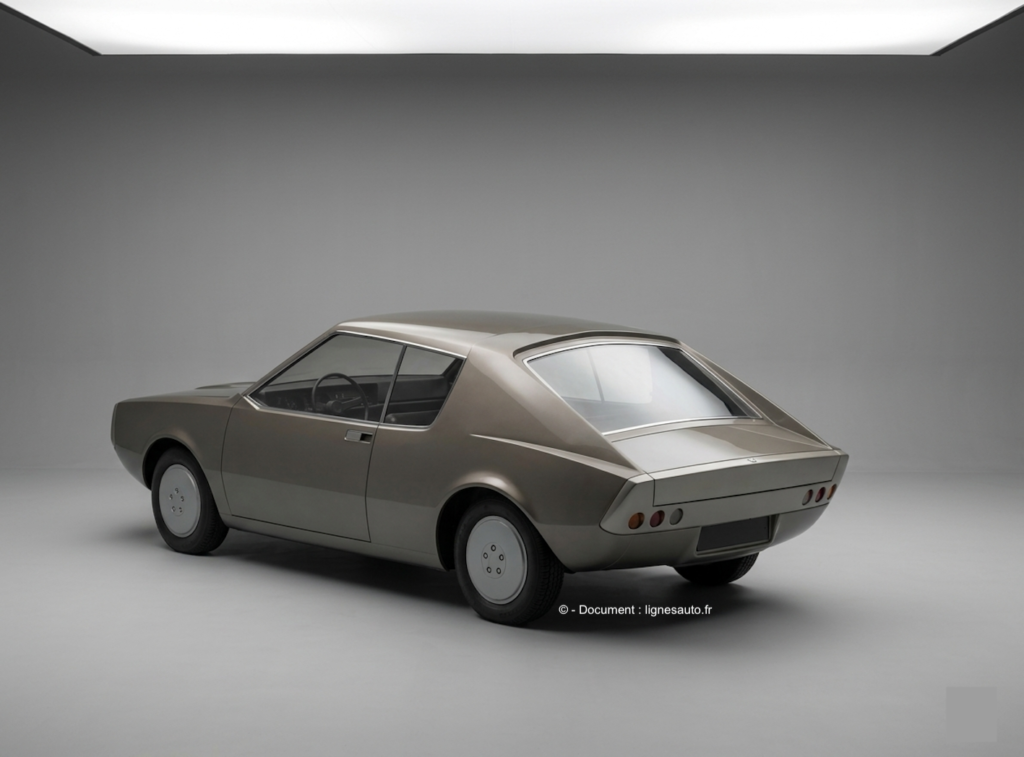
Enhanced by digitisation, provided it remains faithful to the originals, these models prove, as Patrick le Quément noted in his 1988 essay, that “Renault played a leading role in design as a creator of French cars. Not international, nor even European, but French in all modesty. Car design is first and foremost a passion. My hope is that these illustrations will serve this passion by conveying it to those who have had the delightful recklessness to look at them.” Stay reckless—the second part of this feature will delight you just as much!