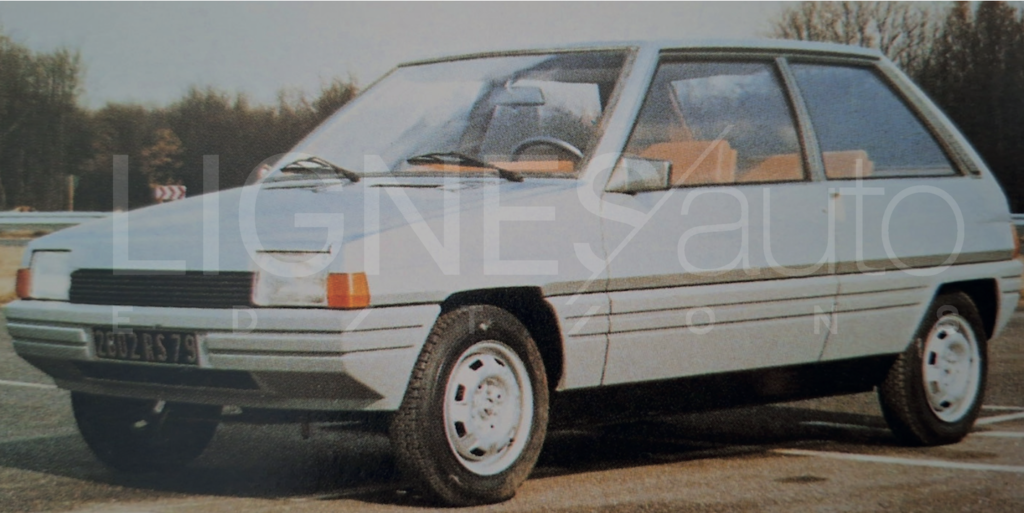
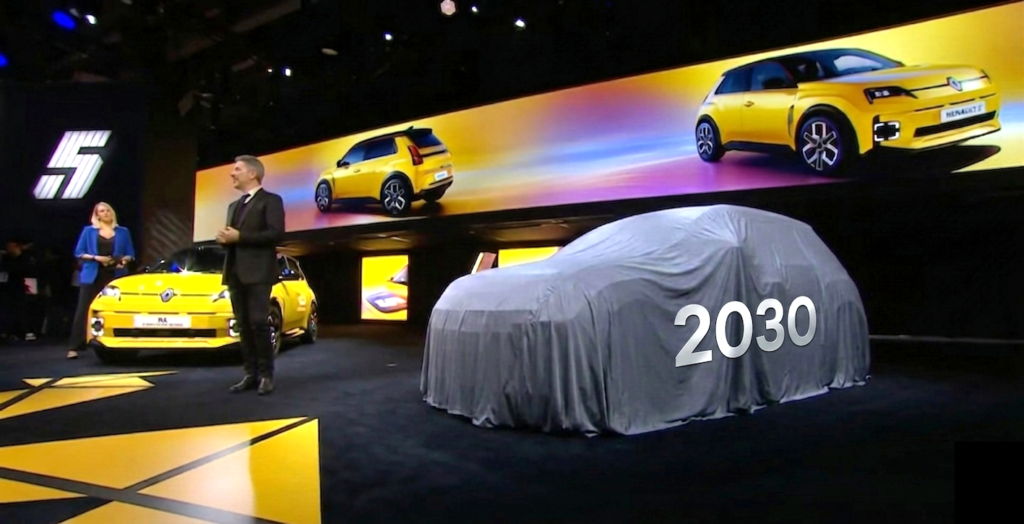
On sale since 2024, the all-electric Renault 5 E-TECH has been a commercial hit for Renault. The question on the minds of design and innovation enthusiasts is whether it will be updated. And I can only imagine the brainstorming sessions that went into deciding on the concept for this future second generation of the R5 E-TECH.
This is the perfect opportunity to dig out some archive material on what could be considered the forerunner of the R5 E-TECH: the successor to the first-generation Renault 5 (1972), which went on sale in 1984 under the name Supercinq. We hope that today, with the tools available to the forward planning departments, the development time for this future Renault 5 E-Tech will be shorter than that of the Supercinq, which, as we shall discover, was interminable!
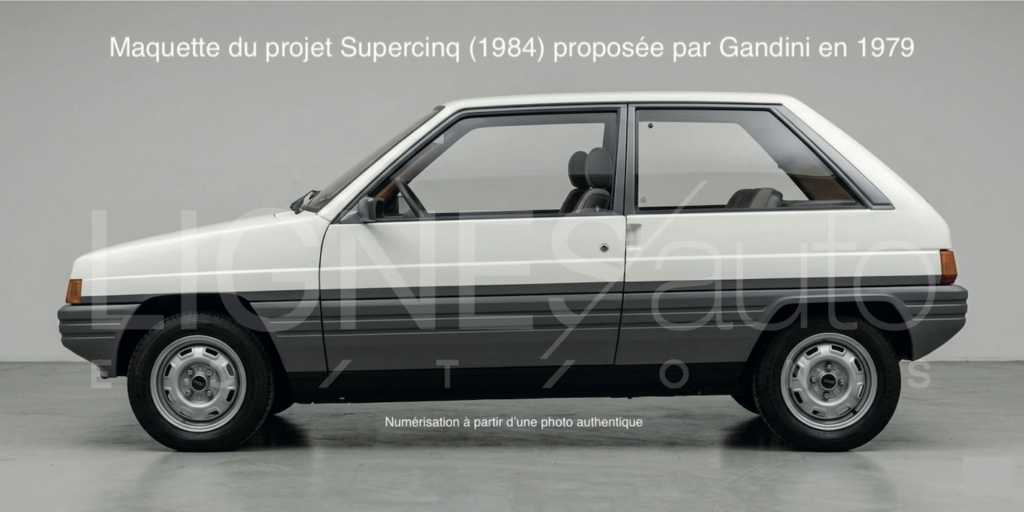
NOTE: All images credited as ‘scanned from an original photograph’ can be found at the end of the post in their original form.
It is always a delicate task to tackle the redesign of a model that has enjoyed widespread commercial success. This was certainly the case with the redesign of the first-generation Renault 5. The context at the time was disrupted by the massive VBG programme, pictured below, which aimed to create a small car far more modern than the R5. Regular readers of lignesauto.fr will know that this programme spawned a multitude of designs, sometimes for a small R2, sometimes to replace the… 4L! In short, whilst all this was going on, work on replacing the hugely successful R5 could wait.
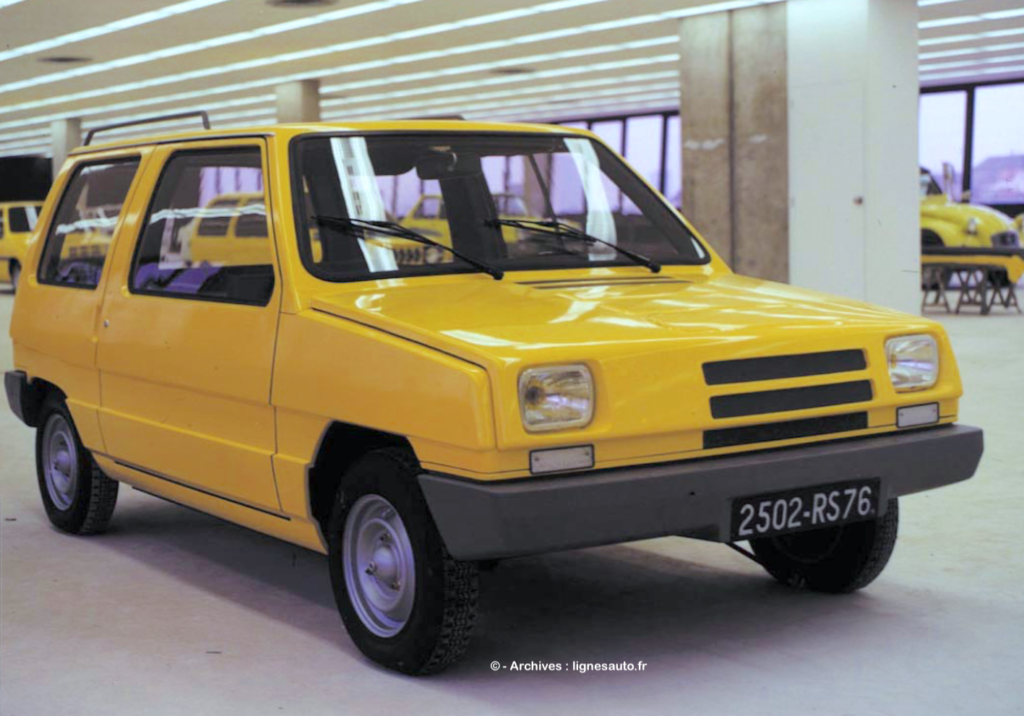
It is, however, a project derived from the VBG programme that will form the basis for the R5’s revamp. Officially known as ‘140’, it originated shortly after the mid-1970s. It would highlight the immense challenges involved in revamping an almost iconic model: how should one go about it?
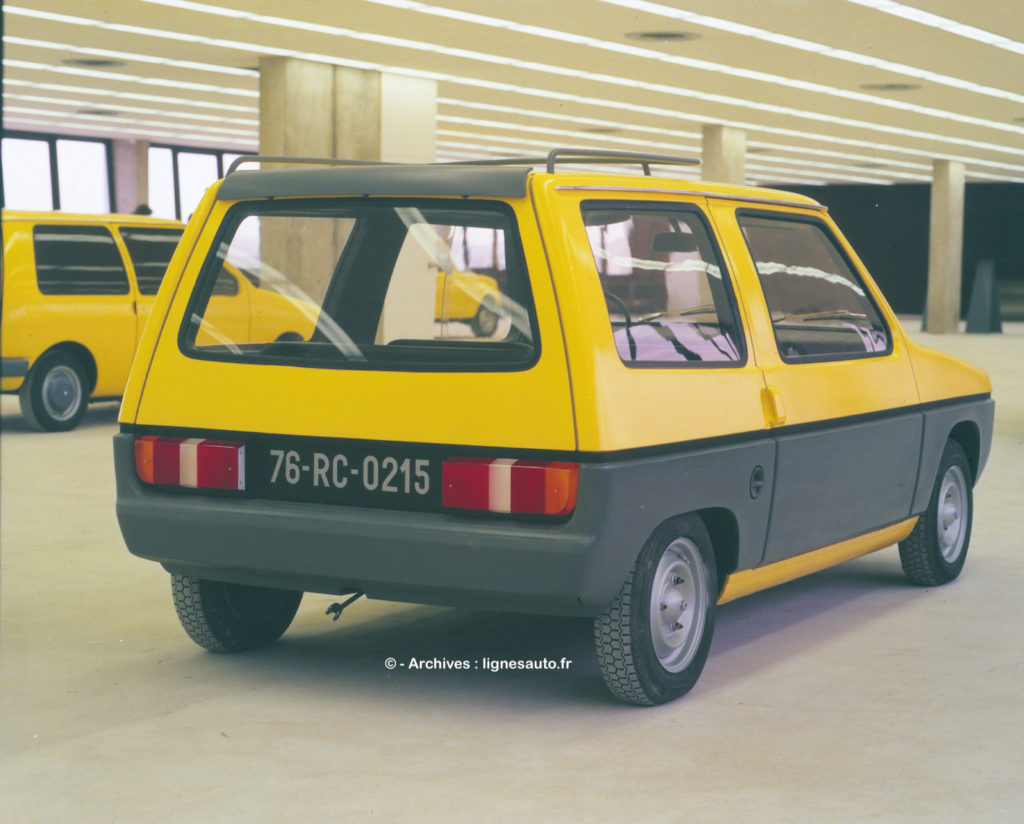
Should we change everything, or simply make another one just like it, following the example of how the first generations of the Golf were revamped? Gaston Juchet, then head of design at Renault (Robert Opron was in charge of overseeing design for the Renault Group), explained to us in 1994 that “the aim for the replacement of the Renault 5 was certainly not to make another one just like it…”
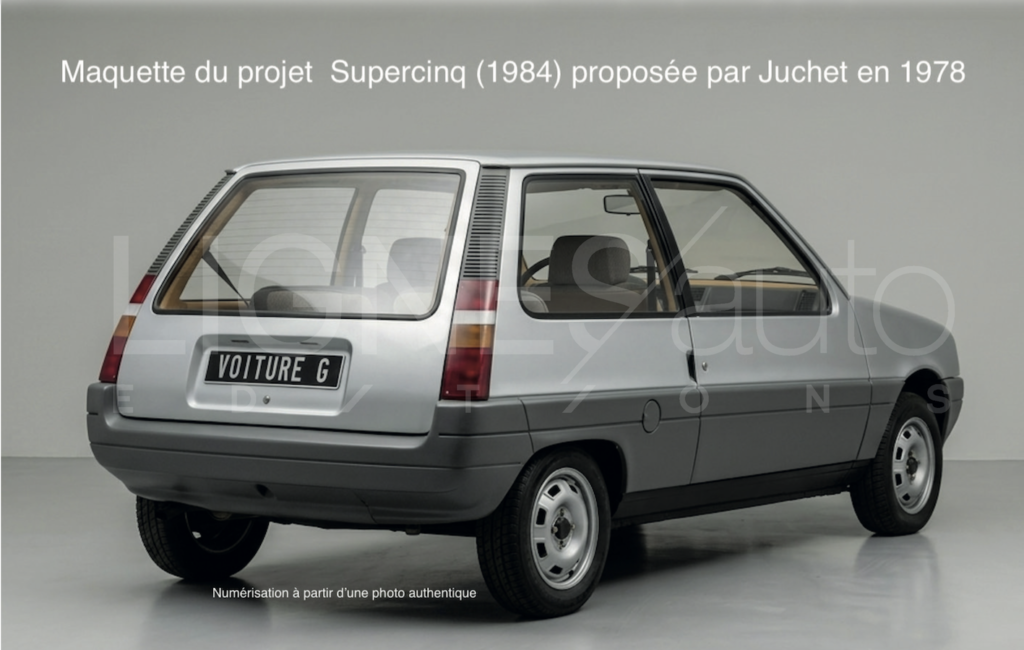
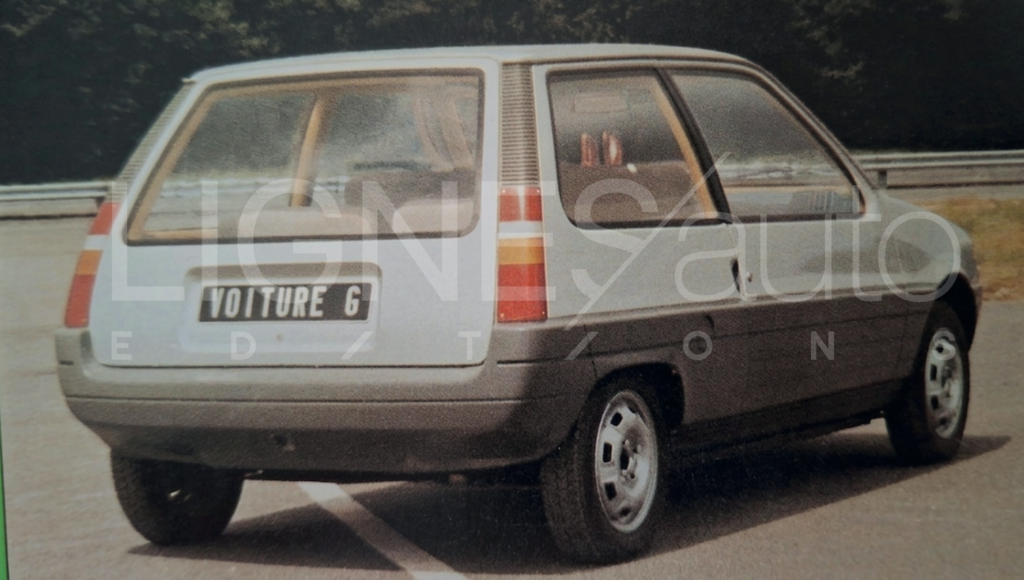
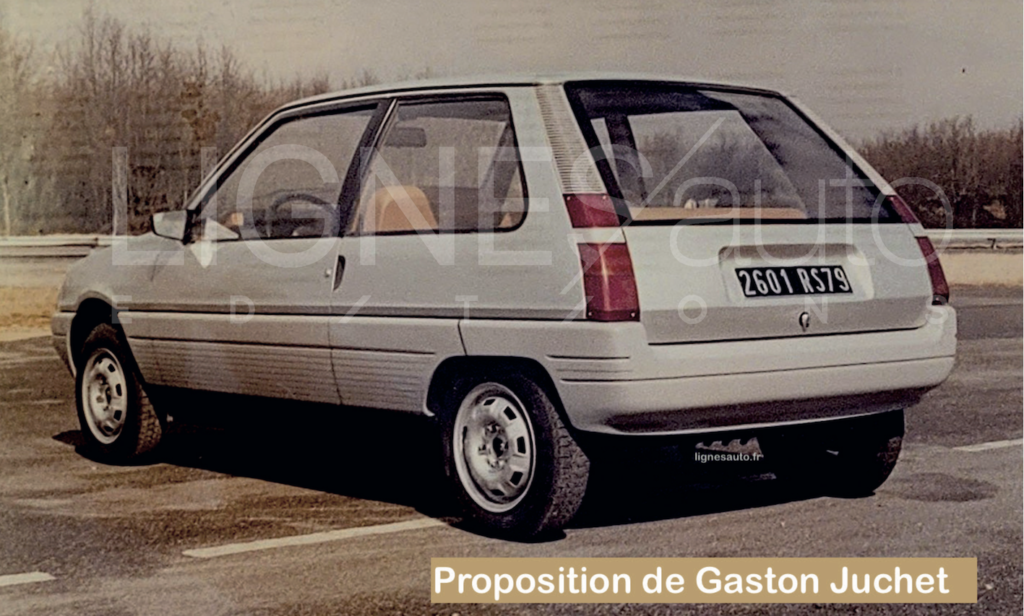
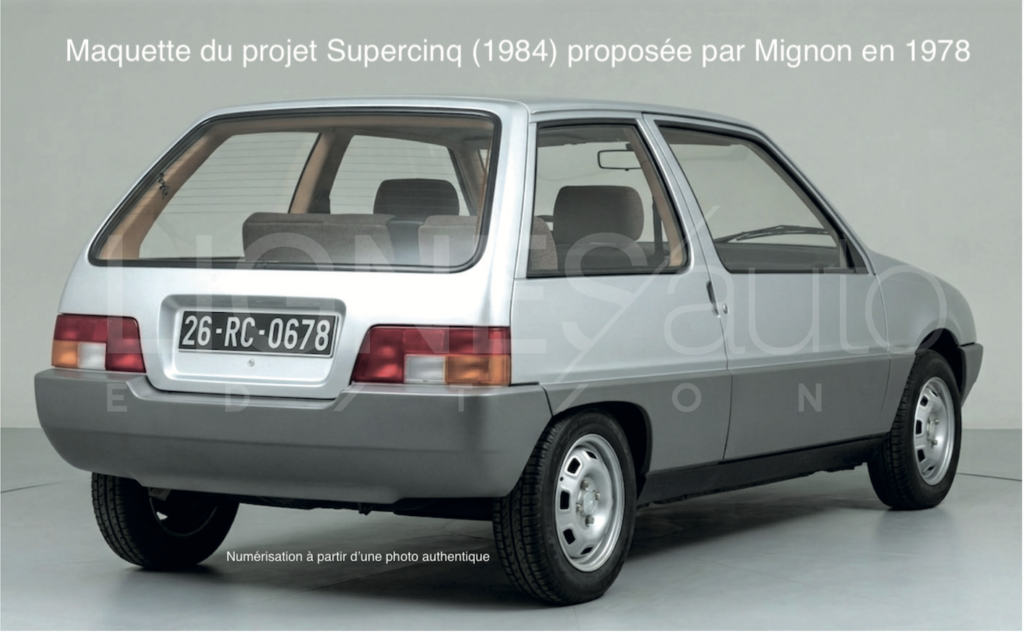
In June 1978, the very first 1:1 scale models were put forward for comparison. As usual, Gaston Juchet worked with the team he led. His model, named ‘G’ above, featured the vertical rear lights of the R5. It also incorporated the large side guards tested on the various models in the VBG programme. Nothing was wasted. Below, designer Mignon presents a model with a wider track, and large rear lights adorn a tailgate with minimal opening.
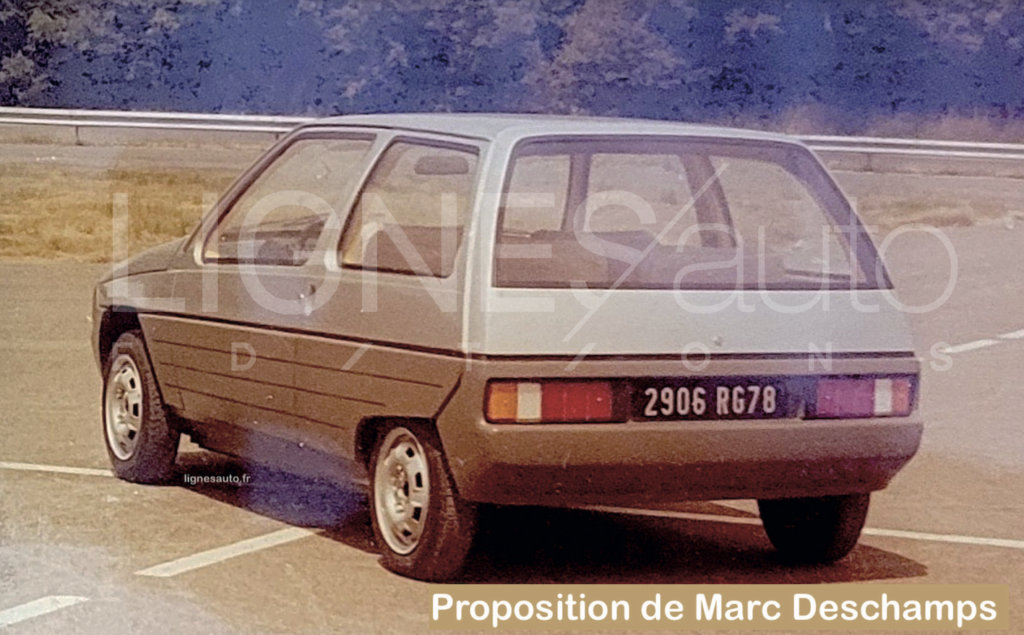
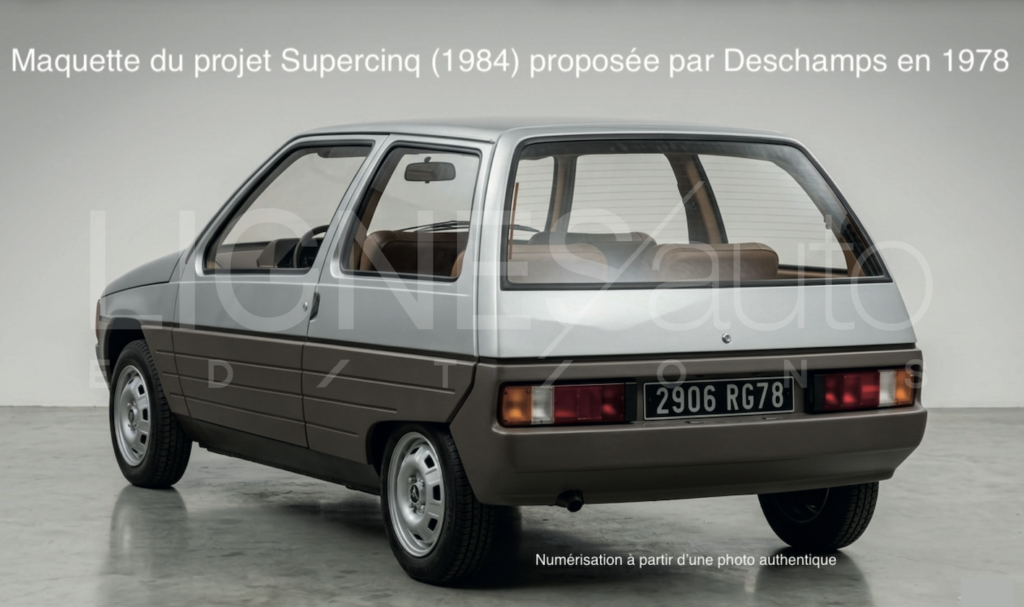
A year before he left to take over as head of the “Stile Bertone” studio, Marc Deschamps presented the model shown below, featuring a bodywork design with wide side skirts. These models did not yet win over the management. The idea of a major redesign to move from the 1972 R5 to what would become the Supercinq did not seem to be gaining traction.
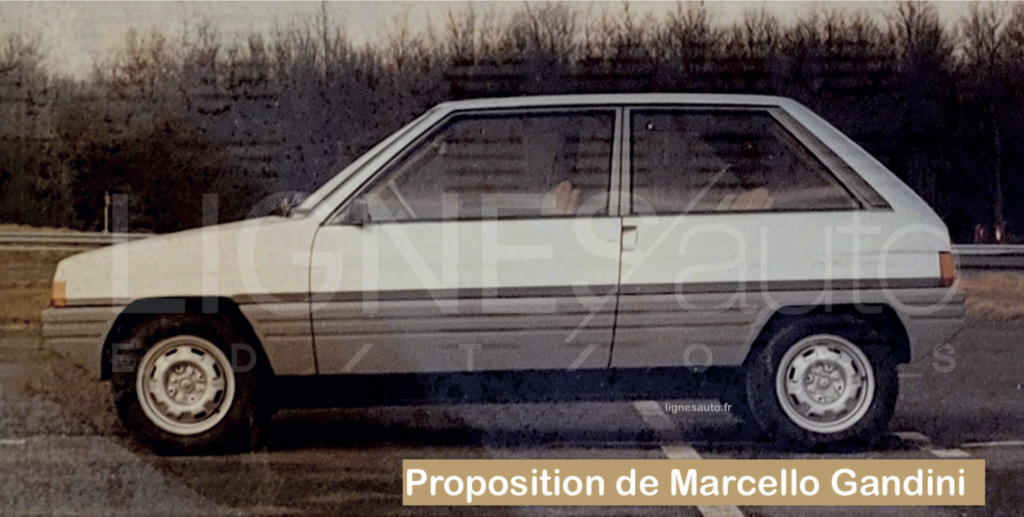
Seven months later, in 1979, new models—still on a 1:1 scale—were presented to help decide on the design theme. The great Marcello Gandini, having recently been appointed as one of Renault’s key consultants, arrived with a model that was very… Gandini.
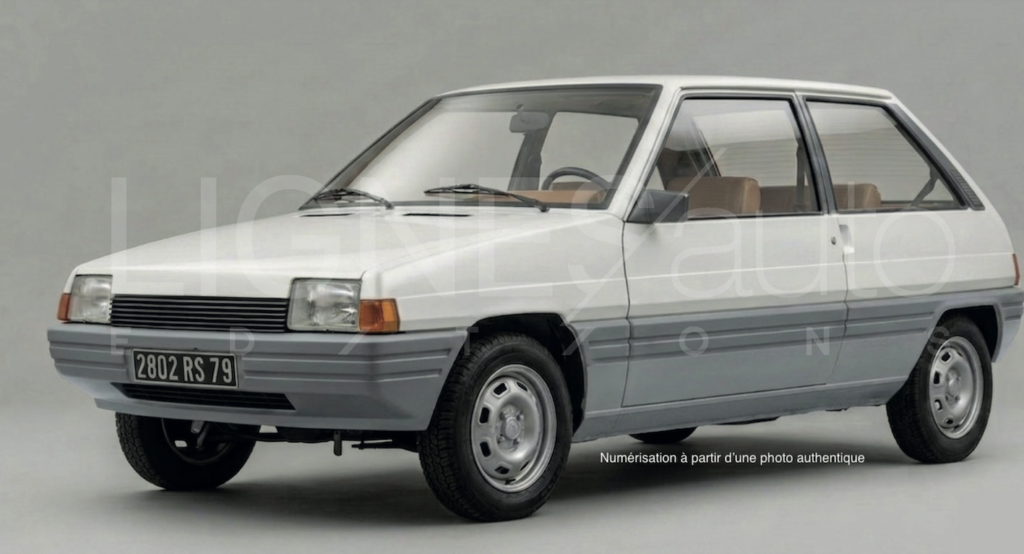
With its sharp, angular lines, it draws heavily on one of his final designs for Bertone, the Citroën BX (above). The small indicators at the ends of the wings serve as a reminder of this. It is hard to believe that this same Gandini would ultimately be chosen to design the Supercinq with his ‘pebble’ design shown below, a modernised take on the Renault 5.
LIGNES/auto is also a bilingual Facebook page where you can keep up with the latest news and design trends, and explore the automotive archives every day! https://www.facebook.com/lignesauto/
The trusted Italian design studio Coggiola was also called upon to help and submitted its own model for the 140 programme, shown below. At the time, Coggiola was a preferred consultant for the production of models for Renault’s in-house projects, notably for the creation of the model of the Renault 14 designed by Robert Broyer. Coggiola’s proposal for the Supercinq, like others, was rejected.

For Renault clearly understood that the Renault 5 was still too popular to radically change its design, as Gaston Juchet pointed out shortly after the model went on sale: “Everything we put forward in customer tests was rated lower than the R5. It was so popular that it blew all the other proposals out of the water, even the best ones!”
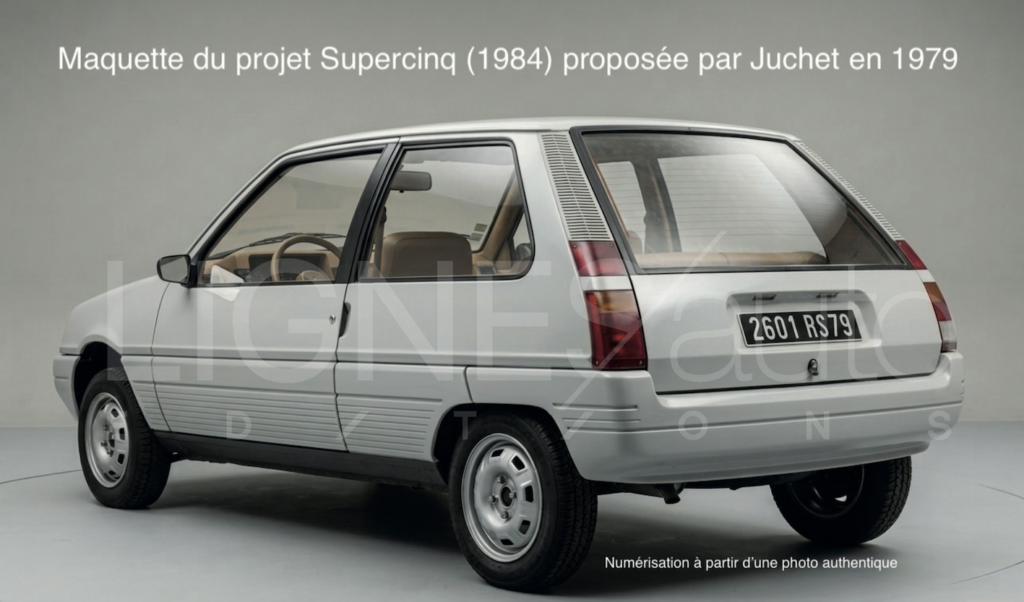
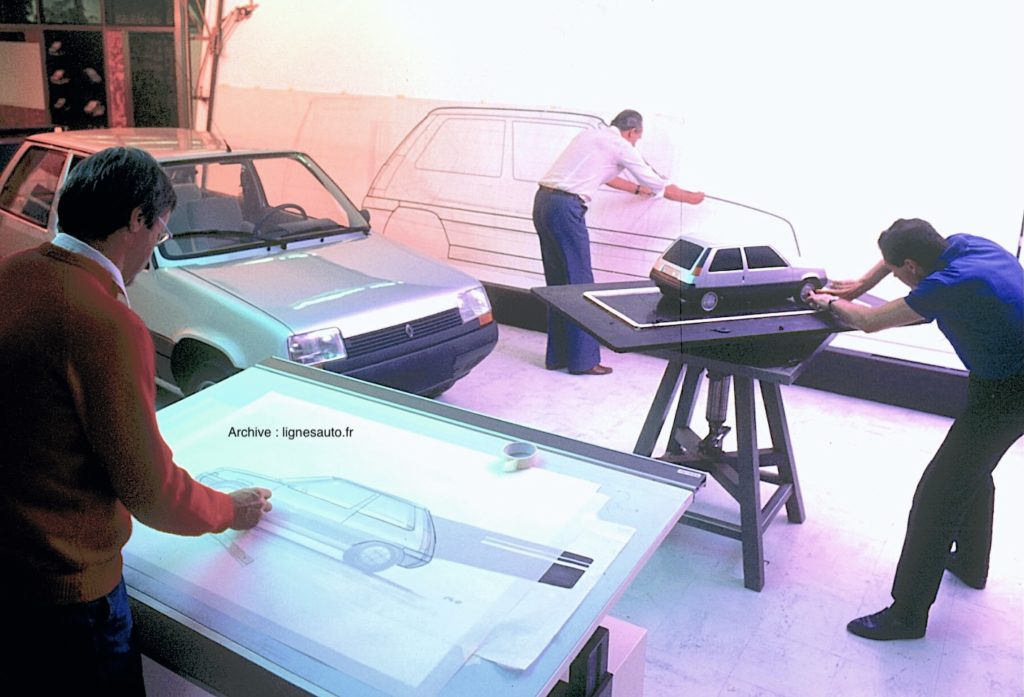
In the end, it was Gandini’s final design that won the day, with an inconsistency that did not detract from its success: whilst the styling was reminiscent of the original R5, its underbody was entirely different, featuring a transverse engine layout. A first for Renault, apart from the Renault 14, which was based on a Peugeot architecture following agreements signed between the two manufacturers in 1966. Below, we can see Gandini’s Supercinq models being presented to the management, with Bernard Hanon and Juchet in attendance.

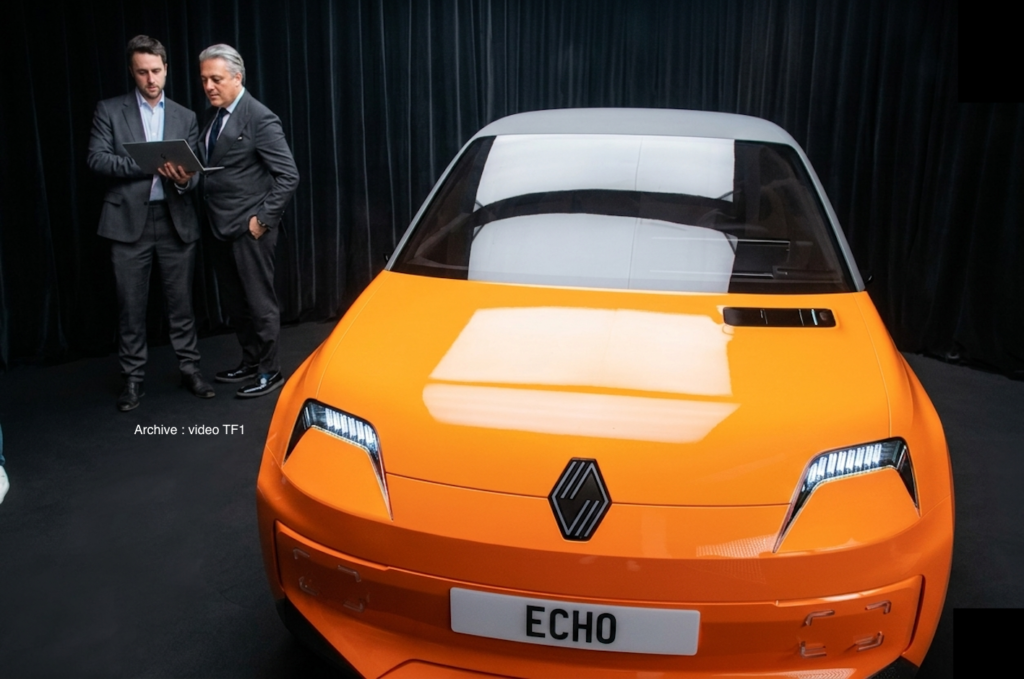
The 1984 Supercinq was the only direct descendant of the original R5, as the 1990 Clio would change everything. It wasn’t until 2000 that a small orange prototype named ECHO, designed by François Leboine’s team (now Fiat’s design director), revived the DNA of the 1972 Renault 5. It became the R5 E-TECH, and one imagines that the designers at the ‘phase advance’ team must now be working on its replacement…
BONUS: GANDINI’S UNKNOWN PROJECT
Sometimes, our archives reveal projects that never saw the light of day. This is the case with the car shown below, which was proposed to Renault by the Italian consultant Marcello Gandini. It’s very much in keeping with the 1980s, with the design theme of the Supercinq created by the Italian…
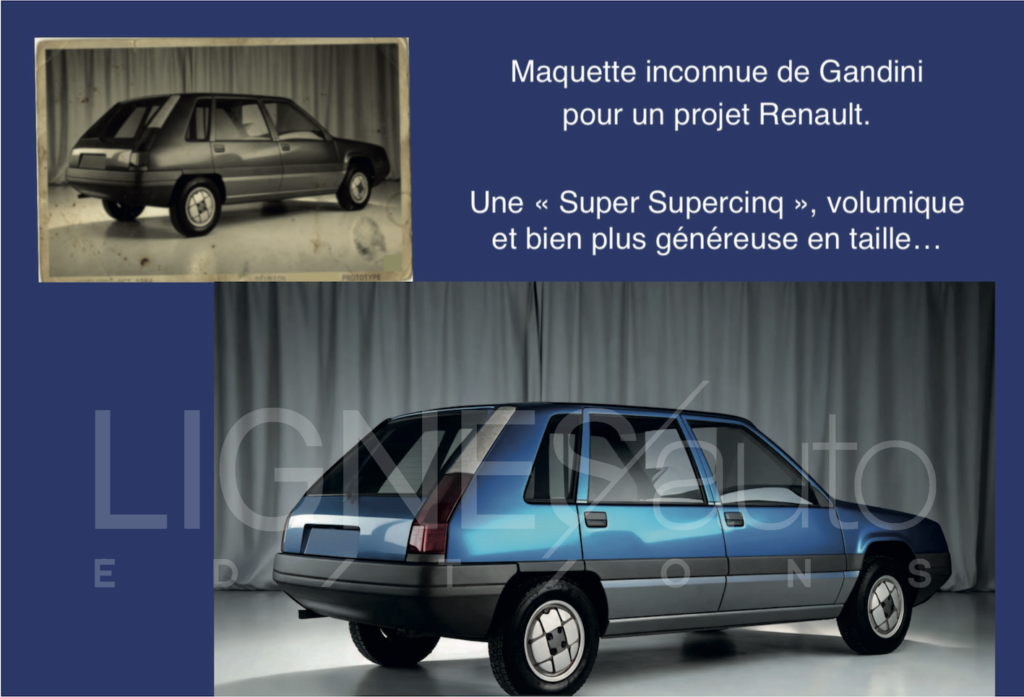
But the scale is significantly larger. We don’t know what project Gandini was working on at the time… A mega Supercinq? The future Renault 11? If any former Renault employees are reading this post and know the answer, we’d love to hear from you!
Below are the original documents, which have been scanned to ensure greater consistency across the subject matter.