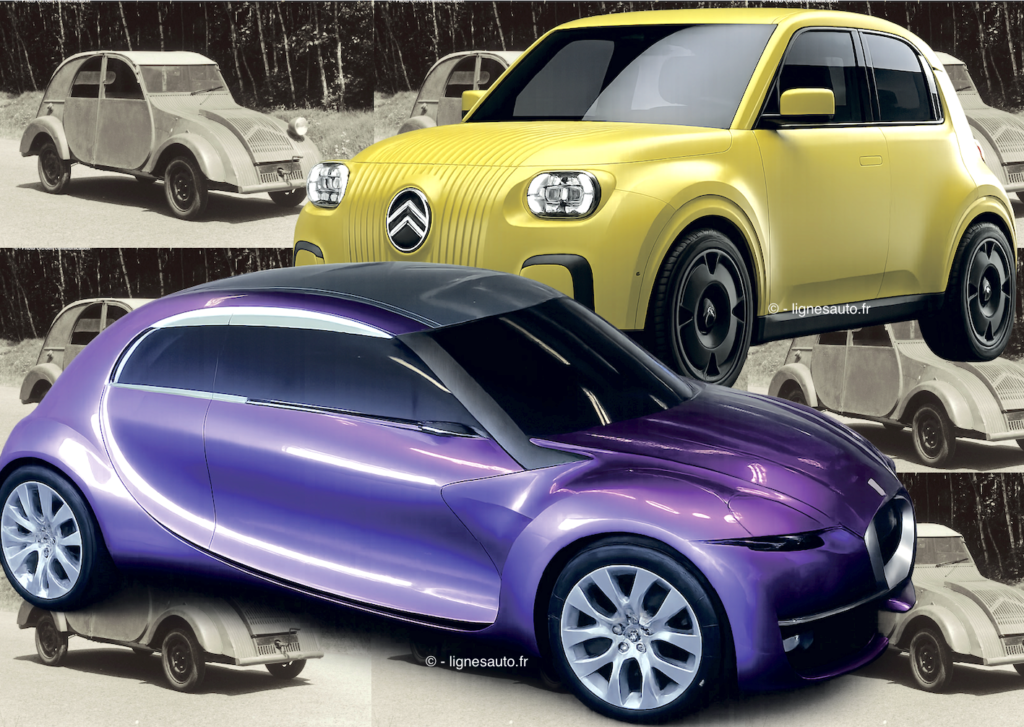
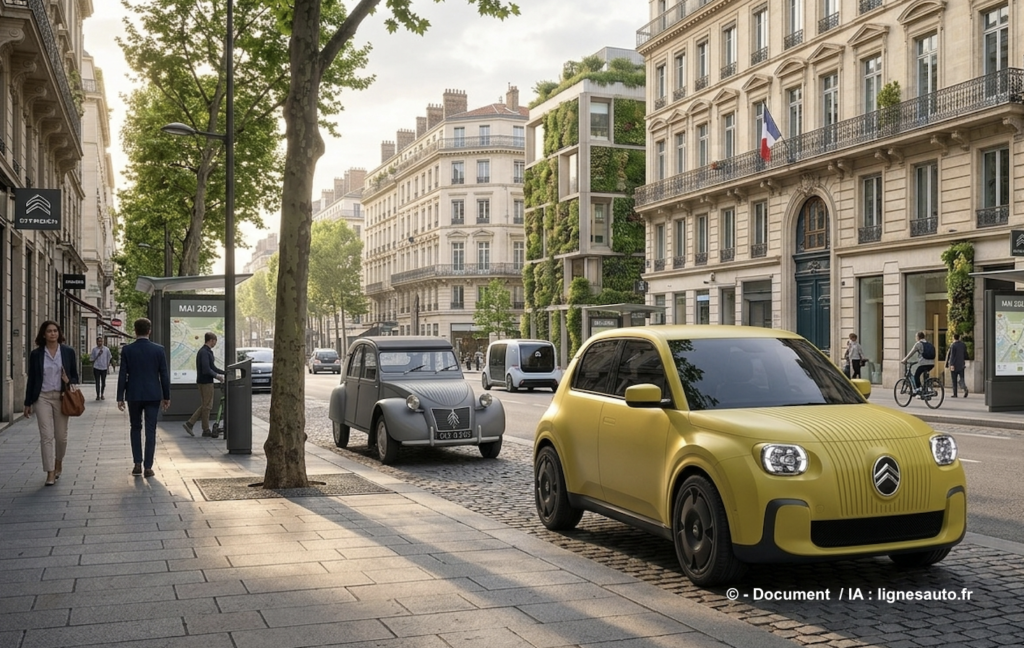
With two and a half months to go before the unveiling of a concept car offering a glimpse of what the popular electric 2CV of 2028 will look like (it will be unveiled to the public at the 2026 Paris Motor Show in October), here’s a little reminder. It traces the origins of another concept car that also reinterpreted the Citroën icon, but in a completely different vein – as a highly luxurious version!
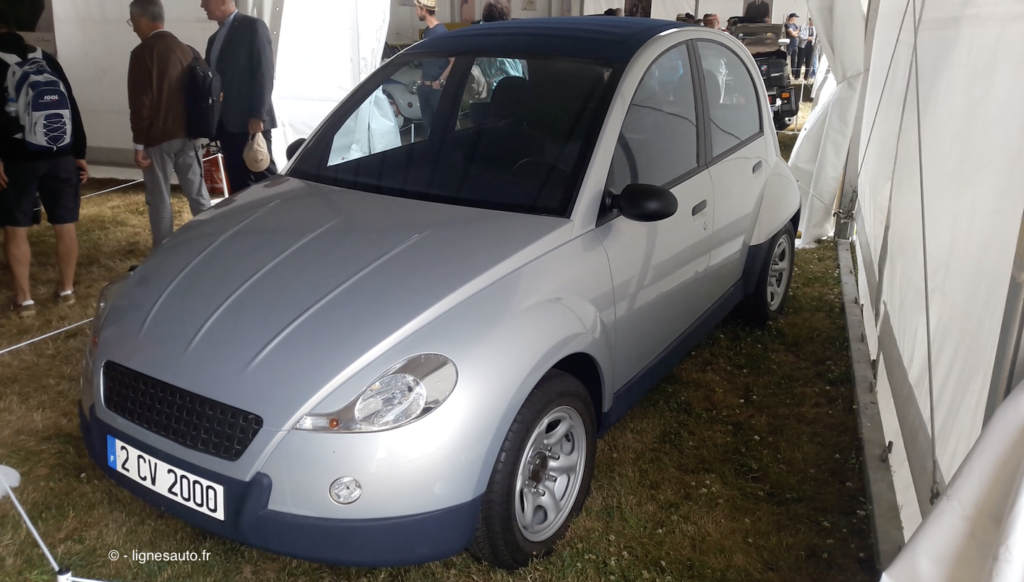
The 2CV revival was something nobody at Citroën wanted between the 1980s and 2000s, despite a few attempts, notably the one unveiled during the brand’s centenary celebrations at La Ferté-Vidame in 2019 (below). For the brand’s various bosses, notably Claude Satinet, looking back was out of the question. As if doing so would bring up painful memories, when in fact Citroën’s very DNA lay there…
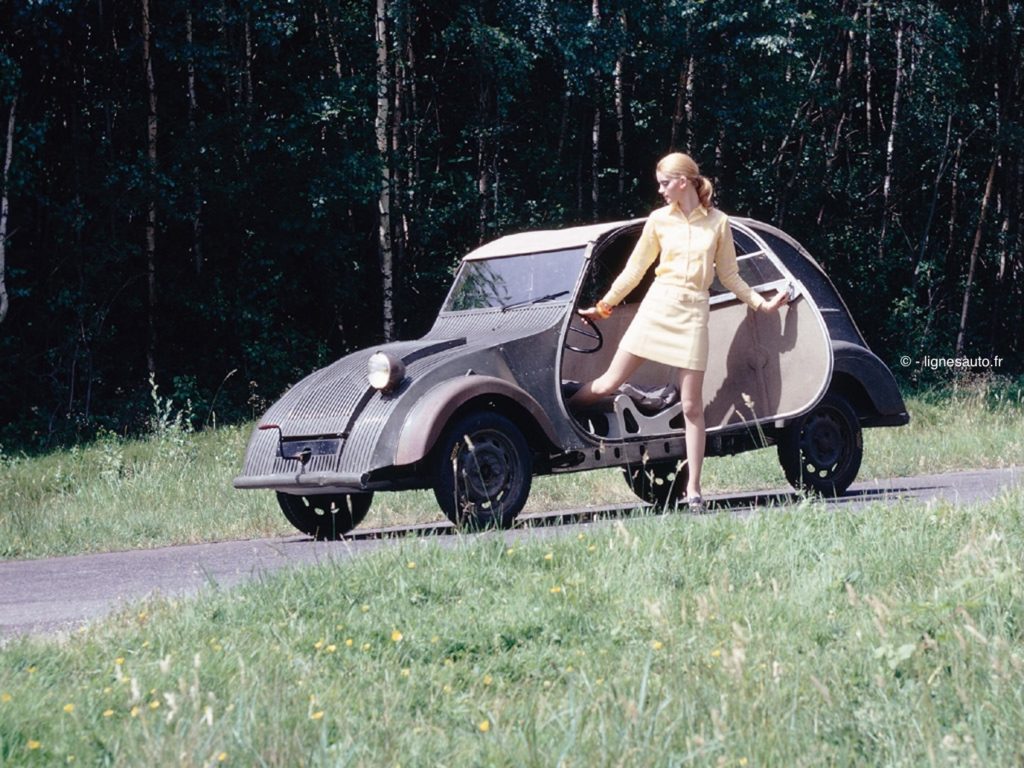
Times have changed, and with Xavier Chardon taking the helm at Citroën and the restructuring of the entire Stellantis group, the 2CV has broken free from the confines of that little rear-view mirror. It has now been catapulted onto the road. Well, almost – as we’ll have to wait until 2028 for the electric 2CV 100, which complies with the new European M1E standards (a category between quadricycles and cars), to hit our roads. And it will pay homage to the 1939 TPV (Très Petite Voiture), pictured below. That’s what the brand is telling us.
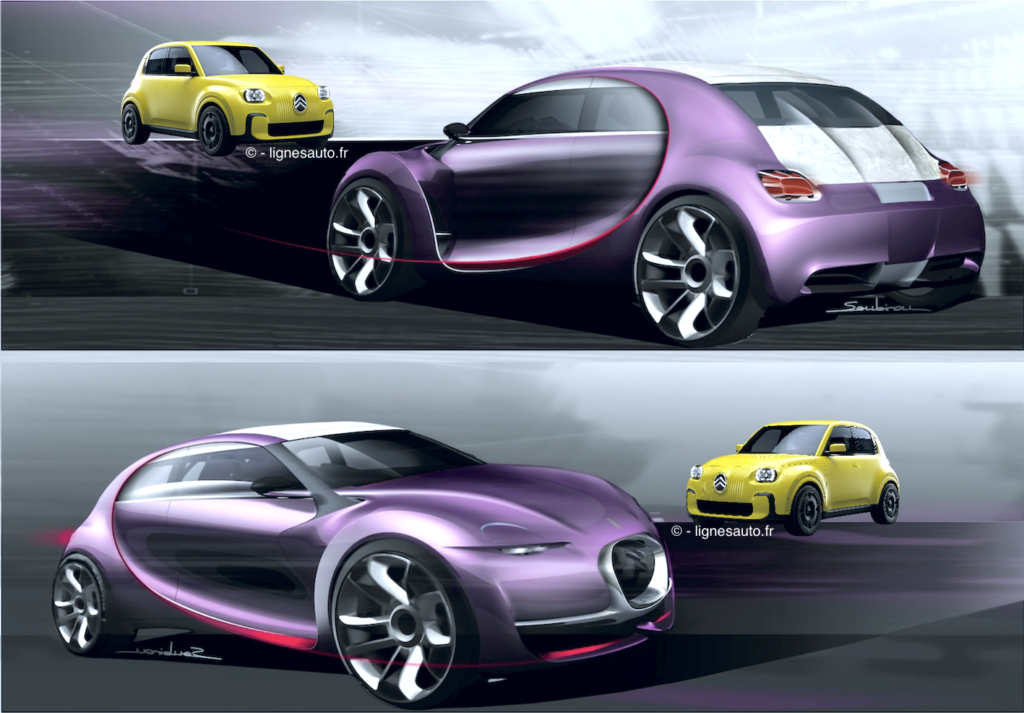
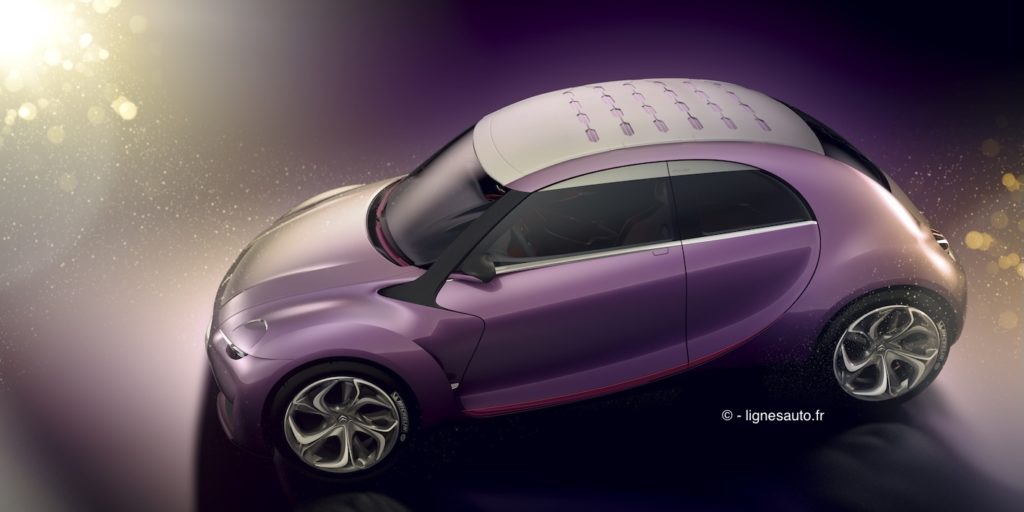
A 2CV revival has, however, already enjoyed the thrill of a grand unveiling, even though it was a one-off concept car: the 2009 Revolte – seventeen years ago now! Whilst the second-generation C3 had only just made its world debut at the 2009 Frankfurt Motor Show, alongside the production version of the first DS3, Citroën was exhibiting the Revolte on its stand – a concept car ahead of its time; indeed, completely out of step with it. It speaks volumes about the energy and ideas bubbling away in the minds of the brand’s creative team.
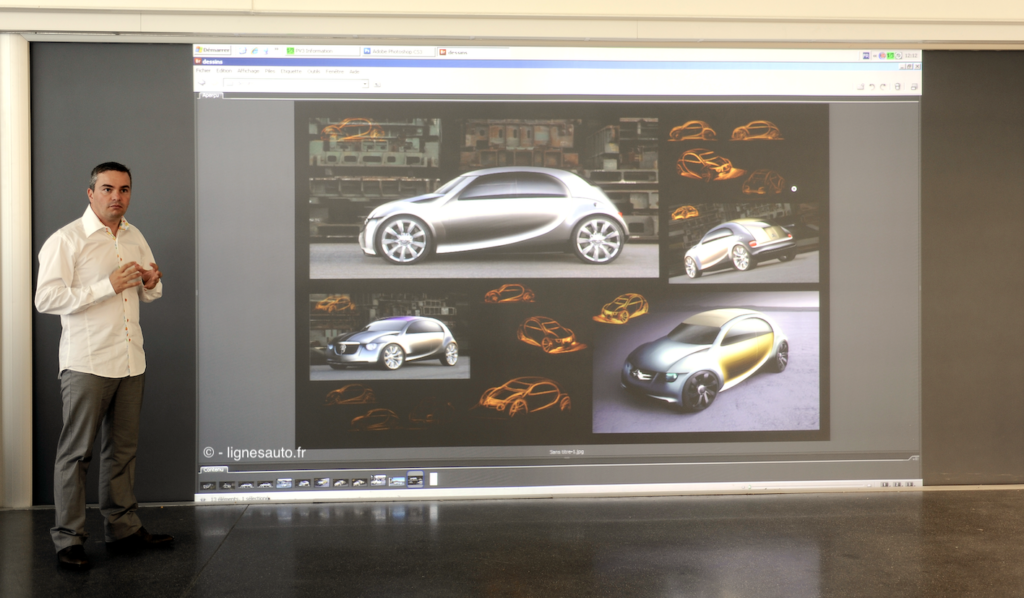
Frédéric Soubirou, pictured below, the car’s designer, admits: “I’m not often at home at the moment, but these are the best years of my life! It’s an incredible phase in my career – I’m absolutely loving it!” It’s true that, having been selected for the C-Sportlounge (2005) and the DS Inside (2009), he is now at the helm of the Revolte project, another iconic Citroën concept car. Naturally, since then, he has followed a career path that has taken him to the helm of exterior design at DS Automobiles. But back in 2009, we weren’t there yet.
READ THE FULL ARTICLE ON STELLANTIS’ NEW STRATEGY, THE POSITIONING OF THE CITROËN BRAND AND THAT OF THE FUTURE 2CV HERE. https://lignesauto.fr/?p=45141
It was a bit of an anniversary he was celebrating that year, with a 2CV that was unveiled in 1948 but only went on sale in small numbers in 1949. “I wanted to pay homage to the 2CV, but Jean-Pierre Ploué immediately told me, ‘OK, but we mustn’t fall into the trap of the 2CV’s spartan nature – that’s not what I want. I want a luxurious concept, with a premium feel’ – and so, I’m going to commit a bit of a sacrilege: the Revolte will be a luxury car!” Quite the opposite of the upcoming 2CV, which will embrace its mass-market appeal.
Citroën, a ‘popular’ brand – in the best sense of the word? Pierre Leclercq, Citroën’s current head of design (pictured below), who is currently keeping his prototype of the future 2CV under wraps in his studios, told us that “I’d like to emphasise that I love Citroën’s ‘popular’ side. Our role is to design products that are popular and accessible, and which, by their very nature, must be built to last and, above all, be sexy. We’re going to present products that will capture people’s imagination. Designing cars that are accessible to everyone is certainly fantastic, but it’s not just about design: I genuinely feel that we’re making people’s lives better.”

Frédéric Soubirou told us at the outset of the Revolte project that “Jean-Pierre Ploué (now replaced by Gilles Vidal) is part of the momentum surrounding the initial launch of the DS line within the Citroën range. He wants to create a premium range. But conveying luxury through exterior design is always rather complicated. Our means of expressing opulence are more limited than those available to specialists in materials and colours, for example.”
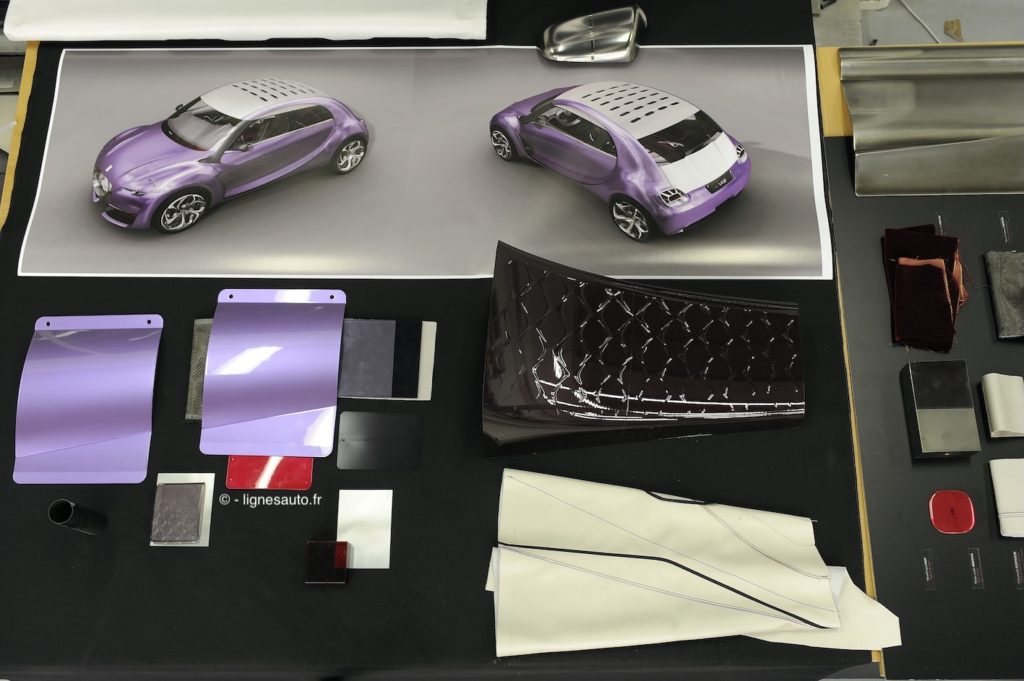
Julien Famchon (below) and Vincent Lobry, the C&M manager on this project, are indeed rather proud of the depth of the exterior colour. “Inside, the crystals reveal streaked effects similar to those of velvet. This velvety moiré effect causes the light to shift across this specific material. We’re really going for a sense of softness. On the door panels, coloured trim complements the dark, aubergine shade, which is highly glossy thanks to several layers of varnish. Next, we needed to add a touch of refinement with leather in the upper section, which also enhances the brightness. This leather is also beautifully finished with a powdery texture, like make-up powder.”
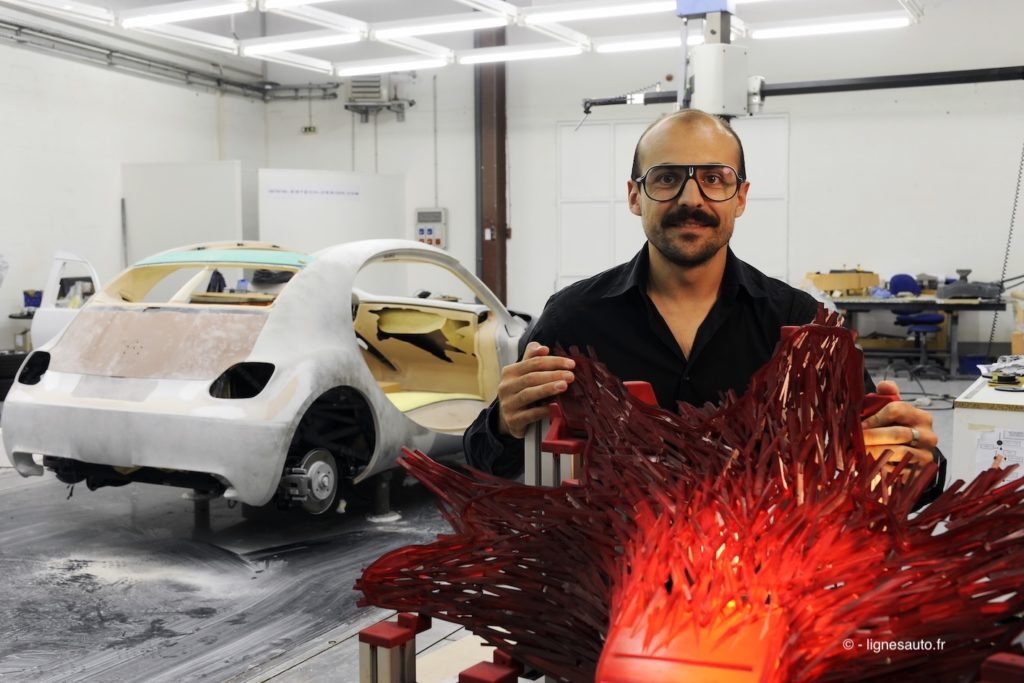
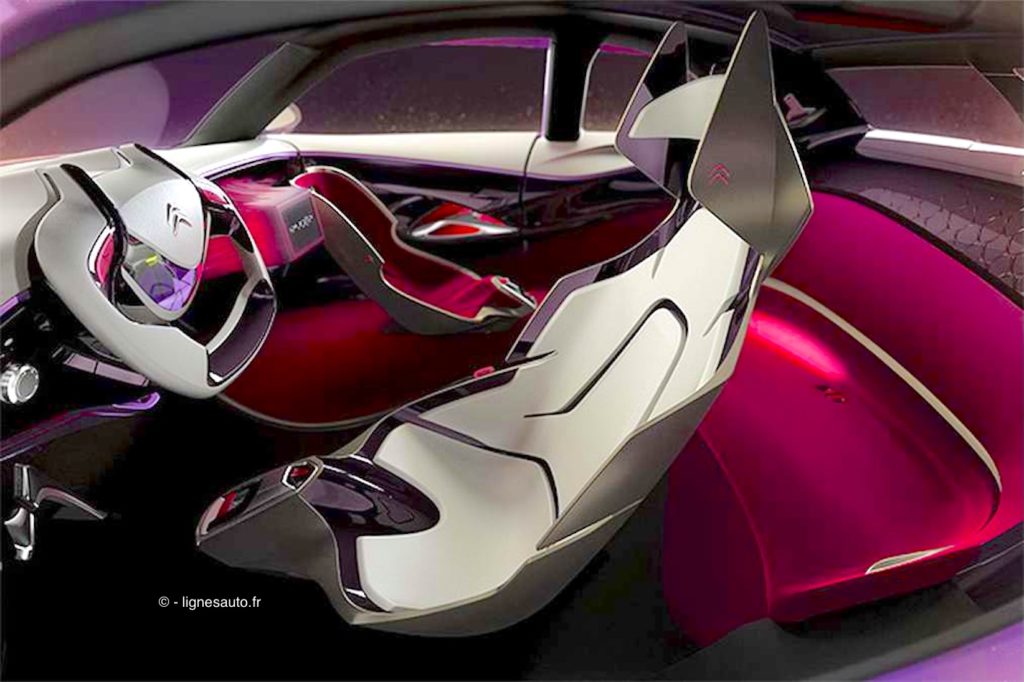
Julien Famchon, who designed the interior, explained to us in 2009 “that it was essential to clearly distinguish between the two different worlds: that of the driver and that of the passengers. He also discussed how to convey this rebellious spirit in the interior design. The dashboard features a layout that is very different from anything available today. All the instruments are situated below the dashboard line. All the controls, meanwhile, are grouped together in the crystal cube. This central cube has a gemstone-like quality, whilst the structure supporting it acts as a vent.”
Frédéric Soubirou recalls that “this is the first time at Citroën that we’ve emphasised this notion of luxury!” Was the Revolte easy to design, though? “For the Revolte, I worked on the elevation, just as we did with the 2CV. And I remember the 2CV Charleston, the classiest of the 2CVs with its famous side paint cut-out. That was the guiding principle. Then I added depth to the wings to give it a dynamic look.”
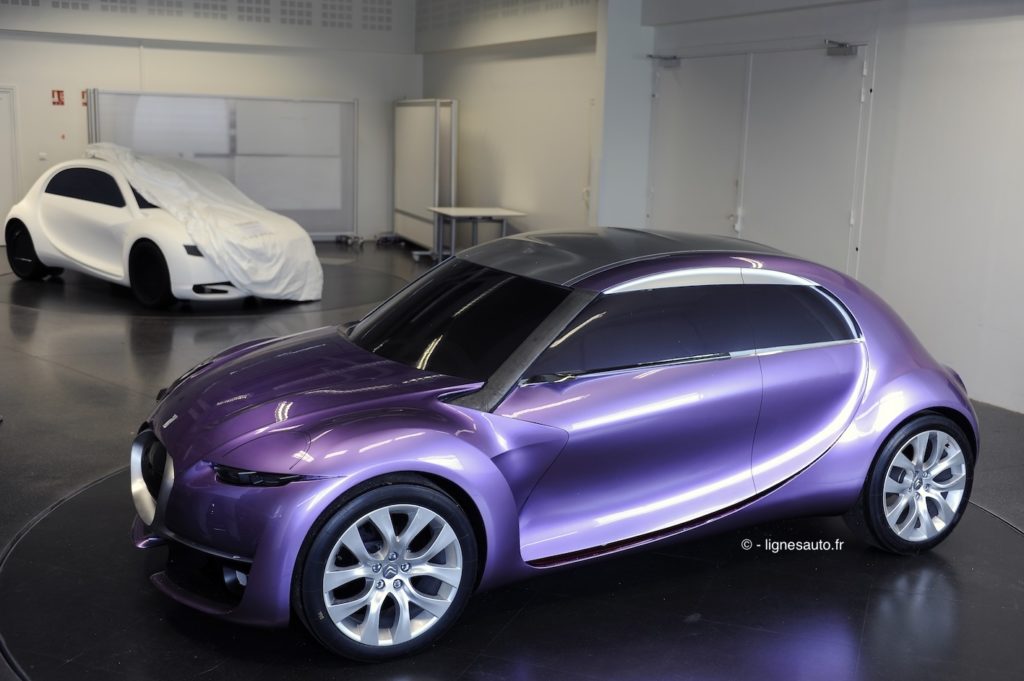
Although the development of a compact concept car takes less time than that of a production vehicle, designers not directly involved in the project have time to watch it evolve in the design studio. “The Revolte will split the studio in two,” recalls Frédéric. “There are those who are on board and those who cry foul! Some – and not necessarily the most senior members – say that’s not what the 2CV is all about. But we’ve captured the spirit of the design, not the rural spirit of the 2CV. It was a deliberate choice and it was quite hard to stick to that commitment at first, but eventually the car won unanimous approval.” We’ll find out in October, when the 2CV is unveiled, whether its down-to-earth appeal will prove more accessible than the luxury of the Revolte!
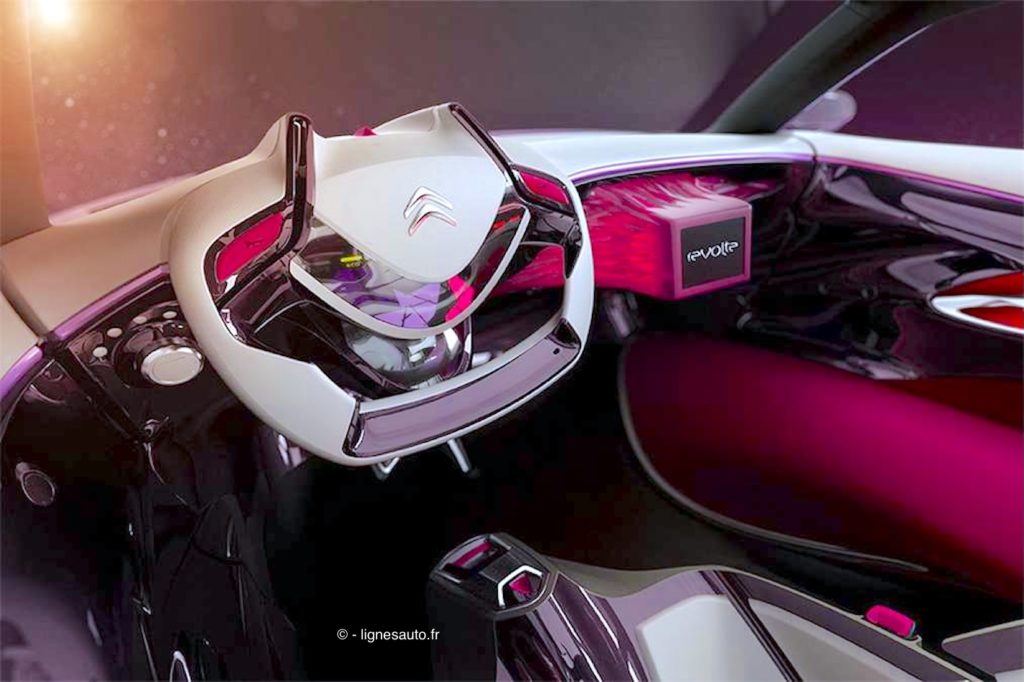
And for Soubirou, is it hard to cope with colleagues who don’t see the appeal? “No, I’m really in a mindset where I just go for it, but it’s true that I haven’t stayed true to the 2CV’s spartan nature. But I fully stand by that!” The Revolte shatters the boundaries of the luxury car and imposes its own vision of this world so dear to French culture, in a tiny format, and is clad in a design that bombards the onlooker with nods to the brand’s history. You can indeed spot the ‘Deuche’ on its sides and wings, but also the DS with its floating windscreen base, and even the SM with a front glass panel that doesn’t encompass the headlights, but the grille instead.
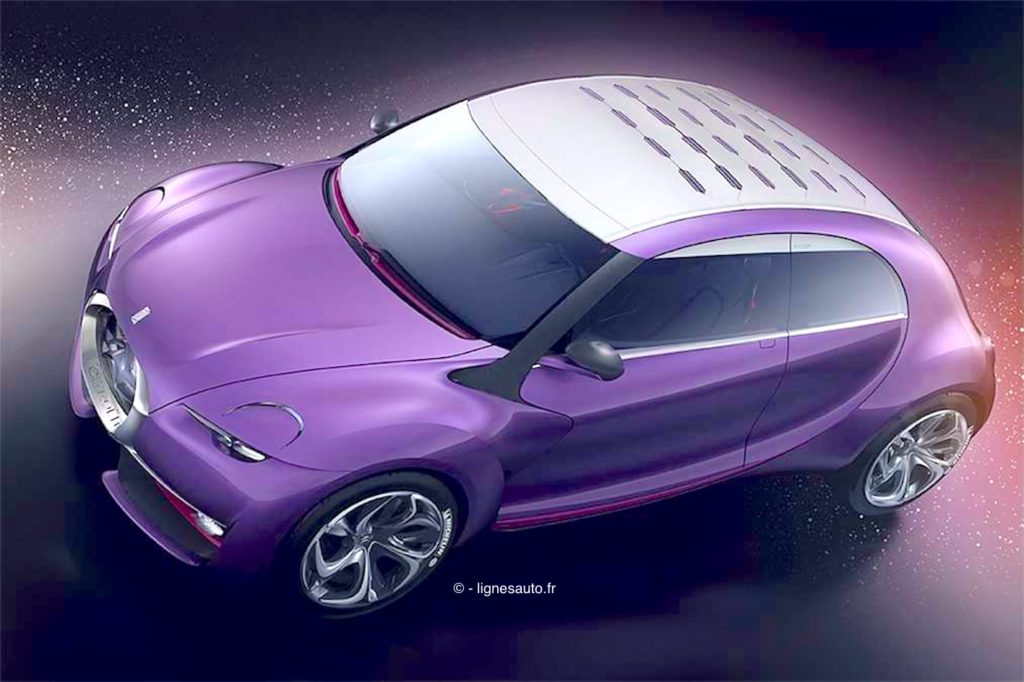
In short, it takes time to take in all the messages this hybrid is trying to convey. Carlo Bonzanigo, who was in charge of concept cars at the time, confirmed to us in 2009 that “this concept car is a rebellion on every front! It’s a car with which we wanted to take the opposite approach to everything that already exists, whether in terms of the concept, the use of materials or the positioning of the product. It’s a rejection of boredom and convention. It’s clearly a project rooted in the world of luxury, drawing inspiration from the worlds of cosmetics, fashion and even jewellery. There you have it – that’s the word: the Revolte is a real urban gem!” Between 2009 and 2026, the vision of the Deuche of the future will have changed considerably!
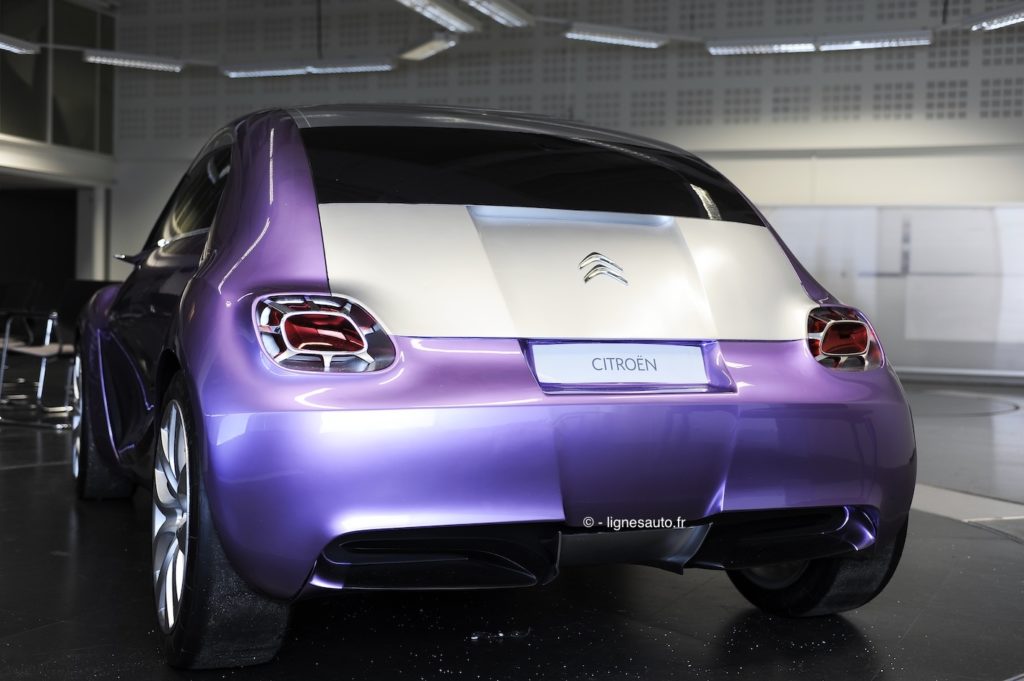
JUST FOR FUN!
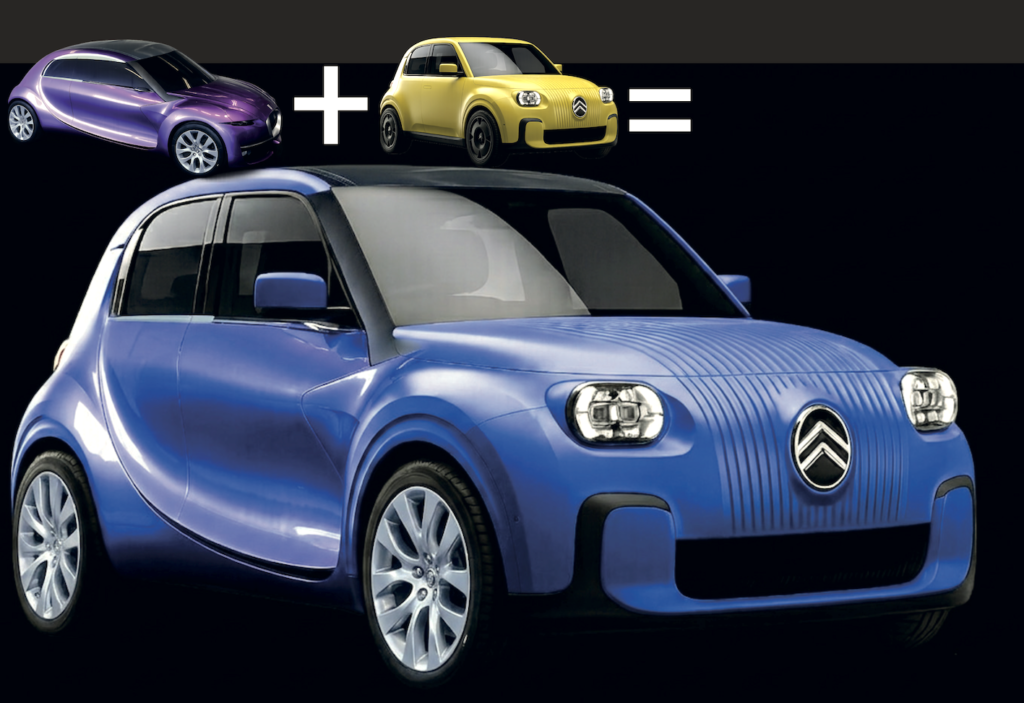
What would happen if we combined the REAL 2009 concept car with our VIRTUAL IMAGINATION of the future 2CV – which is entirely subjective? Here’s an answer that has nothing to do with the future 2CV, but we rather like it! This document is obviously not official!