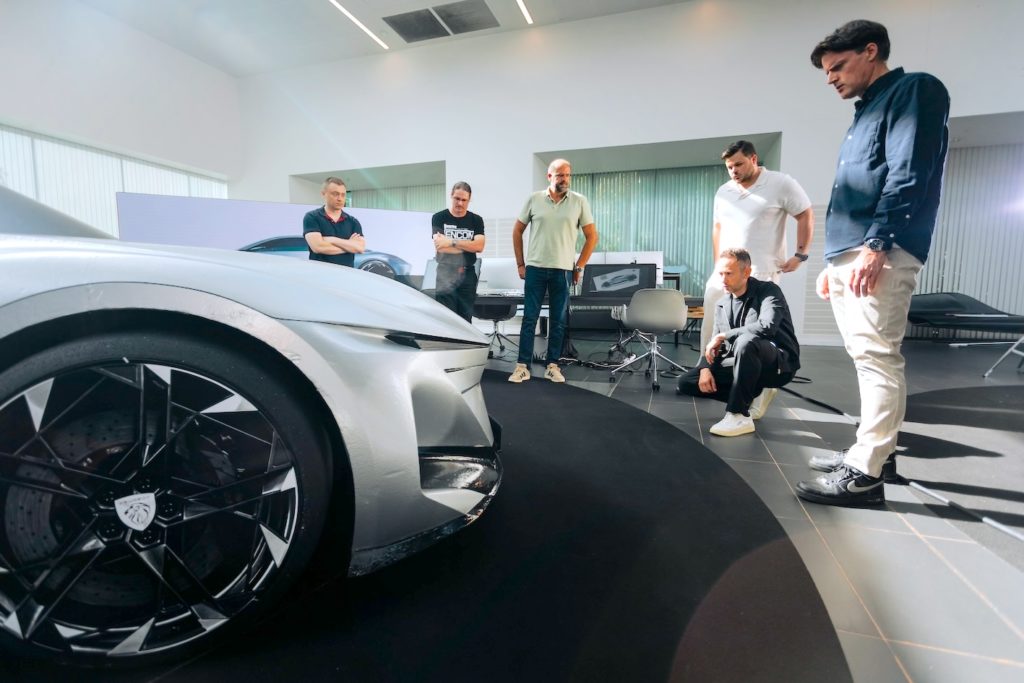
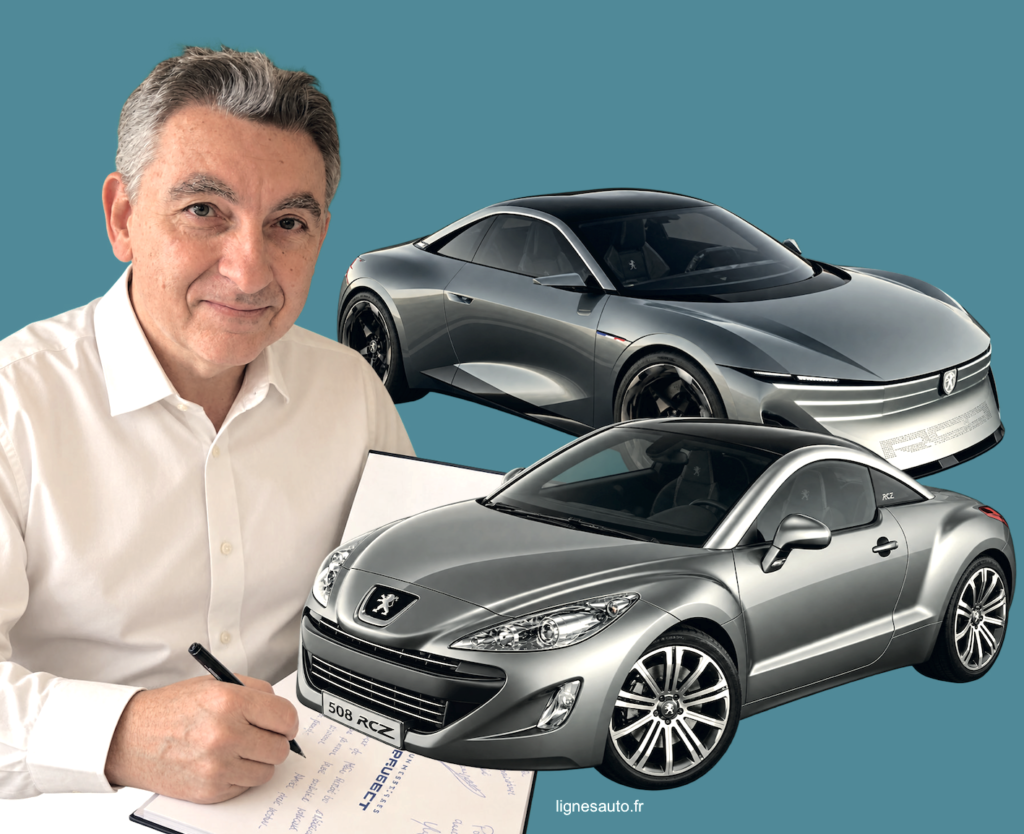
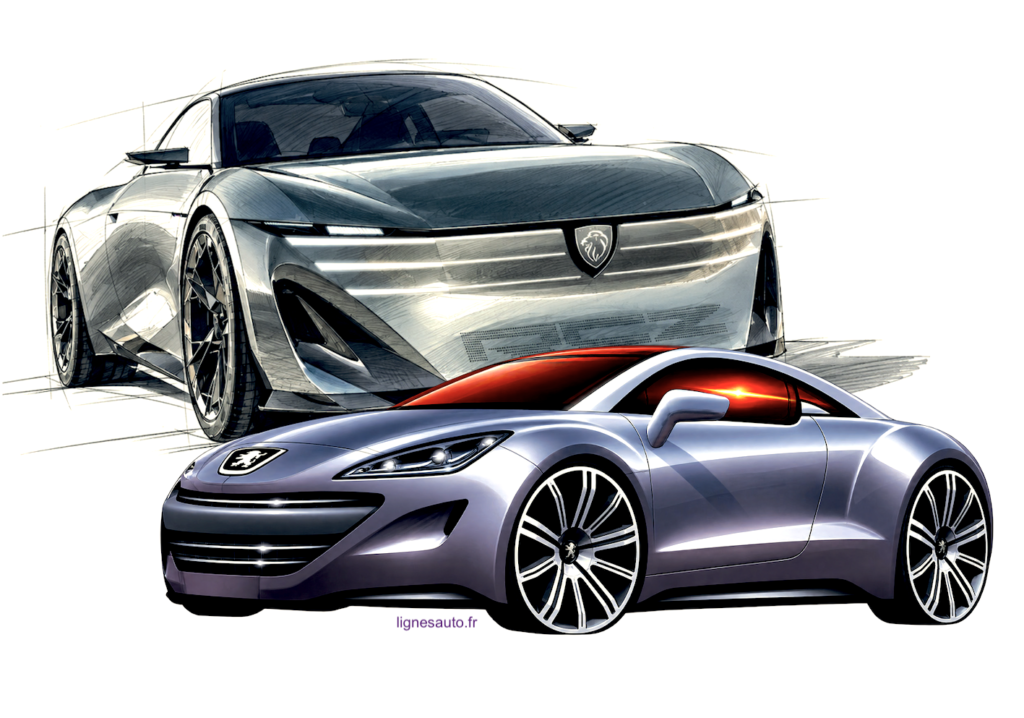
The French concept cars unveiled at the Paris Motor Show all drew inspiration from the history of their respective manufacturers: the Citroën 2CV saloon and van, the Renault Espace, the Alpine A310, the DS3, the Peugeot 205 Turbo 16, the Renault 8 Gordini and the Peugeot RCZ. Today, we’re taking a look back at Peugeot’s latest concept, the RCZ Vision, to explore its links with the brand’s iconic coupé, launched in 2009. And we’re not just talking to anyone – we met its designer, who was Peugeot’s head of design at the time. Over to Jérôme Gallix.
Jérôme is fortunate enough to be in fairly good form… By that we simply mean that he is undoubtedly one of the few designers to witness, in his own lifetime, a revival based on one of his own designs! And he tells us straight away, “I may be showing a little too much pride, but I feel terribly flattered that Peugeot has chosen the RCZ for a revival.”
However, Jérôme does not merely mention the name, or even the design, of this concept. He adds, “What’s more, I’m delighted that the RCZ Vision concept features the new generation of the i-Cockpit. My teams and I were behind this concept, which first appeared on the first-generation 208 in 2012 (one of the concept cars shown below). It’s one of the few projects I had time to bring to fruition at Peugeot before I left in 2009.”
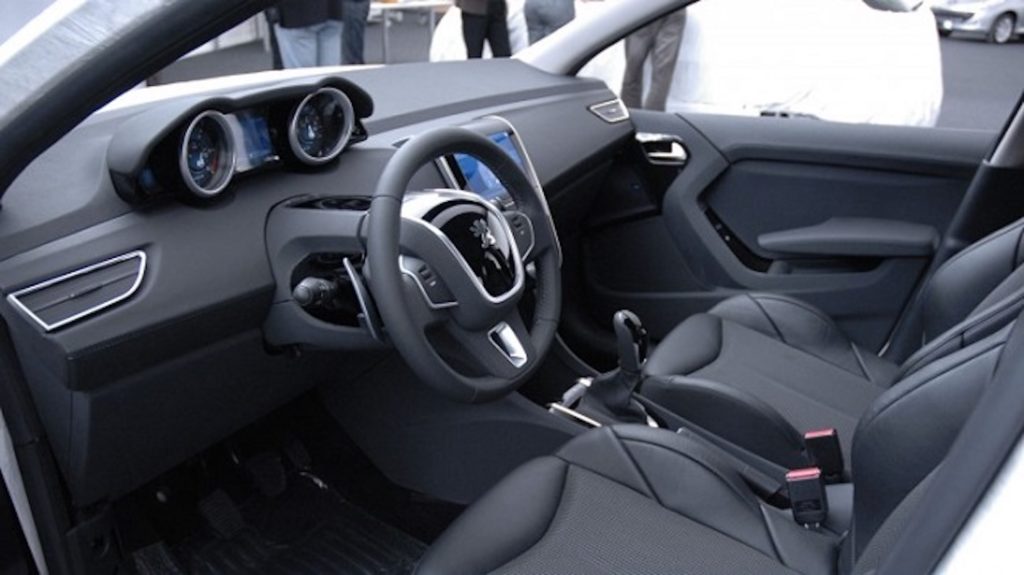
He concludes by saying that “this concept, without really seeming to, is rather a distillation of what I was able to achieve with the teams in the second half of the 2000s*. And so many years on, to see that all that work is still very much alive in the minds of the brand’s creative team today – I find that very flattering.”
*We might add the first generation of the Peugeot 3008, which was ahead of its time…
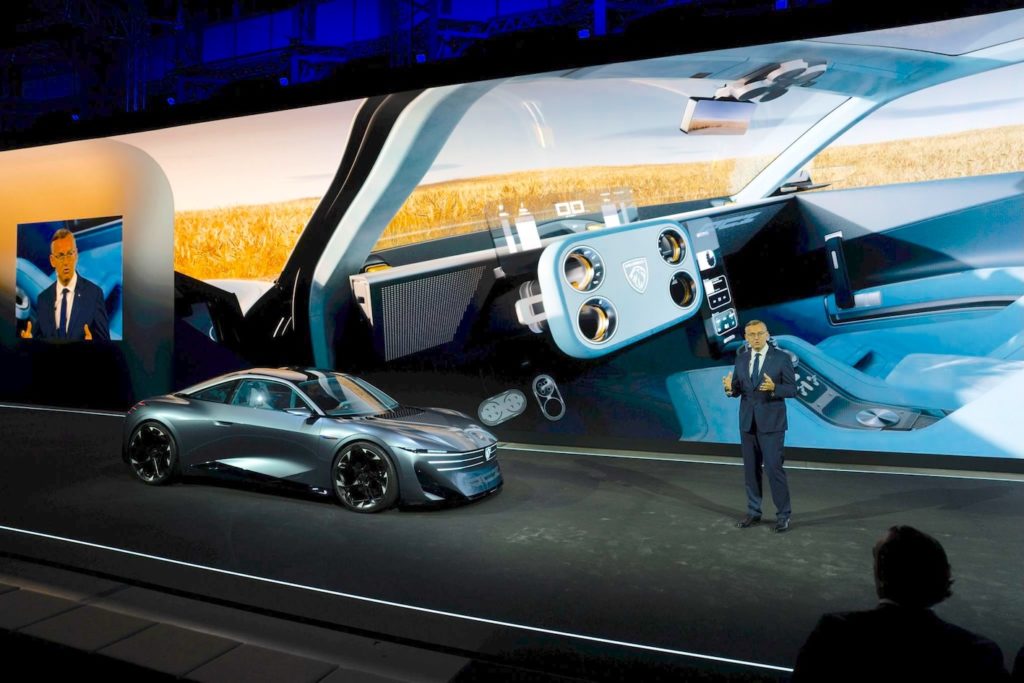
That famous i-Cockpit – which is sometimes criticised – was actually developed in collaboration with Peugeot’s design team when Jérôme was in charge. “Yes, and at the time there was a lot of scepticism about the concept, because it really did turn everything on its head! When I left, the decision on whether to put it into production hadn’t quite been finalised. Pierre Rémond was in charge of that, and he and his team produced quite a few prototypes, which eventually led to the first generation of the i-Cockpit in the first 208, after I’d left.”
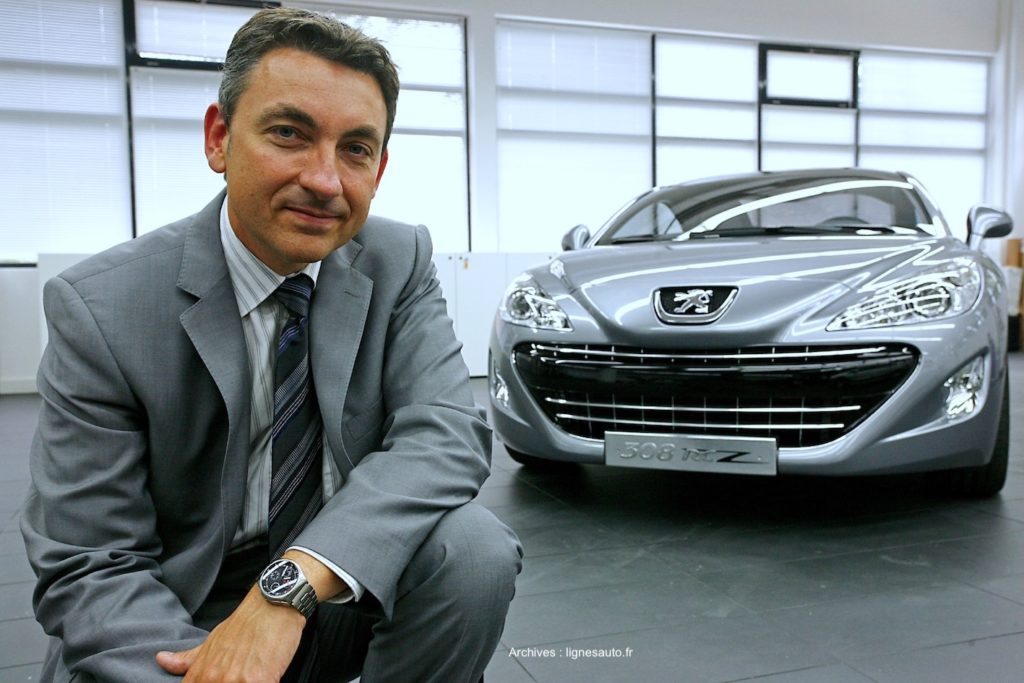
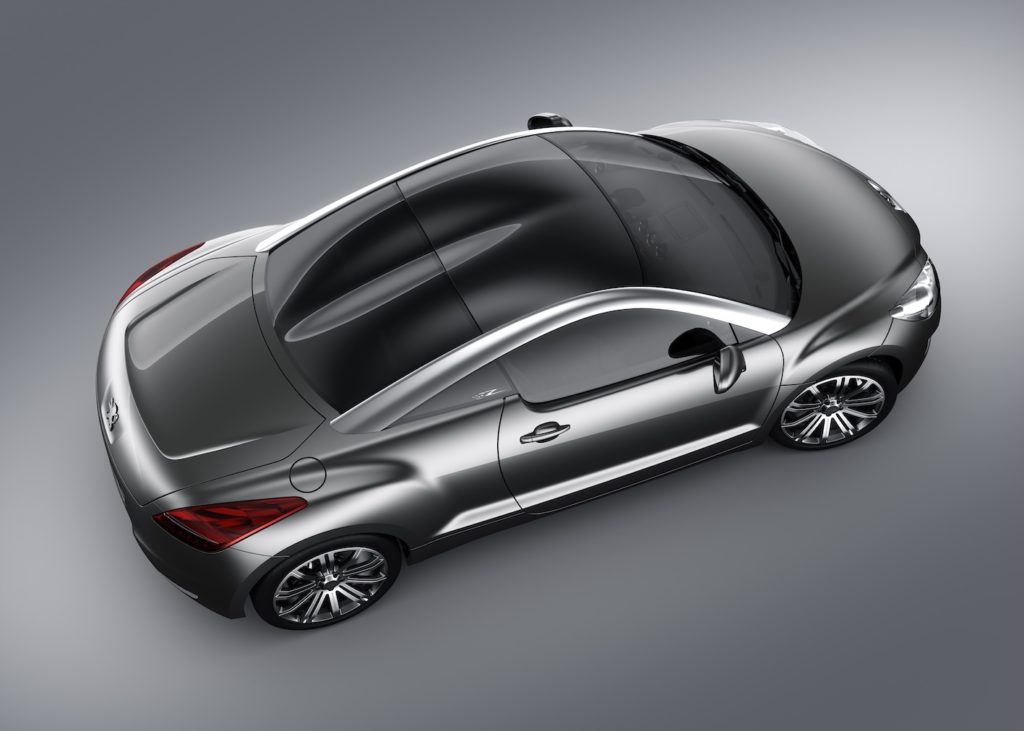
Peugeot and Jérôme Gallix share a long history, which unfolded in two stages: first, to introduce digital technology into the design department during Gérard Welter’s tenure; then, during his second spell at Peugeot Design, to take over from Gérard. “Personally, the Lion has been close to my heart ever since I was born. So I’m very grateful to the brand for giving me the opportunity to be its head of design and for having been able to design a car – the 2009 RCZ coupé pictured below – which has clearly now become one of Peugeot’s legends. On my deathbed, I’ll still remember it,” he says with a broad smile!
And what does he really think of the RCZ Vision concept? “I don’t really like talking about style… I’m not a designer, so I don’t want to talk about its style as such. What matters most to me is that the first thing the car must do to be a worthy successor to the RCZ is to go into production exactly as it was unveiled at the motor show.”
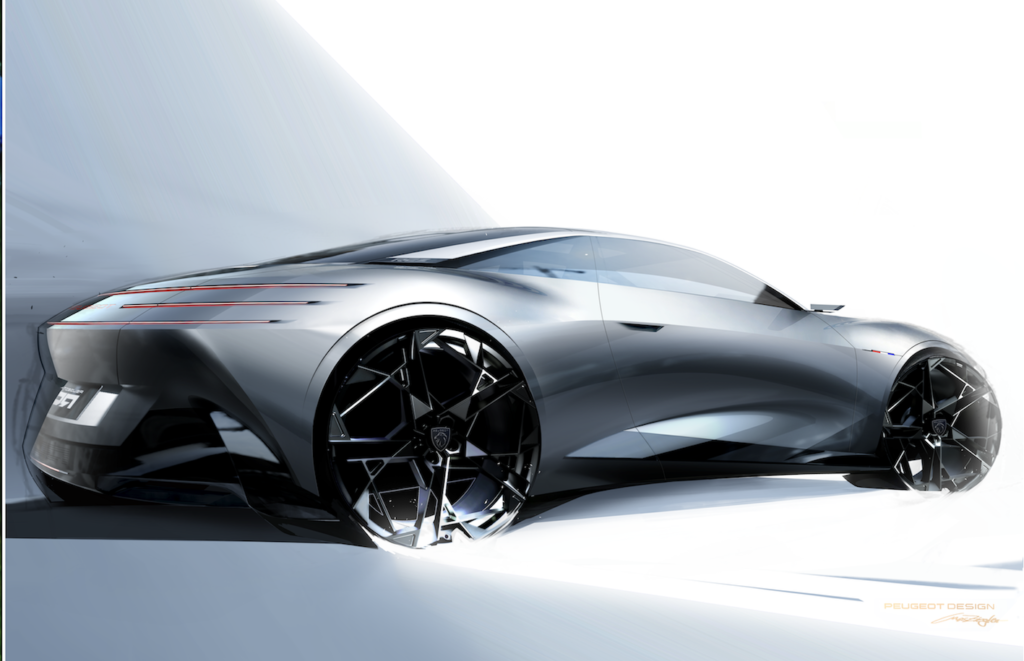
As far as Jérôme Gallix is concerned, there are only two possibilities: “Either they produce it exactly as it is today, in which case I take my hat off to them. Or it’s yet another broken promise, which would actually be the very opposite of the RCZ spirit!”
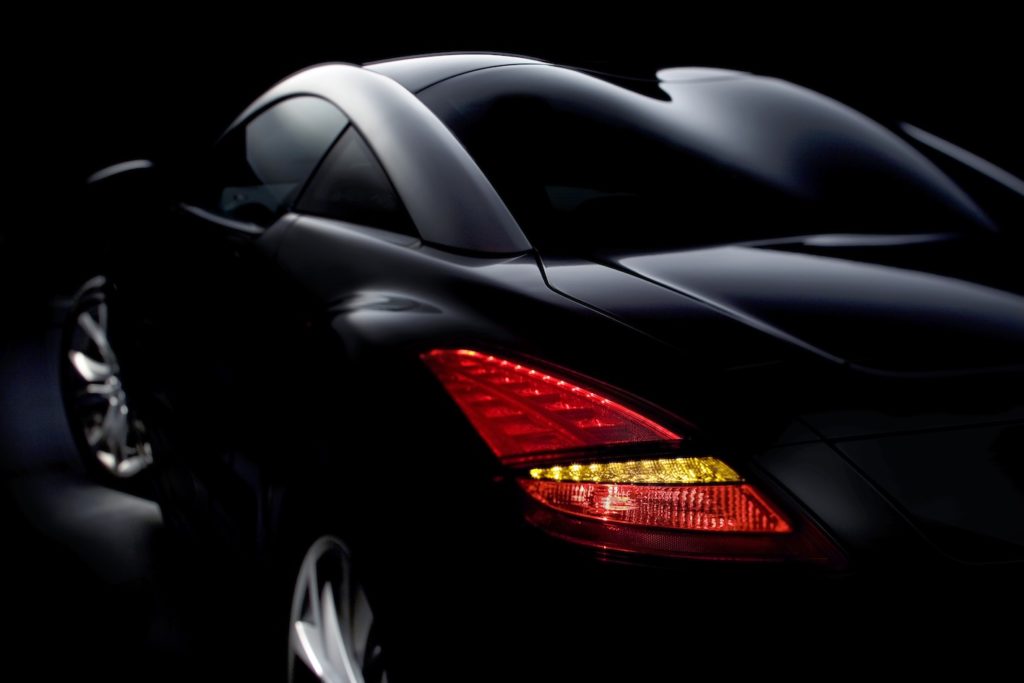
What exactly does he mean by that? “When we built the RCZ prototype in 2009, we held back from designing something far more spectacular, precisely because we wanted to ensure that all the arguments against mass production could be swept aside. With Jean-Christophe Bolle-Reddat in the concept car team, we still racked our brains quite a bit to stay within the very narrow confines of ‘still possible!’ And that, in turn, made the task even more difficult. We didn’t want to create a designer’s showpiece!”
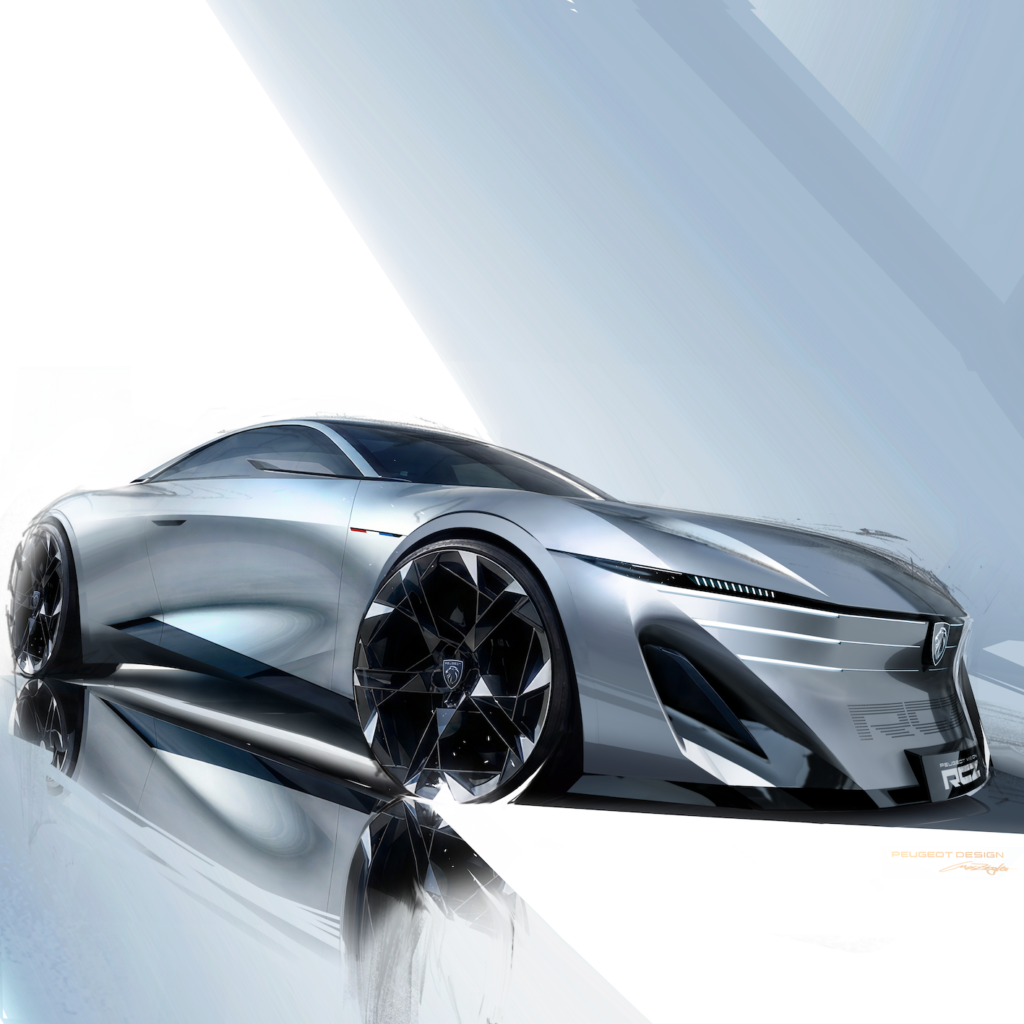
So, should the RCZ Vision be produced? But will the coupé market be thriving in 2026? “I find it hard to answer that question. I think European carmakers have a duty to come up with something new and powerful if they don’t want to disappear. And even if there’s no market for it, if you want to survive, you need a fresh, original message that hasn’t been heard before; otherwise, you’ll just get lost in the crowd.”
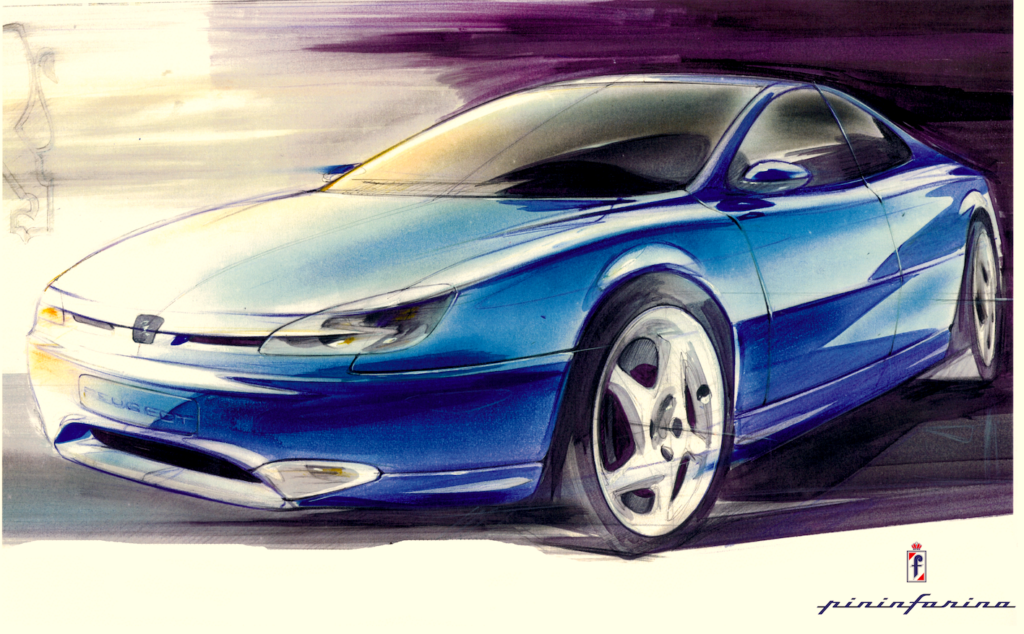
Jérôme makes an unexpected comment about the RCZ concept car from the Paris Motor Show. “In my view, this Peugeot concept strays a bit from the spirit of the RCZ, because it’s too big and doesn’t stick to the two-seater layout with two additional emergency seats. It seems more in the vein of a 406 coupé, or even a 407. And so, for me, it’s no longer the same car.”
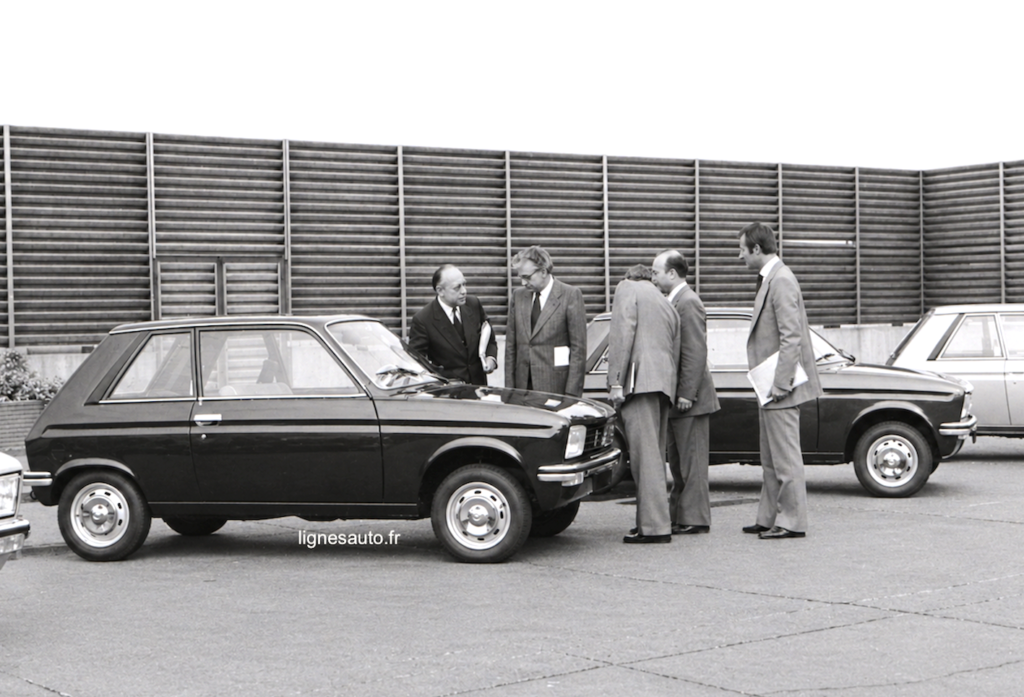
To expand on his argument, Jérôme Gallix adds that “what also bothered me was perhaps the fact that it was called the RCZ Vision. It should have been called the RC Vision. The letter ‘Z’ in the original RCZ also referred to the Peugeot 104 Z, a car that was a 2+2, not a four-seater. I’d mentioned this at the time to the Peugeot Product teams, and the ‘Z’ really embodied that spirit of a small car. That is no longer the case with the Paris Motor Show concept.”
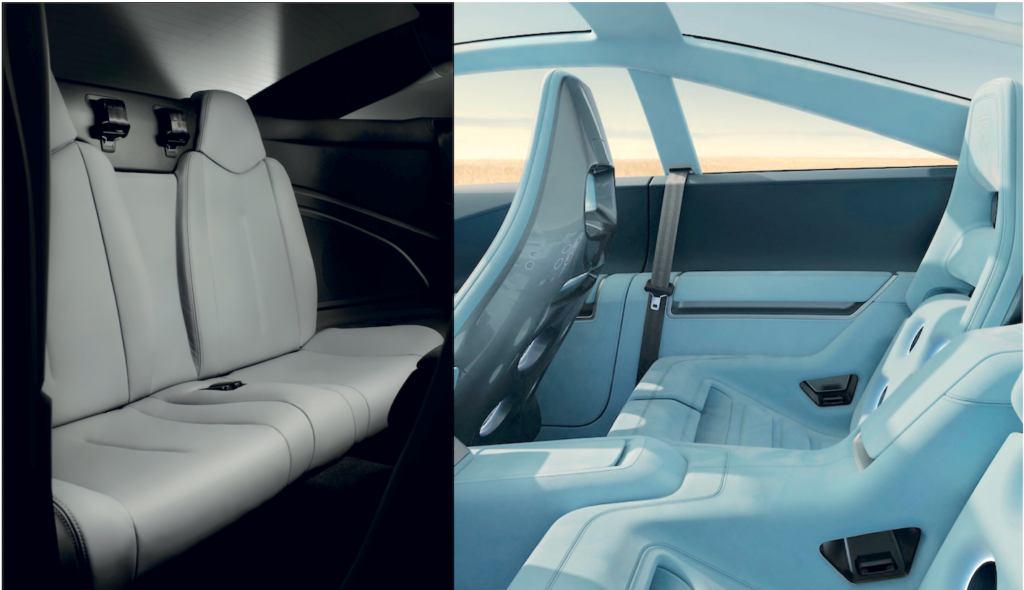
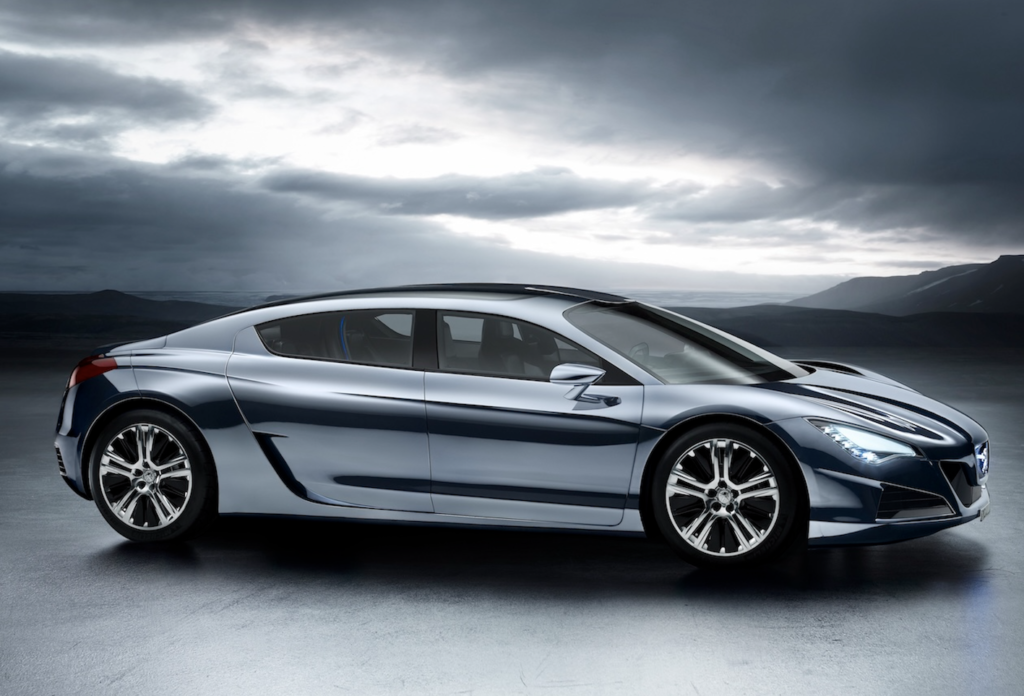
The French designer acknowledges, however, “that this is a nitpicking reaction and that there are probably only ten people on the planet who think the same way as I do. But letters have meaning, just like words… In 2008, we unveiled a four-door, mid-engined coupé concept car – shown below – which we called the RC Hybride-4, not the RCZ Hybride-4…”
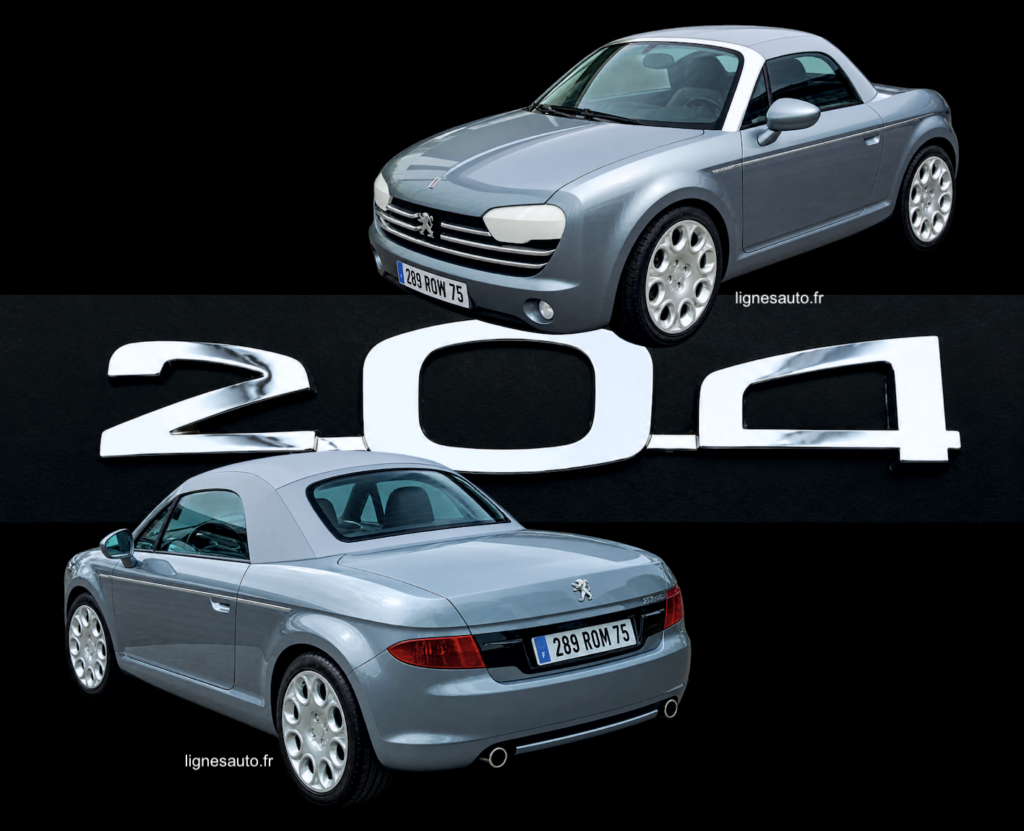
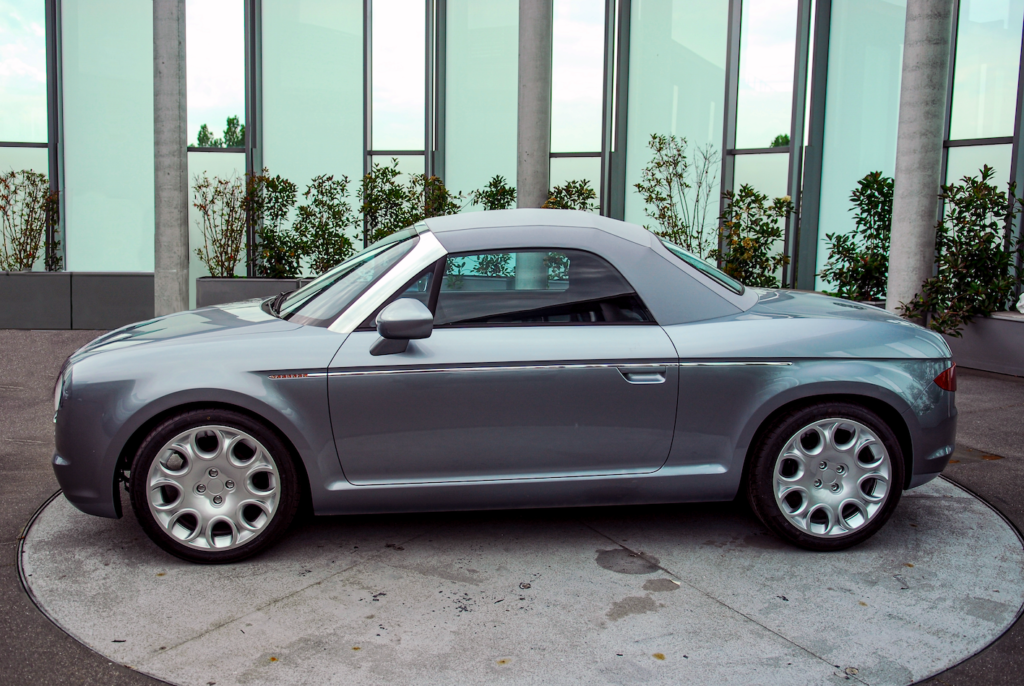
More generally, what does he think of this World Motor Show, where ALL the French manufacturers are drawing on icons from the past to develop their concept cars? “I think it’s good because I like the revival trend. But back then, I was very much on my own against everyone else at Peugeot, and that was as early as 2007. I launched the 204 revival project with a convertible (below) and an estate car.”
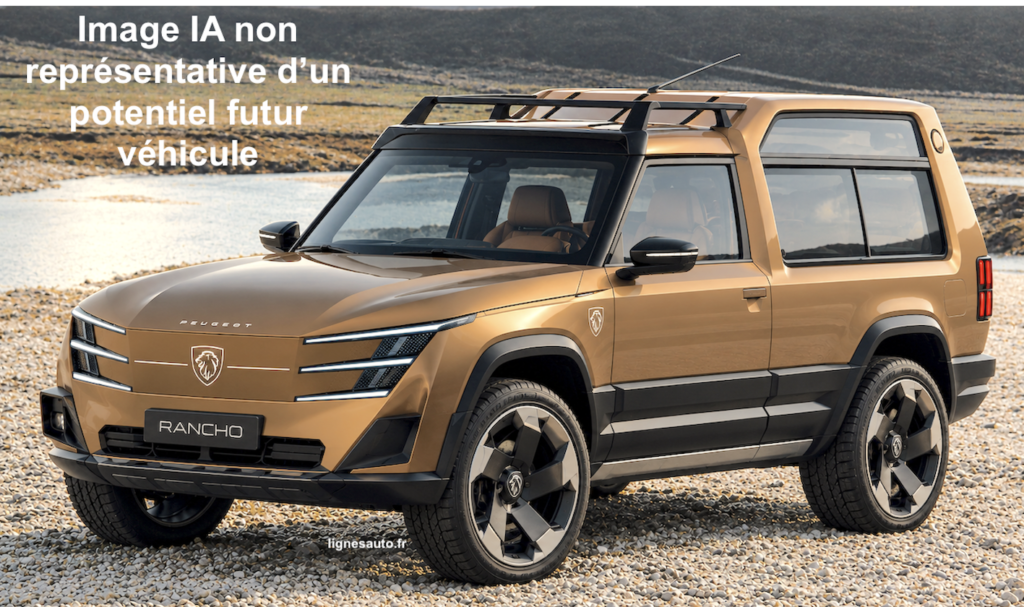
“The problem today isn’t the idea of a revival; it’s that what we witnessed at the Paris Motor Show was a veritable barrage of them. There aren’t many iconic French cars left that could be the subject of a meaningful revival. Perhaps the Matra Simca Rancho?” Rancho – what a strange idea! “It’s a vehicle that would make a lot of sense in the current climate. A ‘green’ vehicle, with space for living and leisure… This vehicle isn’t understood at Stellantis, and yet it has enormous potential. As for the rest of the possible French revivals, the well is starting to run dry.”
And this line of thought brings him back to the RCZ Vision concept car from the Paris Motor Show. “If Peugeot brought back the RCZ without actually bringing it to market, it would be all the more regrettable as they would have wasted a chance for nothing. Opportunities like this don’t come along 40 times!” And what revival would tempt him? “Well, it’s too late for the 204! I don’t think there are any other possibilities at Peugeot.”
“I had this discussion with Xavier Peugeot back then. In my view, a revival only makes sense when the original vehicle is, admittedly, iconic, but hampered by technical solutions that are now outdated. For example, reviving the 205 wouldn’t be a good idea, because the original car was very modern in its design in terms of bodywork technology. And it’s still very much up to date. It would therefore be nothing more than a stylistic exercise, and that’s far less interesting. Reviving the 205 would be like redesigning a Golf: what would you actually be doing that’s new? Nothing…”
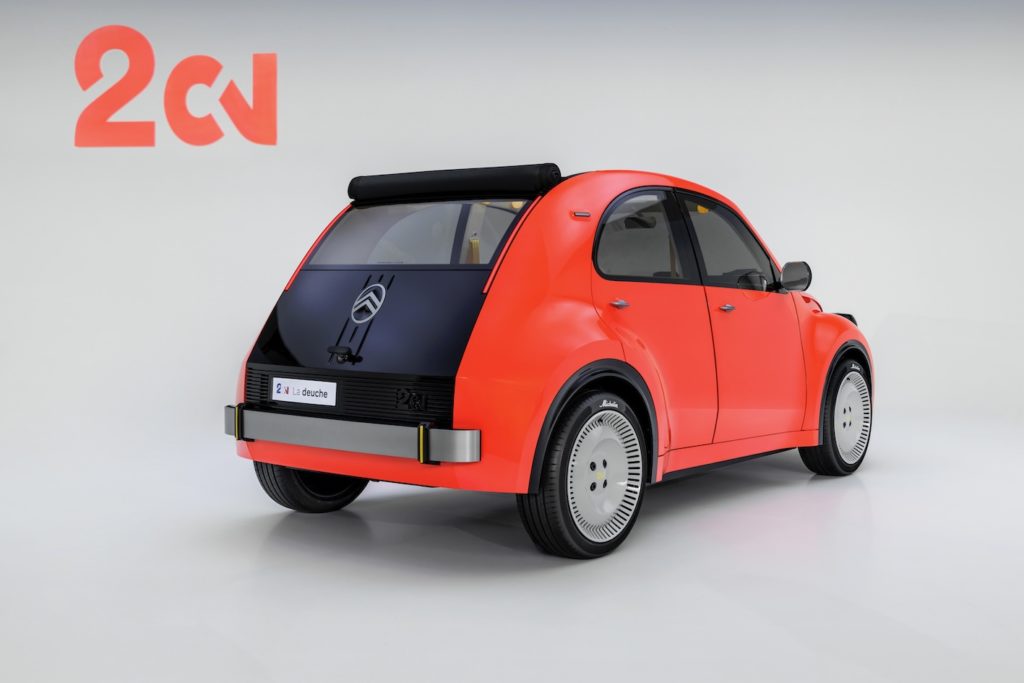
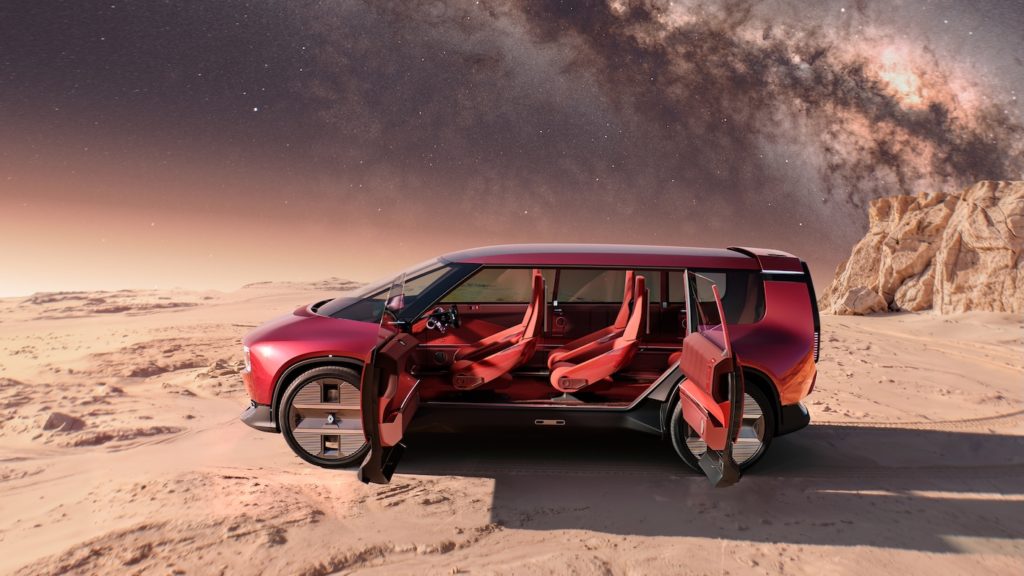
With all due respect to the Peugeot RCZ Vision coupé, the Citroën 2CV stole the show at the 2026 Paris Motor Show. What does Peugeot’s former head of design think? “I quite like it. That said, I’ve never liked the original 2CV, so I have absolutely no sentimental attachment to the original model; I judge it solely on the basis of what it inspires in me, and I find it rather fun, fresh, uncomplicated and unpretentious.” And at the other end of the spectrum, the Renault E-Space concept shown below also went down a treat with visitors to the Paris Motor Show. So much so that Jérôme Gallix told me quite clearly, “I love it! And as far as I’m concerned, it was the star of the show!”
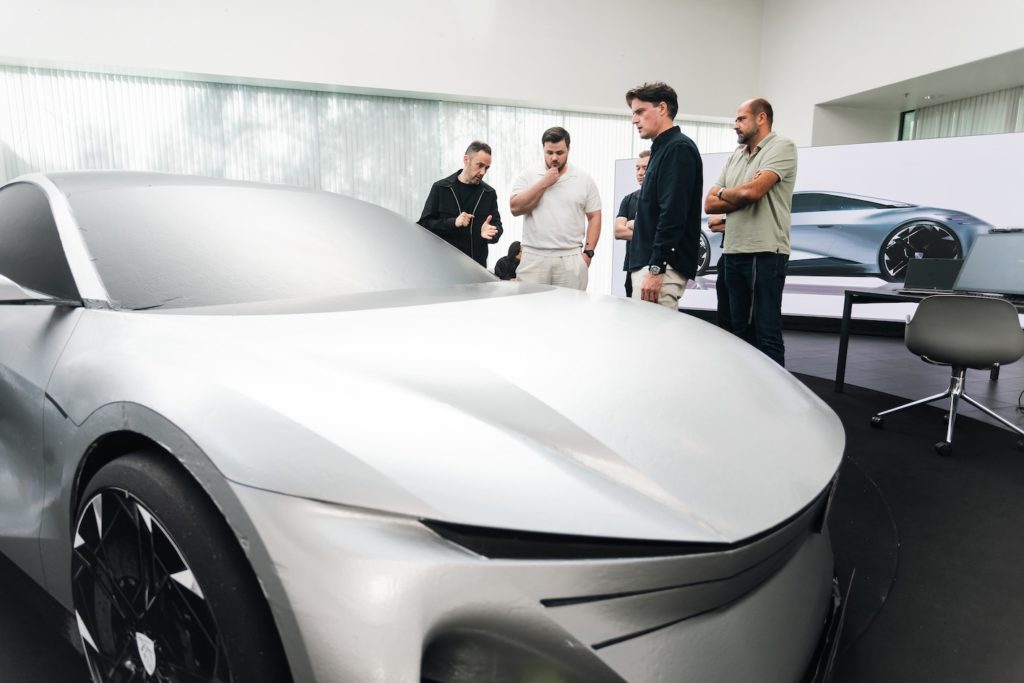
The women and men behind the 2026 Peugeot RCZ Vision concept car
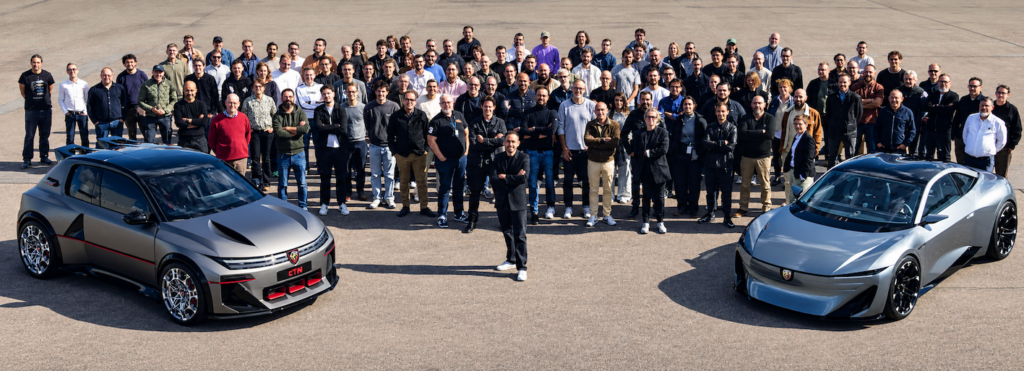
The names of a design director’s “team members” are rarely mentioned, yet he alone could not see a project as colossal as a concept car through to completion. Peugeot Design and its communications department are keen to showcase the team. The lead designer is, of course, Matthias Hossann. He is assisted on the RCZ Vision concept car by Stefano BOLIS, design manager. Next on the list is Sébastien CRIQUET, head of exterior design for Concepts & Early-Stage Development. Guillaume LEMAITRE, head of interior design for Concepts & Early-Stage Development. Max ZIEGLER, exterior designer. William DUFOUR, interior designer. Loïc MULLER, interior designer. Paul GAWSEWITCH, interior designer. Mile LOTH, designer (wheel rims). Léa COCHET, Colour, Materials and Finishes designer. Images & videos: Peugeot Design Imaging Lab team, Sébastien FLOUTIER.