
Alexandre Malval speaks about his return to Renault via the Renault Group’s ‘futuREady’ channel. Here is a partial transcript, supplemented with comments from LIGNES/auto and extracts from interviews conducted by our website throughout the career of this all too little-known designer.
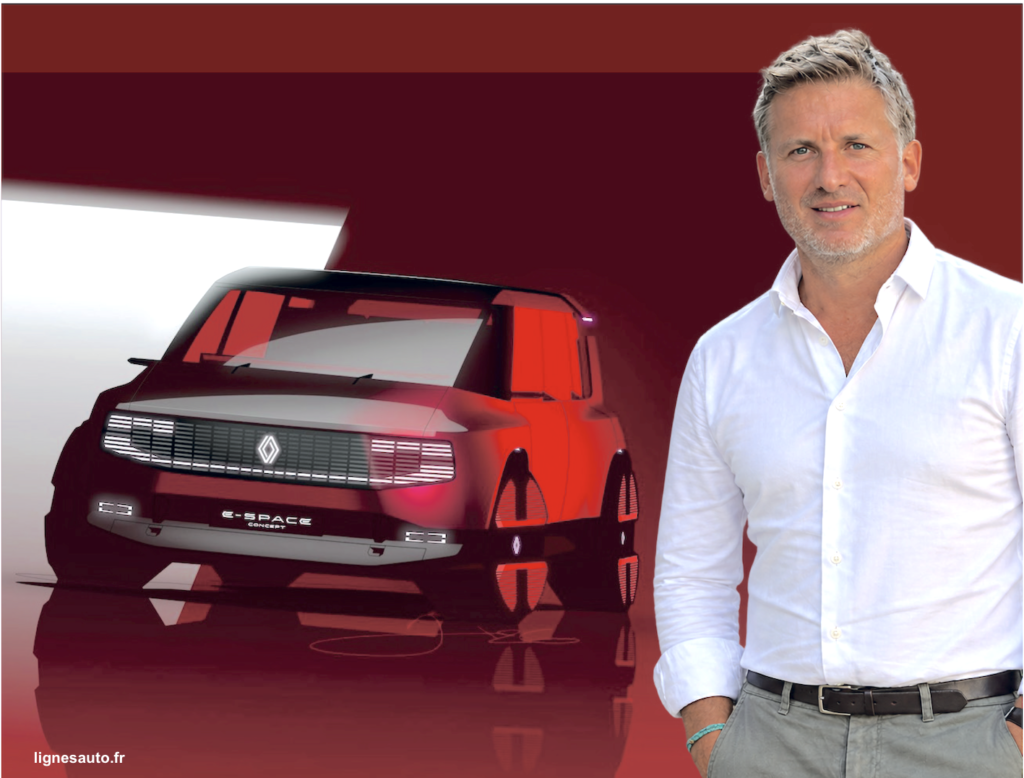
“When I returned to Renault at the start of the year, I found a company I was already familiar with, but one that had undergone a profound transformation due to its international reach, as well as a team driven by a tremendous desire to create and innovate. I was struck by this collective determination to explore new ideas, by this thirst for creativity and by this strong sense of humanity that goes far beyond the realm of design. ”
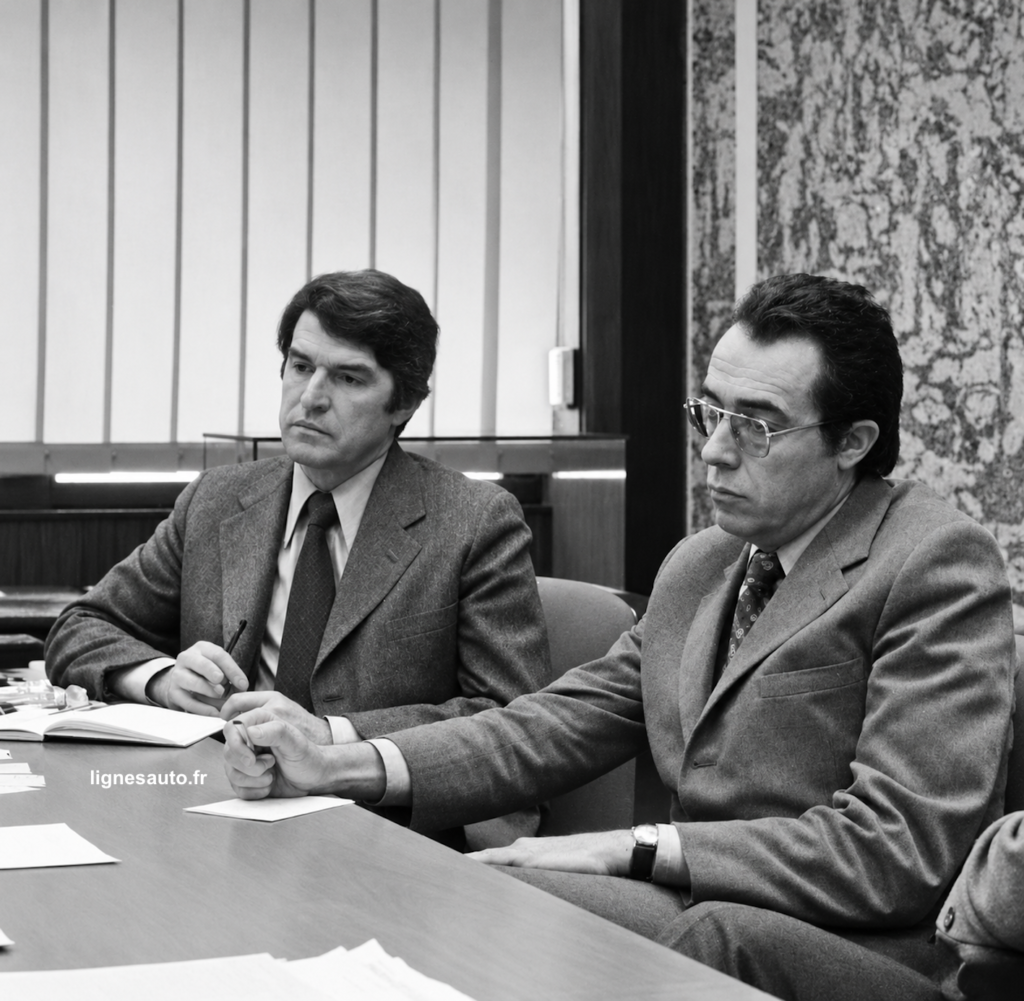
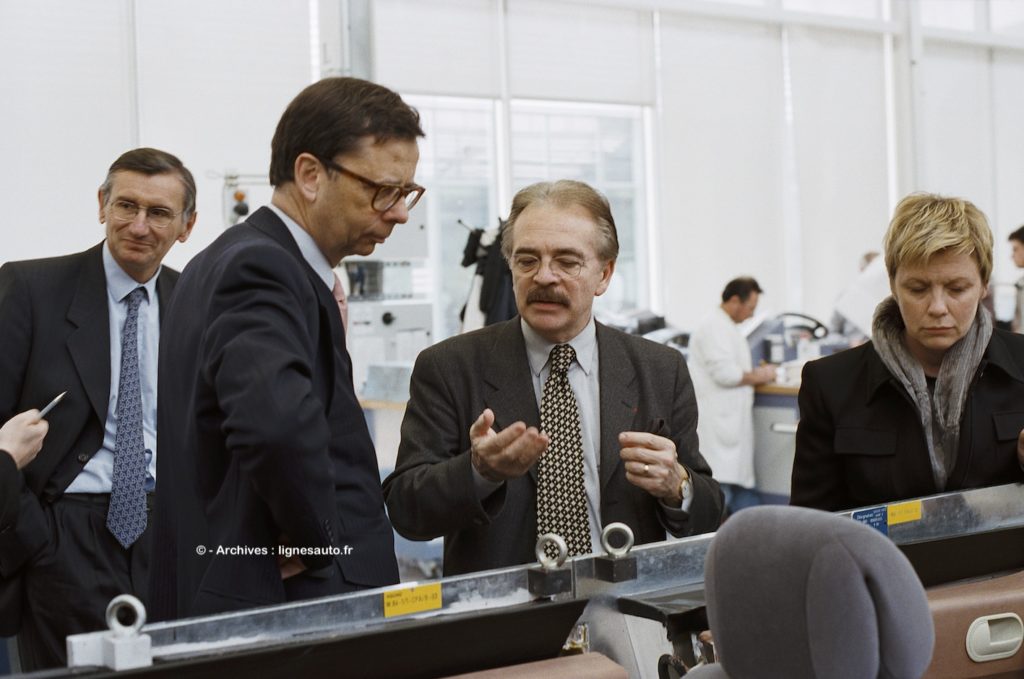
Alexandre recalls his early days as a designer at Renault in 1993. It was largely thanks to the great designer Michel Harmand (1934–2004) that he was able to discover this world. “During my military service, I taught at the École Supérieure de Design Industriel de Paris alongside him. He was a key figure in my career. I’ve known him since I was a child, as my parents were in the same year as him at the École des Arts Décoratifs. They asked Michel Harmand what course I should take. Thanks to his advice, I studied at the École des Arts Appliqués in Paris, the same school attended by Jean-Pierre Ploué and Thierry Métroz. And Michel Harmand recommended an internship at Renault, where I met Jacques Nocher (below).”
Alexandre Malval talks about his passion. “I’m passionate about design in the broadest sense. I appreciate projects that have a clear objective, that are coherent and well-conceived, and that involve playing with proportions and volumes, with an obsession for innovation and modernity. I also really enjoy working as part of a team to shape the vehicles of tomorrow.”
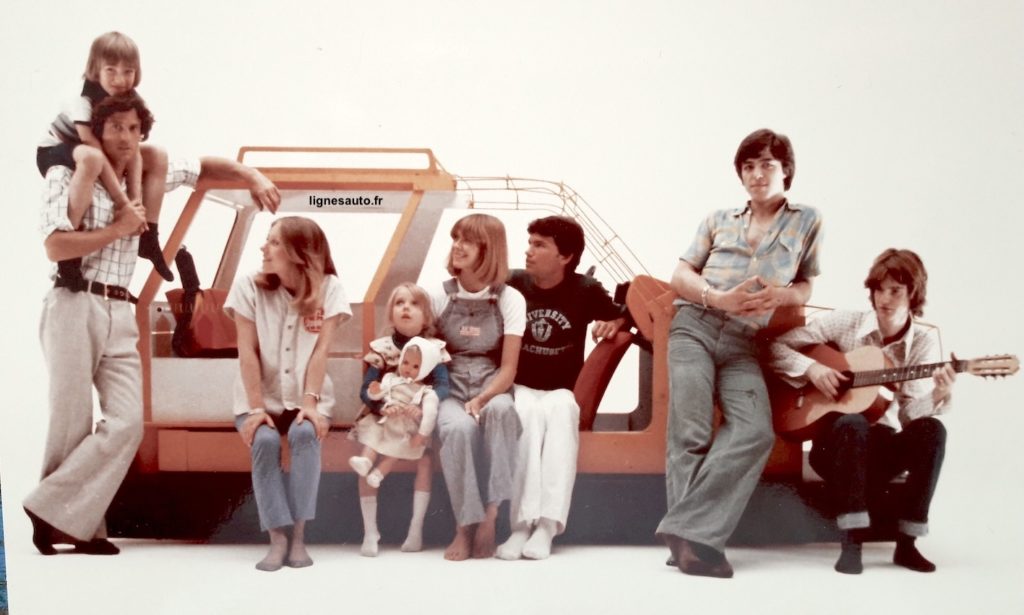
And when the group asks him, “What makes a Renault a Renault?”, Alexandre draws on his experience of just under a year since joining Renault last January to explain that “it is, above all, what we at Renault call a ‘car for living. A companion for everyday life, whether for a family, a couple or a single person. A car that’s a pleasure to drive every day, for all sorts of reasons depending on your needs.“
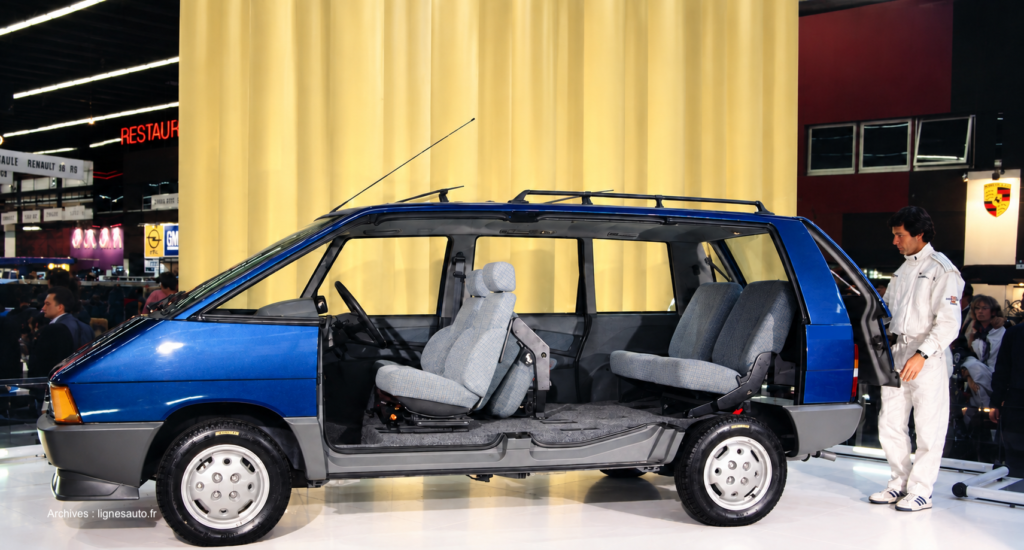
“This idea is deeply rooted in Renault’s history – a brand that must appeal to everyone and remain popular. The brand has always sought to find clever solutions to meet people’s needs, with a focus on comfort, simplicity, functionality and those little touches that make a car a pleasure to drive.” And to back up his words, Alexandre explains that “modernity is also an integral part of Renault’s DNA. The brand has always been committed to pushing the boundaries, innovating and remaining at the cutting edge of progress.” Four strategic pillars define a comprehensive manifesto for Renault’s design of the future.
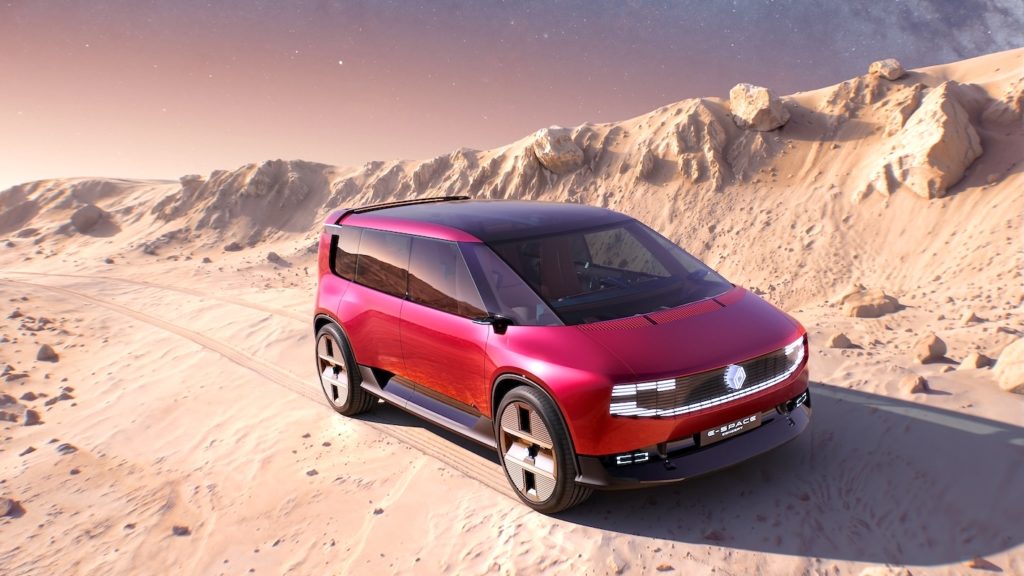
The Renaults designed by the Malval team – which will be tasked with giving the final seal of approval to the few models designed by Gilles Vidal before his departure – will, first and foremost, be “designed to be loved and, therefore, to be attractive and expressive cars.” Alexandre then goes on to talk about “technology that serves people.”
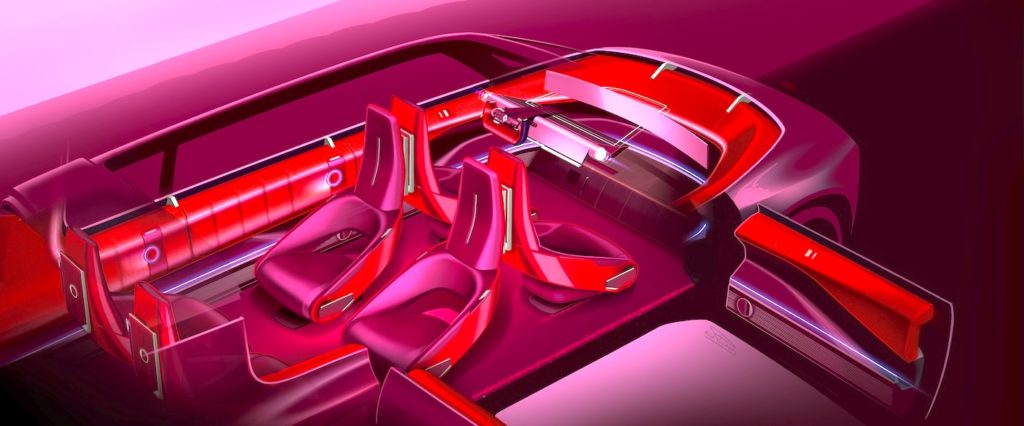
When it comes to technology, the third pillar naturally refers to the electrification of Renault’s cars of the future. But above all, they will be “electrified by passion”. Finally, what might seem like a minor detail is anything but in Malval’s eyes: imagining “carefully designed spaces” that create living environments within future Renault cars.
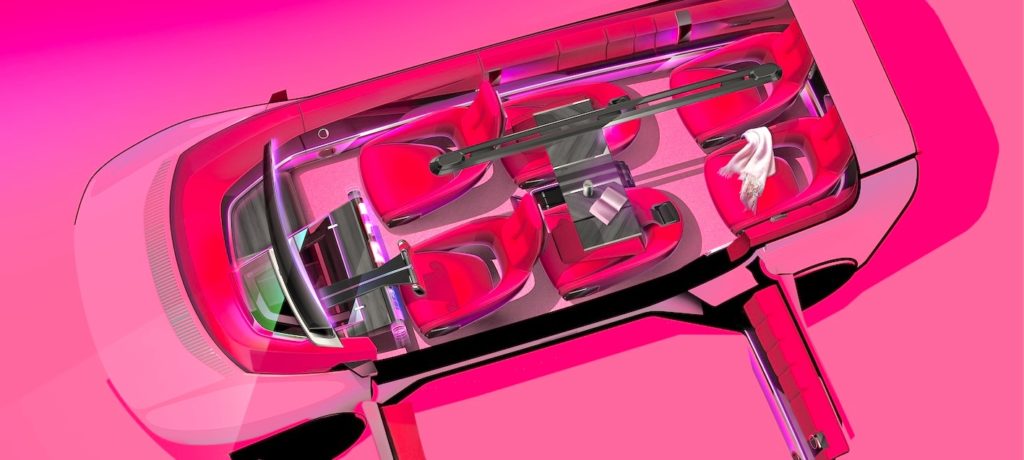
“With every new project, we aim to tick all four of these boxes. Our job is then to translate these principles into a strong design – in terms of both exterior and interior styling, as well as through our user interfaces, colours and materials – in order to offer our customers the greatest possible enjoyment and emotional experience.”
Patrick le Quément, who was head of design at Renault for 22 years, often spoke of a strong design and a concept that is just as strong. Alexandre Malval, for his part, sums up the aim as “to offer our customers a complete and holistic experience through the architecture of our vehicles, their styling and their technology. This is how we envisage the Renaults of tomorrow.”
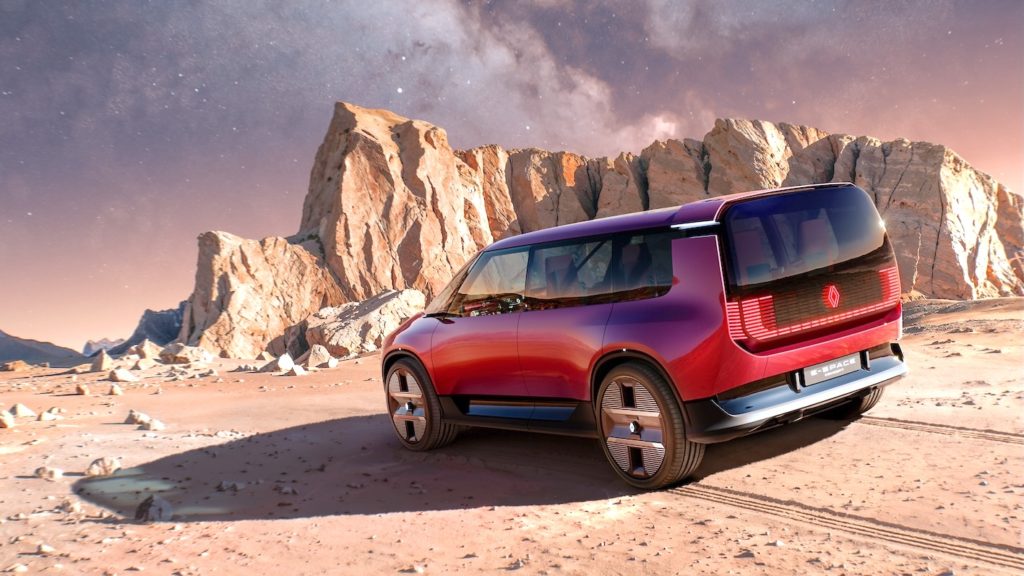
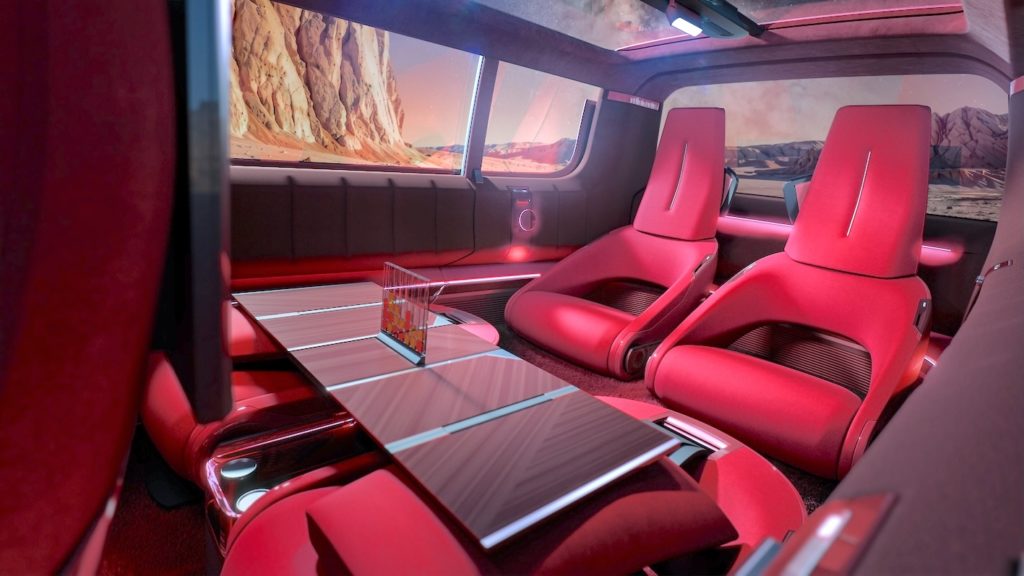
The E-Space concept unveiled at the Paris Motor Show is therefore the first step taken by Alexandre’s team, which has brought back designer Romain Gauvin – who was previously at Dacia and, before that, at… Citroën. Citroën, where, it is worth recalling, Alexandre served as design director from 2012 to 2018. It is these so-called ‘second-in-command’ figures (which is not a pejorative term in this case – quite the opposite, in fact) who are the loyal supporters of the leaders, as is Sandeep Bhambra today at Stellantis, working alongside Gilles Vidal.
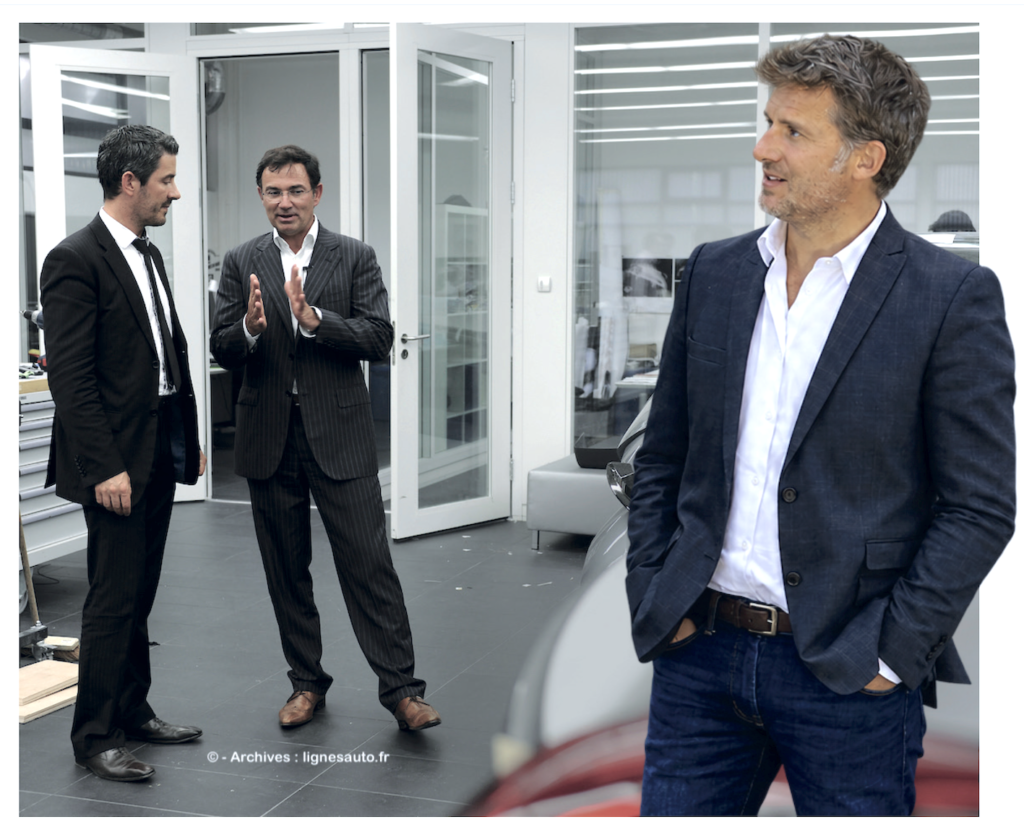
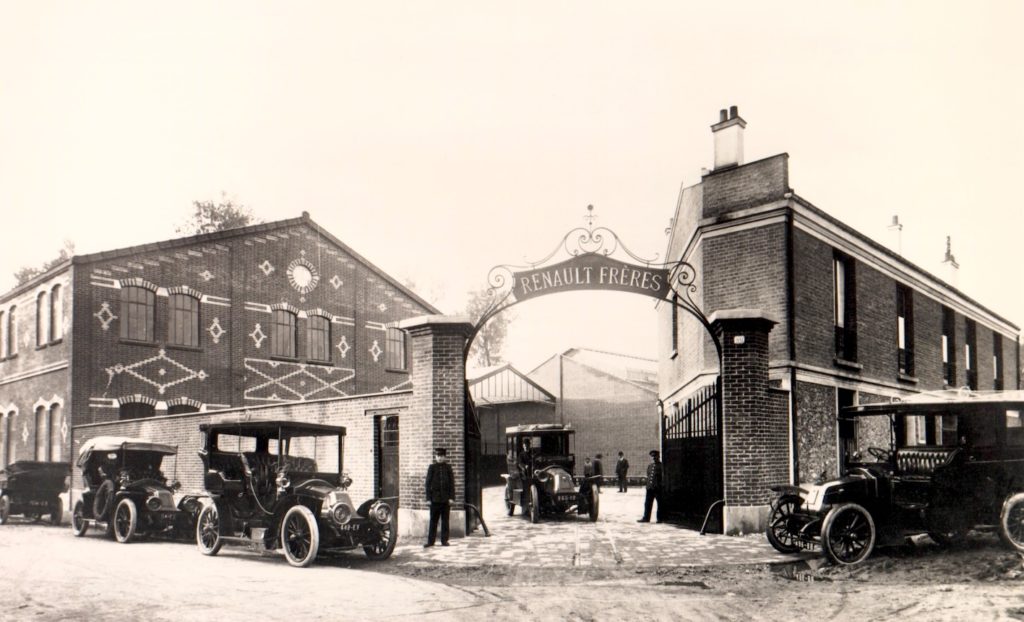
During his time at Mercedes, Alexandre explained to LIGNES/auto that “from a professional perspective, a designer’s instincts remain the same; the creative processes are similar, as are the evolution of the profession and the new challenges brought about by the transformation of our industry. “But German automotive and design culture, for example, remains different; the blend with foreign sensibilities – more Latin in our case – is very interesting in terms of fuelling thinking about future products.” At Renault, the culture of the group and of a manufacturer with a history stretching back over 130 years is strong. It is ready to embrace a new design language.
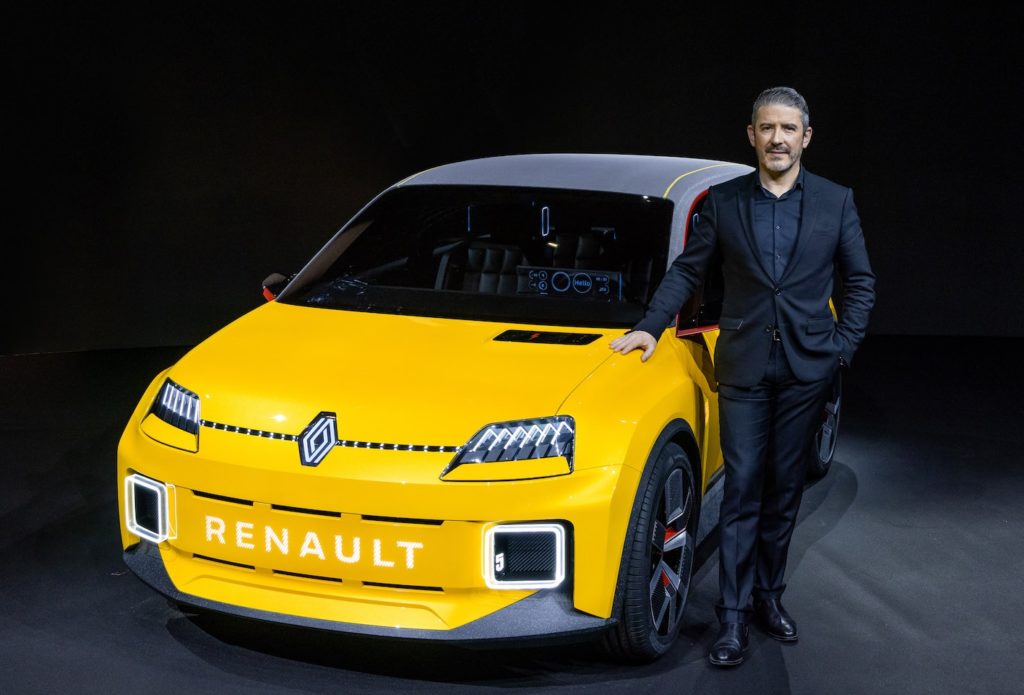
Alexandre is therefore set to build a range based on the E-Space concept. “I want to build a cohesive family of vehicles that clearly share the same DNA, guided by our brand’s design language, with design features and a character that are consistent across Europe and internationally. All whilst ensuring that each model has sufficient freedom to develop its own personality. Every vehicle must stand out in the market thanks to a strong design and must be unmistakably a Renault. ”
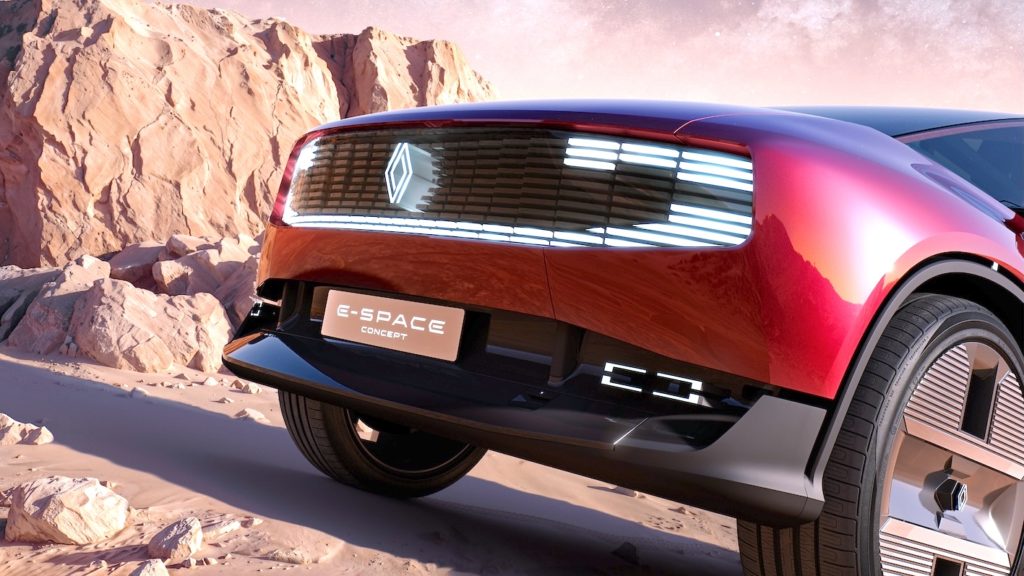
And for Malval, the first element of a strong design is “that it must be recognisable even without its logo (above, that of the E-Space concept). It starts with the silhouette and the proportions from every angle. These give a car its look and a clearly defined character. The surfaces, details and lighting signatures then serve to reinforce this identity. ” However, there was a time at Renault when identifying a model solely by its design was not necessarily viewed favourably: the Twingo was first and foremost a Twingo before being a Renault, and some of Renault’s executives at the time insisted that the design should ensure the car was recognised first and foremost as a Renault. And thus, a common identity across the range’s models. More on this subject to follow…
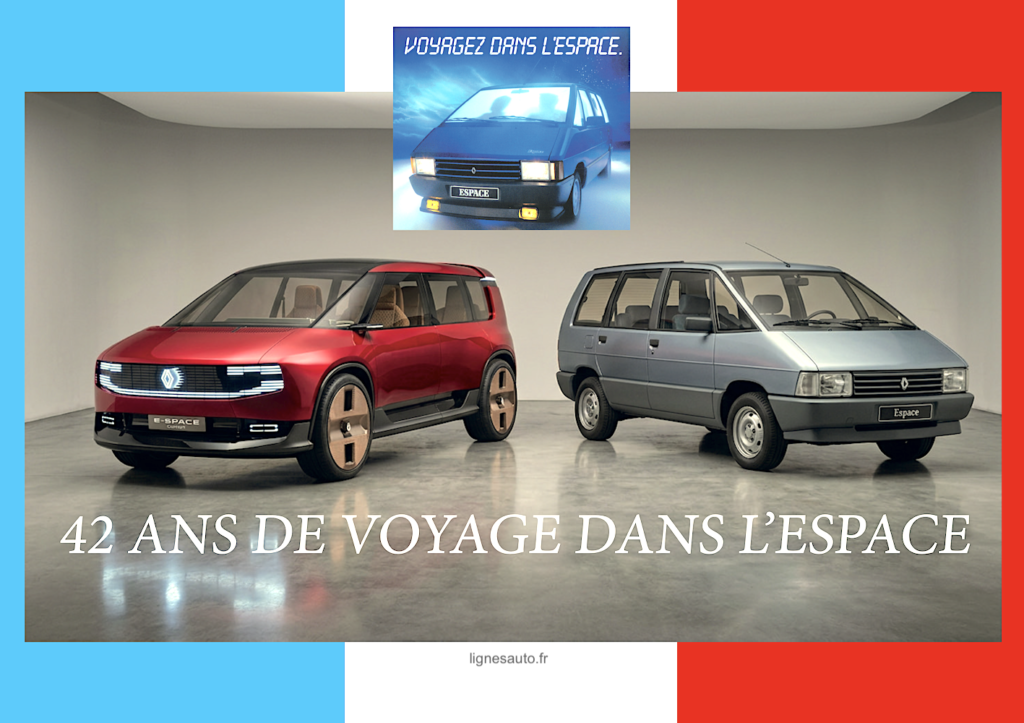
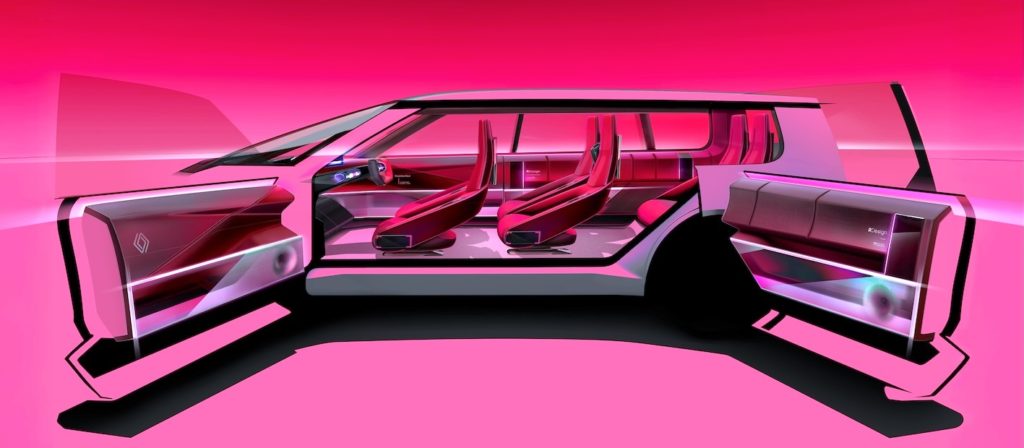
And when we discover the E-Space concept, we see once again that Renault’s heritage serves as the basis for a new concept, pictured above. Alexandre Malval confirms that “this is one of the sources of creativity. Renault has an exceptional heritage stretching back nearly 130 years. The Renault 5, the Renault 4, the Renault 8 Gordini, the Espace and the Twingo… These cars left their mark on their era and forged a strong emotional bond with customers. This heritage is an asset, but it must be handled with care. ”
We mentioned earlier the electrification of Renault’s future models. Alexandre Malval is certain that it “opens up new possibilities. Vehicle architectures are evolving, and proportions are adapting accordingly, offering new ways of utilising interior space or improving the proportions of the exterior design, for example by reducing overhangs. On-board technology also considerably broadens the scope of design possibilities, particularly for the cabin: screens have partly replaced instrument panels, and connectivity and new features have become indispensable, radically transforming the in-car experience.”
On arriving in Guyancourt, at the Renault Group’s French design centre, Alexandre found tools he knows well, particularly from his time as head of Mercedes’ advanced design centre in the south of France (2018-2025). And amongst these, artificial intelligence, of course! “It is a powerful catalyst for our creativity. Starting with a sketch, we can now quickly explore different stylistic options, visualise them in hyper-realistic environments and generate video sequences. What used to take several days can now be accomplished in just a few minutes. We are in the midst of a revolution, and it’s thrilling. ”

That’s true, but AI has other benefits… Be careful, though: “AI is by no means a substitute for a designer. To achieve good results, you always need a creative designer with the inspiration required to craft effective ‘prompts’ that produce compelling results. A designer is also always needed to evaluate the outcome, correct it, modify it and make the final decisions. Faced with hundreds of potential proposals, we need to know which ones to select, bearing in mind the strategy, the technical constraints and the world we want to create. AI enables us to speed up our processes, but it does not make decisions for us. ”
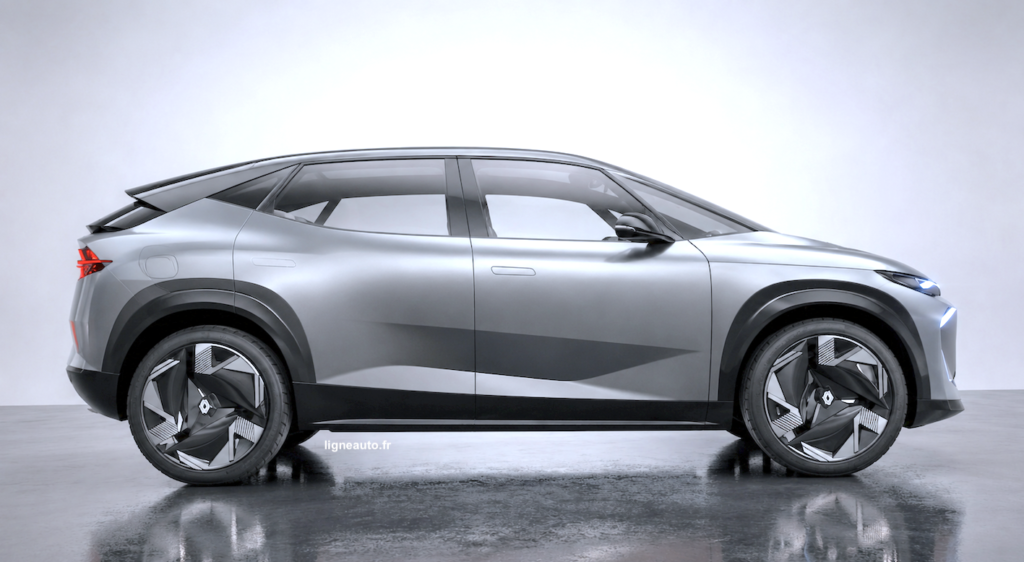
There are still a few questions we’re asking ourselves, such as what the key themes of the design language for future Renaults will be. Or whether the R-Space Lab concept car – which hints at a potential Scénic (as imagined by LIGNES/auto above) – has been selected, or whether it has been shelved. And whether Renault might, why not, make use of Alpine’s APP aluminium platform to design a sports car proudly bearing the Renault logo…
