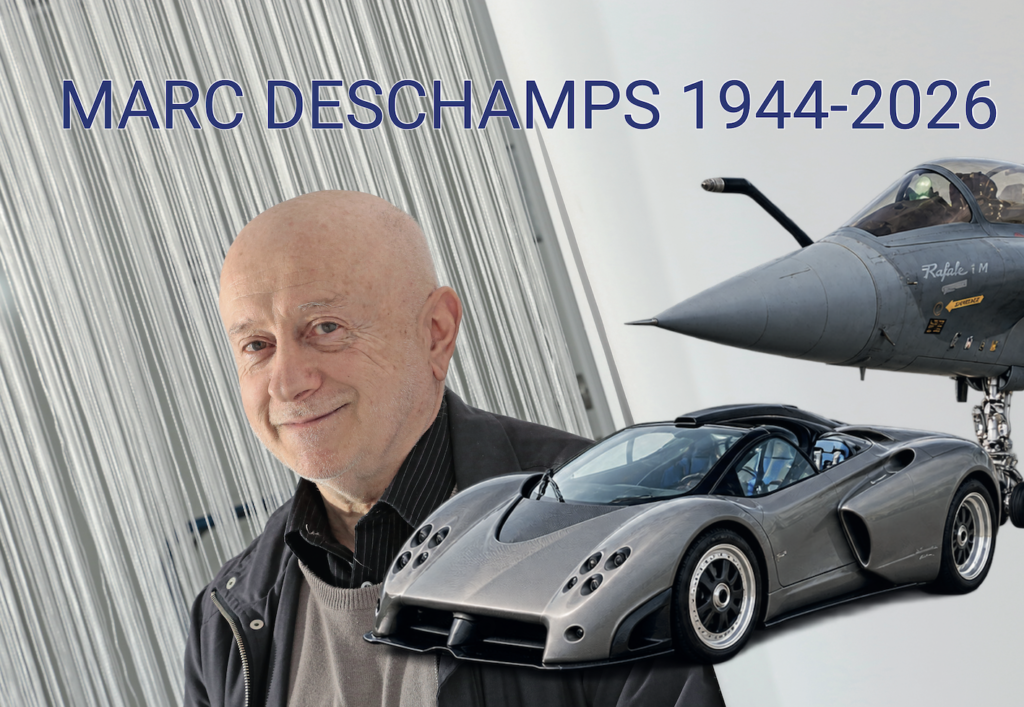
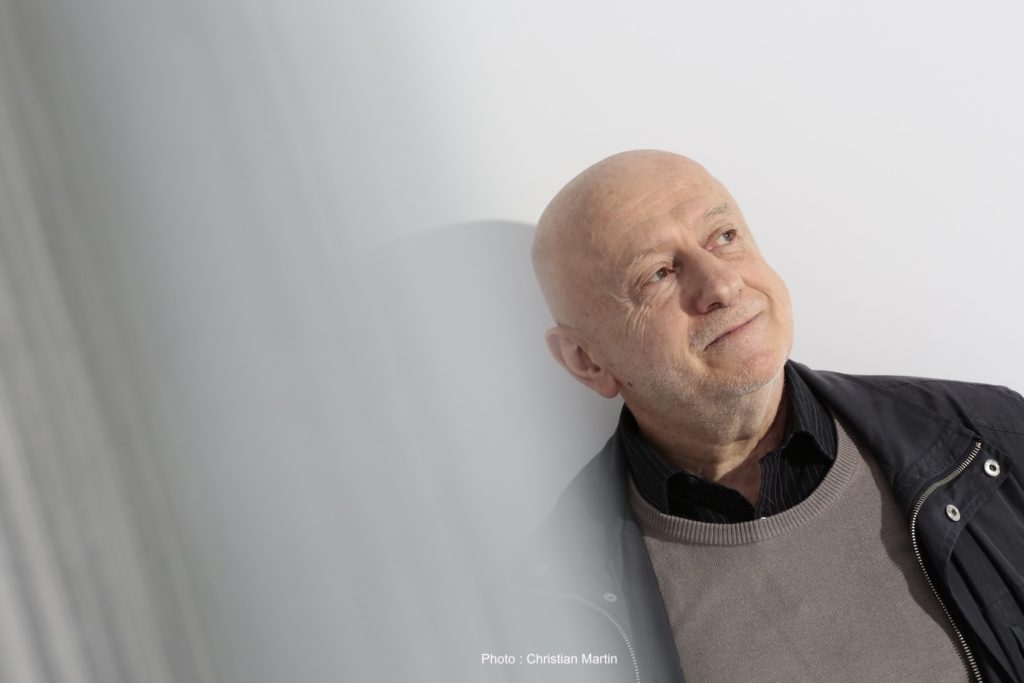
The French designer Marc Deschamps has left an indelible mark on the automotive world, having worked successively at Peugeot, Simca, Chapron, Ghia, Coggiola, Renault and Heuliez Torino, but also – and above all – at Bertone, where he was head of the Italian design centre.
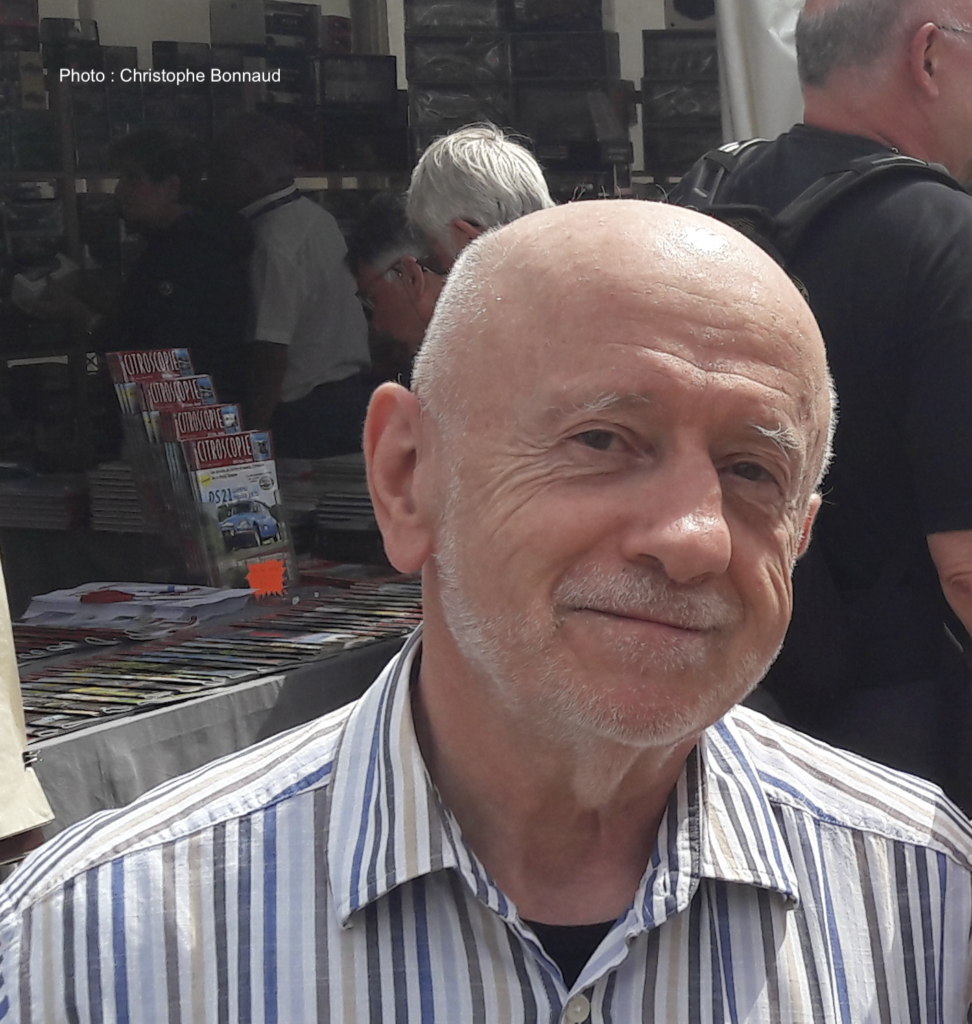
We pay tribute to this great French designer, who passed away in early October at Rivoli Hospital, a few kilometres from where the Bertone design centre in Caprie was built. Here is the updated transcript of the interview he gave us after leaving the Italian car body shop to work with… the Chinese!
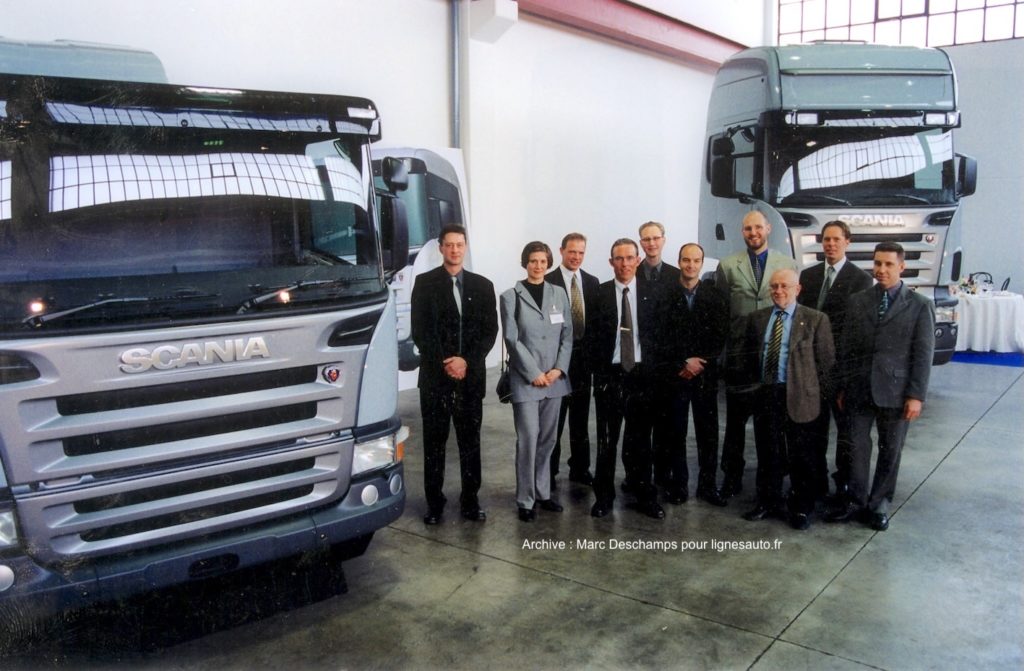
Marc Deschamps’s life is surprisingly rich. “The day I retire, I’ll settle down in Rivoli, near Turin. For now, I’m working with my colleagues, some of whom were with me at Bertone. I don’t want to let them down. We’re a group, a team, a synergy… There are so many great blokes around me! What drives me are these strong friendships.”
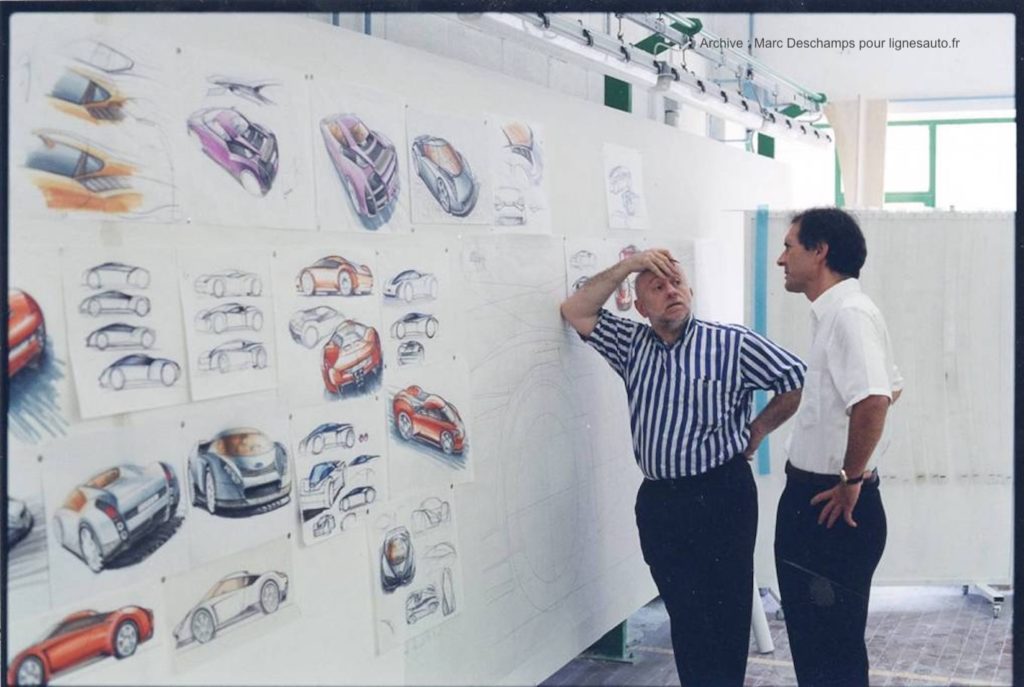
Modest and frank: these are two character traits that stand out in Marc Deschamps’ personality. He readily admits that “no, I wasn’t necessarily a very good pupil”, but that “yes, the art teacher I had at school was a former SNCF engineer and he guided me towards industrial design rather than artistic drawing. I’ll always be grateful to him because it was thanks to him that, when I started my career, I already knew how to draw a form plan…’ Being a designer in the 1960s did indeed require a well-rounded skill set, but it wasn’t exactly a highly recommended career path. Supply was already outstripping demand, but at that time, resourcefulness and the right connections were just as important as a strong portfolio of drawings.
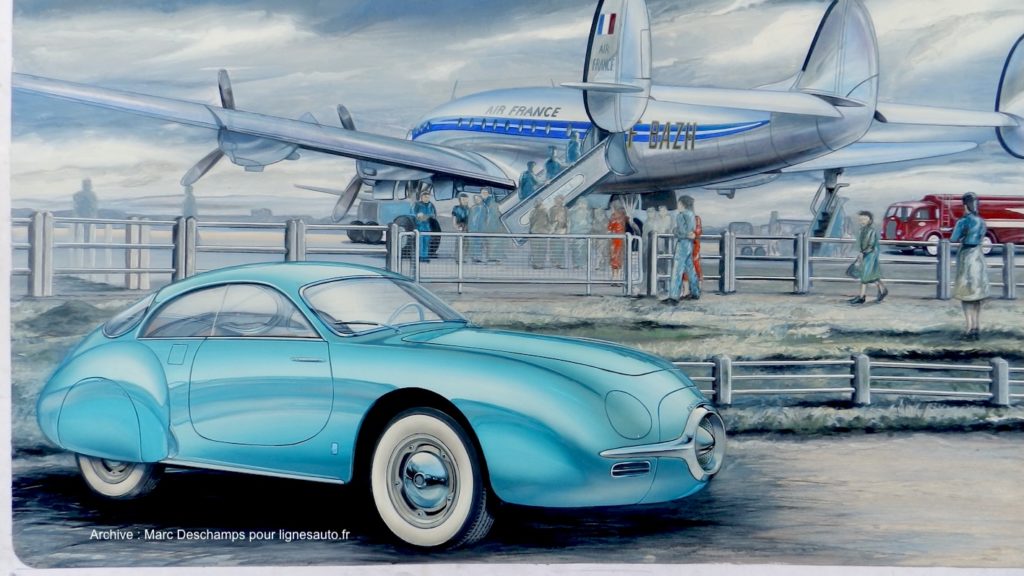
And so Marc Deschamps walked through the doors of the Peugeot design centre in La Garenne-Colombes, in the immediate suburbs of Paris. “To be honest, I didn’t join Peugeot; I went there after being turned down by everyone else. I’d even received a letter at the time from Philippe Charbonneaux, who told me – in a letter bearing a signature as long as your arm – that it would be better for me to consider a different career.” It was the Peugeot-Pininfarina partnership that captivated the young French designer above all else.

“I remember writing directly to Montbéliard; I didn’t even know the design centre was in La Garenne! I was lucky enough to go to Peugeot to work for six months with Paul Bouvot. ” It was on that occasion that he met, amongst others, Yves Dubernard, another renowned French designer, equally modest. “Yves Dubernard then went to work for Heuliez and I moved on shortly after leaving Peugeot. I tried my luck at the Simca design studio, where I worked for two years. There again, my skills in form drafting proved decisive.”
At Simca, Deschamps joined the cream of the crop of designers who would go on to make their mark in the years to come. “Above all, we were paid twice as much as at any other French car manufacturer! ” But this first really good contract quickly fell through when the French design studio moved to England… “We all found ourselves out on the street; it was bad for everyone. But when I was at Simca, I lived in Rueil, not far from Renault and, crucially, opposite the journalist Jean Bernardet, who specialised in motoring for the daily newspaper L’Equipe.”
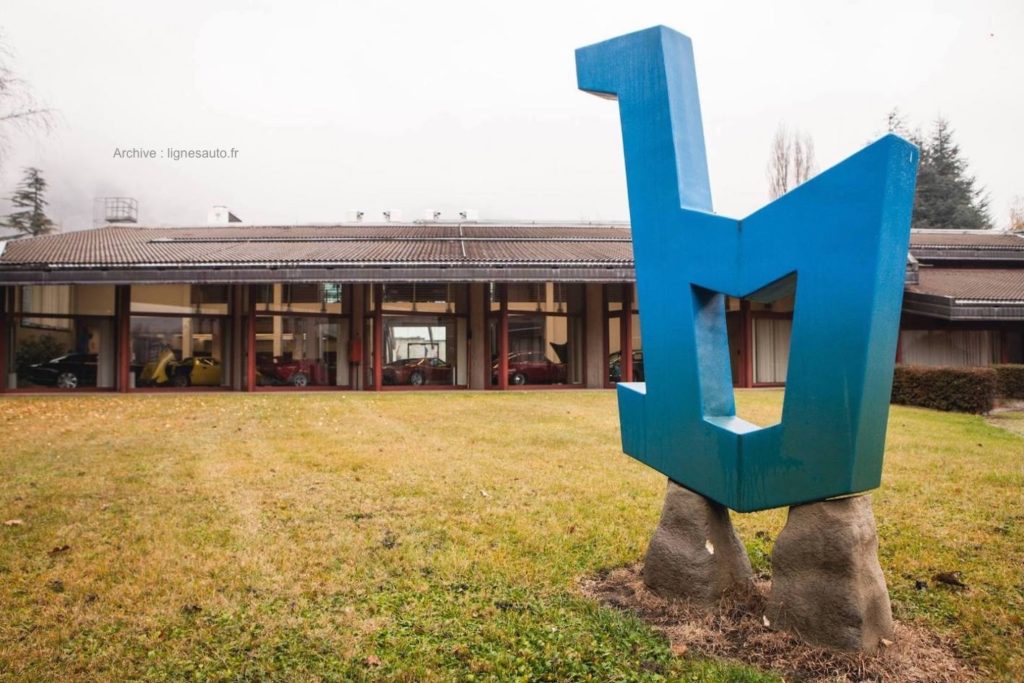
“We lived in the same block of flats, on the same landing. When he found out that we’d all left Simca, he came to see me. We talked for a whole afternoon and parted with the promise that he’d try to open doors for me in Italy. But over there, it was a time of repeated strikes, and that made it very difficult to get a job as a designer…” Marc Deschamps had already made an initial approach to Bertone. “I’d driven down to Turin in my Simca 1200 S to meet these leading figures. Bertone had turned me down at the time, but as I was in Turin, I paid a visit to the Ghia coachworks. I stayed there for exactly two months and three weeks! Not three months – make a note of that – because relations with De Tomaso were complicated.”
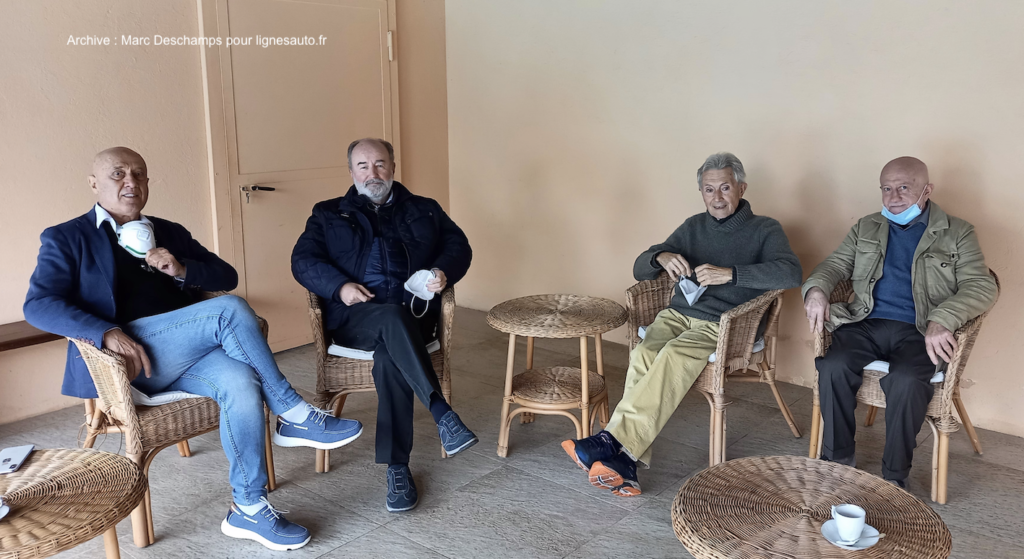
“That man was constantly copying his competitors. The day I left, he ran after me, saying: ‘Look what Pininfarina’s doing – I want us to do the same!’ But thanks to Ghia, I quickly gained the credibility that allowed me to get back in touch with Nuccio Bertone and, this time, to meet the team. It was still the era of Gandini and Pagliano. They were there, along with Bertone and Beppe Panico, whom journalists knew well from his time in charge of communications. Bertone trusted me because I’d come from Ghia, and I was hired on the spot! I was even the first designer to join the brand-new design centre in Caprie, on the outskirts of Turin, whilst Gandini was still working in the office based at the heart of the Grugliasco factory.”
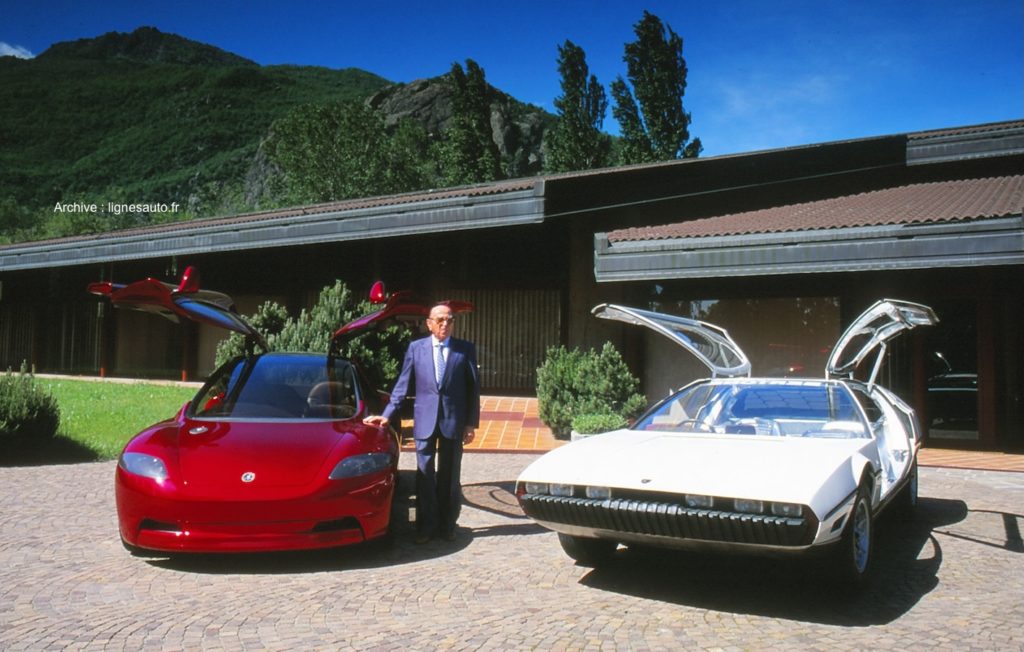
This initial collaboration with the grand master of Italian coachbuilding would lead to Marc Deschamps’ first true concept car: the 1972 GS Camargue. “Gandini and Pagliano were swamped with work for the Turin and Brussels motor shows and their ongoing projects. There was a car to be designed for the Geneva Motor Show, but when I arrived at Bertone, I’d just bought my Citroën GS and I suggested to Nuccio Bertone that we create a concept car based on this excellent platform.”
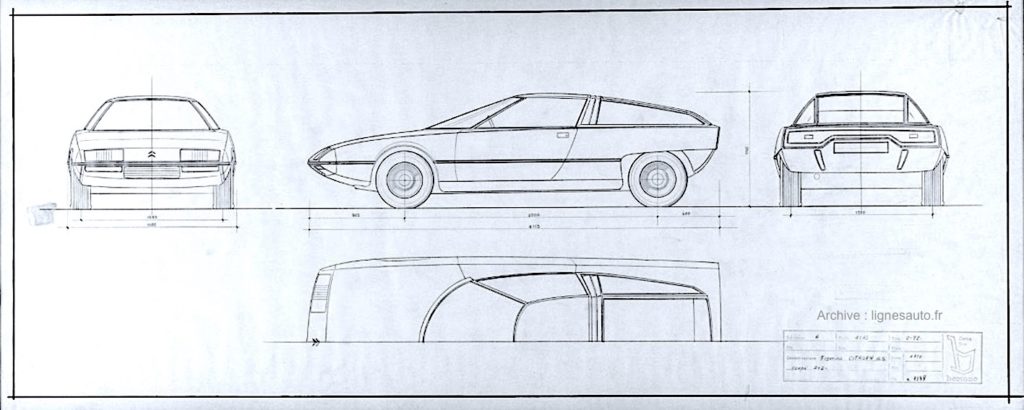
“Bertone gave his immediate approval, no doubt because he sensed that he and a major car manufacturer would make a good match.” To follow in the footsteps of Peugeot-Pininfarina! “I fully claim the Camargue as my own! ” So it isn’t a Gandini after all? “Marcello Gandini sort of distanced himself from it! But in a very elegant way. He’s always been easy to work with. The only part of the car he designed was the right-hand side of the dashboard, by repositioning the GS’s distinctive handbrake vertically…”
“I also remember that the seats in that very special GS came from a Lamborghini Espada! And what’s particularly worth noting is that, at the time, we’d built this prototype in just five weeks – from the initial sketches to the finished concept, including the design drawings and the bodywork… Bertone really did have some fabulous blokes! ” And it wasn’t just Bertone, according to Deschamps: “Turin was a motorist’s paradise.” And yet, barely a year after that first experience, Marc Deschamps followed his heart and answered the call of Madame Chapron. It proved to be a disaster for Marc, as that French coachbuilder was unable, at the time, to rise to certain challenges posed by changes in the industry. “It’s not widely known, but Chapron was producing prototypes for Renault; there was a definite market there, but Madame Chapron was more of a hobbyist than a proper businesswoman…”
Having settled in France, Marc Deschamps remained in the country, a little further south: in the Allier, where he joined Ligier in 1975. “Ah! Ligier! Everything was a problem there, but the man was strong, powerful and convincing. I carried out two major projects for him: the bodywork design for the first Ligier F1 car, the JS5 developed by Choulet, and the successor to the SM, which Guy wanted to put into production to keep his small factory running.”
“It was a more compact and rather mad Citroën GS Birotor coupé, as Alfieri wanted to fit a V4 engine to it. The GZ’s (the GS Birotor’s code name) handling was fabulous, with exceptional suspension and drivetrain qualities. That was actually when I bought my GS Birotor, which is still in Modena. It’s done 110,000 km!” A GS Birotor with far greater staying power than the contract binding Ligier to Deschamps… For in 1976, he returned to the atmosphere of a major manufacturer’s design office, this time at Renault.
“It was here that I realised that a designer is not there to build a personal career, but to solve a problem posed by the manufacturer and to satisfy the customer. Bernard Hanon, who went on to become the head of Régie Renault, was a man of that calibre: he had very clear ideas and never wavered from them.”
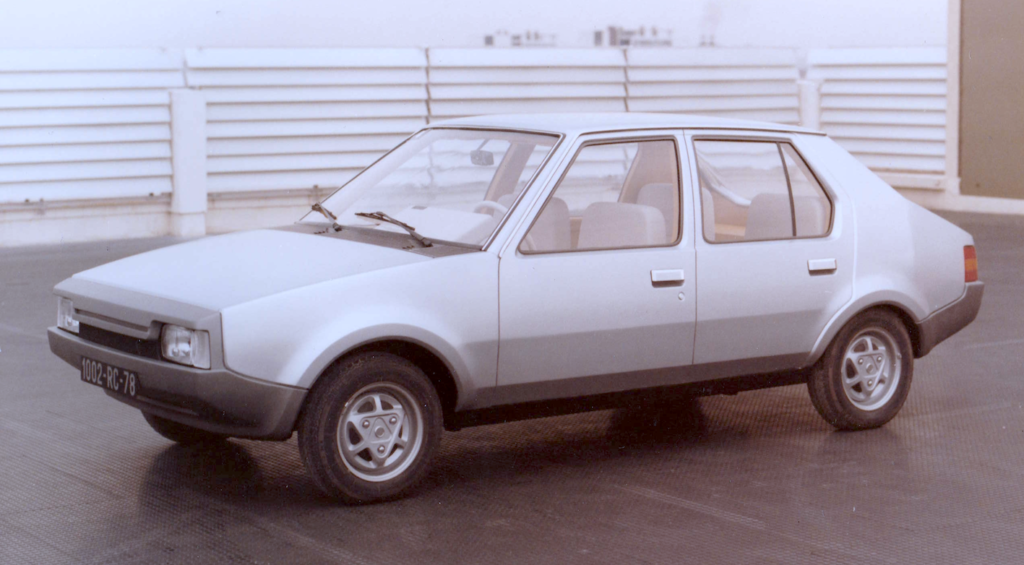
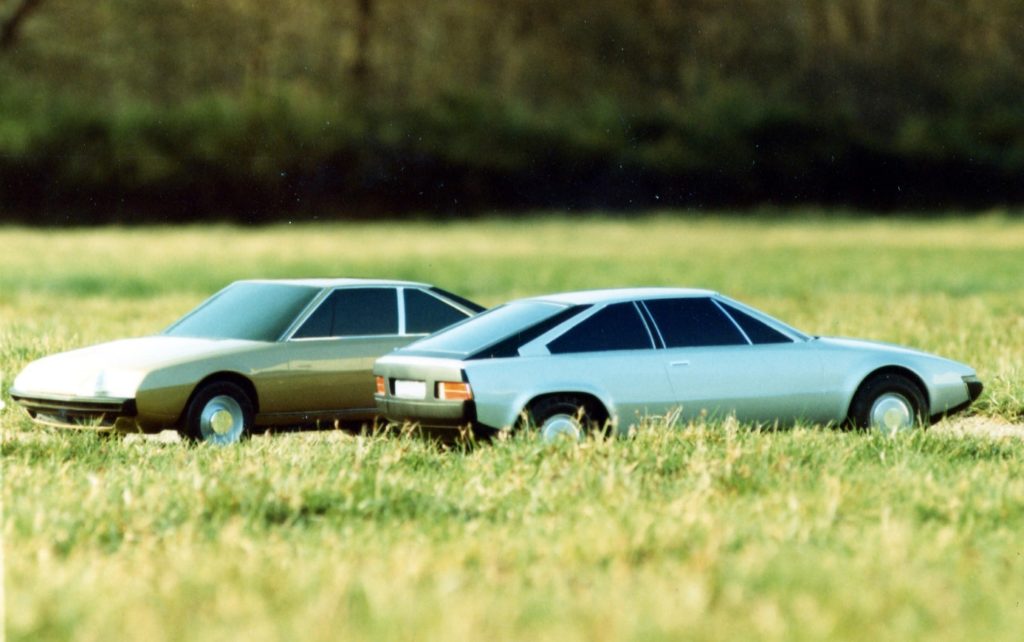
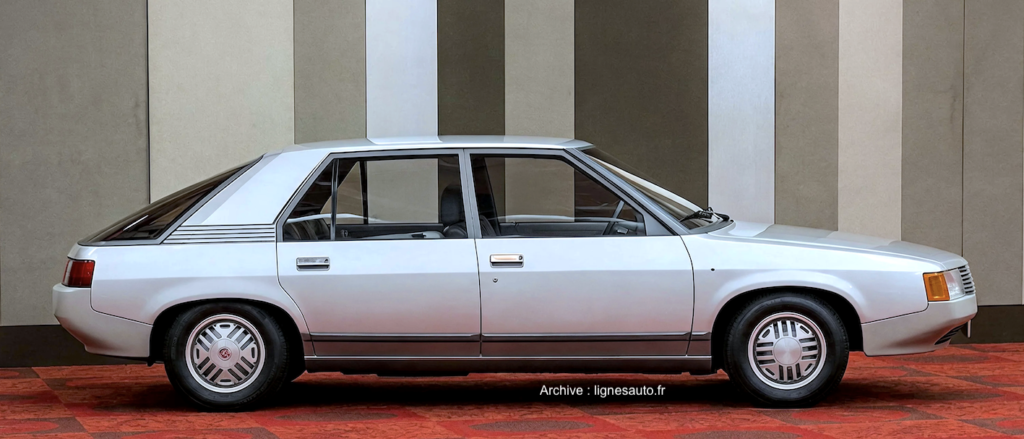
“The prime example of this approach, which was more about marketing, is the Renault 9. Bernard Hanon wanted it exactly as it was produced: unremarkable. And he wanted it that way to compete with the Peugeot 305, which was giving him a lot of trouble. So we ended up with a very conventional car, despite countless rather original saloon concept models (above).”
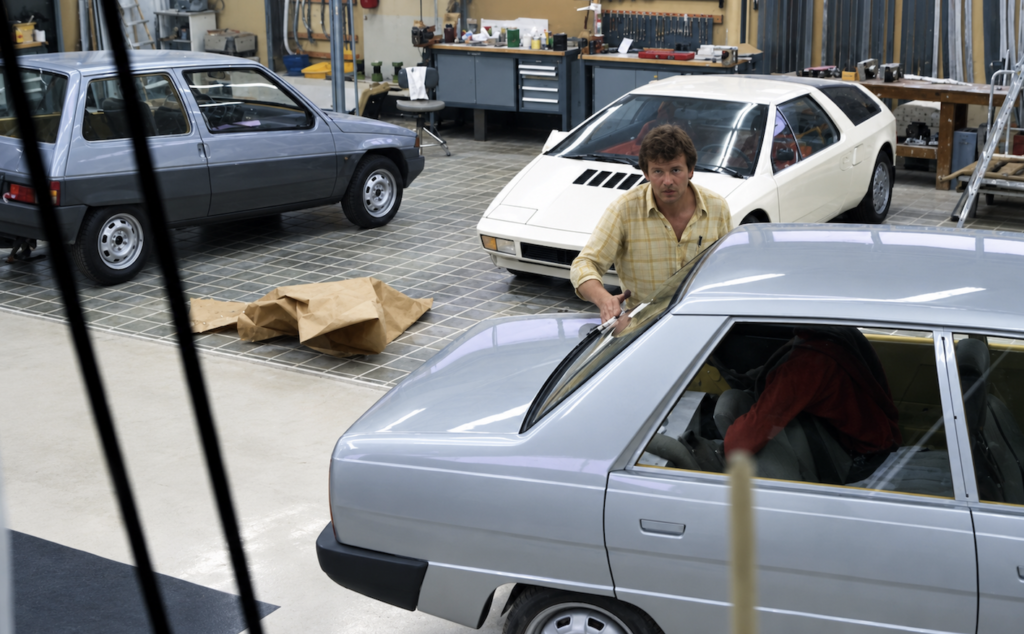
“I remember a cartoon by Reiser featuring the car and a passer-by who said, ‘It’s run-of-the-mill,’ to which the Renault 9 replied, ‘And you, you’re not exactly run-of-the-mill, you poor idiot.’ ” Renault was a golden period for Deschamps, as he went on to work on the stillborn project for the small Renault 2, on the NGA (the Nouvelle Gamme Alpine) and, his crowning achievement, on the Renault 5 Turbo, which was unveiled as a scale model at the 1978 Paris Motor Show.
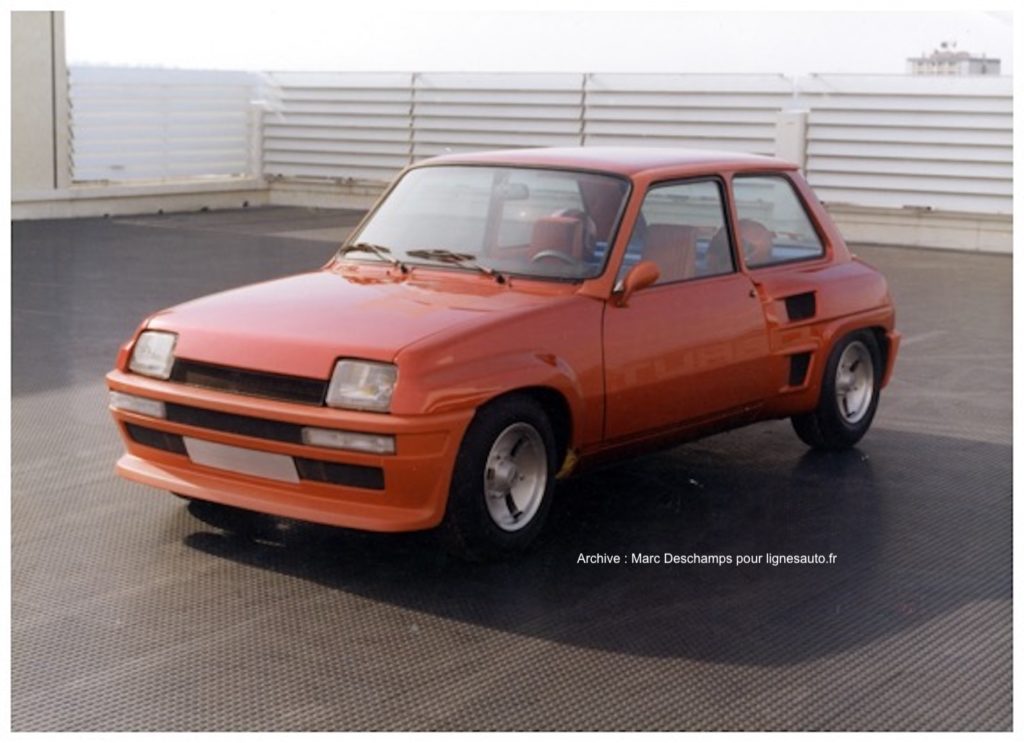
At Renault, he managed these projects under the supervision of two giants of automotive design: Gaston Juchet and Robert Opron. “It was Bernard Hanon who brought Opron to Renault in 1975, whilst he had been head of design at Citroën since 1964. He thought Opron would be the sort of person capable of shaking up the system, but it didn’t quite work out that way. Opron always saw himself as a bit of a boss. Unlike Gaston Juchet, a decent, cultured chap who really loved cars.”
Then, in 1979, whilst his baby, the Renault 5 Turbo, had not yet gone into production, Marc was called back by Bertone to take over from Gandini. “He left because he’d pretty much done everything there was to do at Bertone and he dreamt of a deal with a major French carmaker. That turned out to be Renault, for whom he would go on to design not only the Magnum lorry but also the Supercinq.” Marc Deschamps’ second spell at Bertone proved to be extremely prolific, lasting from 1979 to 1993.
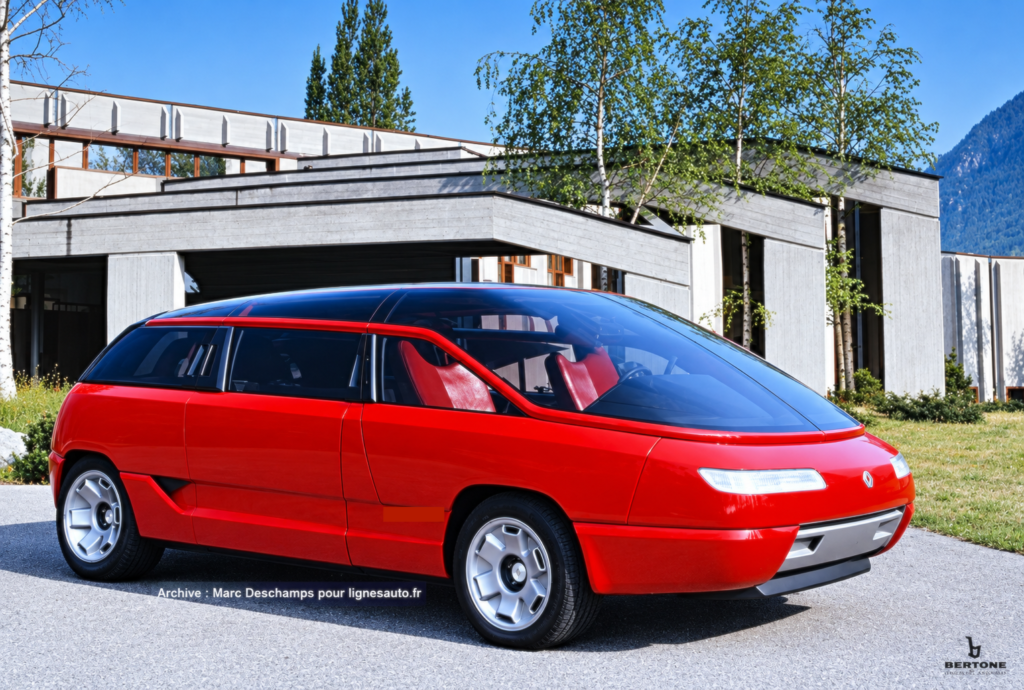
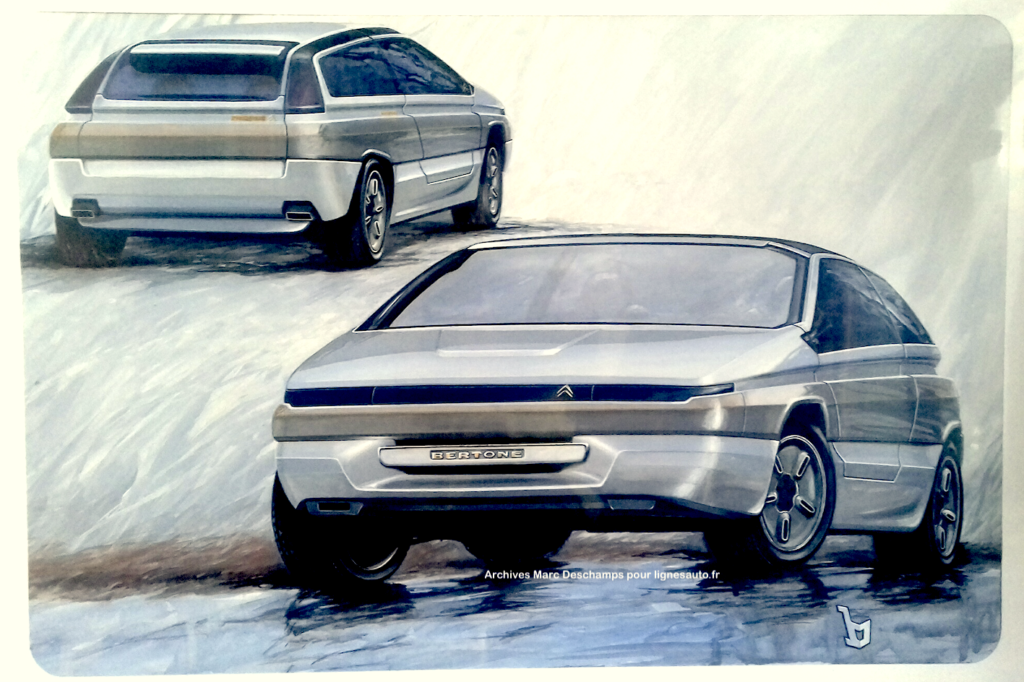
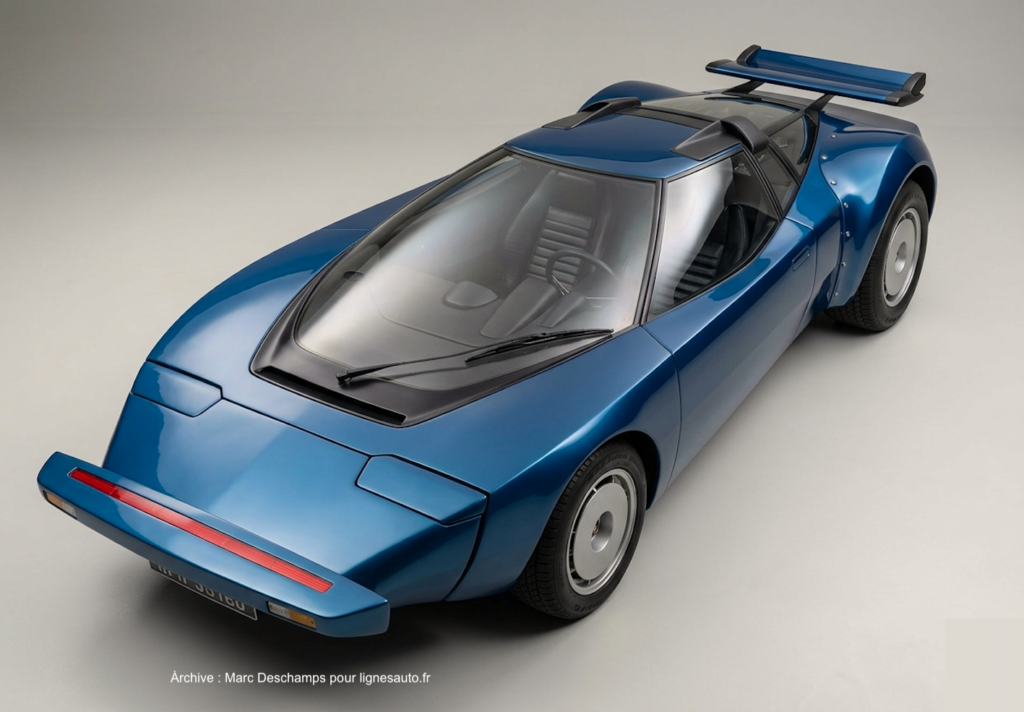
As well as the concept cars we are familiar with, he designed for major manufacturers such as Alfa Romeo, Honda, Mazda and Citroën. But above all, he worked alongside the master Nuccio Bertone, ‘an extraordinary character, with the ability to place blind trust in others. He never second-guessed his judgement or wavered in his trust. The relationship was extremely straightforward. It was only with my Genesis project – a Lamborghini MPV with a front-mounted V12 engine, pictured above – that he was a little concerned. He came round several times to check on it, but it all went well, even if I must have given him a few headaches!’ As for the downfall of the carrozzeria, which was never sold, it’s clear that Marc Deschamps doesn’t want to dwell too much on that terrible period.
“When Nuccio stepped back, his wife Lili was out of the business. Their two daughters found themselves with their backs against the wall. Nuccio Bertone didn’t foresee what would become of his company, and the others just ran a shambles of a show. What’s so sad is that before that, we’d enjoyed a golden age, but we didn’t really realise it at the time. With the closure of the Bertone carrozzeria, we’ve witnessed the end of an era. Turin is now a thing of the past…’ Before we part ways, Marc adds that he’d like to put an end to a rumour that he’s… Belgian! ‘It makes me laugh because I’m very much French! My father ran a small glue factory in Vincennes and had bought a small factory near Orléans. That was a long time ago now!”
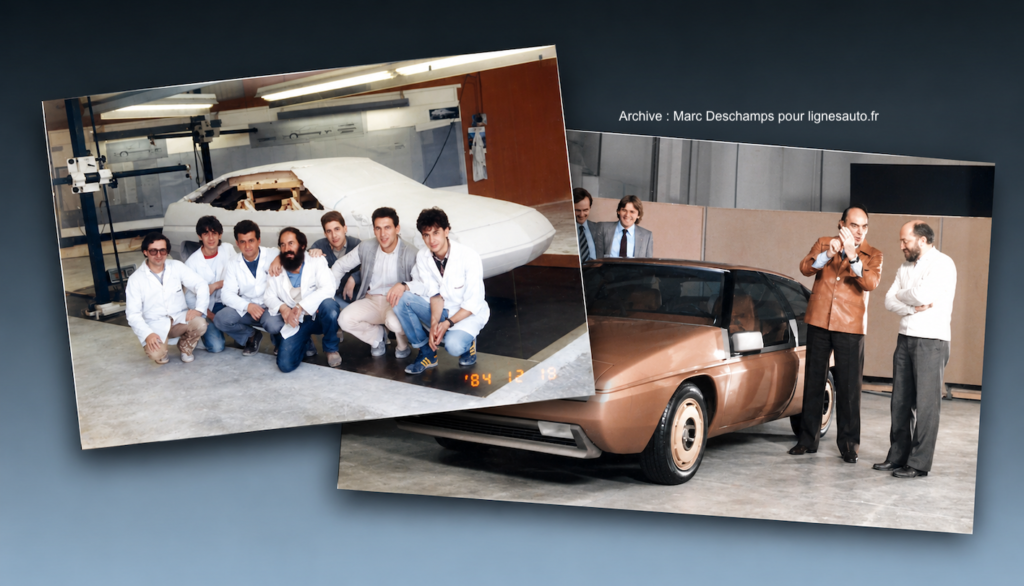
Since that interview, the bad news has kept coming. When I last contacted Marc Deschamps a while ago to arrange another meeting, it was Eduardo Botero – one of his friends and a former colleague who had become his administrative assistant and carer – who replied. He informed me that “Marc Deschamps had an accident at home; he fell some time ago and, unfortunately, he is in very poor health today. He now lives in a care home near Turin, where he receives all the help and medical care he needs.”
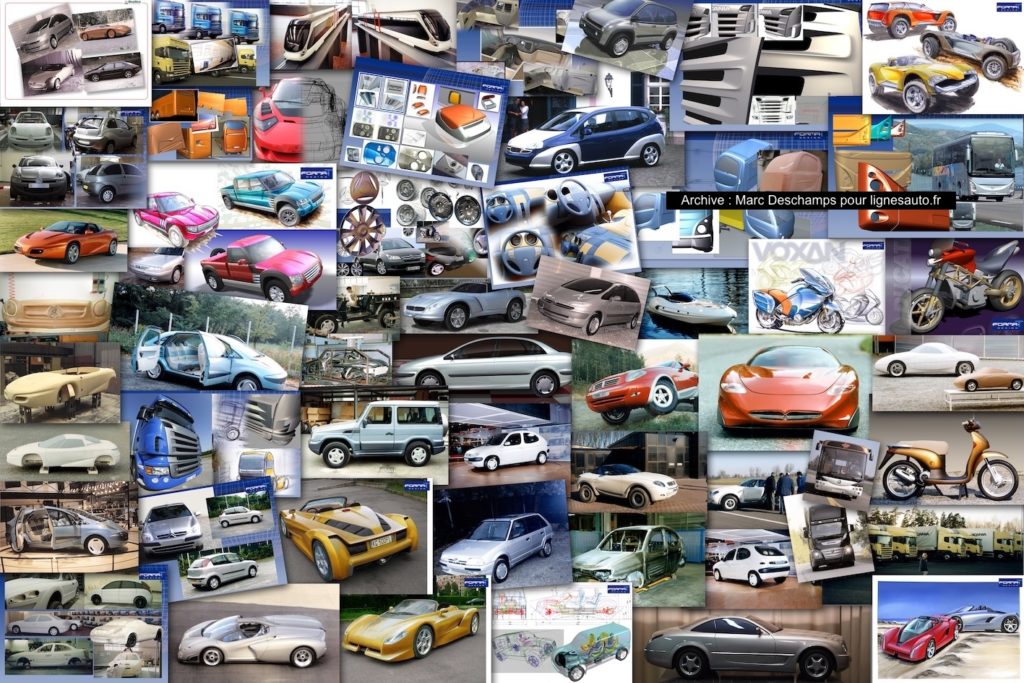
That was until we received an email from Eduardo on Friday 9 October 2026, informing us that “Marc’s health deteriorated on Sunday evening, and he had to be transferred to Rivoli Hospital, where he died as a result of respiratory complications. He will be laid to rest at Caprie Cemetery, situated west of Turin in the Val Susa valley, where the Bertone design studio once stood. I like to imagine that he would have liked that.” Yes, he would have liked that…
Thank you to Eduardo Botero. Our thoughts are with Marc Deschamps’s loved ones…