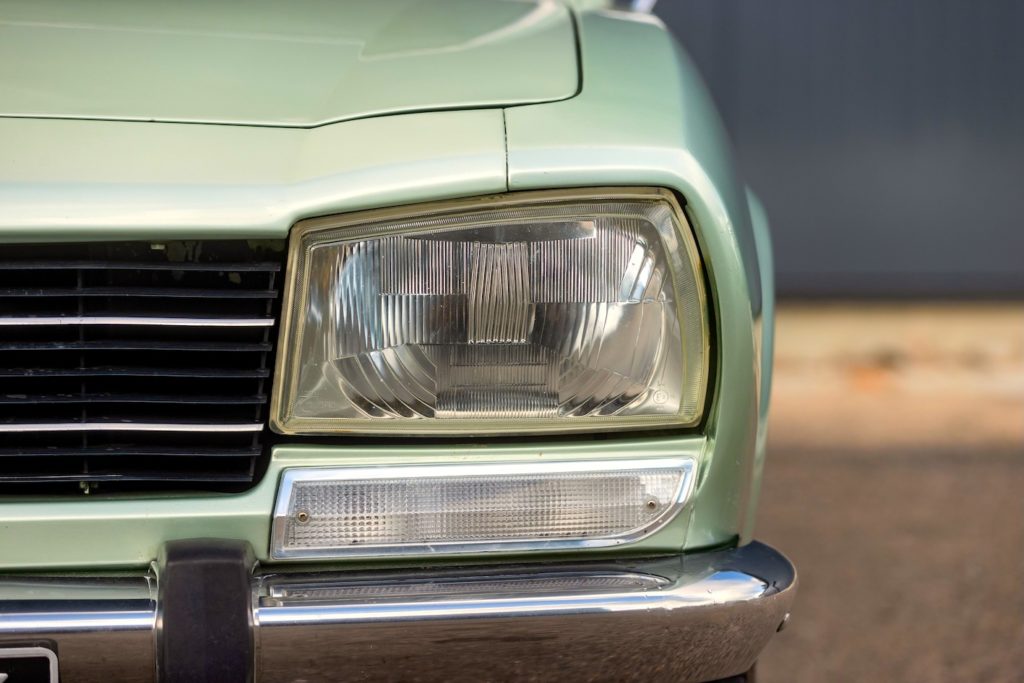
Ah! The look of the Peugeot 504, pictured below, one of the legendary saloons in the Peugeot range, unveiled in 1968. “The eyes of Sophia Loren,” people used to say. Adding: “The Pininfarina touch really is something else!” But that very distinctive look, with headlights shaped like furrowed eyebrows, is not the creation of the Italian coachbuilder.
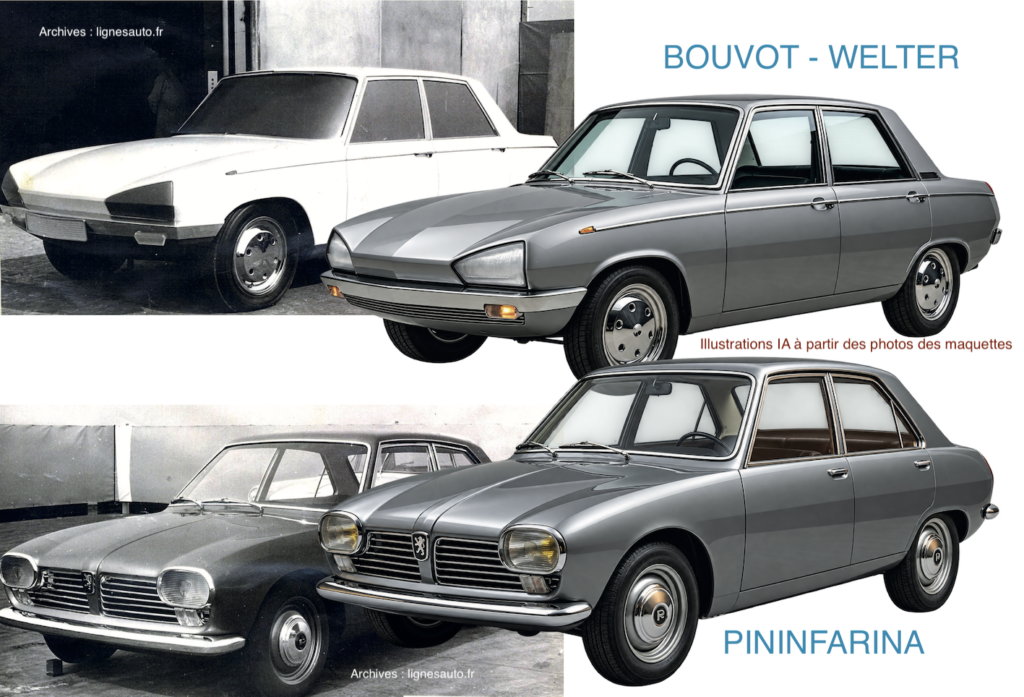
It all began in the mid-1960s with the presentation of the two scale models of the future 504 that had been shortlisted to determine the styling theme. This presentation took place at Peugeot’s premises in Garenne Colombes, where Paul Bouvot, head of design, and Gérard Welter were working with the small team in place. Since 1951 and the Peugeot 403 project, which saw the car launched in 1955, the coachbuilder Pininfarina had been collaborating on the French brand’s automotive projects.
A consultation process that could sometimes be a bit of a chore when the Pininfarina team visited France, in the Peugeot style. Gérard Welter mentioned this when we met him to discuss a book about his career: “Enzo Carli and Sergio Pininfarina would go round the design offices, look at our designers’ drawings, examine the models and then head back home. It had become unbearable for me. I managed to convince Paul Bouvot to put a stop to this sort of visit.”
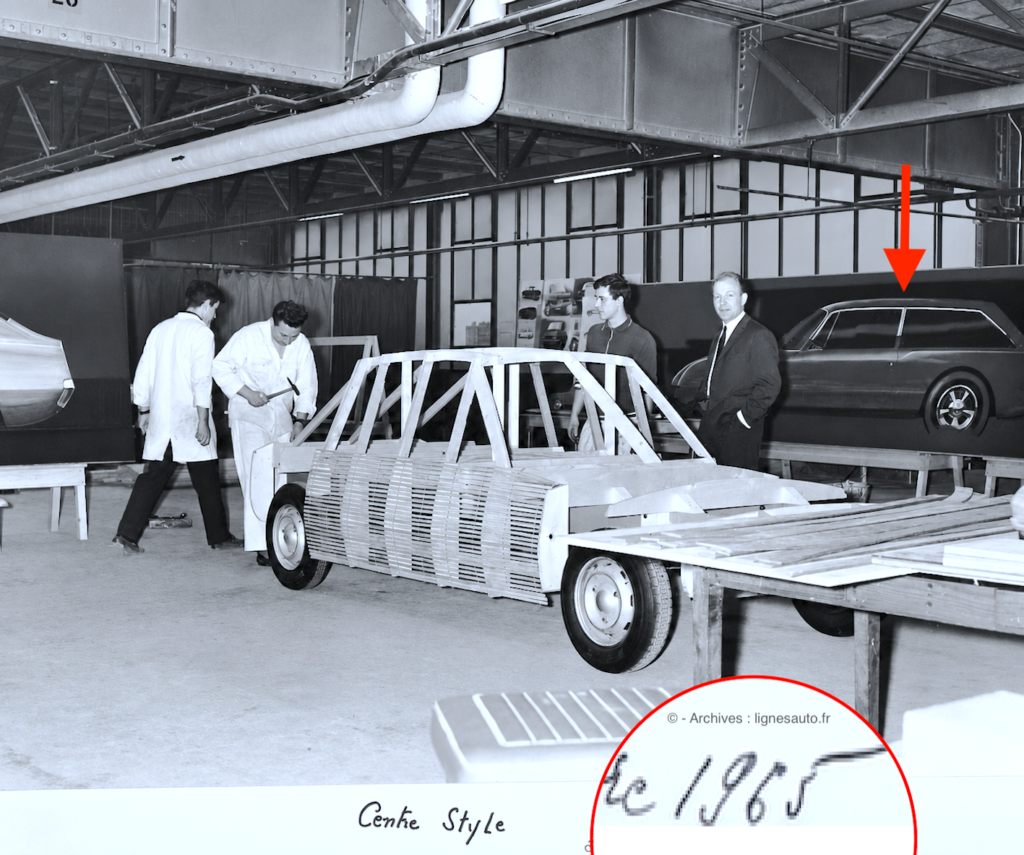
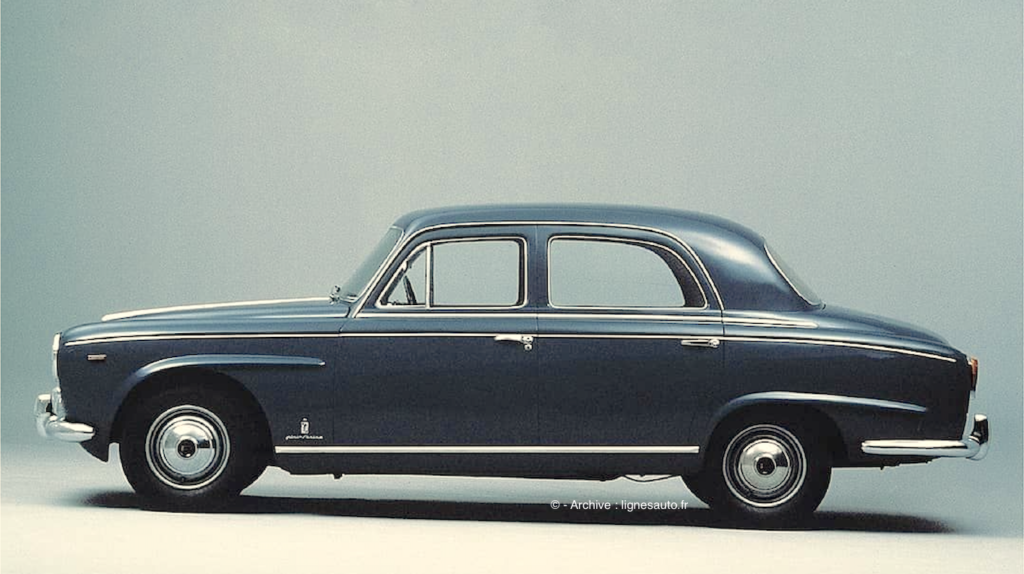
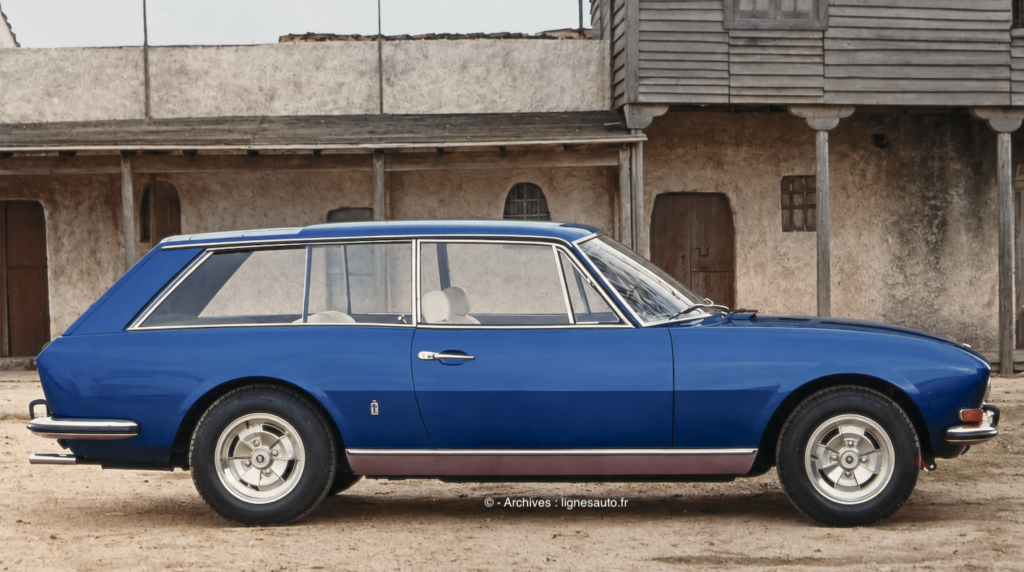
A very striking example of the interplay between Peugeot’s design studies and visits by the Pininfarina teams is undoubtedly the Peugeot 504 Riviera concept car presented by the Italian firm in 1971, shown below. It bears a striking resemblance to a Peugeot concept that had already been revealed in the form of a drawing shown above, dated December 1965, from within the La Garenne studio. The comparison clearly raises doubts…
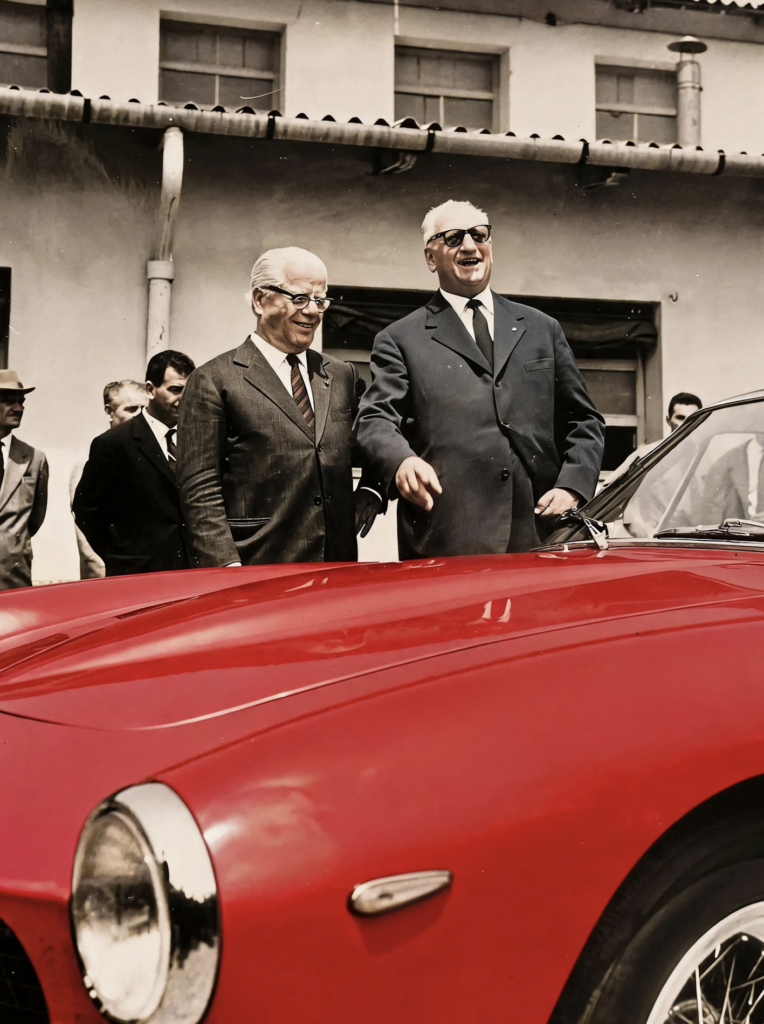
The Peugeot brand is, however, justifiably proud of this collaboration with a carrozzeria responsible for designing the finest Ferraris, thanks to the very special relationship between Battista Pinin Farina (the name ‘Pininfarina’ was coined in 1961) and Enzo Ferrari. The Peugeot family took great pride in this connection, which was to endure until the early 2000s. Internally, however, the narrative was not quite the same.
Paul Bouvot, then head of design at Peugeot, “always had to strike a balance between his desire to see his team’s proposals win the day, and a genuine respect for Ferrari, which Bouvot revered just as much as Bugatti”, explained Welter, for whom the presentation of the Peugeot and Pininfarina models took on a special significance. The French proposal does indeed appear to be on a significantly higher creative level than Pininfarina’s.
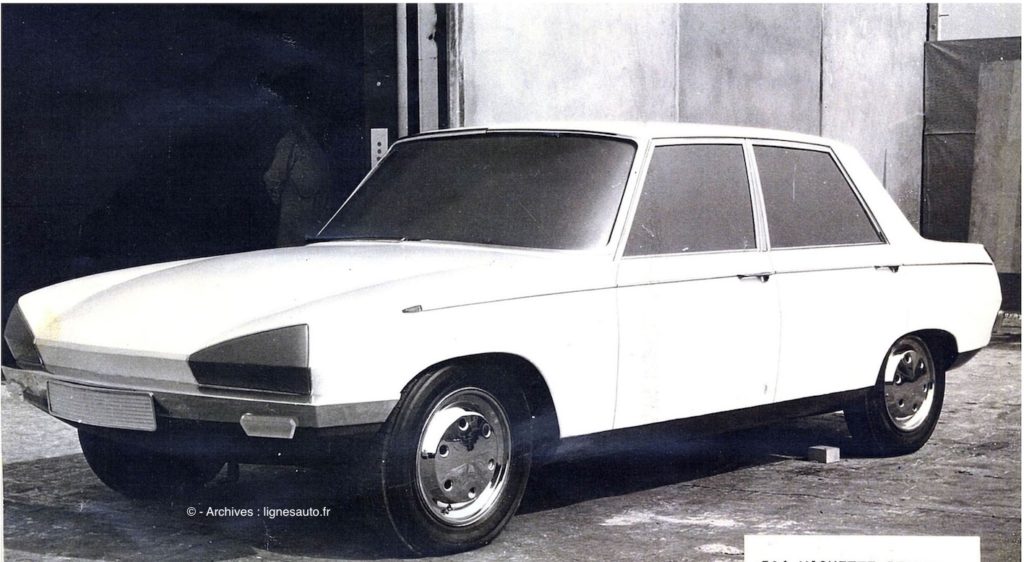
On the day the two scale models of the future 504 were compared, there was a very real snag, as Gérard Welter revealed to us: “Farina’s proposal won over the management because it was made of sheet metal, whereas ours was made of plaster. Even though this didn’t factor into the decision-making process, we can see that Farina was one step ahead, and his mastery of hand-formed sheet metal was remarkable for the time.” It was therefore difficult for the management to envisage the future when faced with the Pininfarina model, which looked very real.
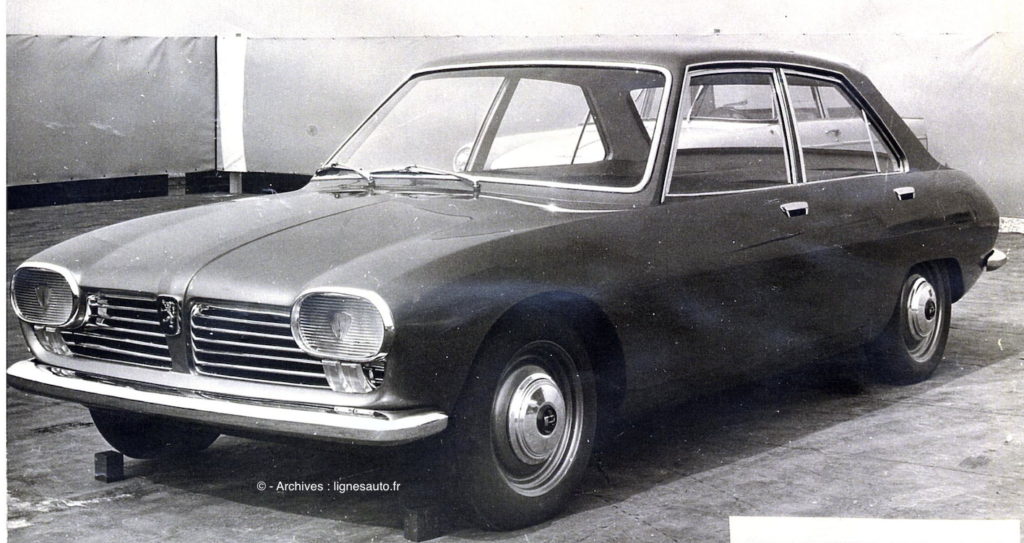
However, as Gérard Welter pointed out at the time, “in Pininfarina’s model, the entire front end echoed the design of the small 204, particularly with its oval headlights. The senior management at the time therefore decided to ask Farina to take the front end of the Peugeot model and incorporate it into the Italian model.” The Pininfarina version was therefore ultimately chosen, with its distinctive headlights, clearly inspired by the Peugeot proposal.
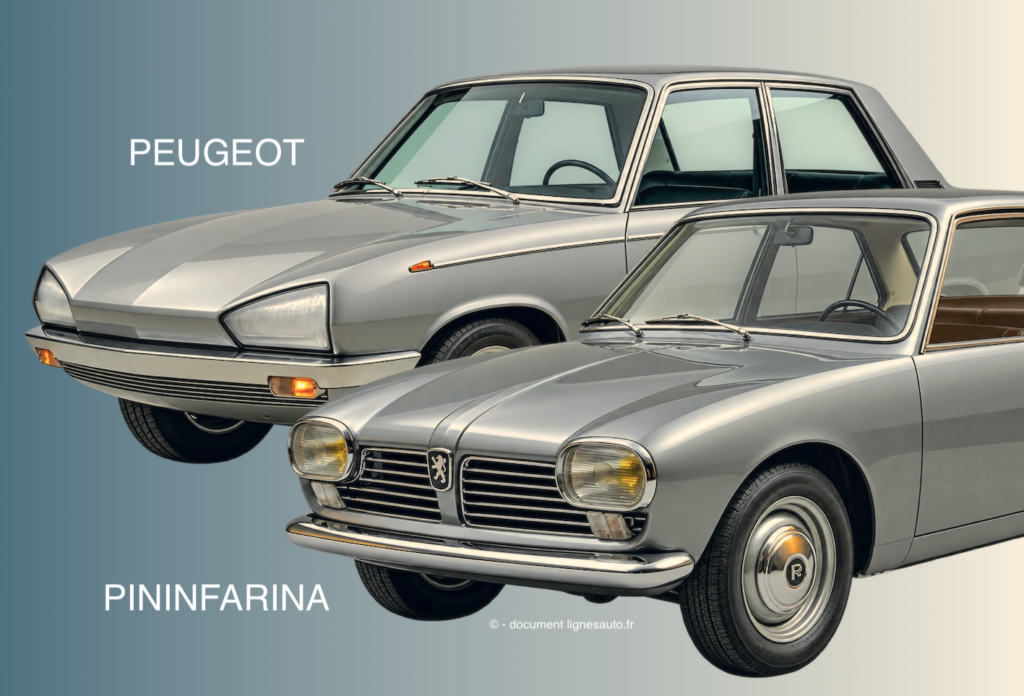
Gérard Welter confirmed that “we owe this new look, of course, to Paul Bouvot: he designed it and, together with the craftsmen of the time, I modelled it. So we do not owe it to Pininfarina. On our scale model, we proposed some highly innovative headlamp designs, and if we’d been able to mass-produce them as they were, we’d have had a tremendous head start. Unfortunately, we didn’t know how to produce such headlamps; we could only dream of them.”
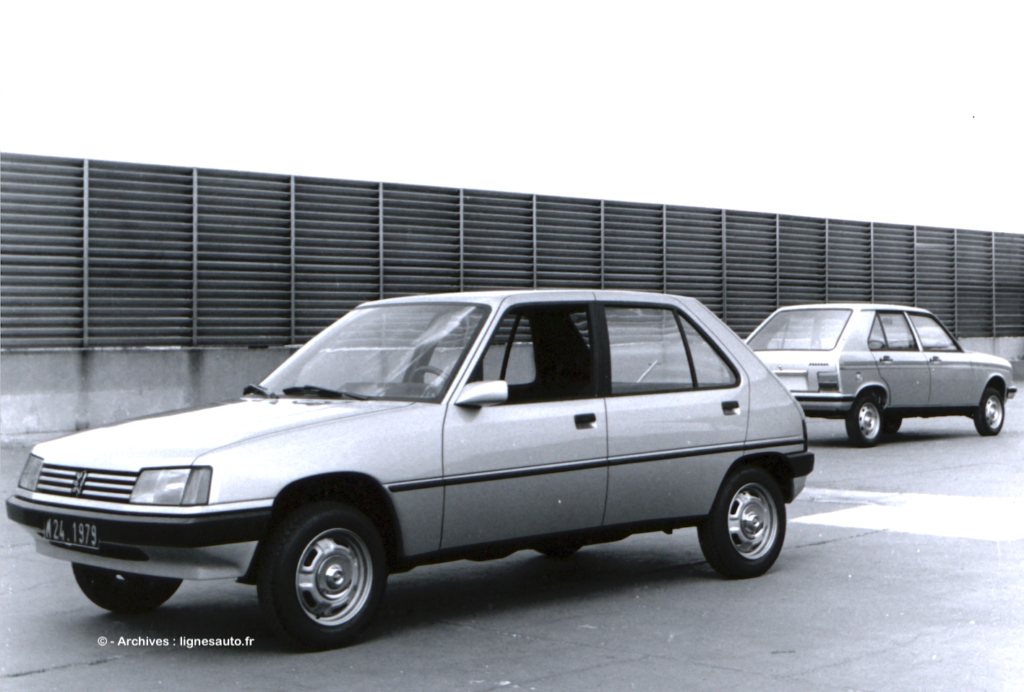
From that date onwards, Peugeot’s design team changed its approach towards the Italian coachbuilder. It began to draw a clear distinction between what it deemed appropriate to reveal and what had to remain secret. The Bouvot-Welter duo stood firm, and the team gained increasing influence over the Italian consultant, because, as Gérard put it, “we did, after all, give a fabulous and undeniable boost to Peugeot’s identity. Our 504 model remains in my memory as one of the most modern we produced at the time.” It would be another full decade before a complete turnaround took place between the Peugeot design studio and the Italian consultant, with the M24 project for the Peugeot 205 (below) and the triumph of Peugeot’s design language!