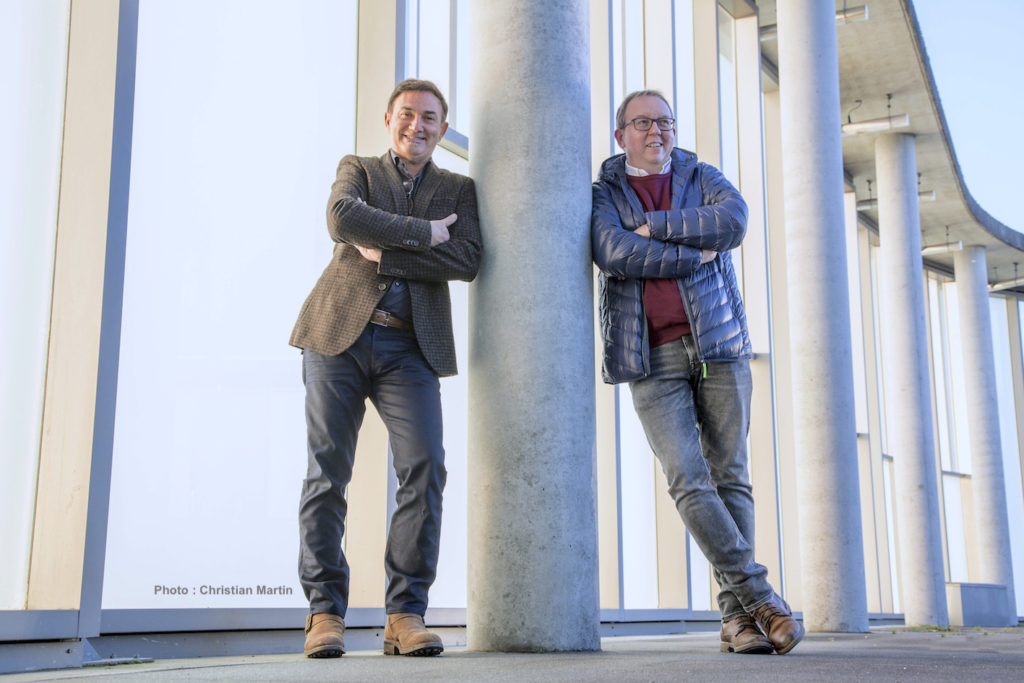
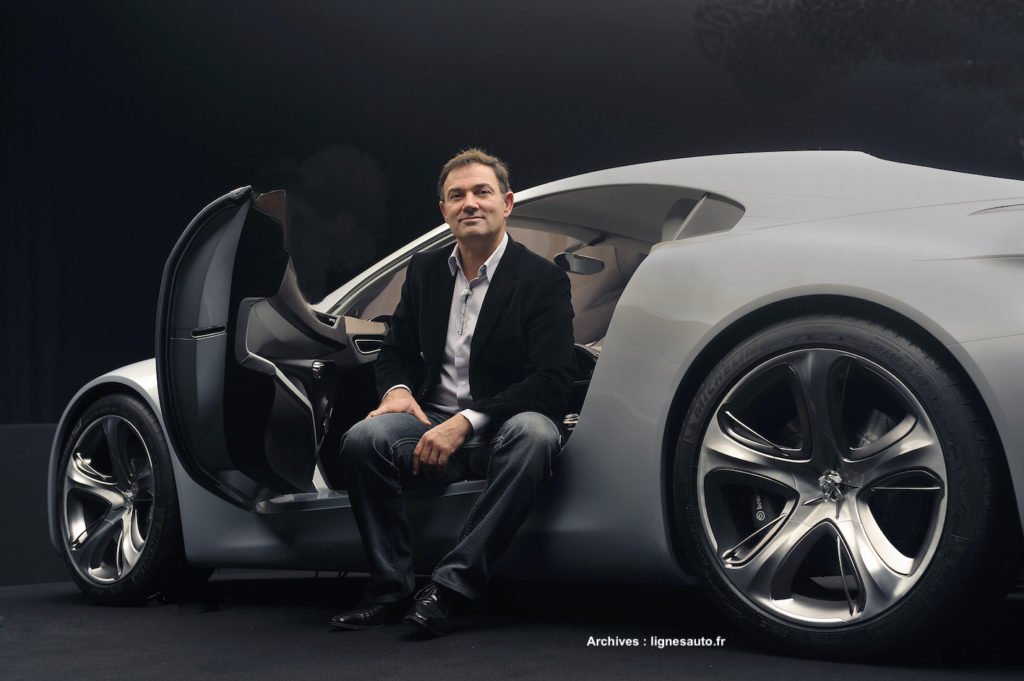
In this interview, LIGNES/auto wishes to pay tribute to the man and his phenomenal career, which has been virtually without a hitch. And to his unwavering loyalty, particularly to PSA/Stellantis. “Throughout my career, I’ve done everything I could to earn the trust of my senior management, including Carlos Tavares. As long as you’re respected and senior management trusts you, you retain a sense of calm, and above all, your creative freedom.” Jean-Pierre Ploué left the Stellantis Group after the summer of 2025, following a long professional career at Renault, Volkswagen, Ford, Citroën, PSA and then Stellantis, where he brilliantly rounded off his career as head of design for the European brands of this automotive giant.
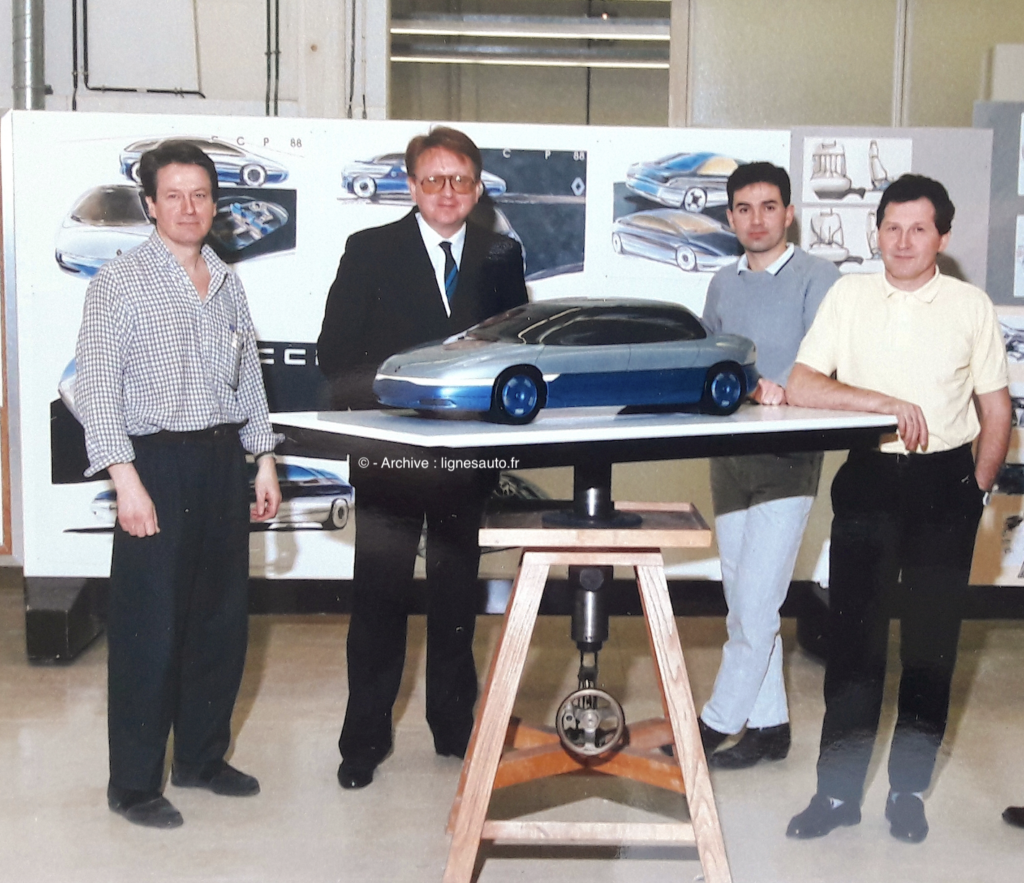
For Jean-Pierre, almost everything began at Renault. He still vividly remembers his first day as a designer at the Régie (yes, it was still the Régie Nationale des Usines Renault…), back in the mid-1980s. “I joined Renault a year before my military service. The premises were very different from a modern design studio. There were no computers. We had drawing boards, large sketchbooks with blank pages and tracing paper, felt-tip pens, pencils and pastels. That was the ‘tech’ of the time!”
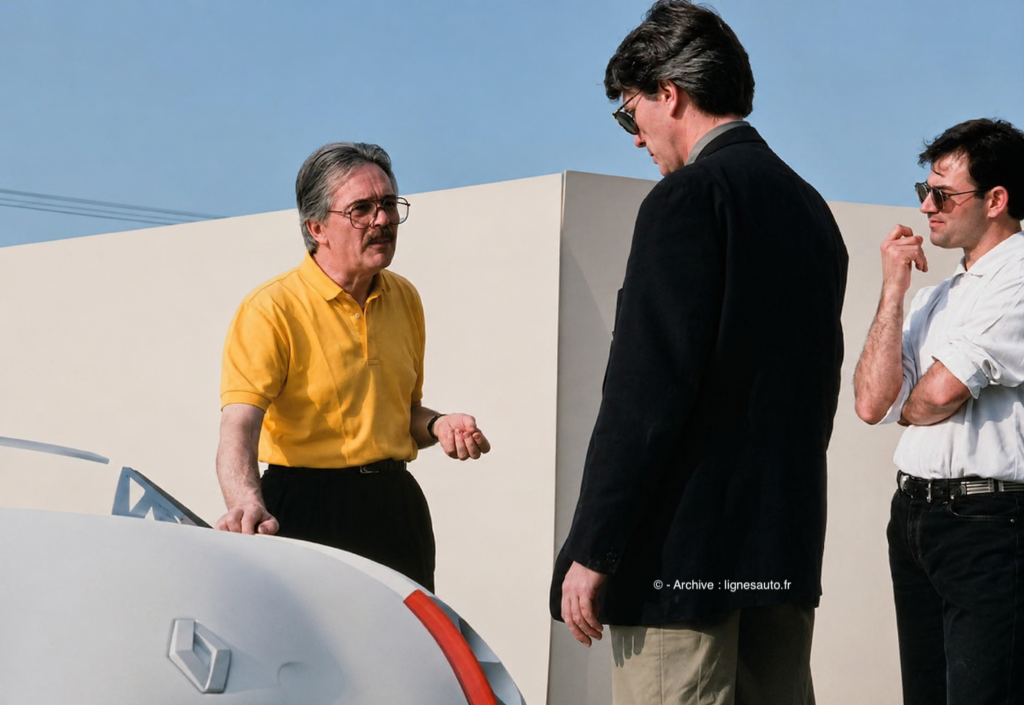
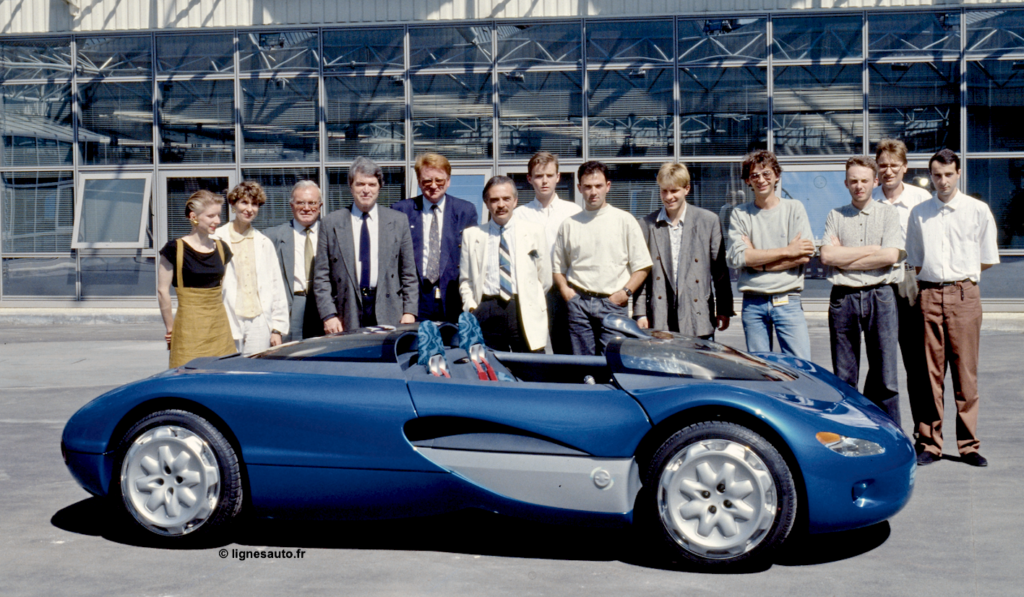
And straight away, Jean-Pierre mentions the team of designers… or rather, stylists! “Back then, we felt we were the new generation. We were aware that we were a wave of young people, and we understood that we were joining a design studio alongside talented individuals who’d been trained in a different era. Among them, there was one exception: Doudou (Jean-François Venet, pictured above left), my mentor, who had proper training as a designer. He’d come from General Motors, from the American school, with genuine expertise. The others relied on older techniques. Jean-François had Anglo-Saxon expertise.”
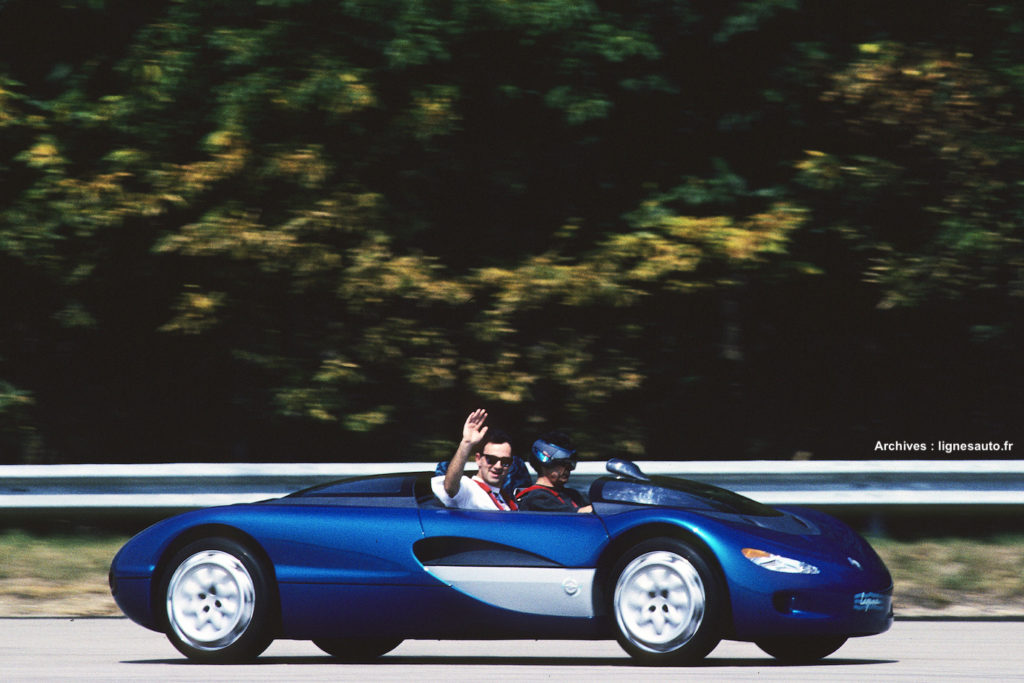
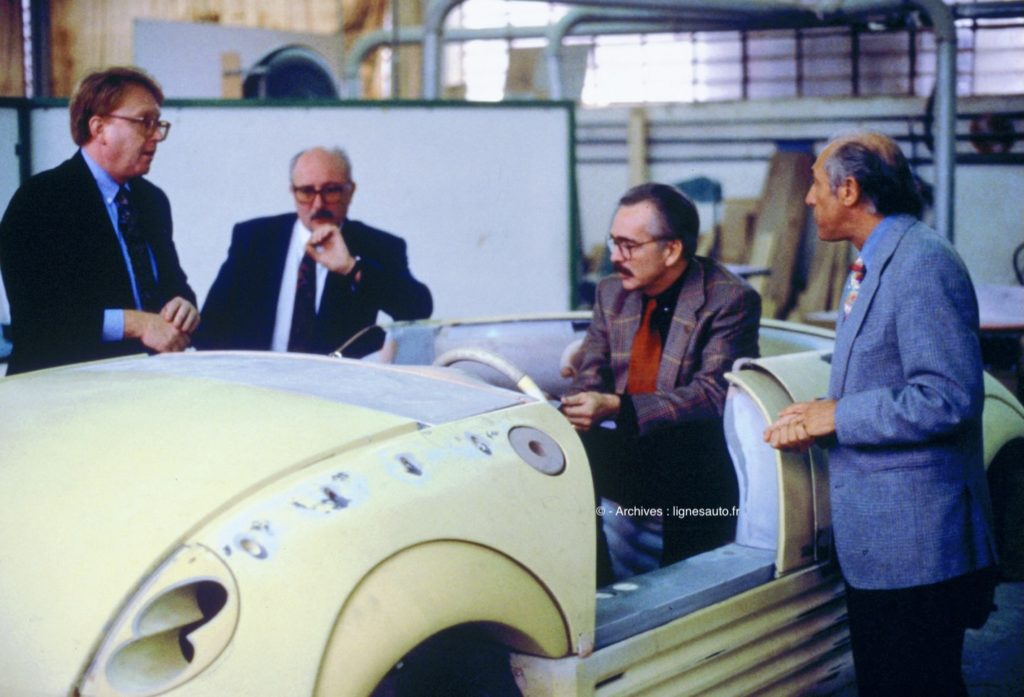
From this era at Renault, which lasted nearly a decade, several concept cars remain that would go on to become milestones in automotive history (notably the 1990 Laguna and 1994 Argos concept cars), designed under the leadership of Renault’s new head of industrial design, who joined the company in 1987: Patrick le Quément, pictured below. “He was my boss, a long time ago now! I have great respect for the role he gave to French designers. What happened subsequently at PSA and Stellantis is what he managed to bring to France in terms of design management. Under him, styling was no longer in the hands of artists directed by marketing, but of designers with a responsible leadership team.”
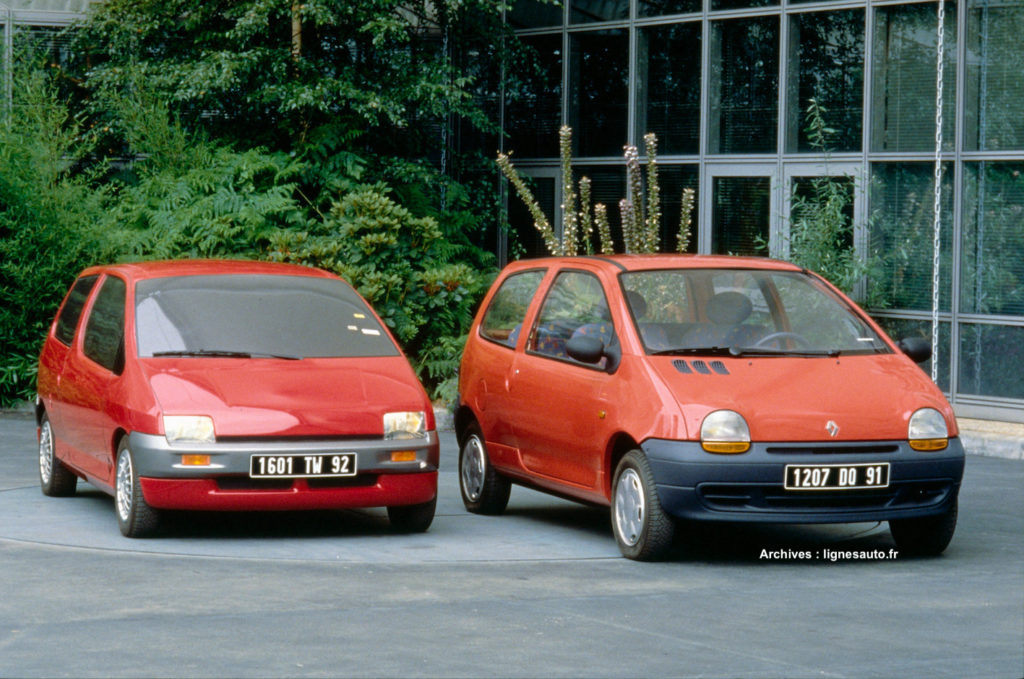
As well as concept cars, one production model stands out: the Twingo. “Thierry Métroz and I designed it together.” Thierry, a friend of over thirty years – in fact, over forty – who trained as an interior designer. “I met him whilst I was studying in Besançon. And we’ve hardly ever been apart since; he’s now head of design at DS Automobiles. He’s a passionate man who’s fully committed to his work. He’s refined, devoted to his brand and as stubborn as someone from Franche-Comté!”
So, the Twingo: “We created it together, but there was a period when we were separated by our year of military service. I had to go off first, so we didn’t always work together, but we remained in competition with each other in the same studio, in Nanterre. Back then, I had ideas flying in all directions. For example, the frog-eye headlights – we used them in various sketches. The two of us really did work on that project together.” Jean-Pierre is keen to point out that Doudou helped them finalise the shape of this very distinctive silhouette.
After leaving Renault, Jean-Pierre had two international stints with German-linked companies: first at Volkswagen and then at Ford. He confirms that “these two experiences taught me a great deal. I’d decided to leave France to discover other automotive cultures. At Volkswagen, it was in Spain. I left Renault brimming with creativity and arrived full of self-confidence. And in the end, what they expected of me in terms of creativity was far too radical for the brand to accept.”
“I had to adapt, and in the end, I didn’t really know why they’d hired me because, ultimately, they didn’t make that much use of my creative boldness. On the other hand, I learnt a great deal about the quality of a well-executed design, where you spend weeks working on a single line or the shape of a wing. I learnt to excel in the quality and purity of the object, and in the precision and construction of forms.” It’s a different story following his time at Ford… “What surprised me there was just how important marketing and customer testing were to them. You had to test, always test! At Ford, I was in charge of an entire studio, covering the whole European C/D segment.” The start of his full-time role as a manager…
And then came the transition to a new chapter in his life, which kept him loyally tied to the PSA Group – now Stellantis – for over a quarter of a century, ever since he took over as head of design at Citroën in late 1999. “I was a young bloke; I was only 37 when I accepted this role at Citroën. I was probably the youngest design director of any car brand in the world! But I had no doubts, because I knew my own worth.” Twenty-five years later, following a steady and remarkable rise through the ranks, he will hand over the reins of the role of head of design for Stellantis’s European brands to his mate Gilles Vidal in October 2025.
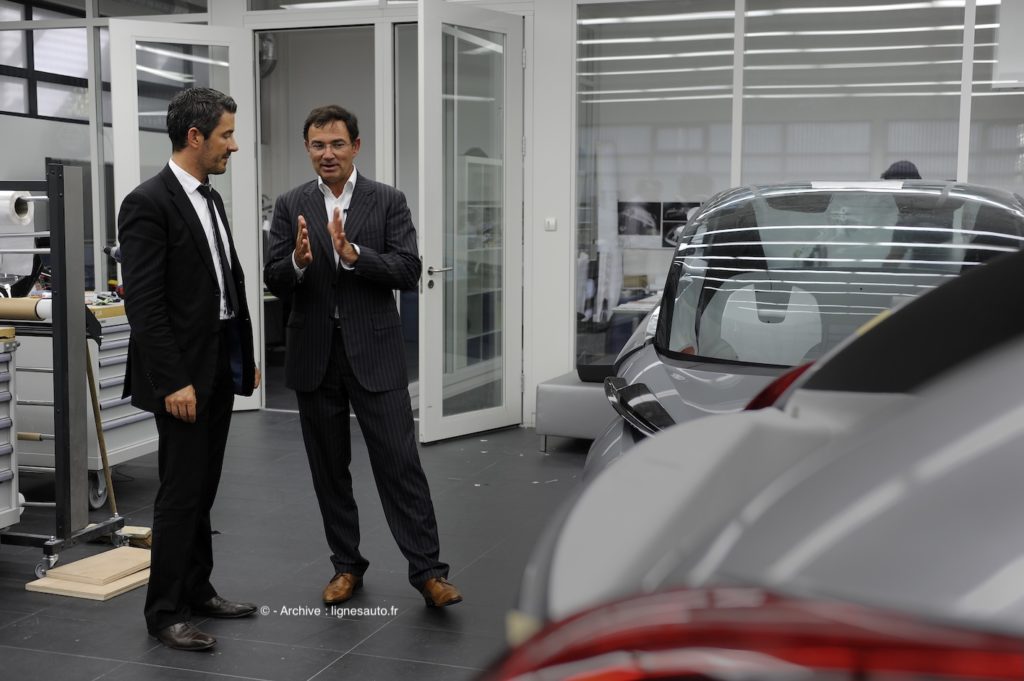
Gilles Vidal, the friend. The man who led a Stellantis-Renault stint that was as brilliant as it was short-lived. A man Jean-Pierre first met at Citroën in 1999. “I didn’t know him before. He was part of the Citroën design team (then headed by Arthur Blakeslee). When I arrived, he was about to leave, like other colleagues who’d had enough of the previous management. But in the end, they decided they’d see ‘what this young lad was going to get up to’.”
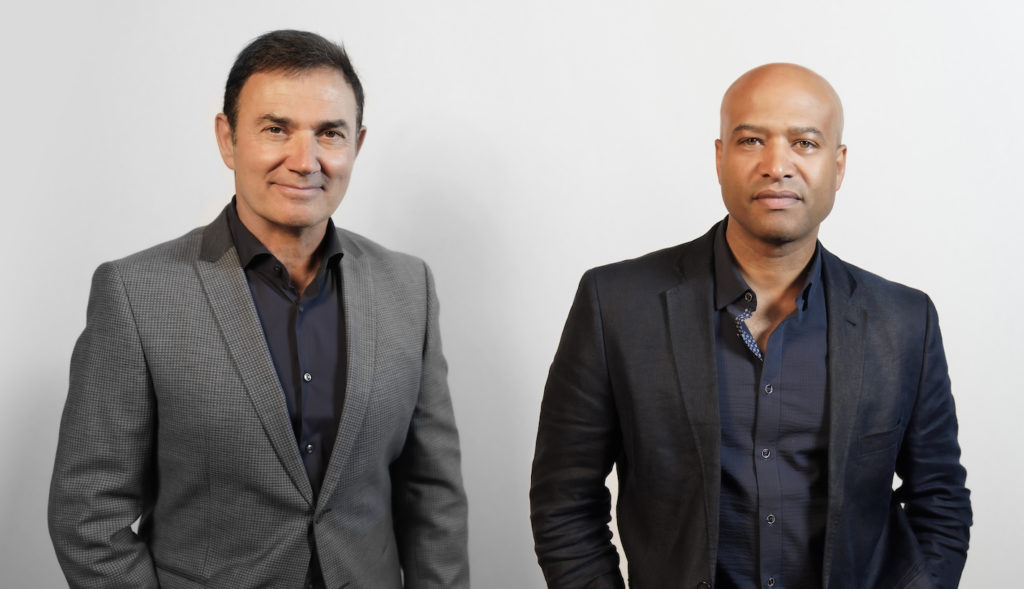
What is the relationship like between Ploué and Vidal these days? “We still keep in touch. Before he took up his post, I advised him and gave him an overview of what was going on, and of the changes that had taken place since he left for Renault. For him, the situation has changed slightly because I was reporting to Carlos Tavares, whereas Gilles will be reporting to Emanuele Cappellano and will report to Ralph Gilles, the group’s head of design. Gilles Vidal knows he can count on me and give me a call.”
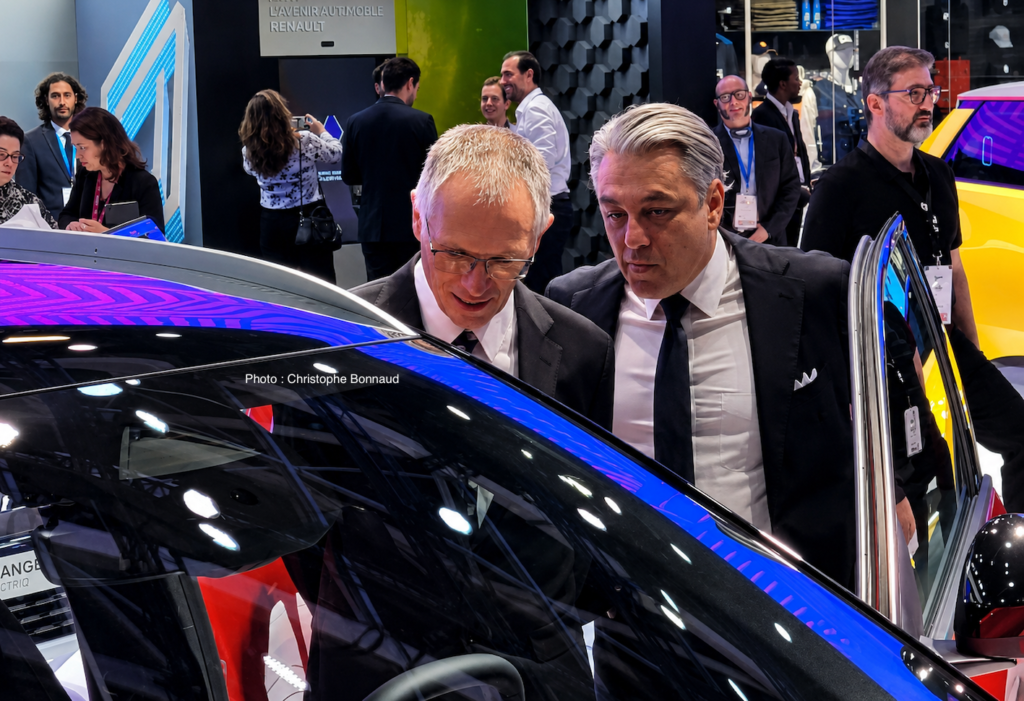
I’d like to take this opportunity whilst Jean-Pierre is mentioning Carlos Tavares, pictured above with Luca de Meo. I remain convinced that his departure is a consequence of that of the Stellantis boss. “No, my departure isn’t linked to Carlos’s, as he’d already left nearly a year earlier. I was getting very close to retirement, and there were major changes about to take place within the group. The situation had become complex, with the selection of a new CEO taking a long time to finalise, and the establishment of the ‘Greater Europe’ and ‘United States’ regions, which were to be given greater autonomy… It was the right time, as I wanted to make the most of my time a little more. As long as I was enjoying myself, I didn’t give leaving a second thought. The time had come because there’s no point in clinging on beyond what’s reasonable. I’m leaving proud of what has been achieved.”
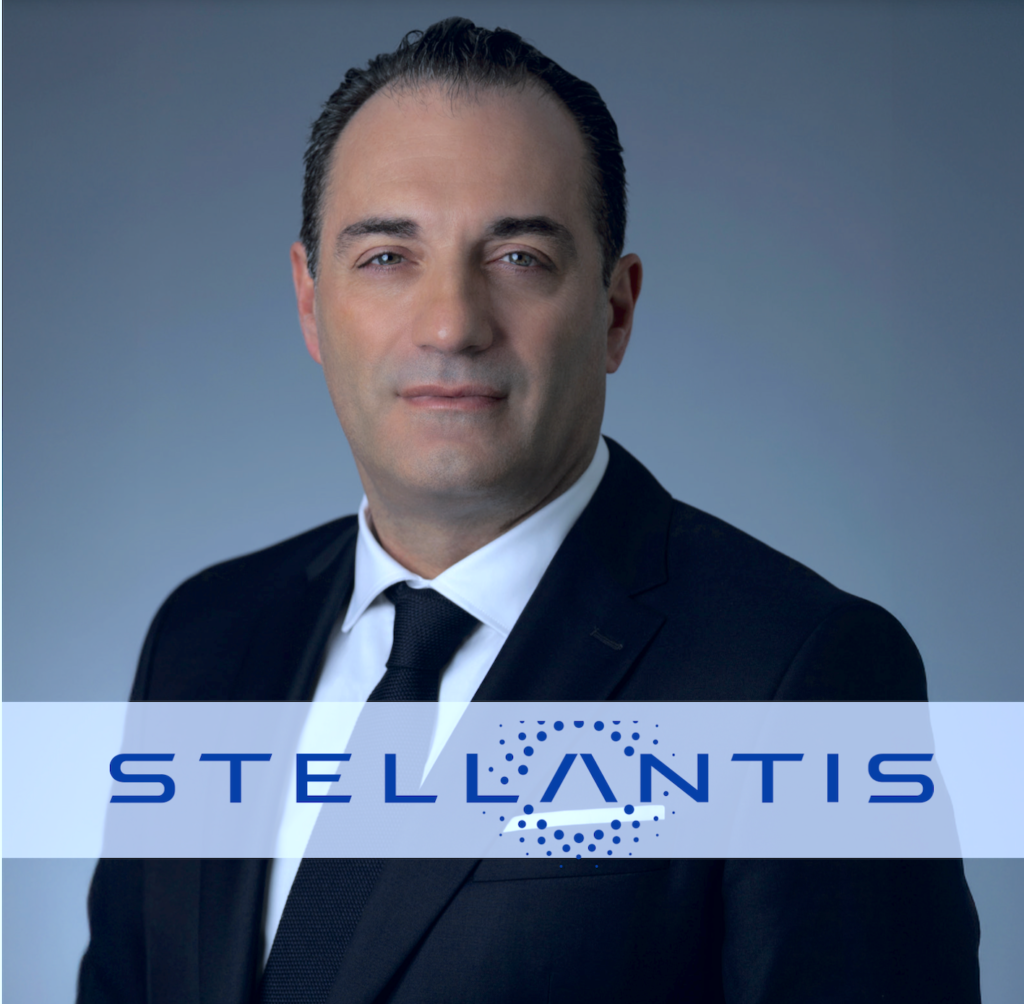
With the appointment on 28 May 2025 of the Neapolitan Antonio Filosa, mentioned above, as head of Stellantis, it seems that a trend is emerging towards appointing Italians to key positions. How is the Peugeot family reacting to this? “The Peugeot family is not simply sitting back and accepting this, as they are also at the helm. Stellantis has simply undergone a change, just as PSA did with the arrival of Carlos Tavares and his team in 2014. Before his departure from Stellantis, the situation wasn’t exactly great, so this change is understandable.”
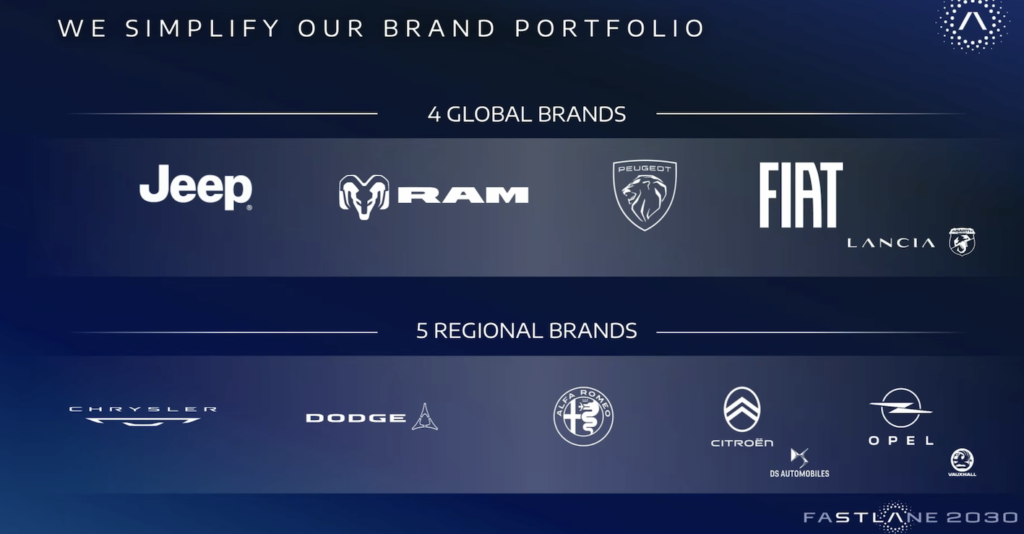
In his book (*), Carlos Tavares discusses scenarios that are, for the time being, fictional, one of which involves a Chinese giant taking over the group’s European brands. “What remains clear about the success of a multi-brand group is the need for a strong and distinctive design, and Carlos has always safeguarded that, even though the scope for differentiation had become rather limited. I think the group did not have the resources to sustain so many brands.” (*) Carlos Tavares – A Skipper in the Storm. Plon.
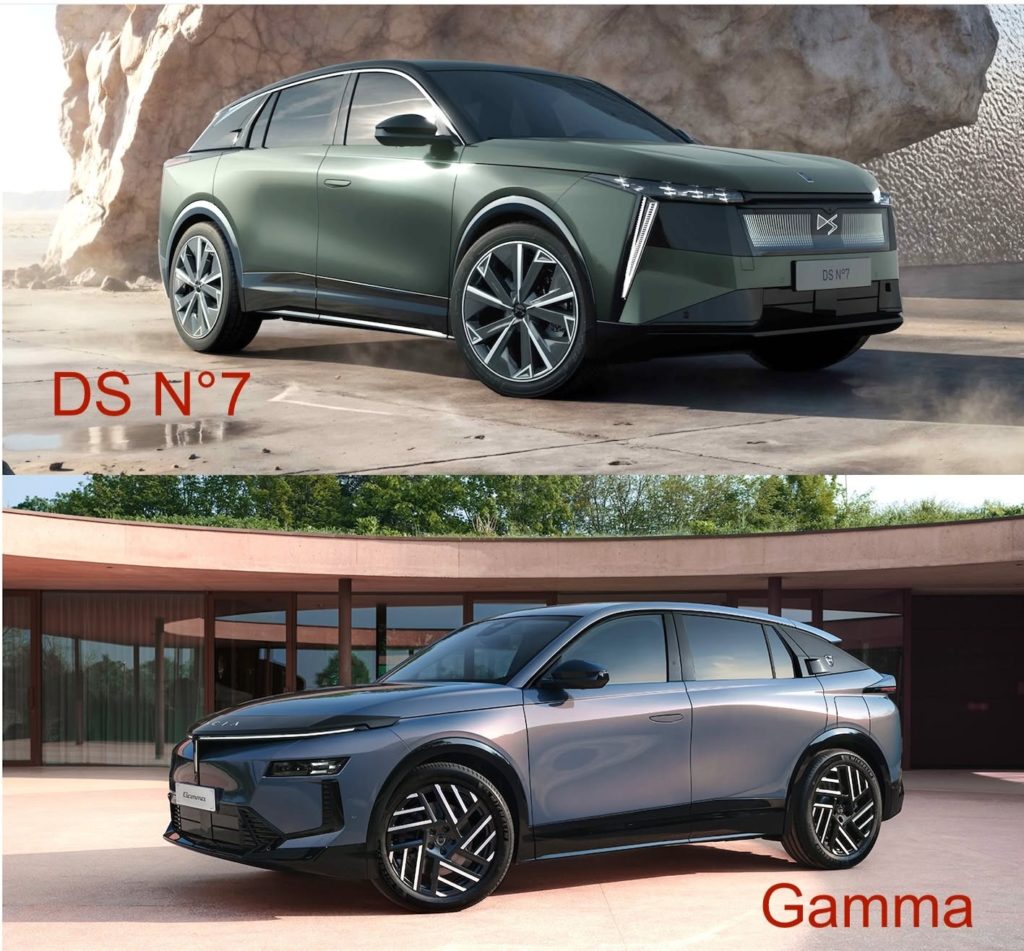
“It was time to open things up a bit because it was getting complicated. But it’s the same for all the major multi-brand groups, starting with Volkswagen. We may have taken things too far with certain body styles. Initially, we had a classic, logical carry-over defined by the platform. Then we had to factor in even stricter constraints: the windscreen, the side windows, the front doors… The problem was that the financial constraints were such that, without taking this approach, we could no longer support each of our brands. We had to make these choices, relying on the strength of the design to set ourselves apart, pushing the boundaries of what was possible, because it was the only way to produce Lancias, Fiats, Citroëns and others…”
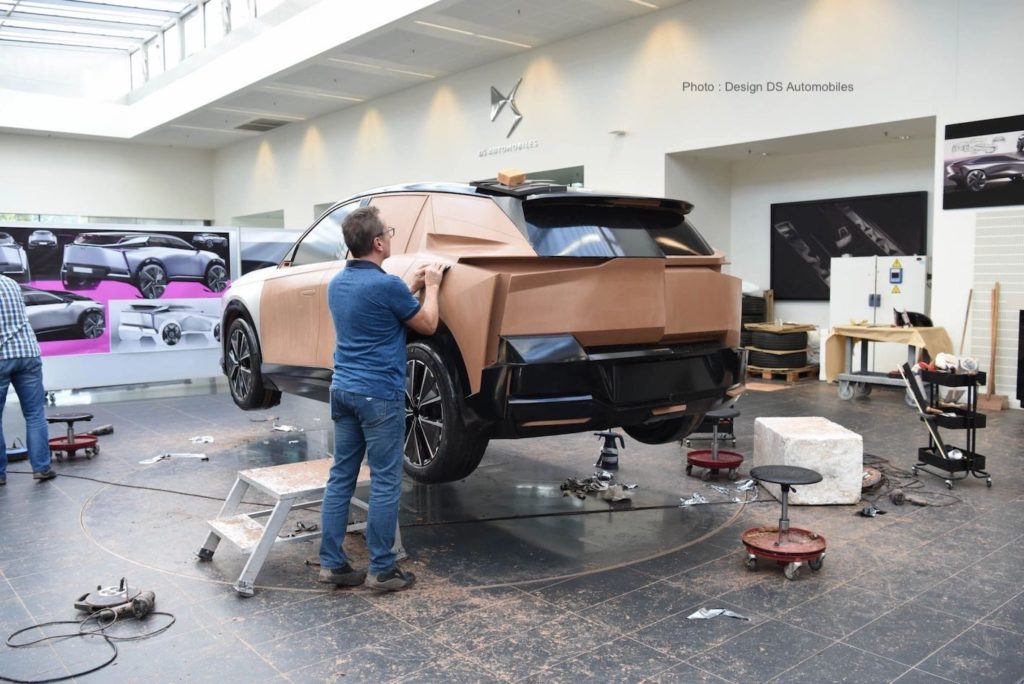
Ah! Lancia… Jean-Pierre was the head of design for the launch of the three planned models (Ypsilon, Gamma and Delta), but the start seems to have been a bit of a struggle. As with DS Automobiles, one can imagine that the European market alone cannot sustain a brand. “I don’t think that’s the problem. If, for Lancia, you’ve got a superbly executed Delta – an incredible product – and for DS you’ve got a Tesla-killer, where’s the problem?”
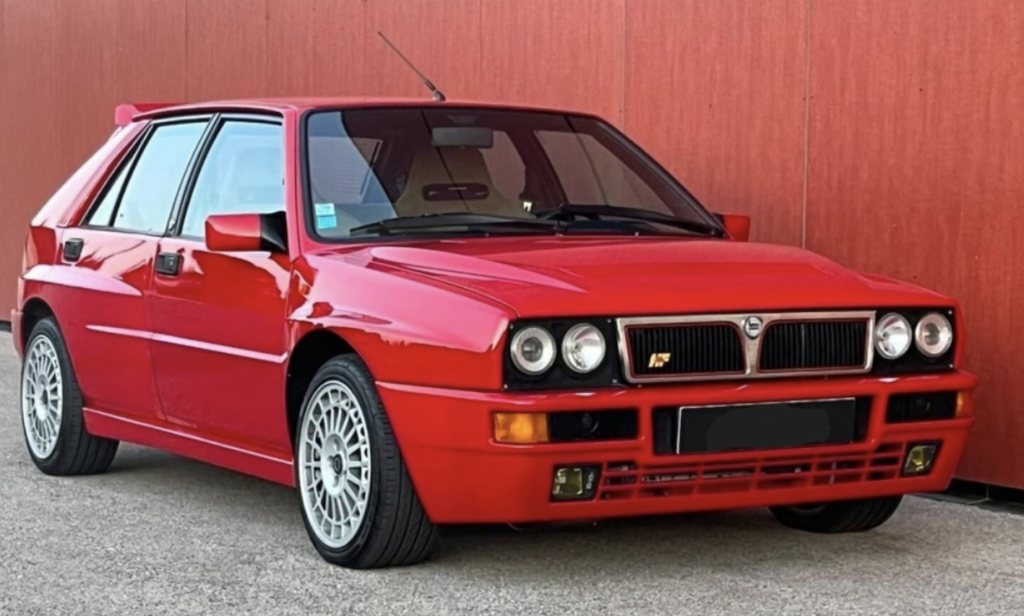
Isn’t the problem that they started with the little Ypsilon when everyone was expecting a Delta? “Yes, but that’s a different matter; it’s not the designer’s problem. I had recommended producing just one model at Lancia: the Delta. A strong model in a streamlined showroom. I’d also recommended fewer models for certain brands, or even just one model per brand. But for Lancia, it was obviously more cost-effective to start with a variant of the 208. But those were decisions that were beyond my remit.”
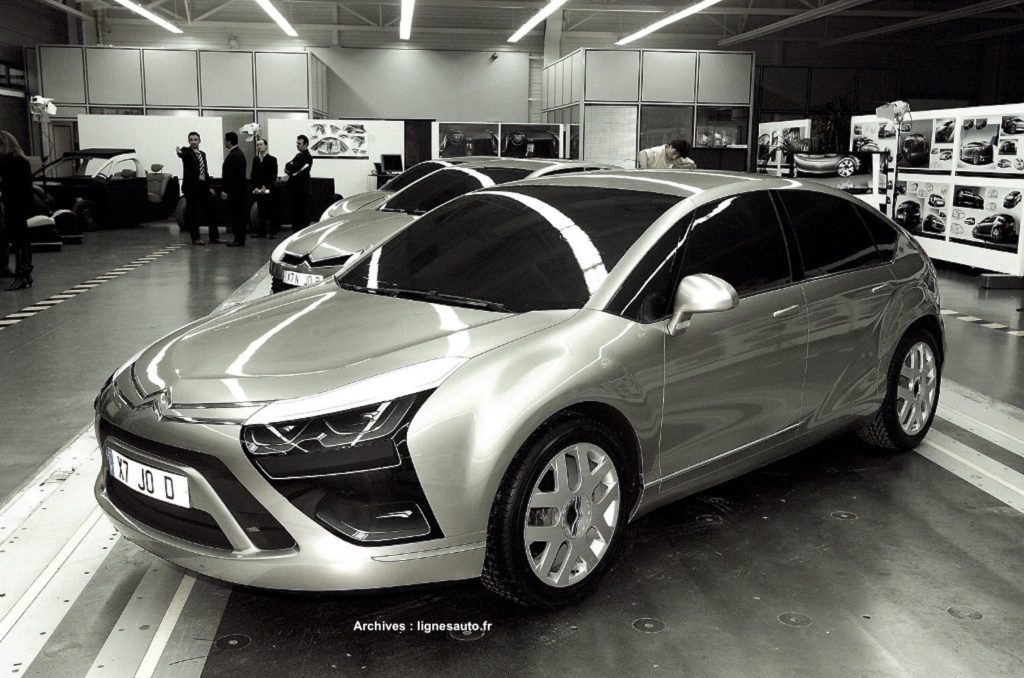
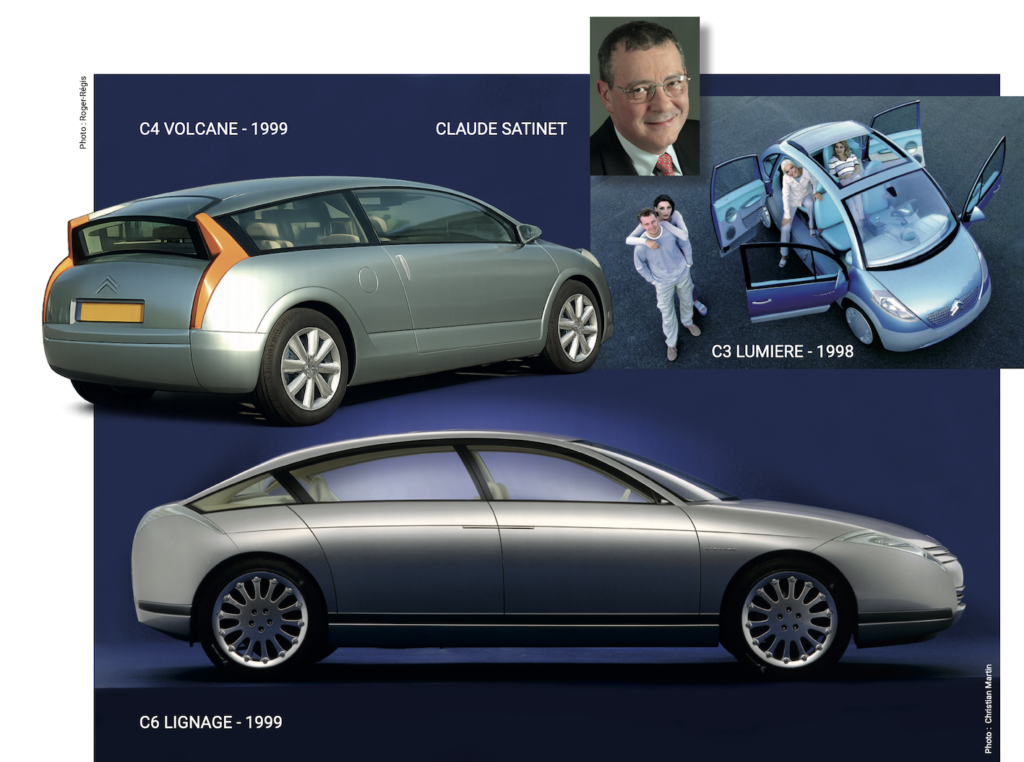
Let’s take a look back at this exemplary career, particularly at PSA/Stellantis, where he served for a quarter of a century. A loyalty that, however, nearly came to an end almost right at the start… “From the moment I joined PSA, I knew that if I got a design wrong, my future would be over. In fact, I went through a difficult period with the replacement of the C5, which had been launched before I arrived. Claude Satinet, the boss, trusted me, but he didn’t seem particularly enthusiastic about the project my team and I were working on. (above) Robert Peugeot then commissioned an alternative proposal from Pininfarina… And I didn’t like that, even though I understood the need for it.”
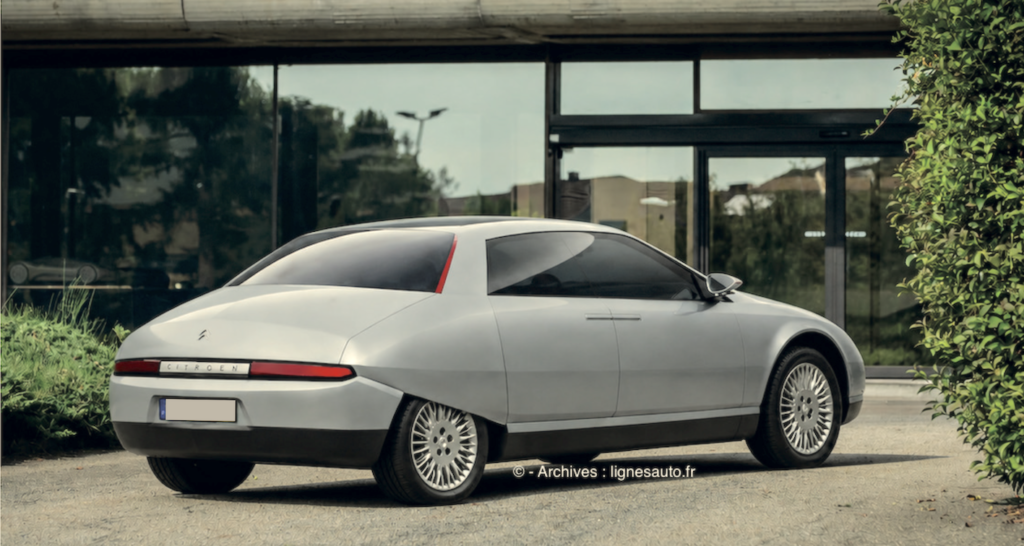
“I was building my team from scratch, and I felt it was unfair to be competing against a major agency that didn’t have the big picture of where we were heading. So the Italian studio entered the competition, and that was the first time that had ever happened to me. If I’d lost the project, I would have left the group. I was in the process of developing my design strategy, and if I’d suffered that setback on my very first real project, I would have taken it to mean that the brand hadn’t understood what I was trying to achieve… I would have left, not because I was a sore loser, but because I would have felt I no longer had the confidence of my senior management. But my team won!” Phew!
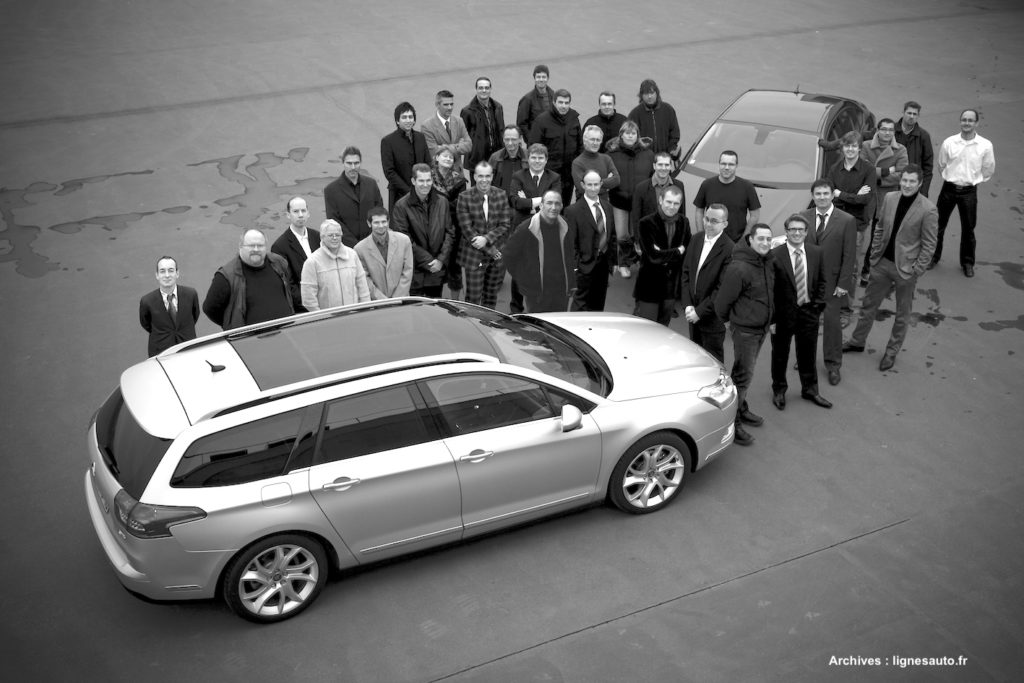
Jean-Pierre is always highlighting his teams, as we can see above alongside the team working on the C5 estate project. But success often hinges on a single person. Or rather, on three, according to him. “To make a project a success, you need alignment. Ideally, you need a solid, close-knit trio comprising the brand director, the head of design and the head of marketing. That’s what happened when I joined Citroën with Vincent Besson, the brand’s product director.”
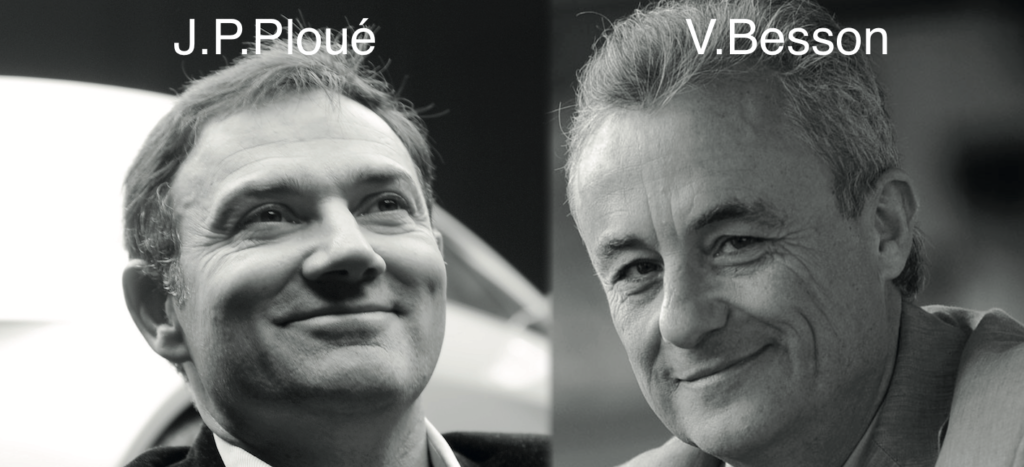
“When I joined Citroën, there were senior figures such as Dan Abramson and Donato Coco, who were older and more experienced than me. Those blokes weren’t exactly expecting me – quite the opposite, in fact – because Arthur Blakeslee had promised them the post of design director, and I wasn’t exactly welcomed with open arms. But I knew what I wanted to put in place; I had a clear vision. Without Vincent Besson (pictured above), I could never have achieved what we did at Citroën (the early days with the C2, C4, Picasso, the concept cars…). Those were magical years because we really worked together. At first, Vincent was supposed to take charge of the design, no doubt because Claude Satinet had asked him to, but then he became a friend and we worked as equals. We then came up with the DS range.”
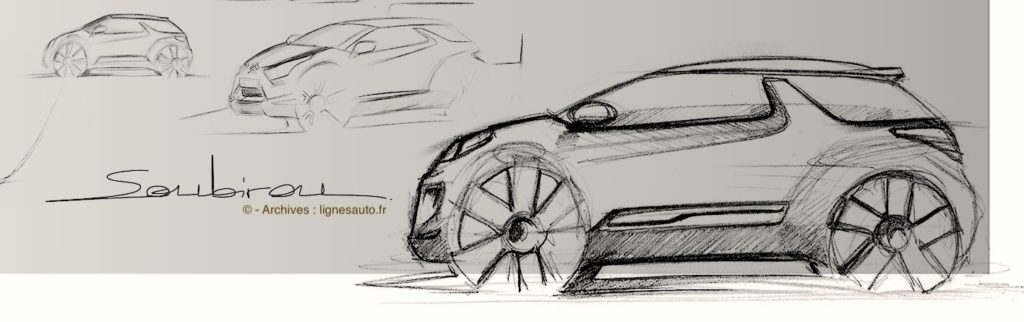
The inseparable pair sometimes travel to Brazil for meetings about Citroën products for the AMLAT market. “We even nearly drowned on Copacabana beach, where, over a weekend before the working week, we’d gone to shake off the jet lag. Whilst Vincent was asking for a break to have a cigarette, I was practically with my feet in the water when a lifeguard ran towards me waving large banners saying ‘No Swimming’: the ocean suddenly went wild and we came very close to disaster! ” With that, the two Frenchmen drifted off peacefully to sleep on the quiet beach, only to turn up at the meeting the next day, burnt to a crisp like lobsters…
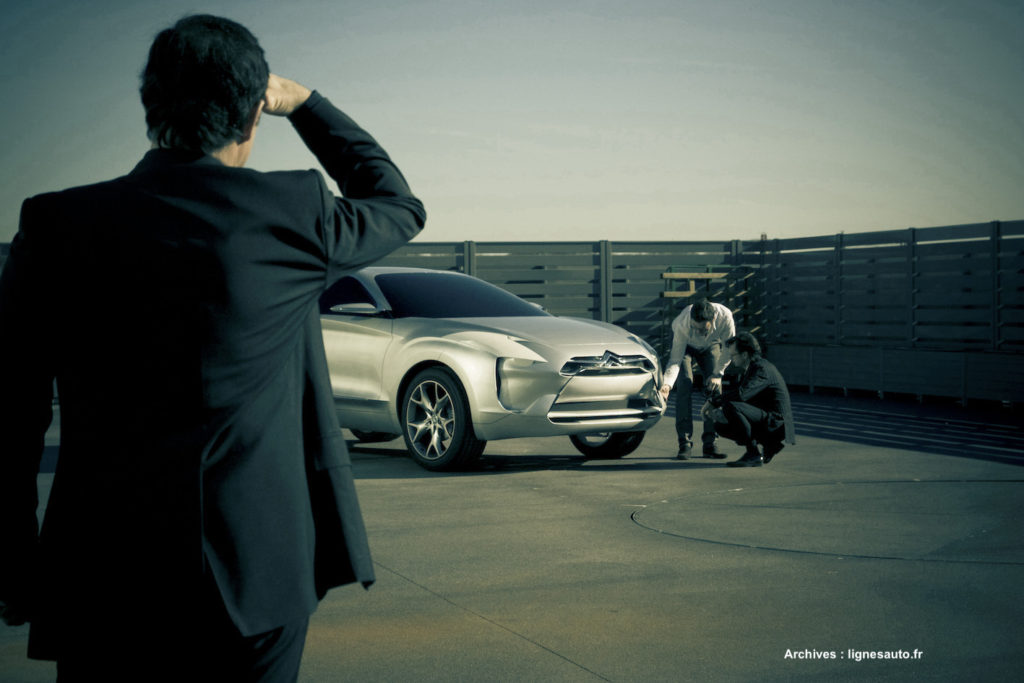
Don’t go thinking, however, that this legendary duo from the early 2000s at Citroën are taking it easy. Their discussions invariably centre on products, design, progress and innovation. “On a flight to the Belchamp test centre, Vincent and I were in the boarding lounge, and we were so engrossed in our conversation that the boarding process went ahead… without us. We turned round at one point, and there was no one left.”
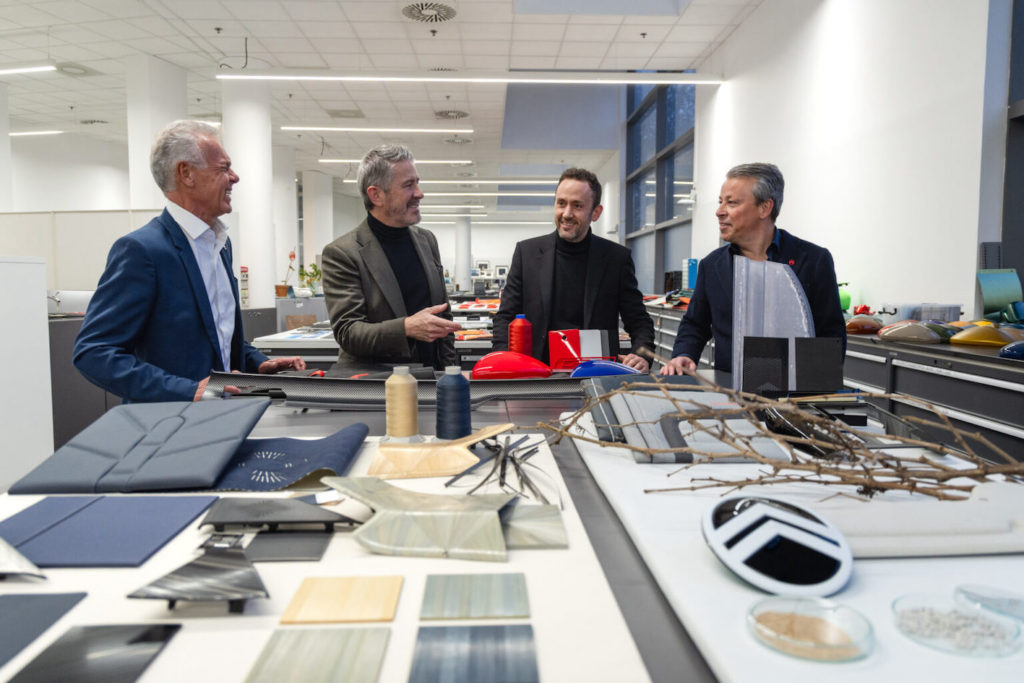
A partnership, good rapport, teams that are growing in size… Human relationships are always one of JPP’s priorities. But is it easy to work with him? “I think so, once people have figured me out! When you understand what I want and share that vision, there’s no problem. What isn’t easy is that I’m demanding – first and foremost of myself. I never let up, right to the very end. I’ve always acted like that at PSA and Stellantis, because the future of the company – but also that of the teams and my freedom of expression – depended on it.”
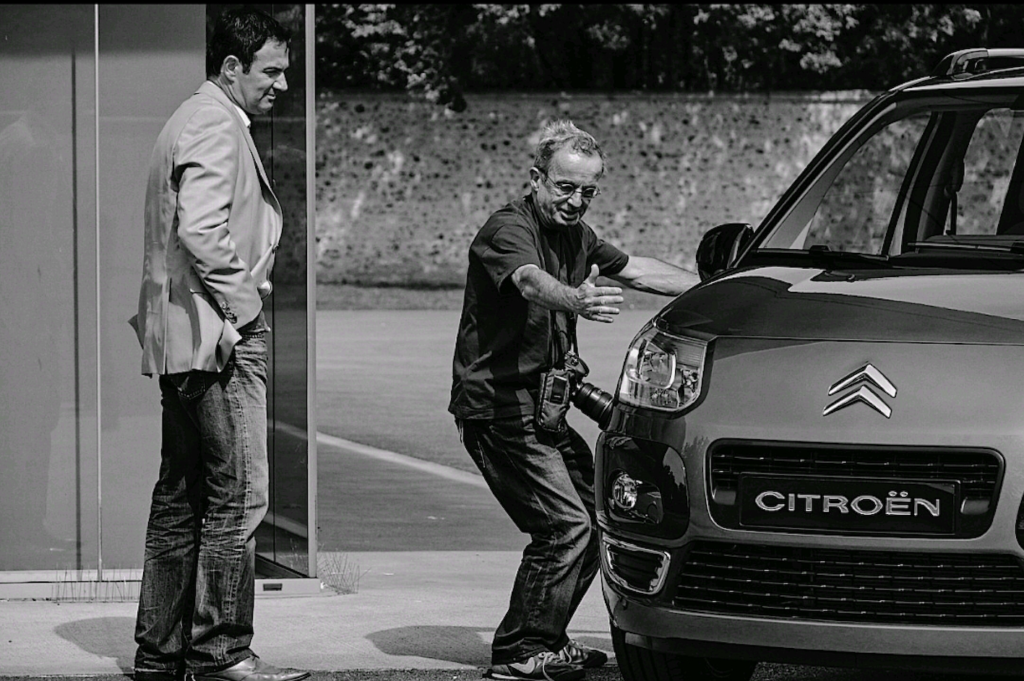
In the 2000s, Jean-Pierre Ploué charged ahead like a bulldozer, and nothing seemed able to stop him since he had revived the chevron-badged brand alongside Vincent Besson. Until the day he took charge not only of Citroën’s design department, but also that of… Peugeot, then headed by Jérôme Gallix, Gérard Welter’s successor. “It’s simple: we were working miracles with the whole Citroën team. Every year we’d present the two upcoming ranges for Peugeot and Citroën at La Ferté Vidame (then one of the group’s test centres). All the bosses were there, with the Citroën products on one side and the Peugeots on the other. We had to ensure that the styling themes of the two brands were distinct. ”
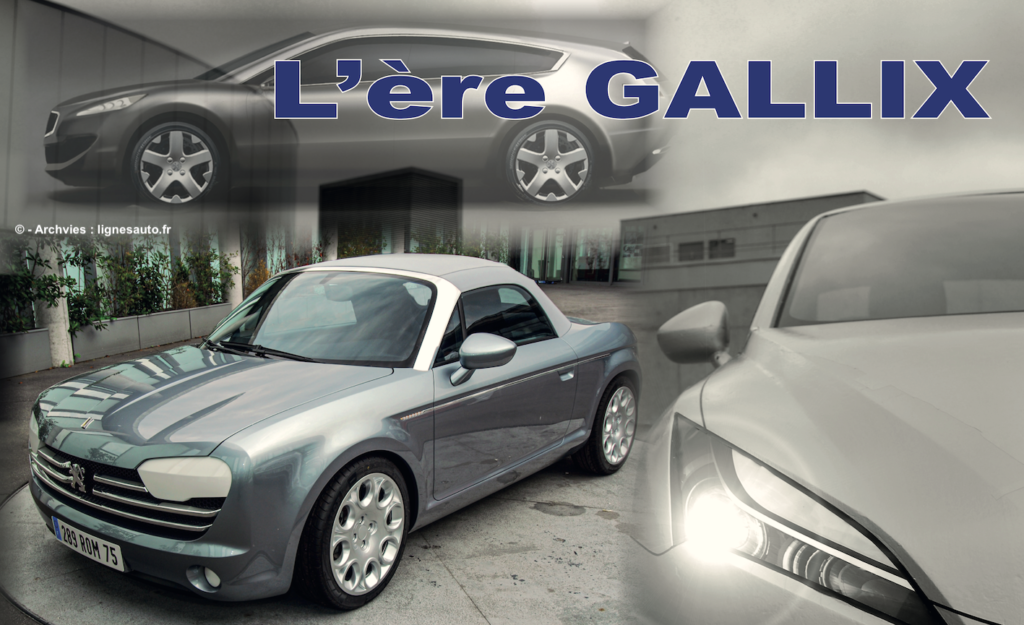
“During my first challenge of this kind, I simply had to step up and deliver, whilst waiting for my team’s creations to finally be unveiled. Year on year, we’ve gone from strength to strength. Then there was a meeting that acted as a turning point for the Peugeot family. They felt that things were going nowhere with Peugeot’s products, and that’s when I was appointed head of design at Peugeot as well as Citroën. Grégoire Olivier, who was in charge of design for both brands, called me in to tell me the news. They had decided on my appointment together with the Peugeot family. ”
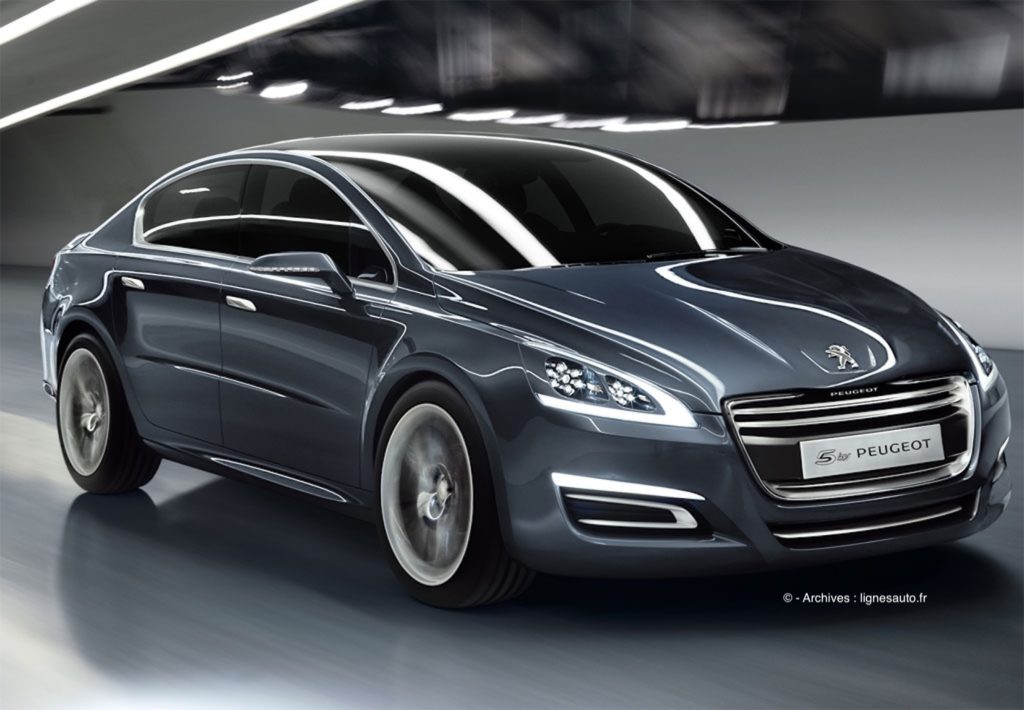
But within the Sochaux-based manufacturer’s design department, there are still quite a few projects under way, notably the large saloon set to replace the 607 (W35) and the B-segment Urban Distinctives. Why did they put everything on hold? “Before that, Gérard had been slow to hand over the reins of design to Jérôme Gallix, who had waited a long time (five years). They were both working in the design department, each with what I imagine were different approaches. And then there was that meeting where Peugeot’s design team presented the first generation of the 508, which didn’t go down well with the management. So I took charge of the car again within a few months, with a budget of just a few tens of millions of euros, and we overhauled the design. ”
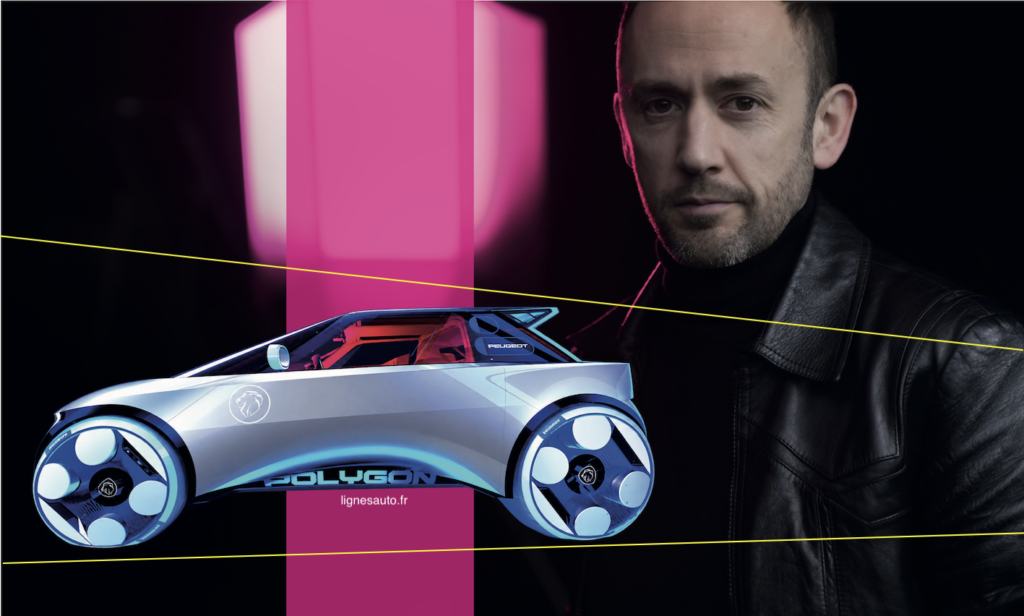
Before leaving the Stellantis Group, Jean-Pierre Ploué was once again involved with Peugeot in one of the final concept car projects: the Polygon, created by Matthias Hossann’s team (pictured above). “Matthias is a brilliant lad. Yes, he looks like a lad, but he’s a highly motivated, extremely demanding, very talented lad, and above all, he’s incredibly committed.” Today, Matthias has a new rival: Renault’s head of design, Alexandre Malval…
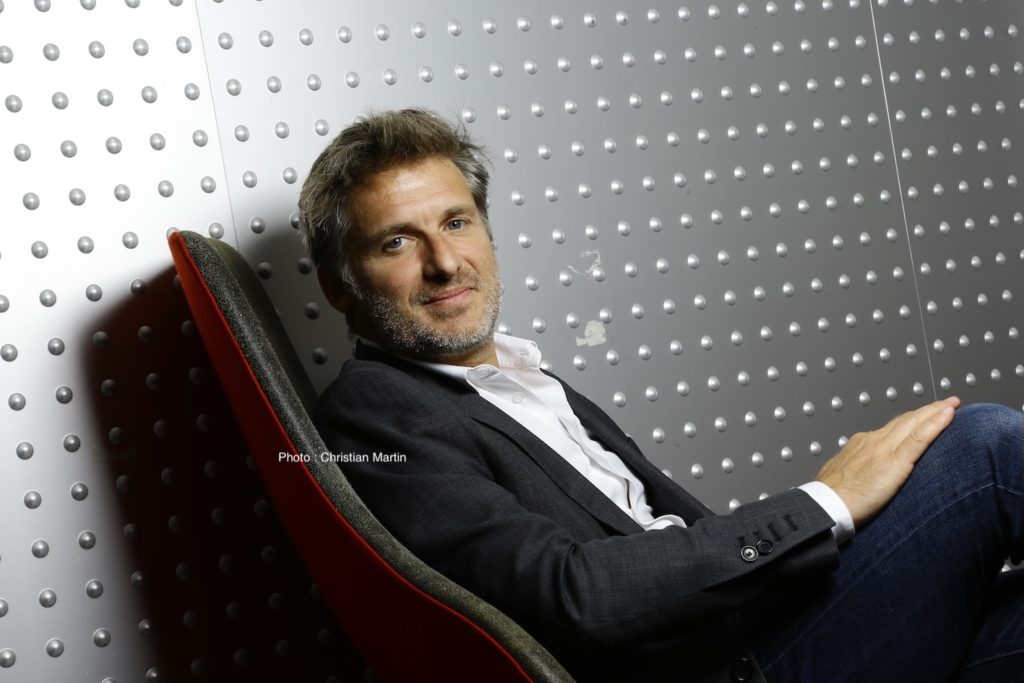
Jean-Pierre Ploué knows Alexandre Malval, the former head of design at Citroën (pictured above), well. “Alex is incredibly sensitive, but so incredibly talented! In fact, I’ve realised that all the lads who’ve worked with me have been absolutely lovely, and above all, very creative.” It’s worth noting that Alexandre Malval made his return to Renault this year, taking the helm of the brand’s design department, replacing Gilles Vidal. Further proof that the French excel at managing automotive design!
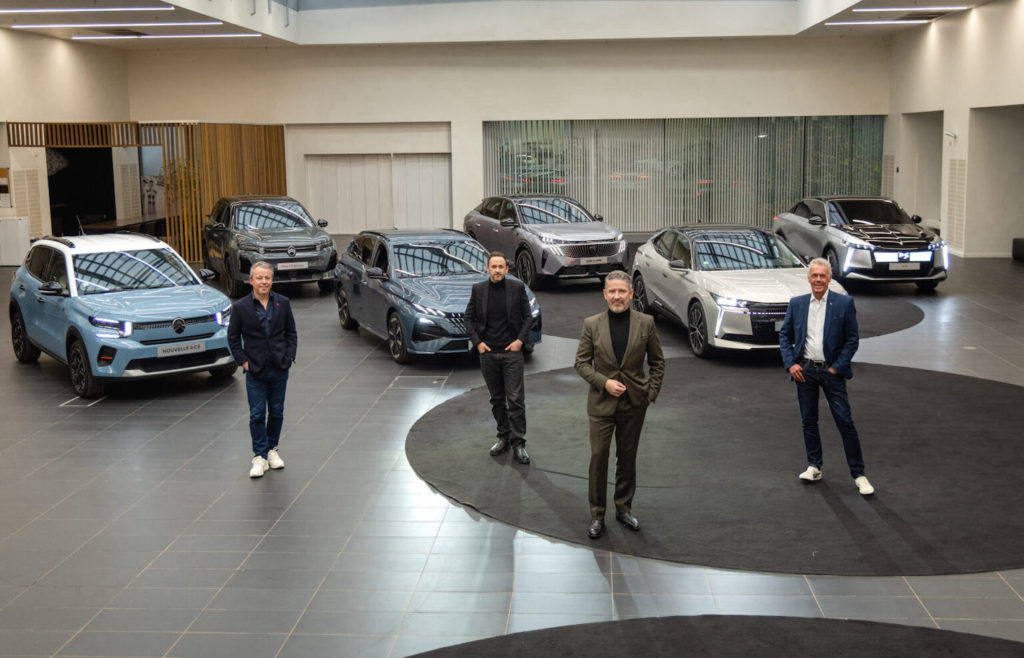
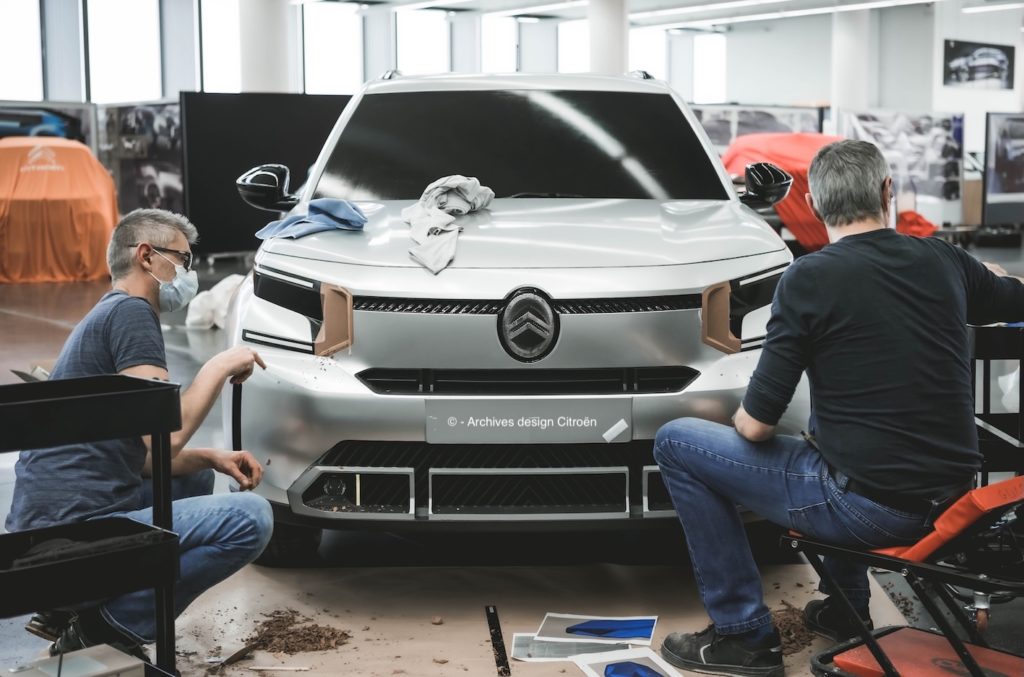
And yet, French design teams draw on talent from countless different countries. That’s why there’s a Belgian at the helm of Citroën’s design department: Pierre Leclercq. And as it’s a small world, Jean-Pierre tells us that “it was Gilles Vidal who first told me about Pierre, and so it was thanks to him that I went and recruited him whilst he was working as a designer for the Hyundai-Kia Group. He brings a different cultural perspective and international experience. Above all, he has a great sense of humour and a clear, personal vision of what he wants to achieve. The results speak for themselves, and Citroën is back on the road to success, notably with the C3” shown below.
Working in a good environment and having a good working relationship with one’s teams is the key to success. But what about artificial intelligence, given that it will inevitably eat into jobs in the design sector? “There are many different roles in design, not just creative ones. Inevitably, in these other roles, AI could replace certain positions. AI is a tool for enhanced creativity. At first, it was the less creative people who embraced it, as they saw it as an opportunity to strengthen their ideas. However, now that the tool has evolved considerably, the most creative people are using it and managing to imbue it with their own sensibility.”
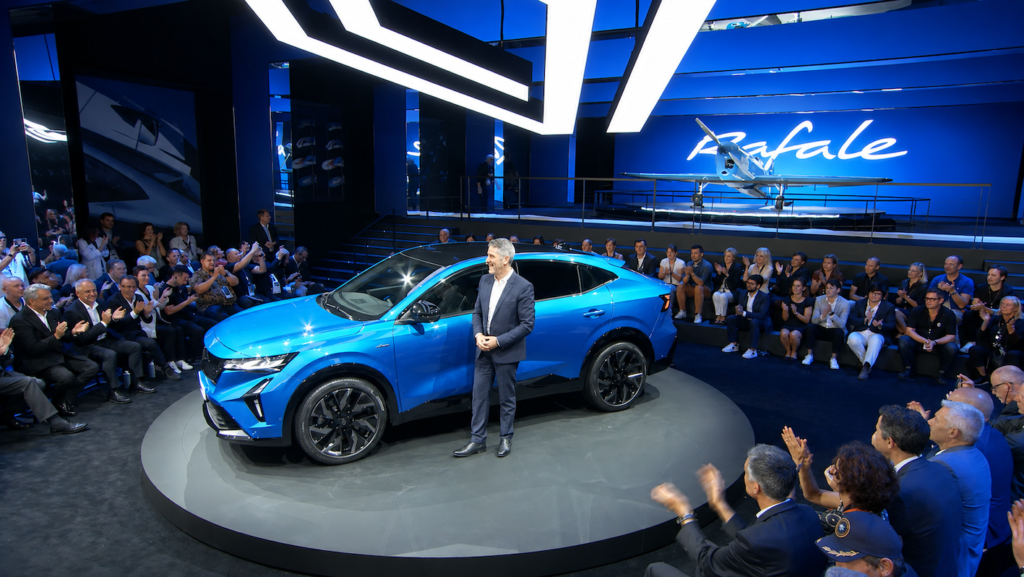
AI is gobbling up all the data on the planet, and the aim is to ensure that it does not disseminate what Stellantis designers feed into its memory through their work. “If we work with open-source AI, it is indeed dangerous, even if it provides us with interpretations drawn from all over the world. For the past two or three years, Stellantis has had agreements with AI providers to retain full ownership of its network. The designs don’t leave the company. ” Is there no risk of Renault stealing ideas, and vice versa? “That doesn’t change anything in that respect; there will always be similarities here and there. We’ve seen that Renault’s design has drawn heavily on that of Peugeot and DS in recent years!” as shown above with the Renault Rafale.
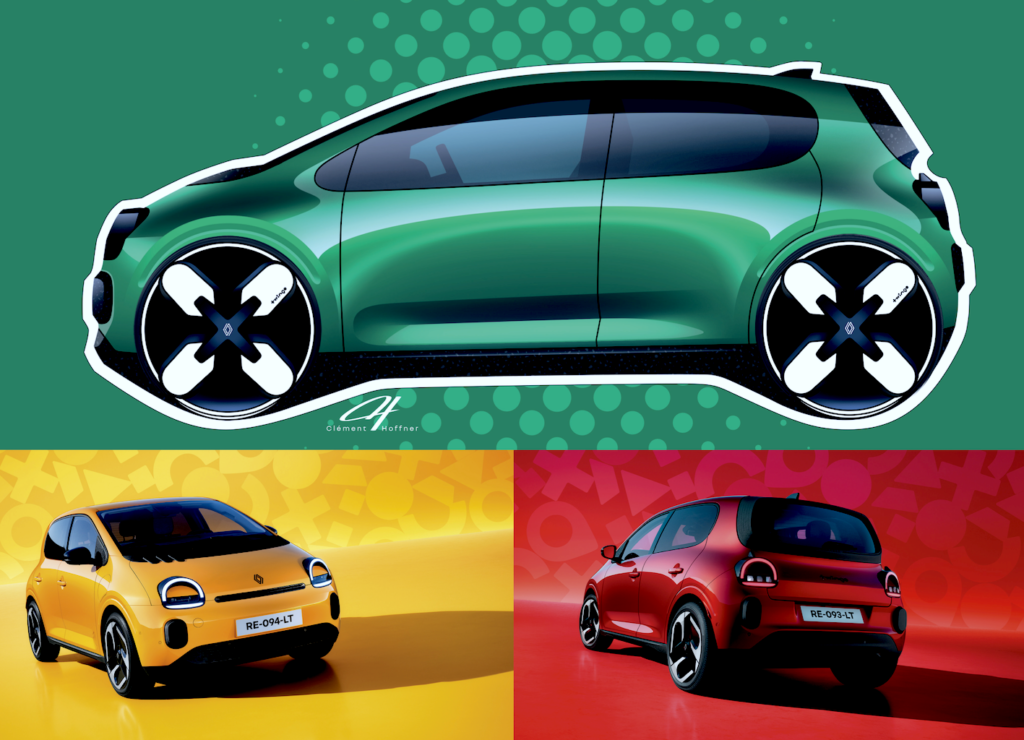
One car that’s unlikely to be accused of being a copycat is the new Renault Twingo E-Tech pictured above, which is essentially a copy of itself. What does one of the designers behind the first generation – which served as the model – think of it? “It’s perfect,” says Jean-Pierre. But is clinging to the past today a sign of a fear of the blank page? “No, today it’s an opportunity for European design to stand up to the Chinese. ” Is this enough to counter them more effectively? Only time will tell. Speaking of China, I tell JPP how surprised I am that he hasn’t apparently been approached by any of these giants. His response is astonishing, to say the least!
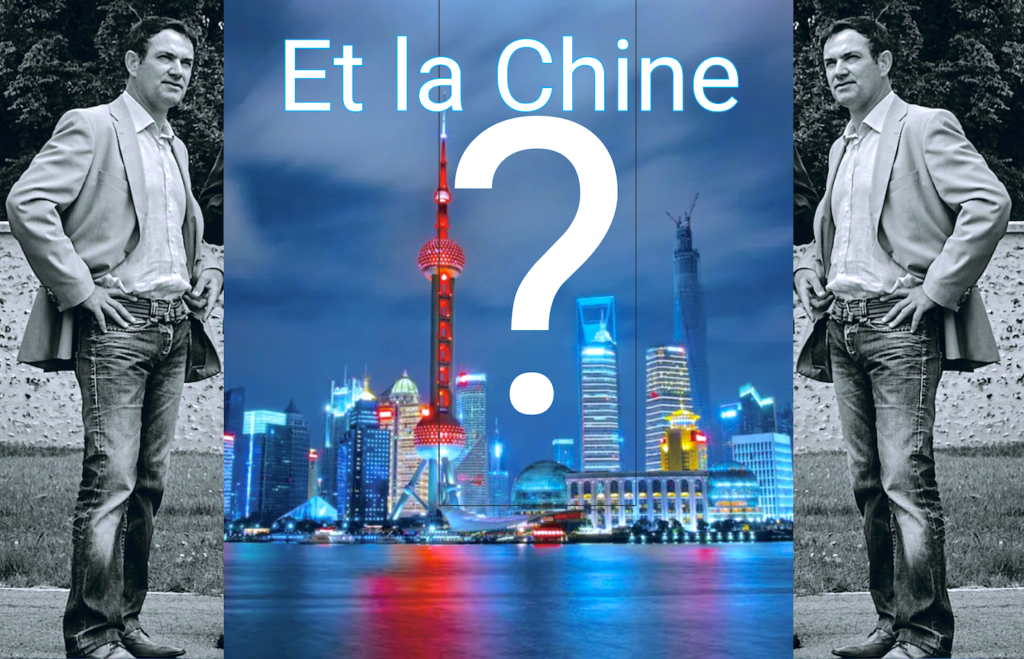
“Of course, I was contacted, but… I only found out very late on, thanks to Thierry Métroz. One day he sent me a document via LinkedIn and asked me to have a look at it. I had an account, but I wasn’t active on it. So I retrieved my login details and logged in… and there I discovered a string of about ten messages from Chinese headhunters offering me jobs, some of which were over ten years old!” Remember these words from Jean-Pierre Ploué: “As long as you’re respected and top management trusts you, you retain a sense of calm, and above all your creative freedom.” Seizing one’s freedom. Jean-Pierre Ploué couldn’t leave Stellantis and his teams without popping in to say goodbye to a few of his friends at ADN (Stellantis’s design centre), where he’d spent so many hours. So many cherished moments from a wonderful life.
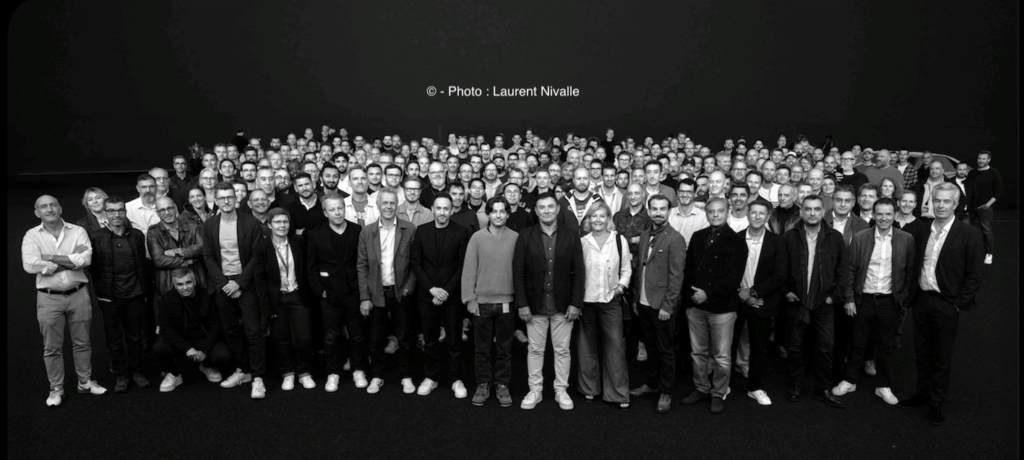
The meeting was arranged for a Friday in September 2025 in the covered dome of the presentation hall. But the people who had come to welcome him weren’t five, ten or fifteen. There were more than 200 designers waiting for him! “It was incredible and magical. Impressive, unexpected… Normally, on a Friday afternoon, a lot of people work from home, but they were all there, having come from Italy, Germany… The dome was absolutely packed; it was honestly very moving. Everyone was in tears, and so was I!”
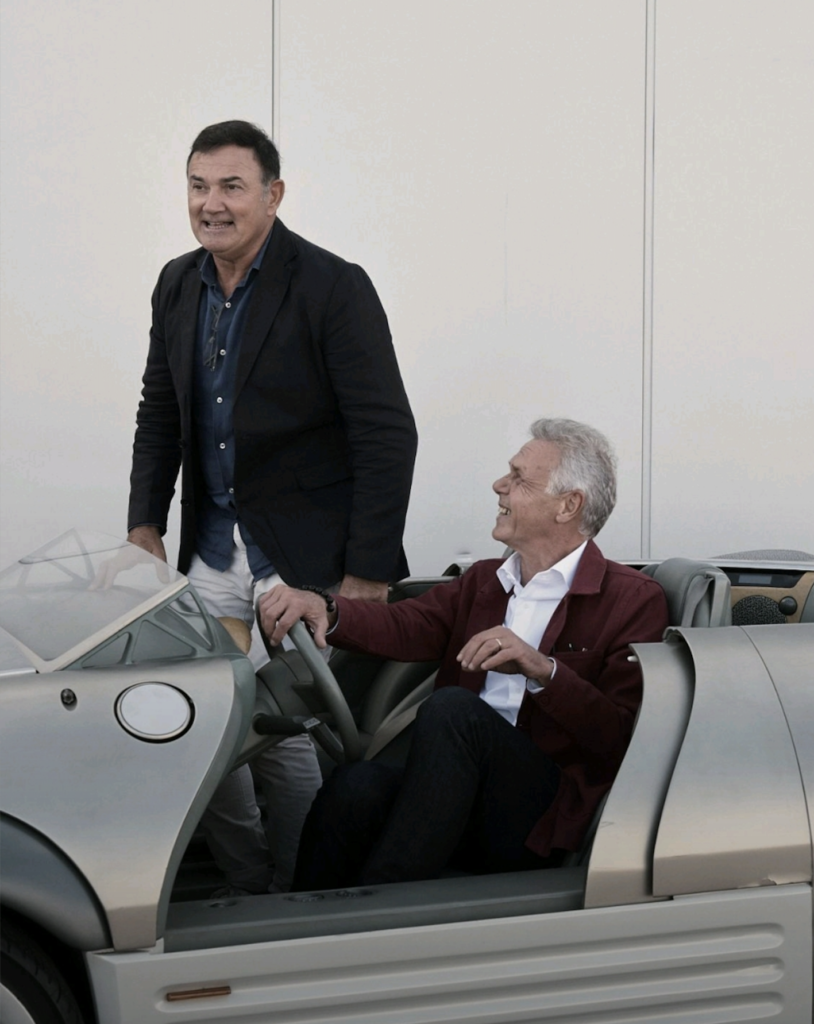
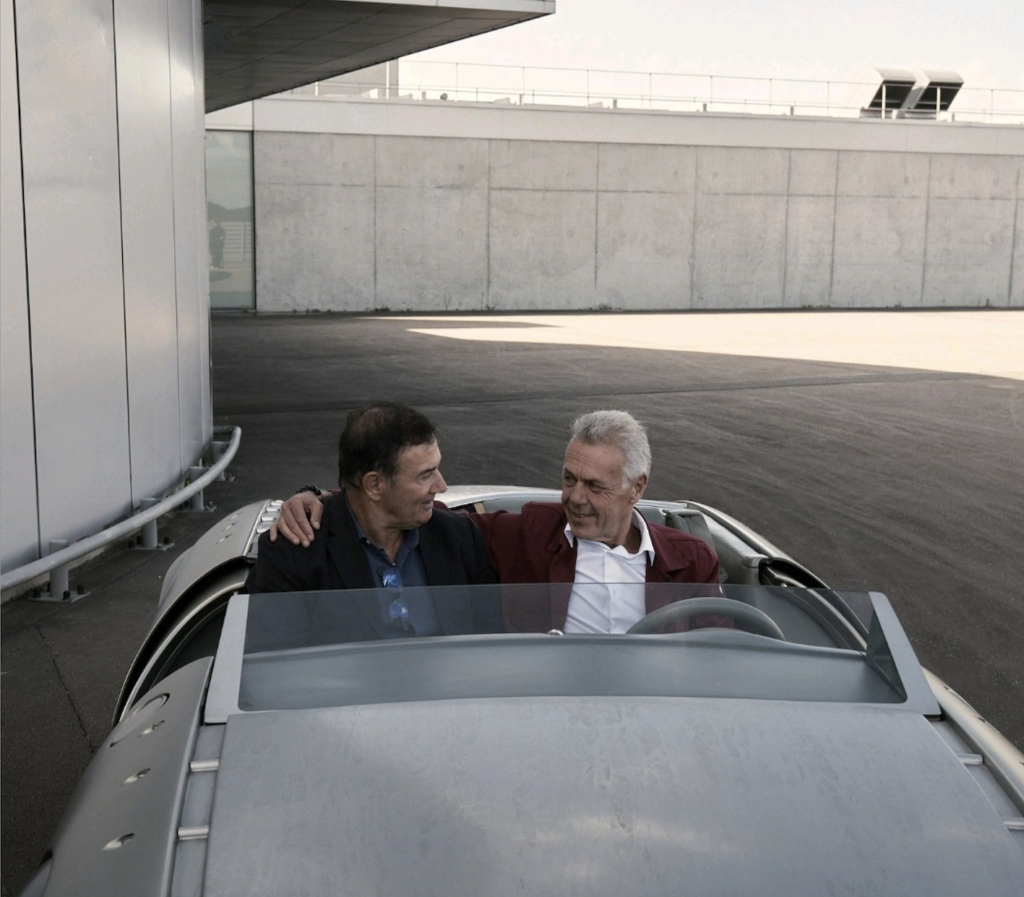
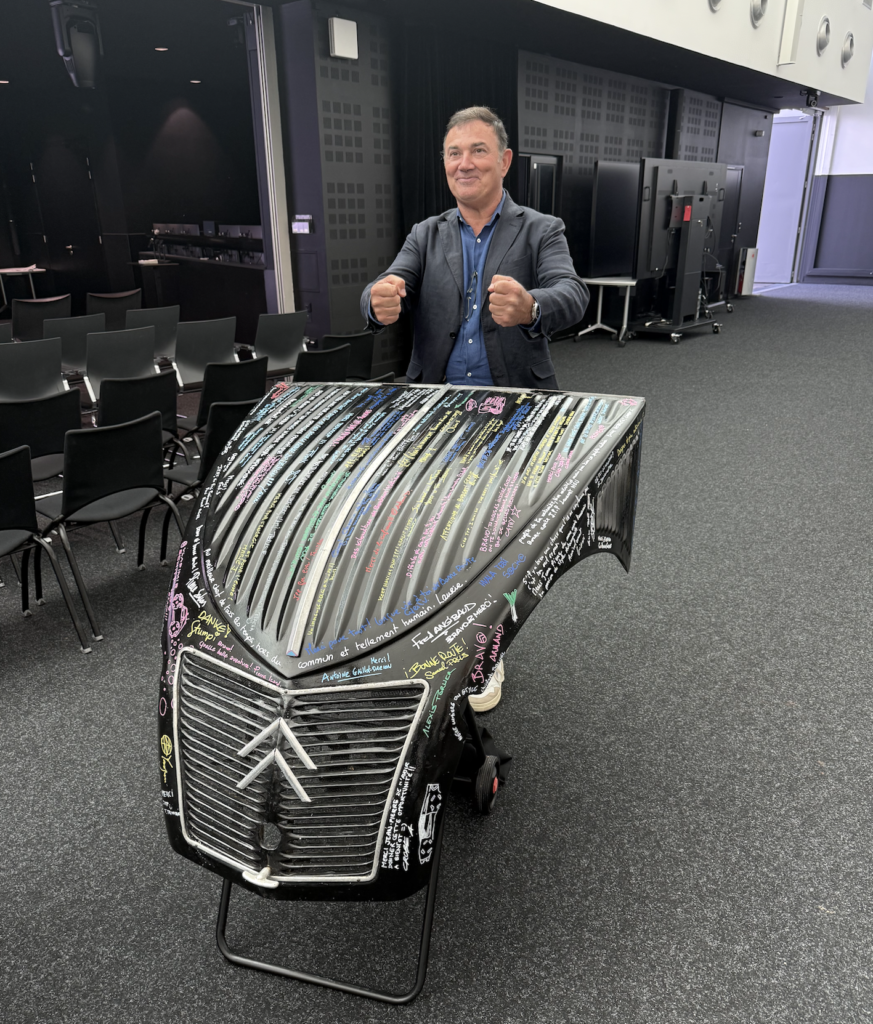
Another surprise within a surprise: the Argos concept car is here, on loan from Renault. Thierry Métroz joins JPP in the driver’s seat. “I was moved and proud at the same time. I’m a modest person by nature, but seeing them all there, I felt satisfied with what we’d achieved. Personally, I’ve had a great career, almost without a hitch. It’s been a brilliant journey. I’ve helped transform the brands alongside the teams.” And the designers have put their mark on the bonnet of a 2CV, from the same year as the one Jean-Pierre owns – a 1957 model.
After this whirlwind of an exceptional afternoon and an equally brilliant career, what does the future hold for JPP? “I’m living in Corsica now. I’ve got some opportunities, but nothing’s set in stone. I’m trying to manage the transition and make the most of my free time. We make life too complicated for ourselves all too often. These days, I’m actually looking for simpler things…”
Interview by Christophe Bonnaud
Jean-Pierre Ploué’s loyalty has never been feigned. He has also shown it to certain journalists who have followed him since his early days, chronicling his career and his creations, and sharing his insightful comments. I am delighted and grateful to him that LIGNES/auto (through the late photographer Patrick Sautelet and the ever-insightful Nicolas Langlois, too) is among those people. Thanks also to Laurent Nivalle and Thierry Métroz, as well as to the photographer(s) who will recognise themselves even without being named…