Dan Abramson, the Citroën designer in charge of the brand’s high-end vehicles and concept cars in the 1990s (he was responsible for the two Activa concepts), can’t believe it. To develop the design of the concept car for the 1994 Paris Motor Show – the future Xanae shown below – Citroën brought in external consultants alongside its in-house team. Dan Abramson recalls that “Citroën knew Renault was preparing to launch its Scénic compact MPV, and the management wanted to show that the brand was very much alive! The project for this concept car was assigned to my team. Mark Lloyd worked on the exterior styling, and Marc Pinson on the interior. All the work was practically finished when, at the presentation of our concept car, we learnt that Luc Epron’s team had asked Antoine Volanis to come up with his own proposal.”
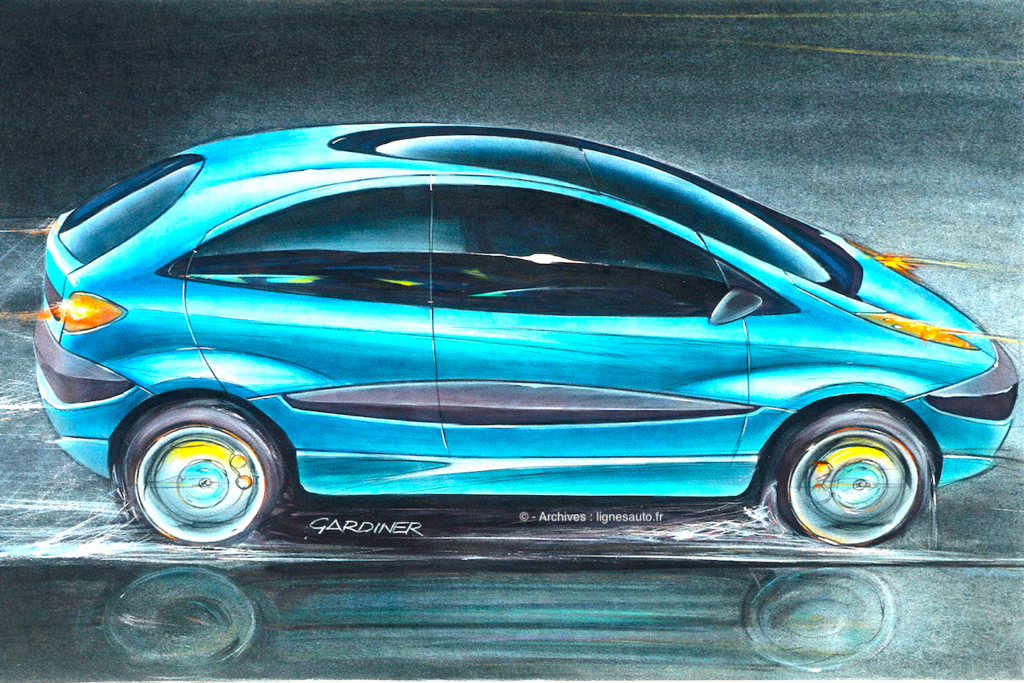
“We’re extremely surprised because, with a concept car, you don’t usually seek external input.” This concept, which heralds the Xsara Picasso MPV, is set to be the subject of a legal case involving Volanis. Dan explains that “Antoine Volanis had presented a design for an unbranded MPV at La Garenne. Each drawing was numbered and protected, but we never actually saw them! However, the member of Luc Epron’s team responsible for liaising with Volanis was keeping him updated on the progress of our own work.”
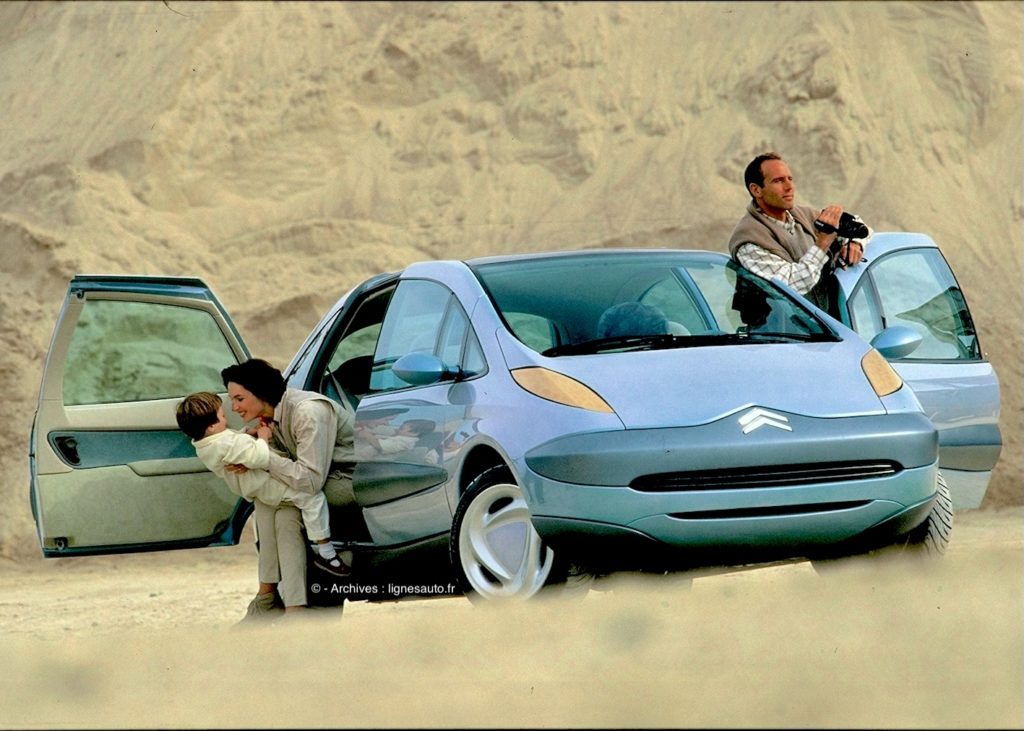
“The problem at the time was that we weren’t protecting our designs. So Volanis claimed that Citroën had plagiarised his design! What’s incredible is that we didn’t see Volanis’s mock-up until the final presentation, and it was actually ours that was chosen. The group then put together a dossier containing all our sketches, thereby demonstrating that all the Citroën designs had been created six months, or even a year, before Volanis’s proposals. But as our designs hadn’t been registered, Volanis won the case.”
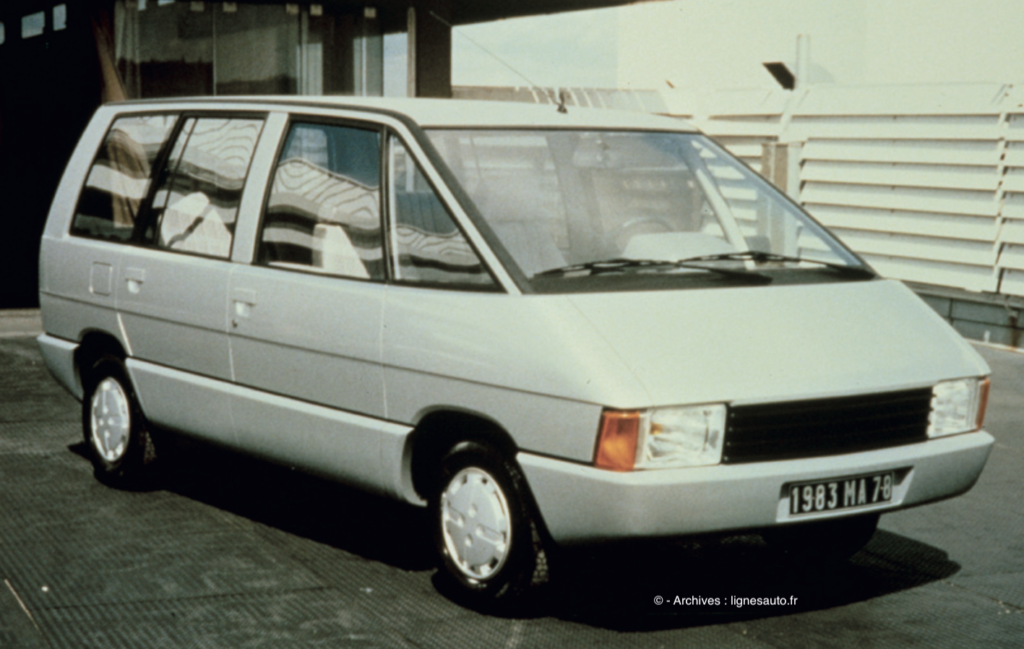
And a substantial sum that will enable the designer – born in Thessaloniki in 1948 and who arrived in France in 1968 – to develop his independent design firm, based in Montfort-l’Amaury since the late 1980s. This feat also strained his relations with certain car manufacturers. Until the late 2000s, his work then focused more on industrial design for companies such as Aérospatiale, Donnay and even… Tefal. We know Antoine Volanis best for his work at Matra, which he joined in the early 1970s. Iconic names spring to mind: the 1973 Bagheera, the 1977 Rancho and the 1984 Espace.
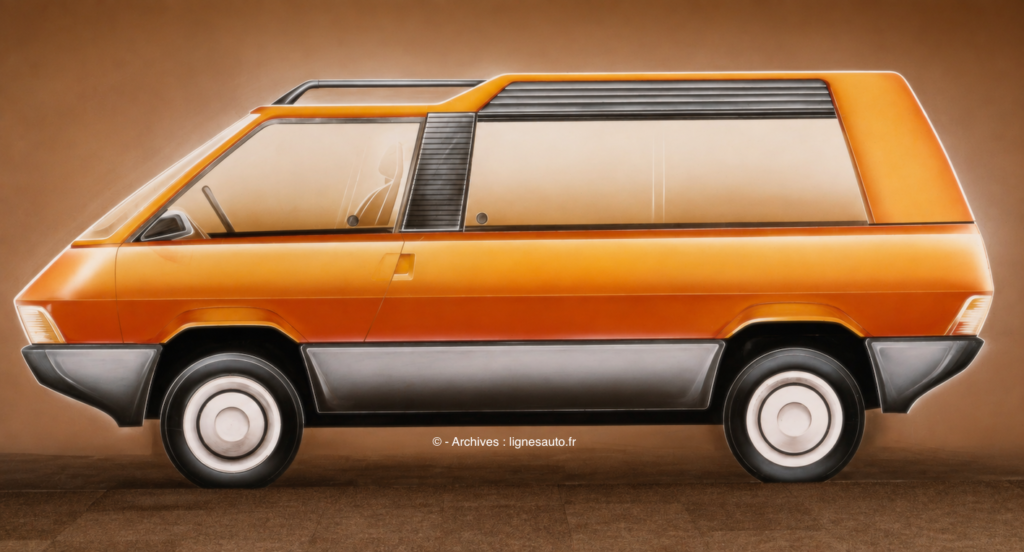
However, the final design of the large MPV was finalised by Jacques Nocher’s team at Renault Design, alongside Gérard Asensio, in April 1983. Volanis also marked a highly inventive and creative start, with the unveiling of two concept cars: one showcasing an innovative and unprecedented compact MPV, the other revealing a saloon with excellent aerodynamic efficiency.
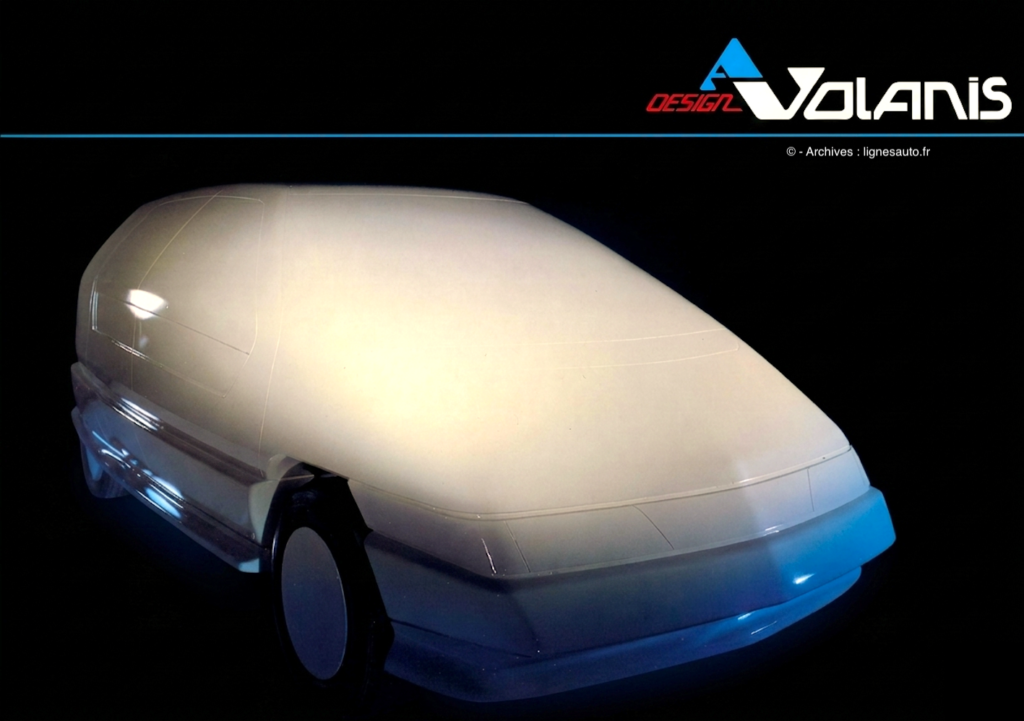
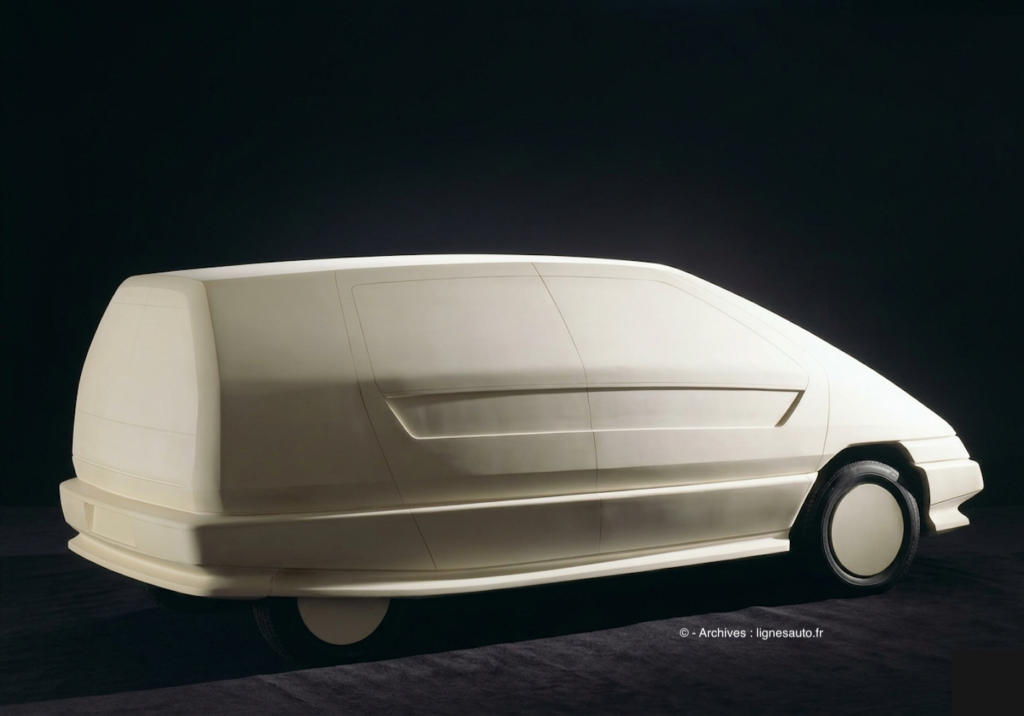
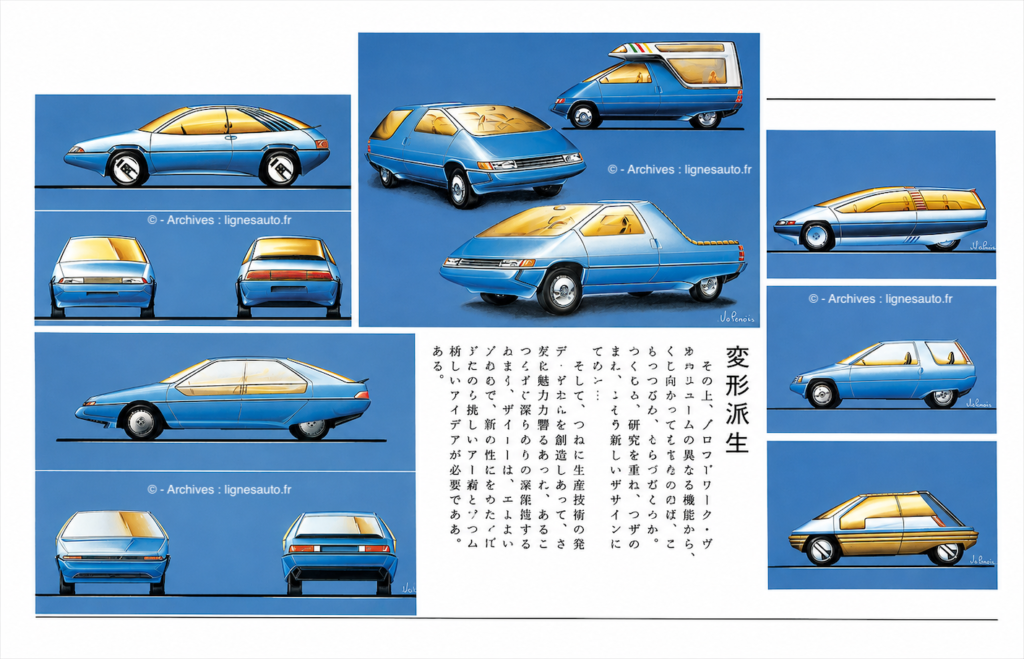
It is these two projects that we are looking back at today. More than ten years before the ‘Xanae affair’, Antoine Volanis put his automotive design studio in the spotlight with a revolutionary concept car: the Helios, pictured below. The large Espace MPV had not yet gone on sale, but Volanis, who was behind the project, immediately envisaged this concept in a more compact form. Eight years before the 1991 Scénic concept.
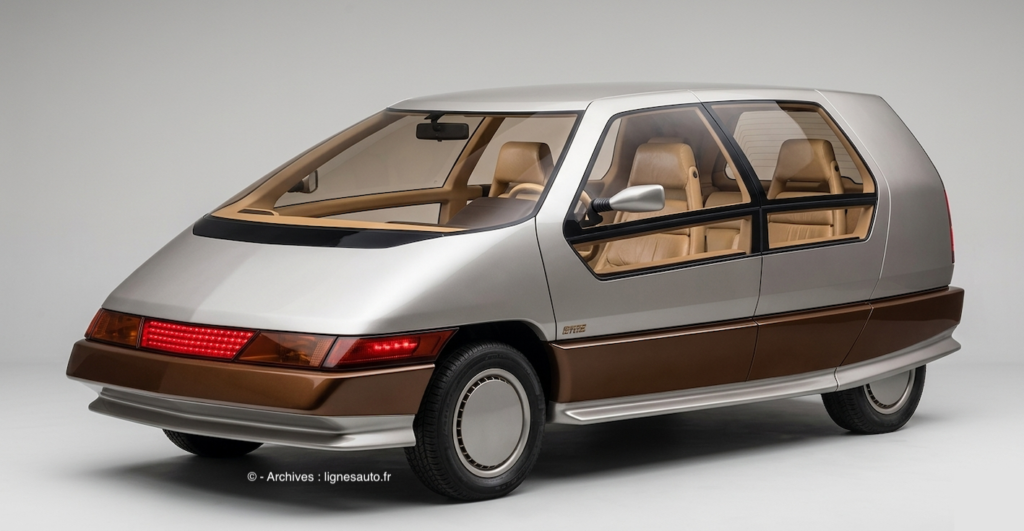
The French designer would like to become the equivalent of Giugiaro, who, at the same time, was producing a succession of innovative architectural concepts, such as the Lancia Together concept, which also explored the theme of the compact MPV. Antoine Volanis exhibited his Helios prototype at the 1983 Geneva International Motor Show.
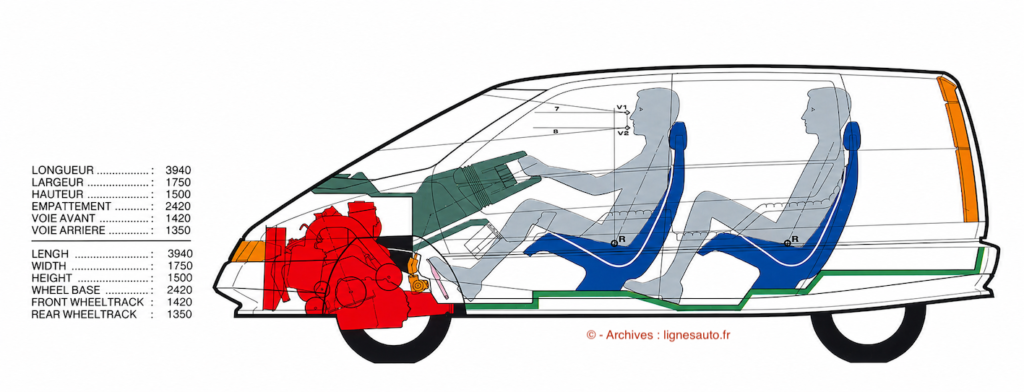
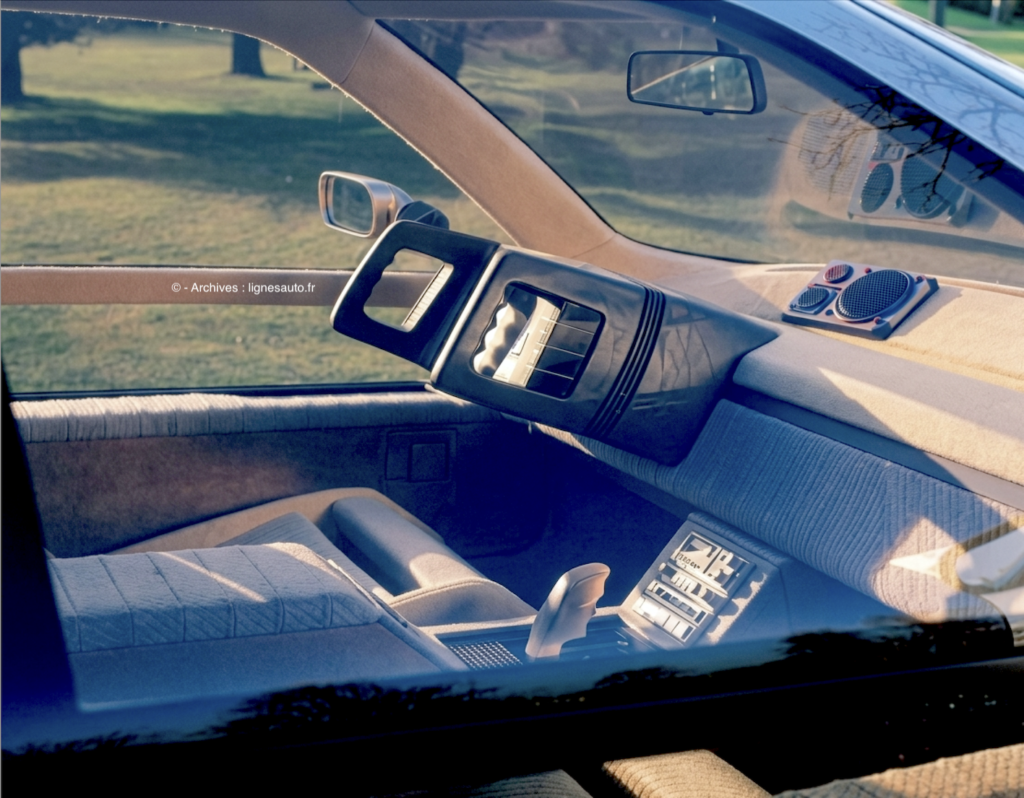
In addition to its compact, five-seater design and monocoque body, the Helios boasts advanced aerodynamics with a drag coefficient (Cx) of just 0.22. It is worth noting that during this period, European manufacturers were receiving government support to develop the most aerodynamic and fuel-efficient prototypes.
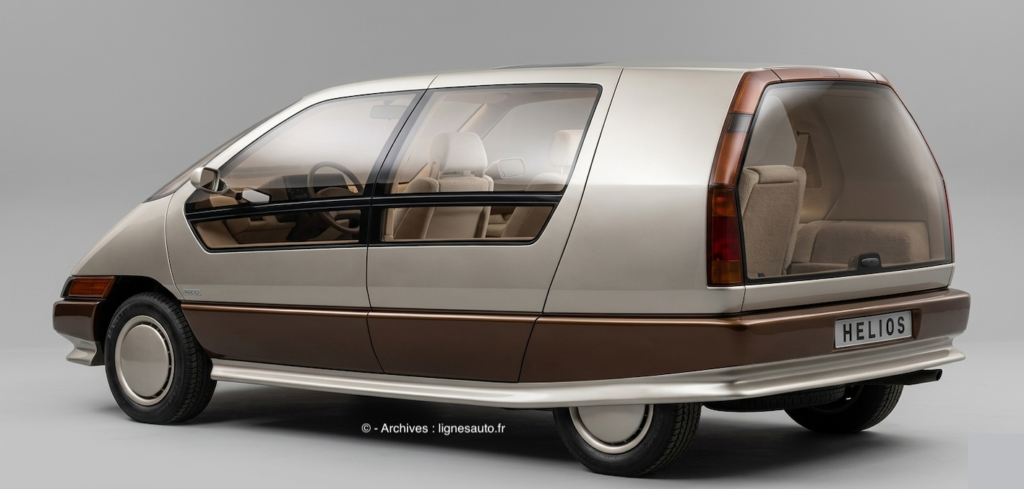
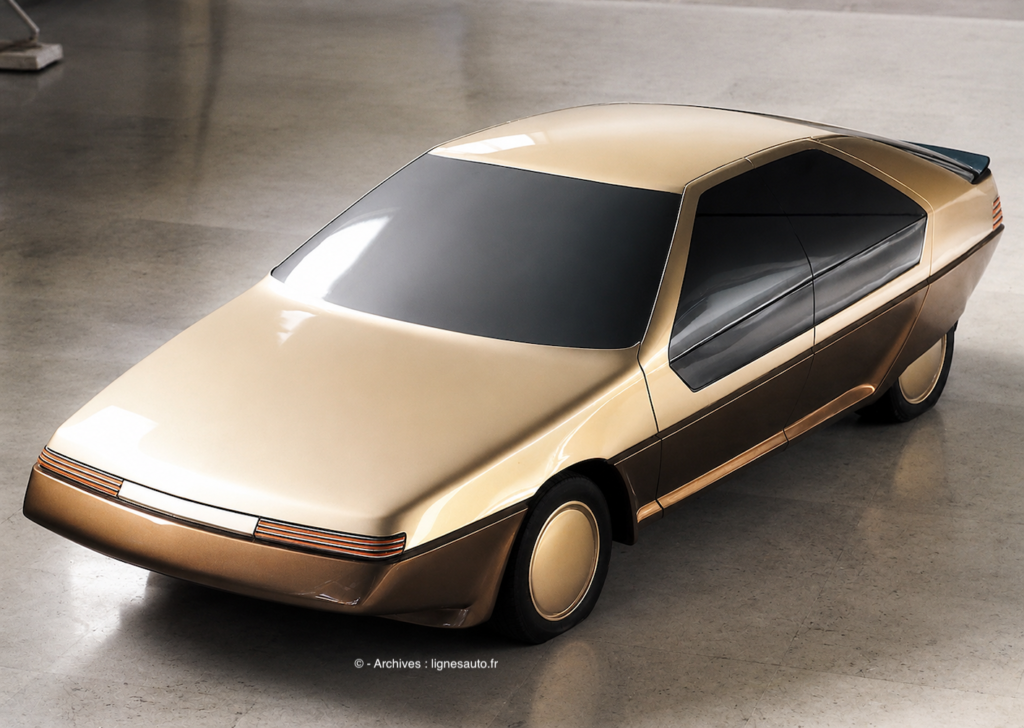
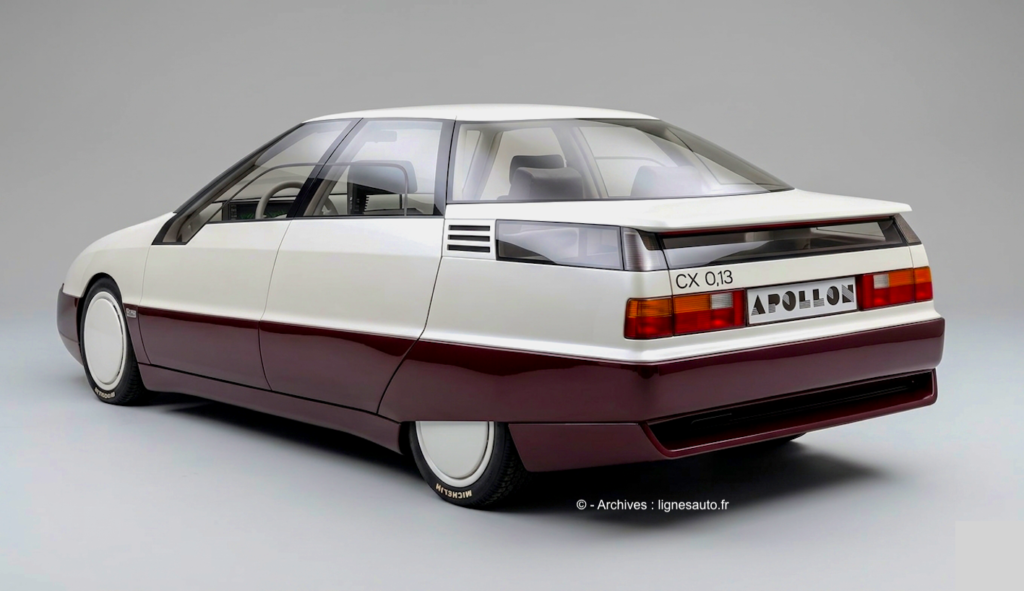
In terms of styling alone, the car features a signature design element dear to Volanis: the rear light strip encircling three-quarters of the tailgate, a design he had previously proposed for a small city car prototype at Matra. The contacts he made at the Geneva Motor Show enabled him to raise his company’s profile. Just over a year later, at the 1984 Paris Motor Show, he designed a second full-scale concept car. This time, he set aside the MPV concept to focus on an elegant saloon car, once again highly refined in terms of aerodynamics: the Apollon, shown below.
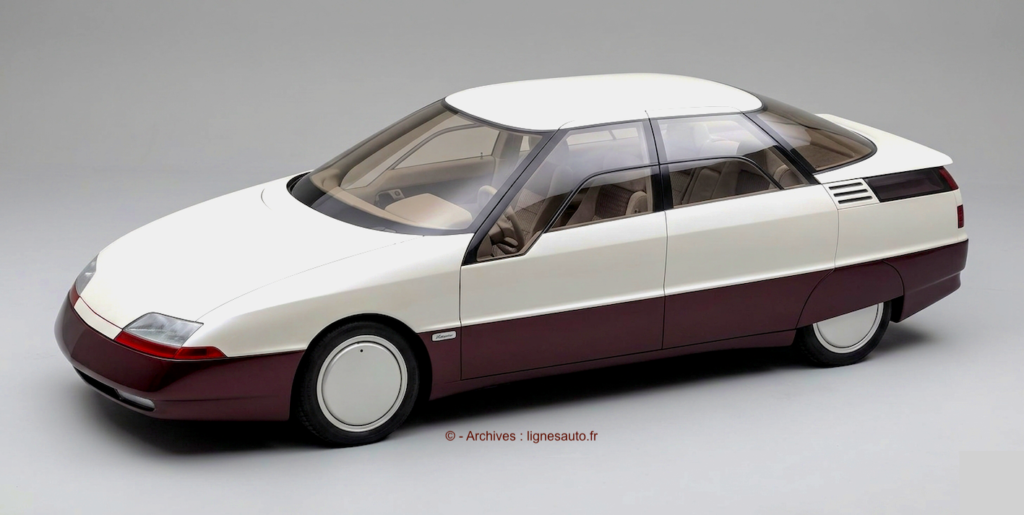
Like Ital Design’s Renault Gabbiano concept car, the Apollon is based on the Renault 11 Turbo platform, but the saloon is very sleek and boasts a drag coefficient (Cx) as low as 0.13. Always looking to the future, Volanis’s vision also incorporates a number of striking innovations: infrared-activated doors, a navigation aid system and an air suspension system to lower the ride height when driving on the motorway.
These two unique car prototypes enabled Antoine Volanis to work behind the scenes on various projects for major car manufacturers. This included a minivan with two rows of three seats, initially conceived for Fiat (which decided to go ahead with the idea…) and subsequently proposed to the French group Peugeot-Citroën. We all know how that story ended…