

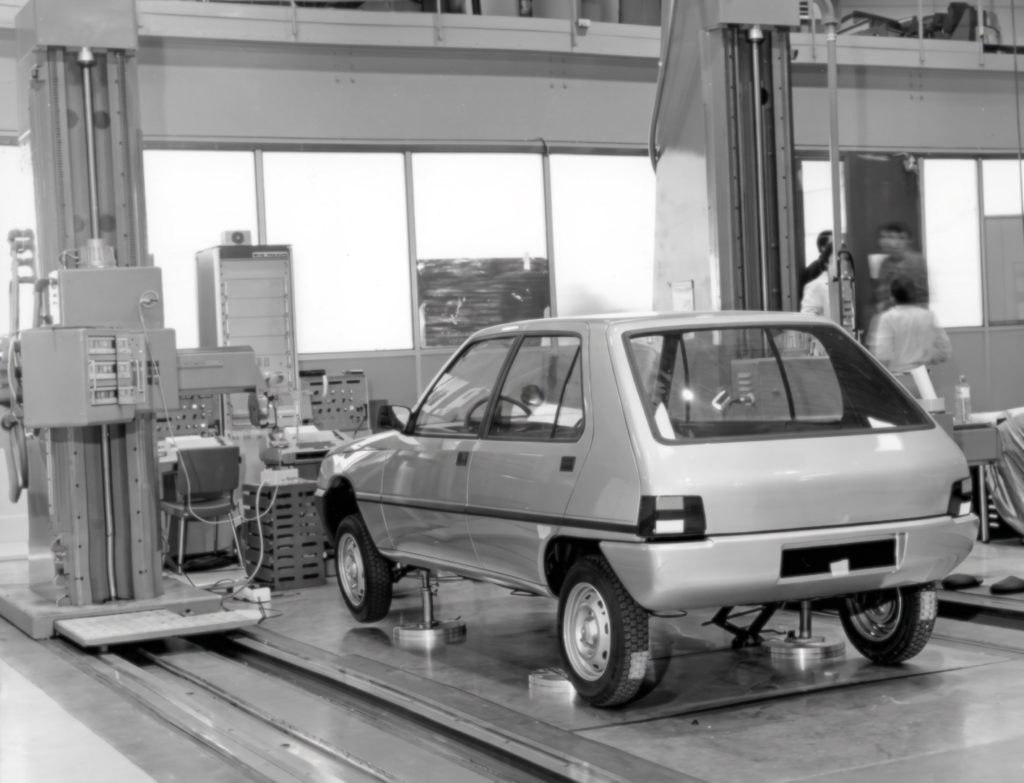
Whilst Peugeot is set to unveil its 208 next year, having already given us a sneak peek via the E-T16 at the Paris Motor Show, we take a look back at the car that inspired its design theme: the 205, unveiled on 24 February 1983. Here’s an exclusive insight into the origins of this remarkable car, featuring some rather unexpected documents. A real game-changer which, alongside the Citroën BX, saved the PSA Group from bankruptcy in the mid-1980s.
Is this success down to his style?
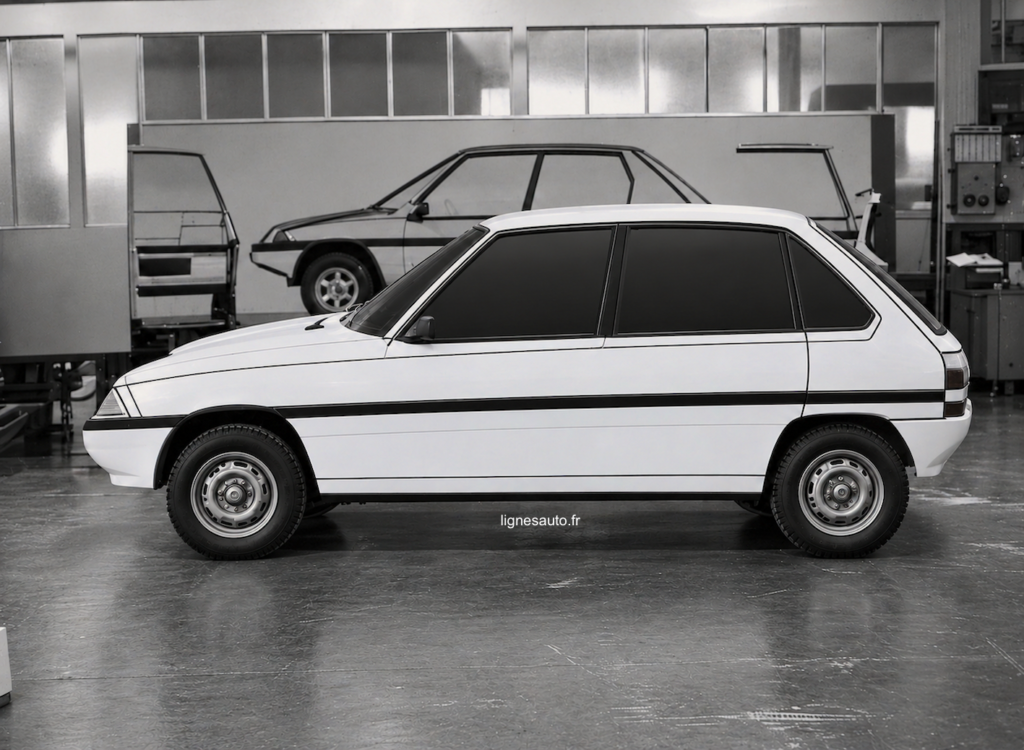
Is this success down to its styling? No, because the success of a new car model depends above all on a perfect alignment of the stars. For the 205, styling played a huge part – who could argue otherwise? However, its development was also characterised by a ‘go for broke’ approach to prevent the PSA Group from going bankrupt. The choice was to be bold rather than timidly conservative.
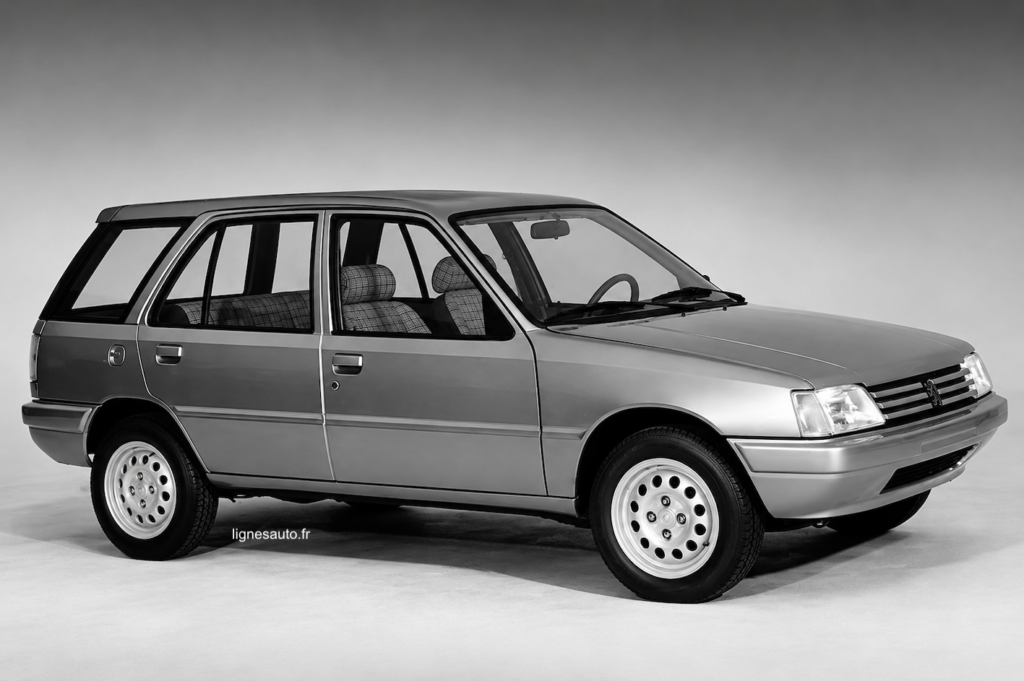
There was also talk of decisions that were not easy to make: launching the brand into competition, thanks to the determination of Jean Boillot and Jean Todt; perfectly anticipating the birth of the GTI legend; a dealer network that enthusiastically embraced this charming 205; petrol and diesel engines; and a range of body styles: 2-door, 5-door and Cabriolet. The only thing missing was the estate (pictured above), even though it had been proposed as a motor show prototype by Pininfarina… What we’re looking at today is the styling of the car that was designed under the code name M24. And these little stories within the bigger picture lift the veil on some of the lesser-known aspects of its origins.
A resounding victory over Pininfarina
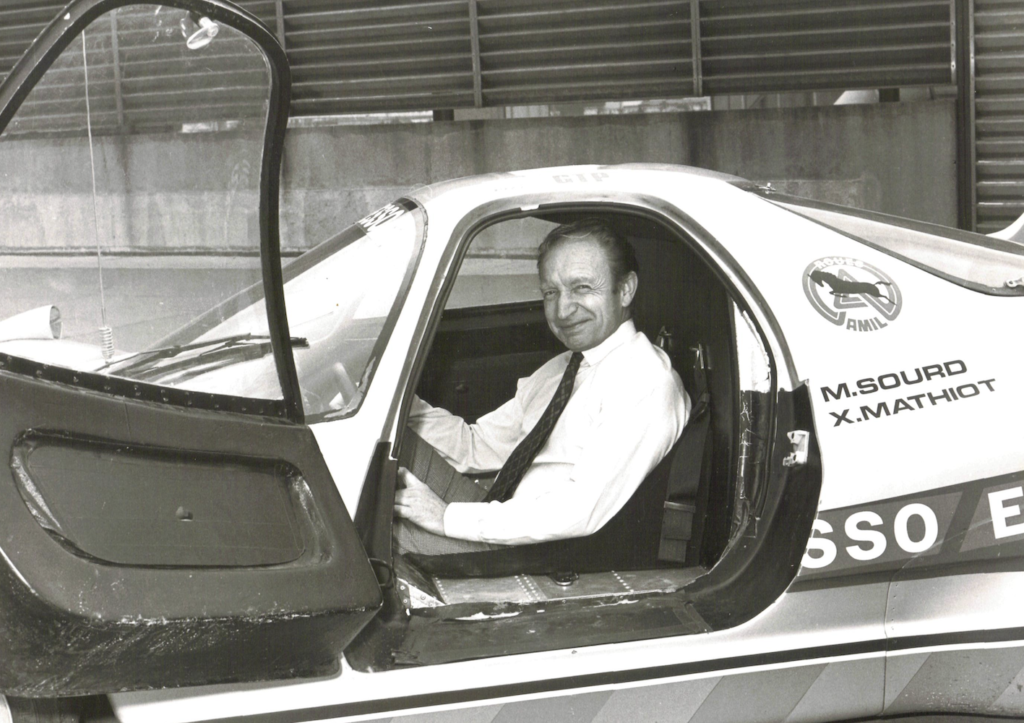
When he arrived at the CEP (Centre d’Études de Paris) at the design studio in La Garenne-Colombes, Gérard Welter joined a small team led by Paul Bouvot. In 2008, Gérard told us, “at first, when I arrived at the CEP, the collaboration with Pininfarina was a bit over my head. I was experiencing it from the inside, but I didn’t have any responsibility at the time. I know that Paul Bouvot was both frustrated because we were competing with Pininfarina and proud to be up against such a renowned design house.”
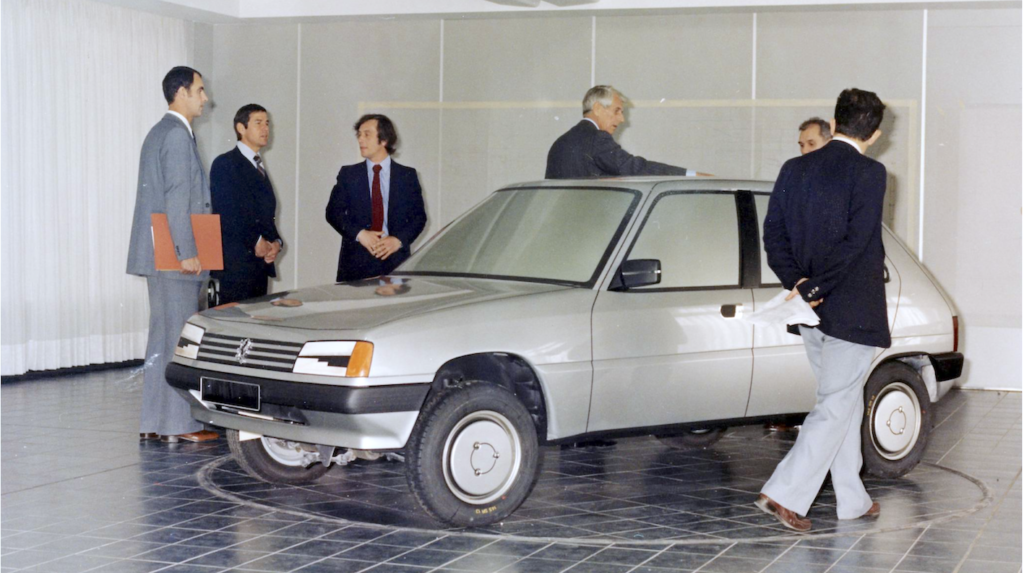
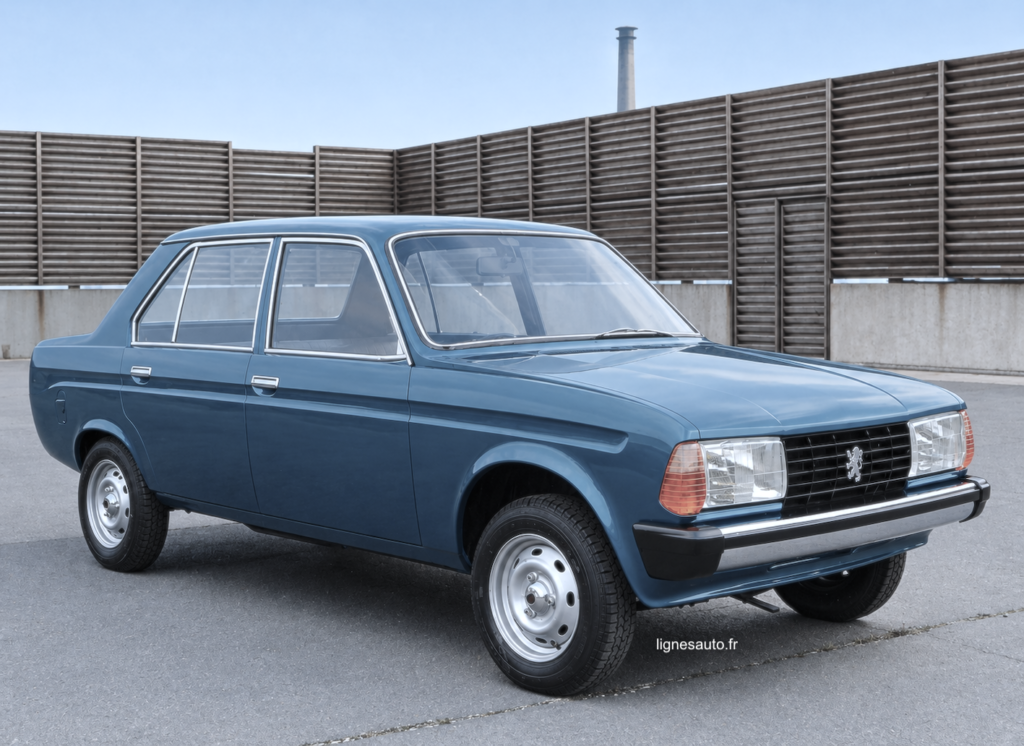
The design of the 204 and 504 saloons, which Peugeot’s management would go on to choose, was the work of the Italian firm, which had been under contract with the French manufacturer since 1951 to design the 1955 403. Towards the end of the 1970s, this collaboration was largely to Pininfarina’s advantage, but Gérard Welter explained during our interview that “the comparisons between our various models and those of Pinin have taught us to look closely at and observe their proposals. And in this little game, little by little, we began to become extremely competitive.”
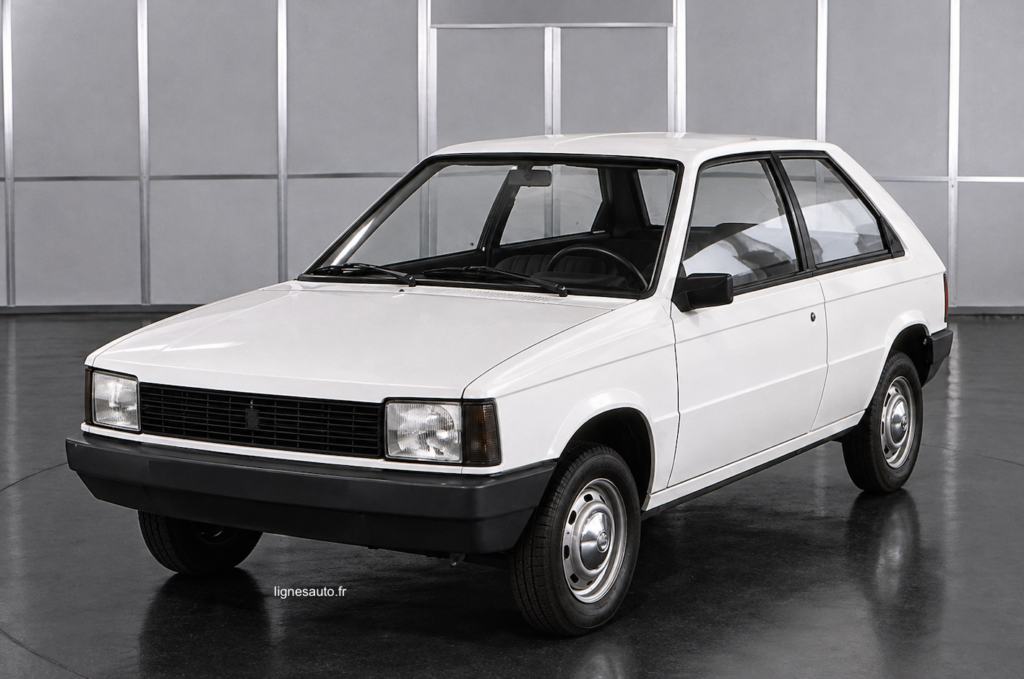
“When we found ourselves competing in the M24 (205) programme, everything had come together for us for the first time to fight a winning battle. Yet things were going badly for Peugeot at the time, and I remember Jean Boillot whispering to me, ‘Gérard, if we don’t get this car right, we’re finished.’ You can imagine the pressure!”
A Peugeot 104 chassis
Nowadays, a car programme relies first and foremost on the platform used and its powertrain. At Stellantis, no single brand has a dedicated platform. These are, of course and quite logically, shared. When the M24 project began, the story was very different. Gérard Welter explained this to us during one of his many interviews conducted at his home in Thorigny-sur-Marne: “We couldn’t afford to invest, given the company’s financial situation. We simply had to use the 104’s platform.”
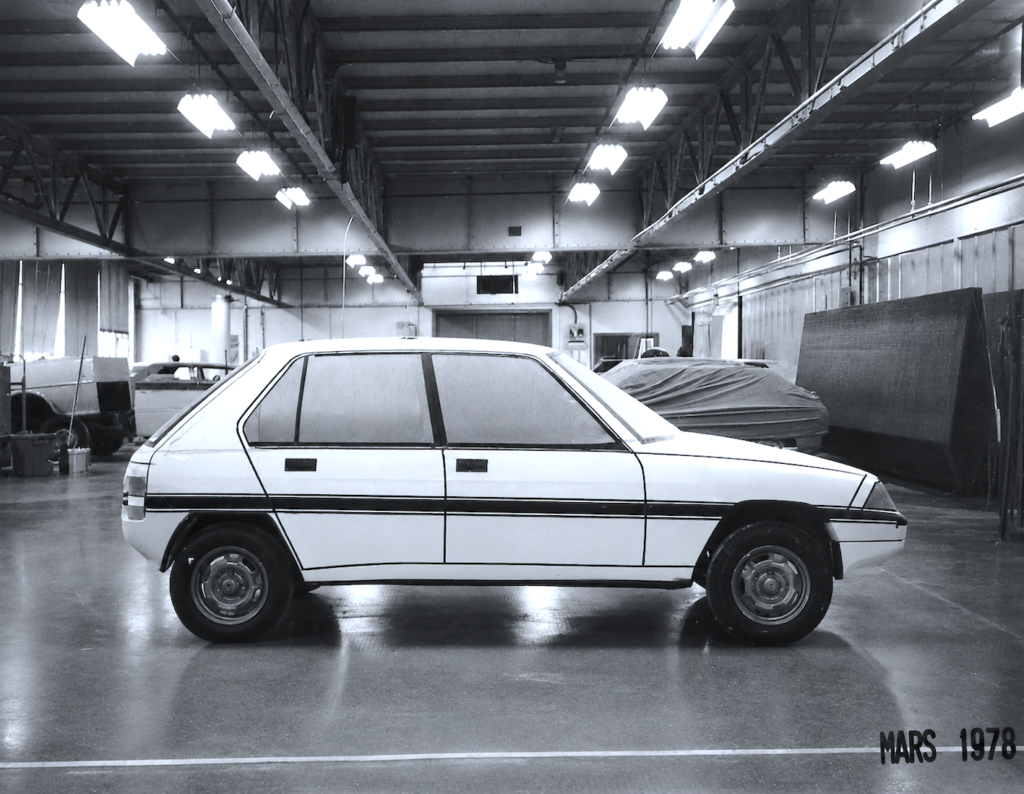
This is no trivial matter, because whilst the 205’s styling obviously contributed to its undeniable success, it was not the only aspect that Gérard managed to master. “By using the 104’s platform, we were working with a design in which the spare wheel was housed under the bonnet. ’ For Gérard, who wanted to design a silhouette with a slightly sloping bonnet, this was unacceptable. Together with his teams, he managed to persuade the project’s technical manager to move the spare tyre to the rear. This decision was endorsed by Mr Forichon and enabled the 205’s design to feature attractive proportions and lower window lines.
Three horizontal bars: Roland Peugeot’s recommendation
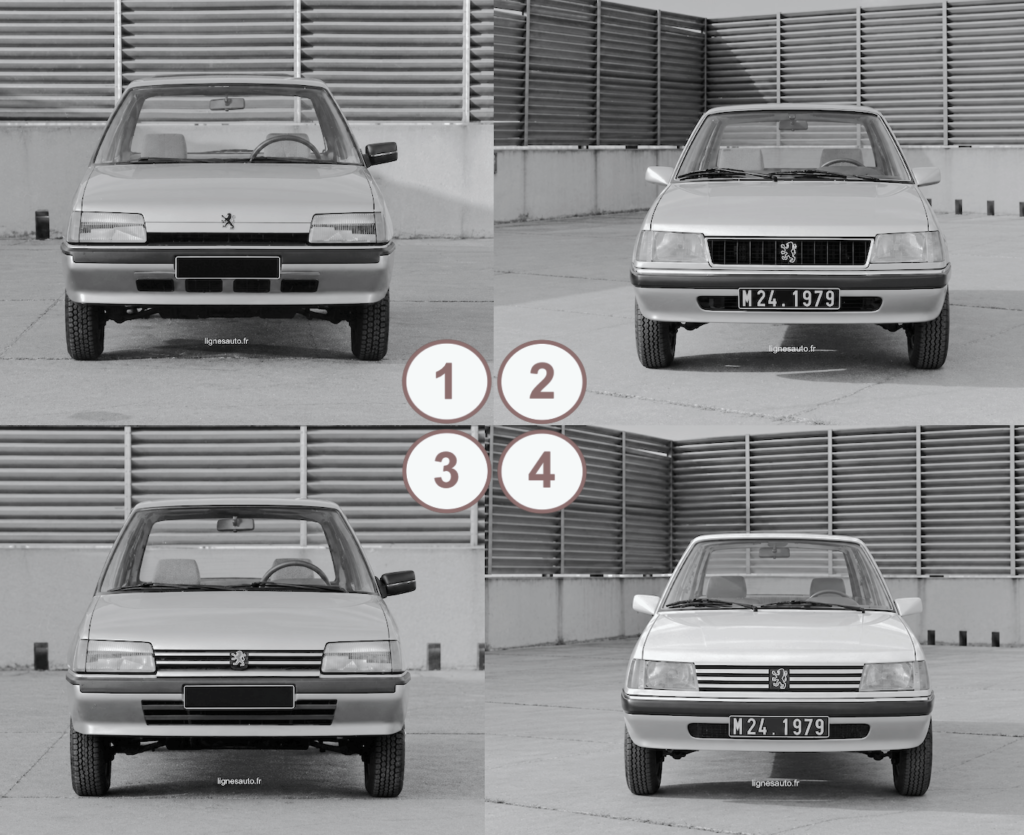
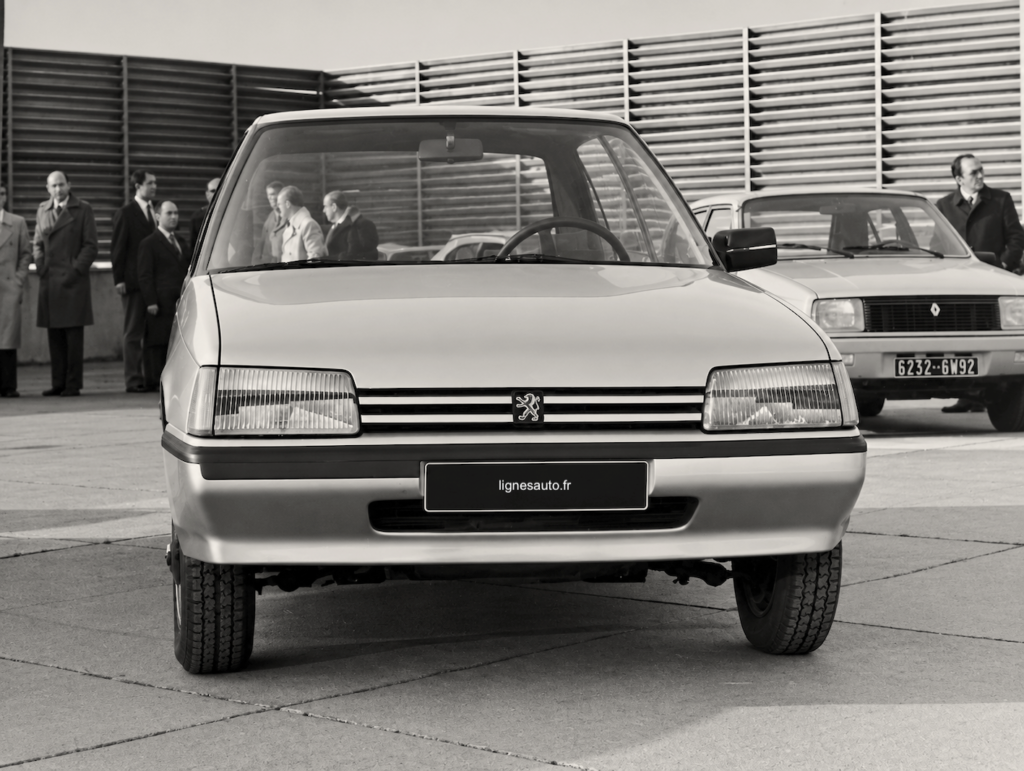
The documents published today – some of which have never been seen before – show that finalising the design of the 205 was by no means plain sailing. The main areas of relentless research were the front grille and the rear end. For the front end, numerous solutions were explored: a classic grille, a grille with a single slit, and another with several horizontal bars. For the rear, the idea of a bulbous shape – in stark contrast to the taut lines of most cars of the time – was pursued for a very long time, right up until the end of the programme.
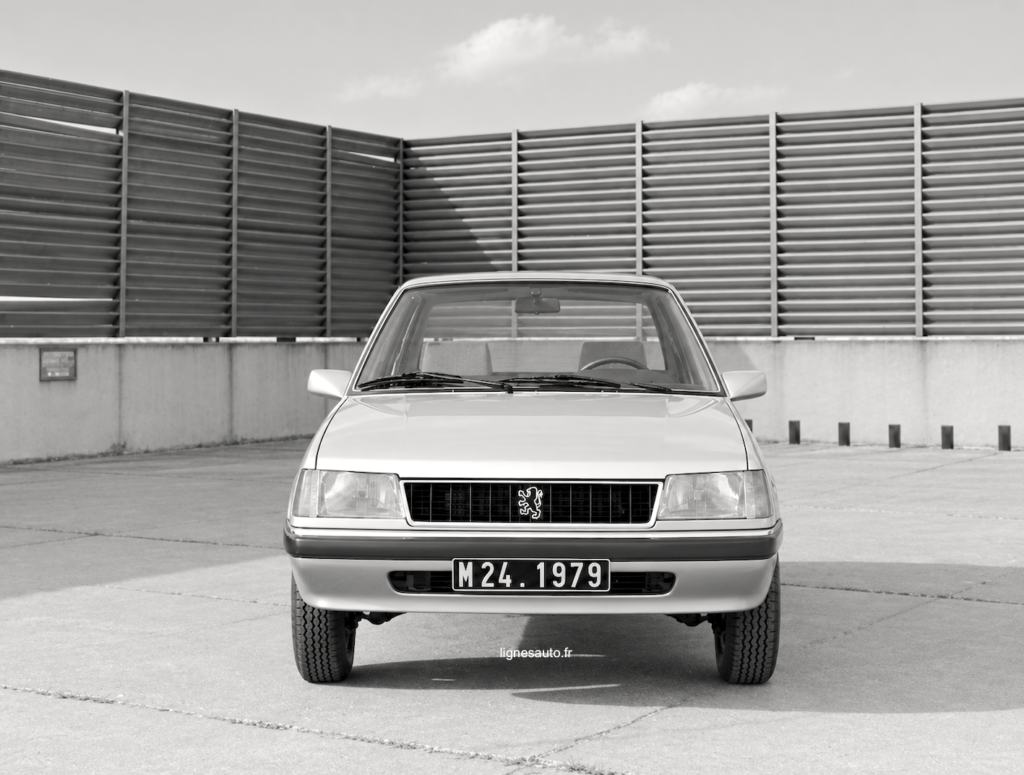
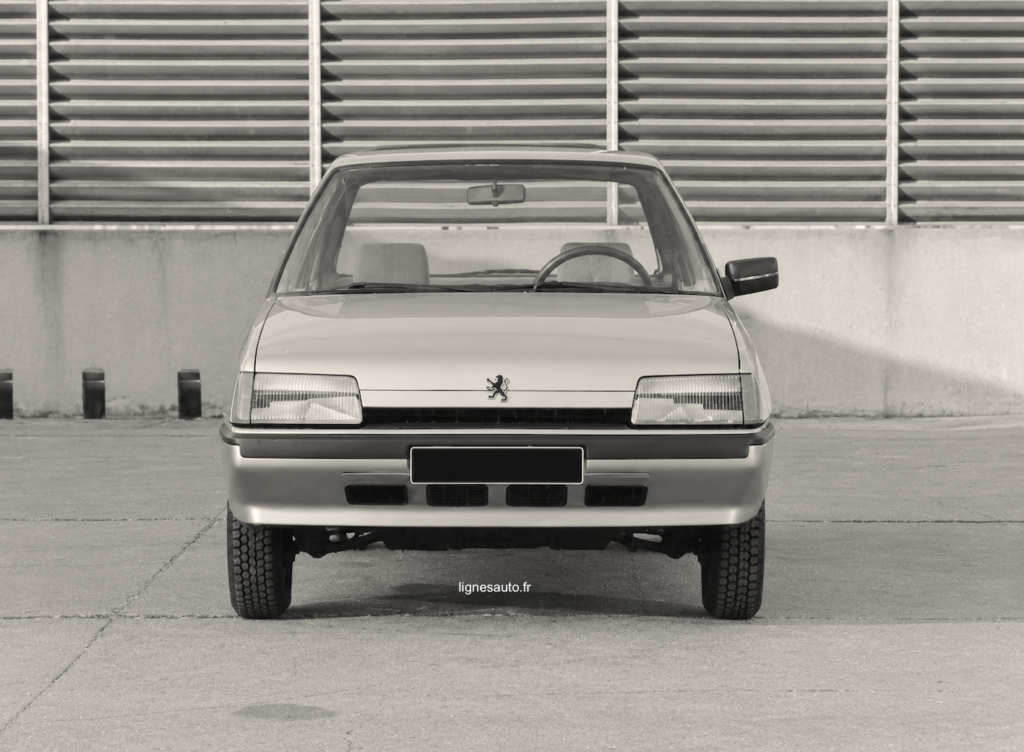
As for the grille, it was Roland Peugeot who guided Gérard Welter. But we mustn’t overlook the role played by Jean-Paul Parayre, CEO of PSA from 1977 to 1984. Gérard Welter recalls bumping into him in a lift, where “he mentioned in passing that I must be pleased with the final choice made regarding our model. But more than Jean-Paul Parayre, it was Roland Peugeot who really talked things through with us. He’d always enjoyed doing that. He’d come to see us just as he’d come to see friends. He’d say to me, ‘I really like your car, Gérard; it’s well-rounded and appealing, but the grille with just a single slit (below) won’t do. Make it with several slats!’ ”
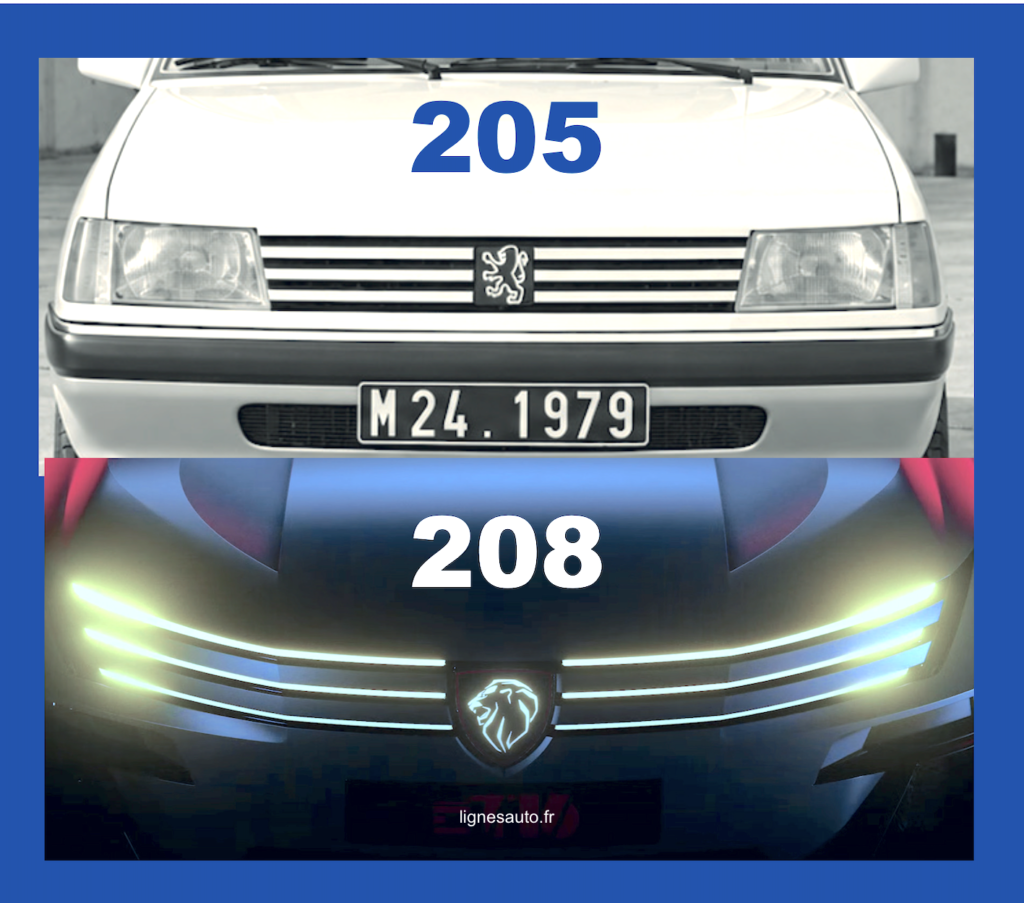
Let’s give credit where credit is due to Roland Peugeot: the three bars on the 205 were his idea, and more than forty years later, Matthias Hossann’s team drew heavily on this ‘three bars’ theme to create the 2027 208, pictured below!
Gérard Welter, for his part, tells us that “I have a great deal of respect for Roland Peugeot. I tell myself he’s right, so I listen to him and create those famous moustaches. Above all, it shows that the senior figures of the time took a keen interest in what we were doing.”
As for the rear end, it remained rounded for a very long time, as the head of design at the time acknowledged: “It’s a very distinctive rear end, very bulbous, whilst the competition was still in the era of very cubic, sharply chiselled shapes. Its defining feature – almost a caricature – is its small square tail lights. We’d produced scale models with wider lights, but given the narrowness of the 205, these lights allowed it to appear wider. ”
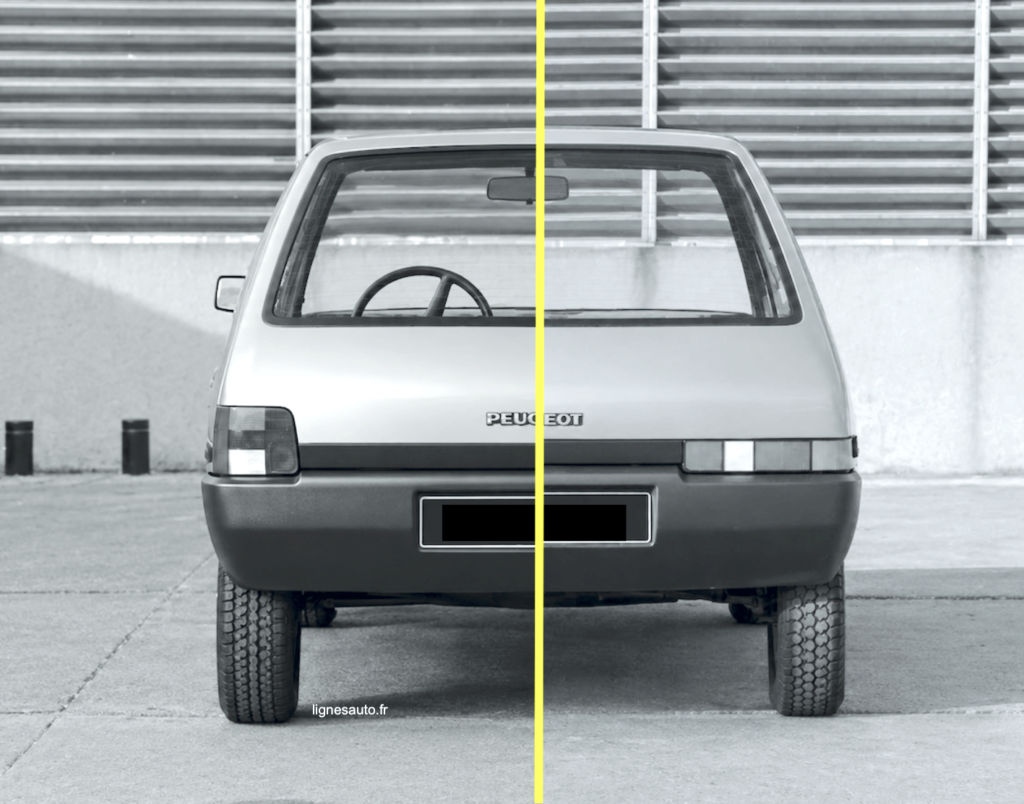
However, Gérard Welter acknowledges that amongst the management “there was a very legitimate sense of concern. We had no resources; it was a period that was both sad and exciting for those who knew about the M24 project. Jean Boillot was one of those who were concerned. He thought the rear of the 205 looked rather bare. It was made entirely of sheet metal; he told us, ‘We can’t launch the car like that.’ He was also close to the sales team, so he knew what needed to be done. ”
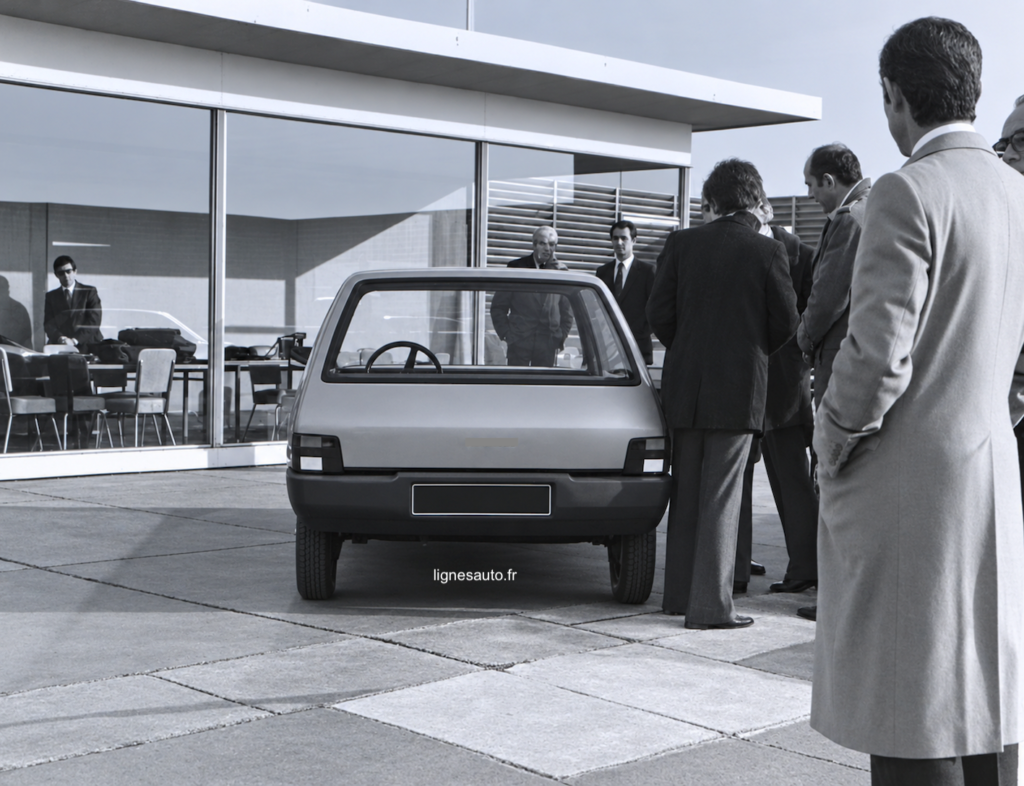
“So we added a plastic hubcap. But the funny thing about the story is that when we had to revamp the car as part of the facelift, we removed that hubcap to modernise the 205. In fact, it was very modern right from the start!”
A simple fuel cap could have jeopardised the 3-door version
For Gérard Welter’s team, the design of the 205 was therefore no straightforward affair. As we have seen, whether it was the choice of a sharp or, conversely, a bulbous design theme, or even the grille with its ‘whiskers’ and the tailgate that was ‘too much like the Renault 14’, the details were scattered all over the place. But the coherence of the final design quite simply resulted in the miracle everyone had been hoping for.
There is a little story within the bigger one concerning the three-door version of the 205 – the one that was brought to the fore by the first 205 GTI in 1984. Let’s hear from Gérard Welter in 2008, who told us that “the 205’s challenge lay first and foremost with the three-door version and its very distinctive rear window design. “When the sales team saw this variant, they were absolutely determined to have a decorative feature on the body panel. So we designed some wheel trims, and in one of them we even incorporated the fuel filler cap. ”
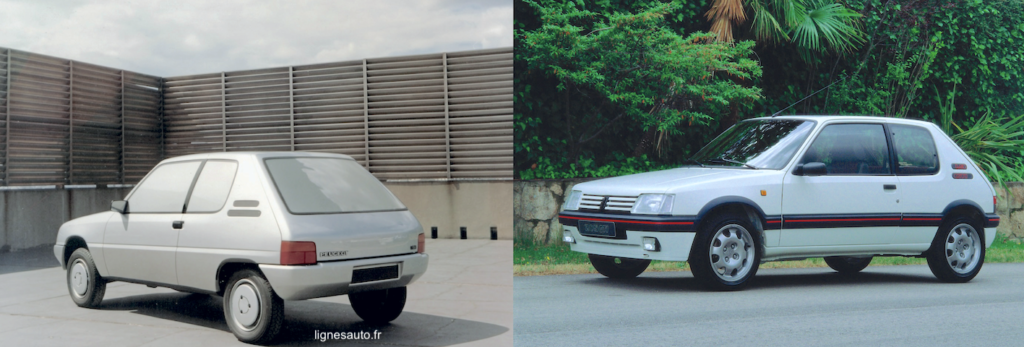
But the complexity of aligning this cap with the decoration nearly put an end to this detail – which wasn’t really a detail at all – in the masterful design of the GTI logo, which was then on the verge of becoming legendary! “In terms of mass production, this solution wasn’t straightforward because the whole thing had to be aligned properly, and that wasn’t easy. We heard all sorts of comments, like, ‘Ah, those designers with their crazy ideas’. Well, given its success, it was actually quite amusing… ” With the GTI, Peugeot was set to take on the Golf on the domestic market – a car that had been the benchmark right from the start of the 205’s M24 design studies. “It just goes to show that anything is possible,” Gérard Welter added at the time…
The Peugeot 205 Turbo 16 as seen by Gérard Welter
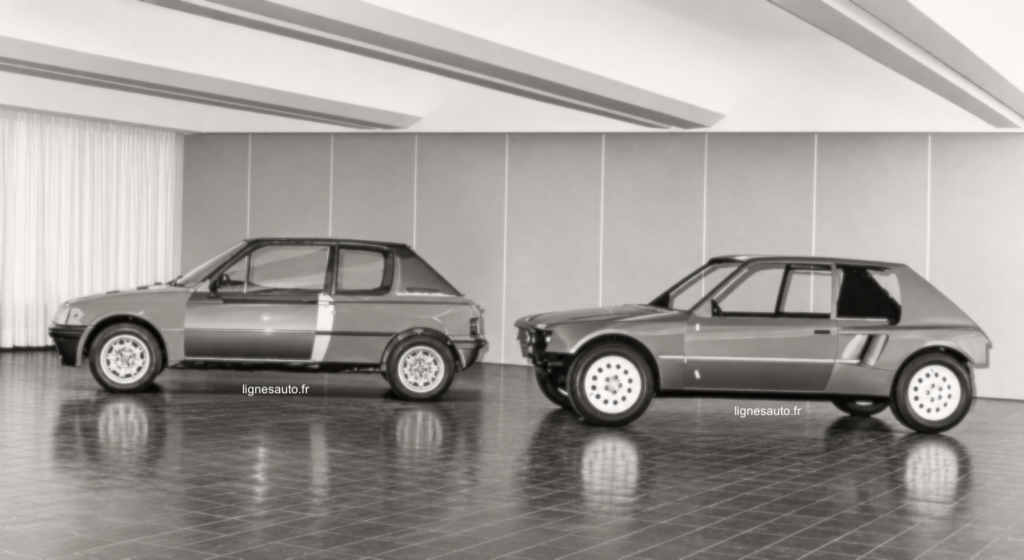
The Peugeot 205 Turbo 16 would play a part in the PSA Group’s recovery. Not because of its production figures (200 units), but because of its media impact. Peugeot’s image was to be completely transformed and elevated to the very pinnacle thanks to motorsport. First with the 205 Turbo 16, which went on to win two World Rally Championships, and then with the 905 and its two victories at the 24 Hours of Le Mans, in 1992 and 1993.
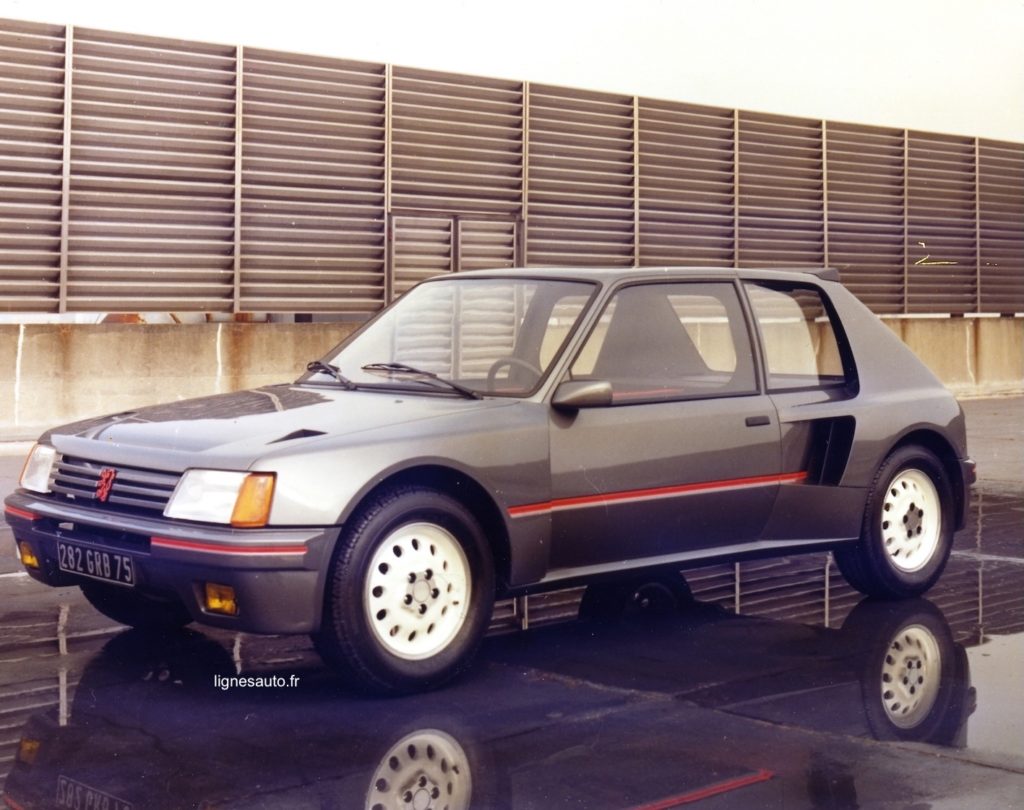
Jean Todt, head of the Peugeot-Sport unit, was therefore behind the 205 Turbo 16. Gérard Welter told us in an interview in 2008 “that Jean Todt and I get on very well. Jean knew me from my involvement with WM at the 24 Hours of Le Mans. He simply came to see me and asked the design team to come up with a design for this car fairly quickly. He wanted from us what he’s always wanted from his teams: the very best! We produced a rather well-executed design model, and both Jean Todt and Jean Boillot were won over straight away. The car looked great with its big wings, and I think it only took a few modifications to fit the engine, and 200 units were put into production as it was. ”
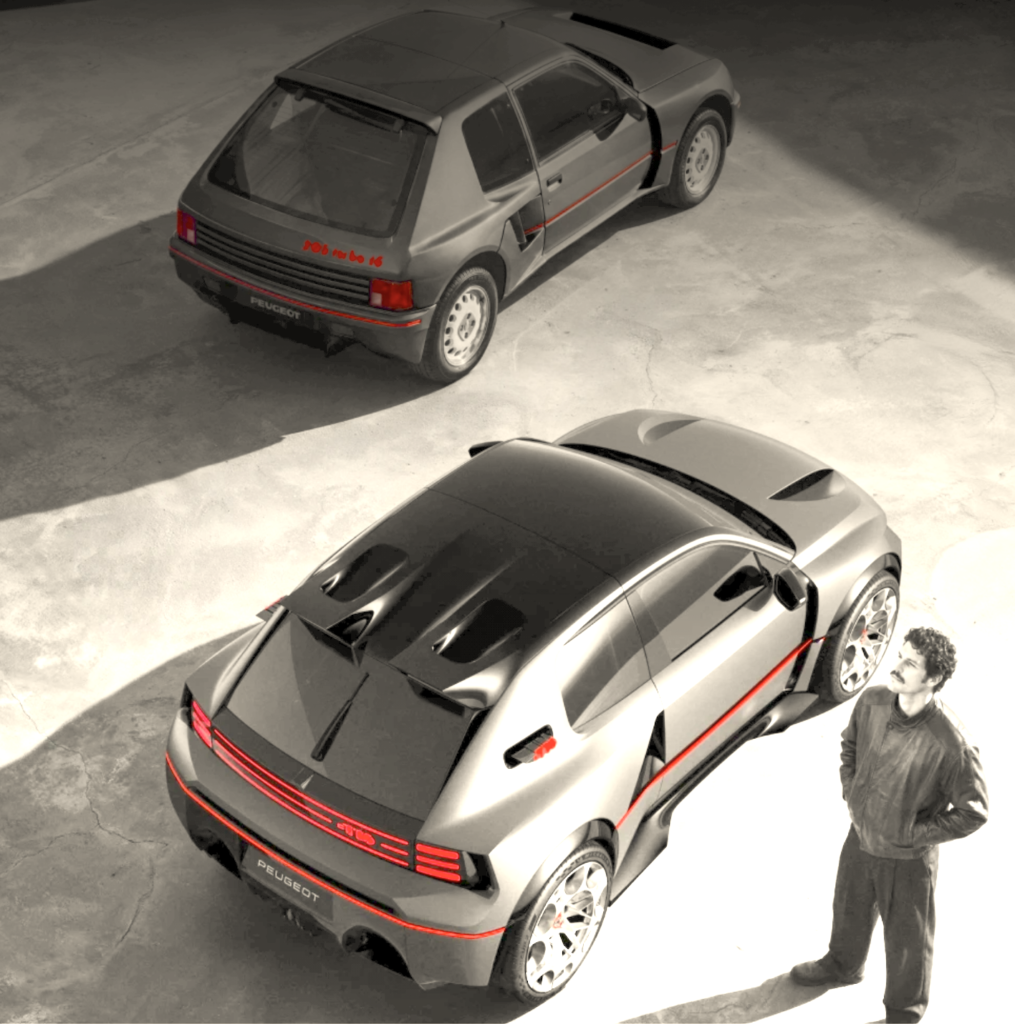
Some of the photographs published in this article have been digitally enhanced to improve their clarity, without compromising the original documents.
